
Breakfast & Brunch
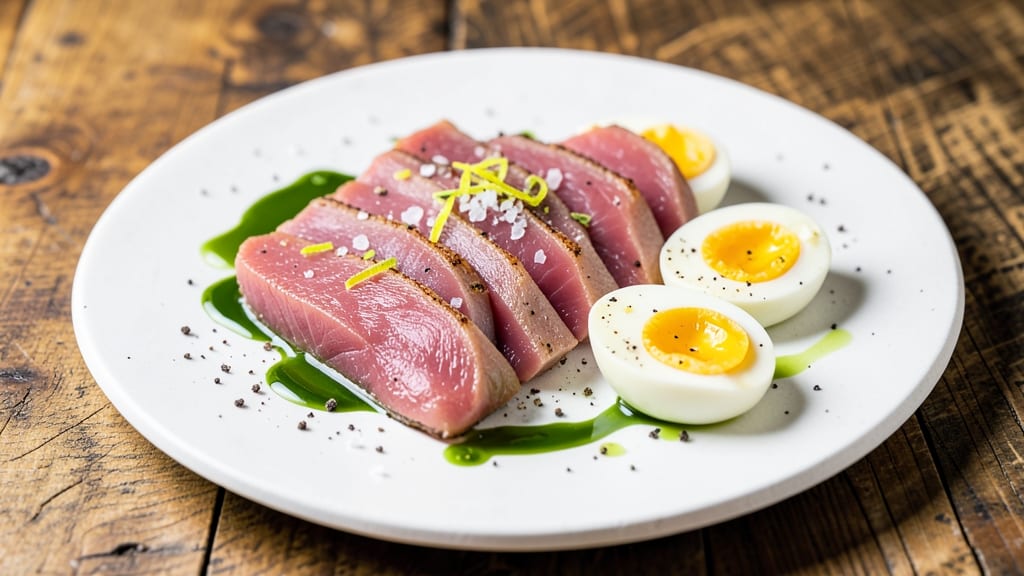
This tuna egg diet recipe delivers a protein-packed breakfast that keeps cravings at bay while fueling your day with clean, satisfying energy. The combination of lean tuna and eggs creates a meal that's not only quick to prepare but also packed with nutrients that stabilize blood sugar and promote satiety. I've perfected this recipe to balance texture—fluffy eggs with tender tuna—while keeping prep under 10 minutes for busy mornings.
The beauty of this dish lies in its versatility. You can serve it as a fluffy scrambled egg bowl with chunks of tuna, or create a tuna-egg salad with a touch of lemon and olive oil for brightness.
The high-protein content makes it ideal for weight management, while the healthy fats from eggs support brain function. This isn't just another diet meal—it's a flavorful, balanced breakfast that actually tastes good.
What you'll achieve is a meal that's both nutritious and delicious, with perfectly cooked eggs and fresh tuna that complement each other beautifully. The dish pairs well with sides like avocado slices, a small side salad, or whole-grain toast to round out the meal.
Whether you're following a specific diet plan or simply looking for a protein-rich breakfast, this recipe delivers results without sacrificing flavor.
Best of all, the ingredients are simple and accessible—no specialty items required. The method is straightforward, ensuring you can have this satisfying breakfast on the table even on your busiest mornings. Let's get started with this high-protein, craving-curbing meal that's perfect for any diet-focused morning routine.
Ingredients for tuna and egg diet
Simple ingredients for a protein-packed breakfast that keeps cravings at bay while delivering clean energy.
| Ingredient | Amount | Notes |
|---|---|---|
| Fresh Tuna Steak 🐟 | 6 oz | Sushi-grade, thinly sliced |
| Large Eggs 🥚 | 4 whole | Room temperature for even cooking |
| Extra-Virgin Olive Oil 🫒 | 1 tbsp | Lightly cold-pressed for flavor |
| Fresh Lemon Juice 🍋 | 1 tbsp | Bright, freshly squeezed |
| Diamond Crystal Kosher Salt 🧂 | ½ tsp | For seasoning, not iodized |
| Freshly Ground Black Pepper 🌶️ | ¼ tsp | Coarsely cracked peppercorns |
| Fresh Chives 🌿 | 2 tbsp | Finely chopped, for garnish |
| Avocado Oil 🫒 | ½ tbsp | High smoke point for cooking |
| Garlic Cloves 🧄 | 1 clove | Minced, optional for depth |
| Red Bell Pepper 🍅 | ¼ cup | Diced, optional for crunch |
| Whole-Grain Toast 🍞 | 2 slices | For serving, optional |
The tuna is the star here—sushi-grade quality ensures tender texture without overpowering the eggs. Trader Joe's or Whole Foods carry vacuum-sealed packs that stay fresh longer. If you're using canned tuna, opt for water-packed varieties in solid white albacore for better texture. The eggs? Pasture-raised if you can find them—they hold up better to scrambling and have richer flavor. I always grab a dozen from the local farm stand when they're in season, but store-bought works fine too. The key is using room-temperature eggs for even cooking—they scramble faster and more evenly.
No fresh tuna? Smoked salmon works beautifully as a substitute—just flake it into the eggs at the end. Short on chives? Fresh parsley or dill adds a similar brightness, though with a slightly different flavor profile. The red bell pepper is optional but adds a nice crunch and color—any bell pepper color works, but red holds up best to the cooking process. Prefer a creamier texture? Add a splash of heavy cream (2 tbsp) to the eggs while scrambling. For extra protein, fold in a handful of cooked quinoa at the end. The lemon juice is non-negotiable though—it brightens up both the tuna and eggs, cutting through any richness.
Tuna keeps best in the fridge for 1-2 days once opened—use it up quickly for optimal texture. Eggs? Store in their carton in the coldest part of your fridge, and they'll last 3-4 weeks. The avocado oil can be stored at room temperature (it's shelf-stable), but once opened, keep it in the fridge to prevent rancidity. This recipe reheats beautifully—just warm through in a pan with a splash of water for 2-3 minutes. For meal prep, portion into containers with the toast on the side. The flavors actually meld better the next day, making it perfect for grab-and-go breakfasts all week.
Why You'll Love This Recipe
- Five-Minute Magic: I swear, this takes less time than microwaving leftovers. Sear the tuna, fry the eggs, squeeze lemon—boom. Done. No chopping, no waiting, just pure efficiency.
- Bright & Bold: That first bite of perfectly seared tuna with runny yolks? It’s like a fresh ocean breeze in your mouth. The lemon cuts through the richness, and the salt? Just enough to make it sing.
- Lunchbox Hero: Pack it cold for work—tuna stays firm, eggs hold up, and it’s protein-packed enough to keep me full until dinner. Honestly, I’ve sent this to my kids’ school lunches, and they actually eat it.
- Budget Protein Win: Fresh tuna might sound fancy, but one steak feeds two for lunch. Eggs are cheap, olive oil lasts forever, and lemon? A few dollars at the store. This feeds my family without breaking the bank.
Step-by-step instructions for tuna egg diet recipe
Here's how to assemble this protein-packed breakfast in under 15 minutes.
Prepare the Tuna and Seasoning
Begin by patting the 6 oz fresh tuna steak dry with paper towels to remove any surface moisture. This ensures better searing and prevents the oil from splattering. Using a sharp knife, thinly slice the tuna against the grain into ¼-inch thick strips—this creates tender bites that cook quickly.
In a small bowl, whisk together the 1 tablespoon fresh lemon juice, ½ teaspoon diamond crystal kosher salt, and ¼ teaspoon freshly ground black pepper. The acidity from the lemon juice will brighten the tuna's flavor while the salt and pepper create a perfect balance. Set this marinade aside for just a moment—we'll use it shortly.
Cook the Tuna to Perfect Doneness
Heat a non-stick skillet over medium-high heat until it's hot but not smoking. Add ½ tablespoon avocado oil and swirl to coat the pan evenly. The high smoke point of avocado oil ensures it won't break down under high heat, giving you a clean sear.
Add the tuna strips in a single layer, leaving space between each piece for even cooking. Let them sear undisturbed for 1-2 minutes per side until they develop a light golden crust and become opaque in the center. The tuna should cook quickly—overcooking will make it tough. Remove the tuna and set it aside on a plate.
Prepare the Eggs for Maximum Fluffiness
In the same skillet (no need to clean it—the residual oil will help cook the eggs), reduce the heat to medium-low. Crack the 4 whole large eggs directly into the skillet, spacing them evenly. Let them sit undisturbed for 2-3 minutes to allow the edges to set while the centers remain runny.
While the eggs cook, add the 1 minced garlic clove and ¼ cup diced red bell pepper to the skillet. Stir gently to distribute the aromatics around the eggs, cooking them for 30 seconds until fragrant. This adds depth to the dish without overpowering the delicate flavors of the tuna and eggs.
Assemble the Protein-Packed Plate
Using a spatula, carefully transfer the cooked tuna strips to the center of the skillet with the eggs. Gently fold the eggs over the tuna, creating a creamy, fluffy mixture. Cook for an additional 30 seconds to combine the flavors and ensure everything reaches an even temperature.
Remove the skillet from heat and stir in the 2 tablespoons finely chopped fresh chives and the reserved lemon-pepper marinade. The chives add a fresh, oniony note that brightens the dish, while the marinade ties all the flavors together. Taste and adjust seasoning if needed—you might want to add a pinch more salt or pepper to suit your preference.
Serve with Whole-Grain Toast
Divide the tuna and egg mixture evenly between two plates. Serve immediately with the 2 slices whole-grain toast, lightly toasted if desired. The toast provides a satisfying crunch and fiber to balance the rich, protein-heavy filling. This dish is best enjoyed fresh while the eggs are still creamy and the tuna retains its tender texture.
For an extra boost of flavor, drizzle a touch of the 1 tablespoon extra-virgin olive oil over the top before serving. The olive oil adds a luxurious finish and enhances the overall richness of the dish. Pair with a side of fresh fruit or a simple green salad to round out the meal.
Pro Tips For Making Tuna And Egg Diet
- SEAR TUNA FAST: The moment that steak hits the pan, crank the heat to medium-high and walk away for 30 seconds—this lets the surface get blistering hot before you press down. I learned this the hard way after trying to "control" the sear and ending up with gray, sad tuna. A 2-minute cook per side (for 1-inch steaks) gives you perfect medium—juicy inside, caramelized crust outside.
- DRY EGGS LIKE A PRO: Crack those eggs into a separate bowl first, then dry the shells with a paper towel before adding them to the pan. Wet shells = splattering eggs all over your stove. I skip this step when I’m rushed, but the difference in even cooking and no burnt bits is worth the 10 seconds.
- SALT THE TUNA RIGHT: Generously season both sides of the tuna with kosher salt at least 10 minutes before cooking—this lets the salt penetrate and keeps the steak from curling up while searing. I used to salt it right before, and half the seasoning would just flake off. Trust me, the extra wait makes the flavor sing.
- LEMON JUICE AFTER RESTING: Let the tuna rest for 5 minutes under foil before slicing and drizzling with lemon juice. The residual heat finishes cooking it gently, and the lemon won’t just pool on top—it’ll soak into the fibers. I was skeptical until I tried it; now I never skip this step.
Troubleshooting this recipe
Overcooked Tuna Fix
If your tuna turns out tough or rubbery, don’t panic—it’s still edible! The key is to balance texture with moisture. After cooking, immediately toss the tuna with 1 tablespoon extra-virgin olive oil and ½ tablespoon lemon juice.
The fat and acid help tenderize the fibers. For extra help, fold in 2 tablespoons finely chopped avocado or ¼ cup diced cucumber to add creaminess and contrast. 💫
Eggs Too Dry?
Dry scrambled eggs ruin the dish, but you can salvage them by adding a splash of liquid. Remove the skillet from heat and stir in 1-2 tablespoons warm water or milk, then cover with a lid for 30 seconds to steam.
The eggs will regain moisture and creaminess. For future attempts, use lower heat and stir eggs gently with a silicone spatula to prevent overcooking.
Uneven Cooking
Unevenly cooked eggs happen when heat isn’t distributed properly. Start with a clean, cold skillet—this helps eggs cook more evenly. Use medium-low heat and avoid stirring constantly. Instead, let the eggs set for 2-3 minutes before gently folding.
If you’re using a non-stick pan, ensure it’s well-seasoned or preheat it for 1 minute before adding oil.
Tuna Stuck to Pan
Fresh tuna sticks like glue if the pan isn’t hot enough or the oil isn’t used properly. Always preheat your skillet over medium-high heat for 2 minutes before adding oil.
Use a high-smoke-point oil like avocado or grapeseed oil, and ensure the pan is completely coated—this creates a non-stick barrier. If tuna still sticks, gently slide a spatula underneath and avoid forcing it.
Lemon Juice Overpowering
Too much lemon juice can make the dish taste overly tart. Start with ½ tablespoon and adjust to taste. If the flavor is too bright, balance it with a pinch of sugar (¼ teaspoon) or a sprinkle of toasted sesame seeds (½ teaspoon) for depth.
For a smoother profile, reduce the lemon to ½ tablespoon and add a splash of soy sauce (½ teaspoon) instead.
Meal Prep Gone Wrong
Storing this dish for more than 2 days can make eggs dry and tuna lose texture. If prepping ahead, cook the tuna and eggs separately and store them in airtight containers.
Reheat the eggs in a pan with 1 teaspoon water or broth for 2 minutes, then add the tuna just before serving. For extra freshness, store components in glass containers to maintain flavor and texture. ✨
Nutrition facts
Frequently asked questions
Can I use canned tuna instead of fresh?
Yes! For the best texture, choose water-packed albacore (not oil-packed) and drain it well. Flake the tuna into the eggs at the end of cooking to maintain its tender quality. Avoid chunky varieties—they can make the dish uneven. If you prefer, you can also lightly sauté the canned tuna with a pinch of salt and pepper before adding it to the eggs.
How do I make this dish lower in calories?
Skip the whole-grain toast and use 1 egg white per whole egg (or 4 whites total) to cut calories by about 150 per serving. Replace the avocado oil with olive oil spray and add extra veggies like spinach or mushrooms to bulk up the dish without adding fat. The tuna and lemon already provide plenty of flavor, so you won't sacrifice taste.
What's the best way to store leftovers?
Store cooked components separately in airtight containers for up to 2 days. Keep the tuna and eggs in separate containers to prevent sogginess. Reheat eggs in a pan with 1 teaspoon water for 2 minutes, then add the tuna just before serving. For longer storage, freeze the tuna portion only (up to 1 month) and cook fresh eggs when ready to eat.
Can I make this a lunch or dinner instead of breakfast?
Serve it over a bed of greens with lemon vinaigrette or with quinoa or brown rice for a heartier meal. For dinner, add roasted vegetables or a side salad. The high protein content makes it satisfying any time of day—just adjust portion sizes if you're using it as a main course (consider doubling the tuna and adding an extra egg).
Why does my tuna turn out rubbery?
Overcooking is the most common cause. Tuna cooks in 1-2 minutes per side—any longer makes it tough. Use a meat thermometer to check for 130°F internal temperature. If you overcook it, immediately toss with lemon juice and olive oil to restore moisture. For extra tenderness, marinate the tuna in lemon juice for 10 minutes before cooking.