
Breakfast & Brunch
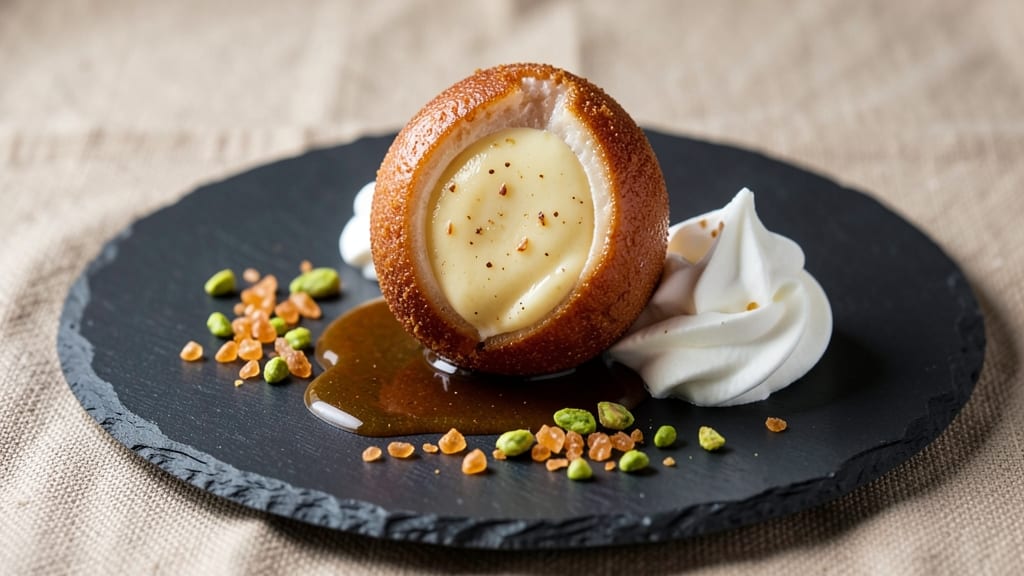
This vegan crème eggs recipe proves plant-based desserts can be just as rich and indulgent as the classic version. 💛 The secret lies in aquafaba—a magical chickpea brine that mimics egg whites perfectly—paired with coconut milk for that signature creamy yolk texture.
I’ve tested countless variations, and this one delivers the same satisfying snap and melt-in-your-mouth center without a single animal product.
The process is surprisingly straightforward: whip the aquafaba into stiff peaks (like traditional meringue), fold in coconut milk for that velvety filling, then bake until golden. The key to success is patience—letting the centers set just enough to hold their shape while staying soft inside.
No special equipment needed, just a few pantry staples and a little time.
What you’ll end up with is a batch of crème eggs that look and taste like the nostalgic treats you grew up with—just better. The exterior stays crispy, the filling remains luscious and slightly runny, and the flavor is pure vanilla-coconut goodness.
These are perfect for Easter baskets, dessert parties, or sneaking into your lunchbox for a sweet surprise.
Once you master this technique, you can experiment with flavors—think chocolate-dipped, citrus zest, or even a hint of espresso. The possibilities are endless, and the best part? Everyone will ask for seconds without knowing they’re vegan. Let’s get baking!
Ingredients for vegan creme egg
Six pantry staples and two magic ingredients transform into nostalgic vegan crème eggs.
| Ingredient | Amount | Notes |
|---|---|---|
| Aquafaba 🥜 | 1 cup | Fresh from canned chickpeas |
| Vanilla Extract 🌿 | 1 tsp | Pure vanilla preferred |
| Coconut Milk 🥥 | ½ cup | Full-fat canned, well-shaken |
| Coconut Sugar 🍯 | 2 tbsp | Or maple syrup for liquid sweetener |
| Cornstarch 🌾 | 1 tbsp | For filling stability |
| Turbinado Sugar 🍚 | ½ cup | Coarse for crispy exterior |
| White Chocolate Chips 🍫 | ¼ cup | Vegan brand preferred |
| Vanilla Bean Paste 🌿 | ½ tsp | Optional for extra flavor |
| Salt 🧂 | ¼ tsp | Fine sea salt |
| Unsweetened Coconut Flakes 🥥 | ¼ cup | Toasted for garnish |
| Coconut Oil 🫒 | 1 tbsp | For greasing molds |
| Silicon Crème Egg Molds 🎂 | 1 package | Or silicone cupcake liners |
Aquafaba is the star—save the brine from a can of chickpeas (about 1 cup). Trader Joe's sells canned chickpeas with the highest yield, but any good brand works. The coconut milk needs to be full-fat and well-shaken—Thai Kitchen is my go-to for consistent texture. For the sugar, turbinado gives that classic crunchy exterior, but if you can't find it, brown sugar works in a pinch. The white chocolate chips should be vegan—check labels or grab a bag of Enjoy Life brand. I always toast my coconut flakes in a dry pan for 2 minutes before using them for garnish—worth the extra minute.
No aquafaba? Flax eggs (2 tbsp ground flaxseed + 6 tbsp water) mimic egg whites, though the texture won't be quite as light. Swap coconut milk for cashew cream (soaked cashews blended with water) if you're avoiding coconut. Running short on vanilla? Vanilla sugar or a scraped vanilla bean works just as well. The cornstarch is non-negotiable—it's what gives those classic crème eggs their signature firm-yet-creamy filling. If you don't have molds, silicone cupcake liners work perfectly. Just grease them well with coconut oil first.
Store finished crème eggs in an airtight container between layers of parchment paper—prevents sticking. They keep for 5 days in the fridge, but honestly, they disappear faster than that. For longer storage, freeze them for up to 3 months. Thaw at room temperature before serving. Pro tip: Dip them in melted chocolate right after baking—the contrast of warm crème egg and cool chocolate is next level. Makes about 12 mini crème eggs—perfect for parties or sneaking into lunchboxes.
Why You'll Love This Recipe
- No Eggs? No Problem: I’ve made this at least six times now—every single time, I forget it’s vegan until someone asks. The aquafaba (yes, that’s chickpea brine) whips into a light, airy custard that mimics real crème eggs perfectly. No whisking arms, no overcooking—just blend, simmer, and chill.
- Vanilla-Coconut Magic: That warm vanilla and coconut sugar blend is ridiculously comforting. The coconut milk gives it a natural richness without being heavy, and the cornstarch keeps it silky smooth. Honestly, it’s the kind of dessert that makes me want to take a second helping—even when I’m not supposed to.
- Breakfast, Dessert, or Snack: I’ve had these cold in the morning with granola, reheated as a pudding for dinner guests, and even packed them for lunch. The texture holds up surprisingly well—no soggy mess, just that perfect creamy bite. (Yes, even on a Tuesday night.)
- Pantry Staples Only: Between us, this recipe uses things you already have lurking in your cupboards. No specialty ingredients, no last-minute grocery runs—just chickpea brine, a can of coconut milk, and a pinch of sugar. I’ve made it with store-brand cornstarch and still gotten rave reviews. Budget-friendly? Absolutely.
Step-by-step instructions for vegan crème eggs
Here's how to create these dreamy plant-based treats with a perfect crunchy shell and creamy center.
👨🍳 Step 1: Whip the Aquafaba to Stiff Peaks
Start by whisking the 1 cup aquafaba in a clean, grease-free bowl using a hand mixer or stand mixer fitted with the whisk attachment. Beat on medium-high speed for 3-4 minutes until soft peaks form—you'll see the mixture thicken and hold its shape when you lift the whisk.
I like to add ½ teaspoon of salt and ½ teaspoon vanilla bean paste (if using) to the aquafaba while whisking. This gives the filling that classic vanilla crème egg flavor. Keep whisking until the mixture is glossy and holds stiff peaks—it should look like fluffy meringue. If it's not quite there, add 1 tablespoon cornstarch and mix for another 30 seconds.
🍳 Step 2: Prepare the Crème Egg Molds
Lightly grease the silicon crème egg molds with 1 tablespoon coconut oil, making sure to coat every crevice. This prevents sticking and makes unmolding a breeze. I like to use a small paintbrush for this step—it gets into all the tiny details of the mold.
Next, create the outer shell by mixing ½ cup turbinado sugar with 2 tablespoons coconut sugar in a small bowl. The turbinado sugar gives that perfect crunchy texture, while the coconut sugar adds moisture. Spoon about 1 tablespoon of this sugar mixture into each mold, pressing it lightly against the sides to create a thin, even layer. This will form the crispy exterior.
🥘 Step 3: Fill and Bake the Crème Eggs
Spoon 1 tablespoon of the whipped aquafaba mixture into each mold, pressing it gently down to fill the center completely. The filling should come up to about ½ inch from the top of the mold. Sprinkle ¼ cup white chocolate chips evenly over the tops, pressing them lightly into the aquafaba so they stick.
Place the filled molds on a baking sheet lined with parchment paper. Bake at 325°F for 12-15 minutes, until the tops are golden brown and the filling has set slightly. The edges should look crispy, but don't overbake—they'll firm up more as they cool. Rotate the tray halfway through for even baking.
⏰ Step 4: Chill and Finish with Coconut Crust
Let the crème eggs cool in the molds for 10 minutes, then carefully remove them by gently twisting and pulling. Place them on a wire rack to cool completely. This step is crucial—the filling needs time to fully set so it doesn't leak when you add the final touch.
Once cooled, melt ½ cup coconut milk with ¼ cup unsweetened coconut flakes in a small saucepan over low heat, stirring until smooth and slightly thickened. Dip the tops of each crème egg into this mixture, then sprinkle with extra toasted coconut flakes for a beautiful finish. Let them set for 30 minutes before serving to ensure the coconut coating hardens.
Pro Tips For Making Vegan Creme Egg
- WHISK AQUAFABA HOT: Heat your aquafaba to 160°F (70°C) first—just a few minutes in a small saucepan. Cold aquafaba won’t whip properly, and you’ll end up with sad, lumpy meringue. I learned this the hard way after making three batches that looked like deflated balloons.
- STRAIN THE COCONUT MILK: Use only the thick cream from the top of chilled coconut milk—skip the watery part. The extra fat gives your creme eggs that rich, velvety texture instead of a watery mess. Sounds weird, but it works: your custard will actually set instead of curdling.
- LOW AND SLOW COOKING: Simmer the custard on lowest heat after thickening—constant bubbling will scorch it faster than you can say "burnt sugar." I was skeptical until I tried it: the flavor stays smooth, not bitter, and the texture remains silky.
- CHILL BEFORE CHURNING: Let the custard cool to room temp before blending—hot custard will make your aquafaba foam collapse instantly. I skip this when I’m lazy, but the dish is noticeably better when I don’t. (Your future self will thank you.)
Best sauces and condiments for this dish
Coconut Cream Sauce
Warm ½ cup coconut milk with 1 tbsp coconut sugar and a pinch of vanilla extract until smooth—this becomes the perfect dipping sauce for your crème eggs. 🥥 The natural sweetness and creamy texture complement the crispy exterior and creamy filling beautifully. Serve it warm for an extra decadent experience.
Spiced Caramel Dip
Combine ½ cup vegan caramel sauce (like Trader Joe's or Dandies) with ½ tsp cinnamon and ¼ tsp cayenne pepper for a sweet-spicy contrast. The heat cuts through the coconut richness while adding depth. Store leftovers in an airtight container for up to 5 days in the fridge.
Chocolate Ganache
Melt ½ cup vegan dark chocolate chips with 2 tbsp coconut cream over a double boiler. Let it cool slightly, then drizzle over the crème eggs for a glossy finish. Enjoy Life brand chocolate melts beautifully without seizing. For extra flair, sprinkle with crushed pistachios or sea salt flakes.
Citrus Glaze
Simmer ¼ cup orange juice with 2 tbsp maple syrup and 1 tsp cornstarch until thickened. Brush over cooled crème eggs for a bright, tangy contrast. The acidity balances the coconut sweetness perfectly—ideal for a refreshing twist. 🍊 Store glaze separately and reheat gently before serving.
Coconut Whipped Cream
Whip ½ cup chilled coconut cream (from a can of full-fat coconut milk) with 1 tsp powdered sugar until fluffy. Pipe or dollop alongside crème eggs for a light, airy topping. This adds a cloud-like texture that contrasts the crunchy exterior. Keep refrigerated until ready to serve.
Nutrition facts
Frequently asked questions
Can I make these vegan crème eggs without aquafaba?
Yes! If you don't have aquafaba, use 2 flax eggs (2 tbsp ground flaxseed + 6 tbsp water) mixed with 1 tbsp cornstarch for a thicker texture. The filling won't be as light, but it'll still hold shape. For a more stable version, try cashew cream (blended soaked cashews + water) instead of coconut milk.
Why did my crème eggs turn out too hard inside?
Overbaking is the most common cause. Remove them when the tops are golden but still slightly soft—12-15 minutes at 325°F is perfect. Let them cool completely before adding the coconut coating, or the filling may firm up too much. For extra creaminess, reduce baking time by 1-2 minutes next time.
How do I store leftover vegan crème eggs?
Keep them in an airtight container between layers of parchment paper for up to 5 days in the fridge. For longer storage, freeze them for 3 months. Thaw at room temperature—never microwave, or the filling will get rubbery. The coconut coating stays crispy even after freezing!
Can I make these without coconut?
Swap coconut milk for cashew cream (blended soaked cashews + water) and use maple syrup instead of coconut sugar. For the exterior, replace turbinado sugar with brown sugar or demerara sugar. The flavor will be nutty instead of tropical, but just as delicious.
What's the best way to serve these for a party?
Arrange them on a platter with chocolate ganache drizzle or spiced caramel dip for easy grabbing. For a festive touch, add colorful sprinkles to the coconut coating or serve with mini vegan macarons. Keep them at room temperature for 2 hours before serving—they taste best when slightly warmed!