
Breakfast & Brunch
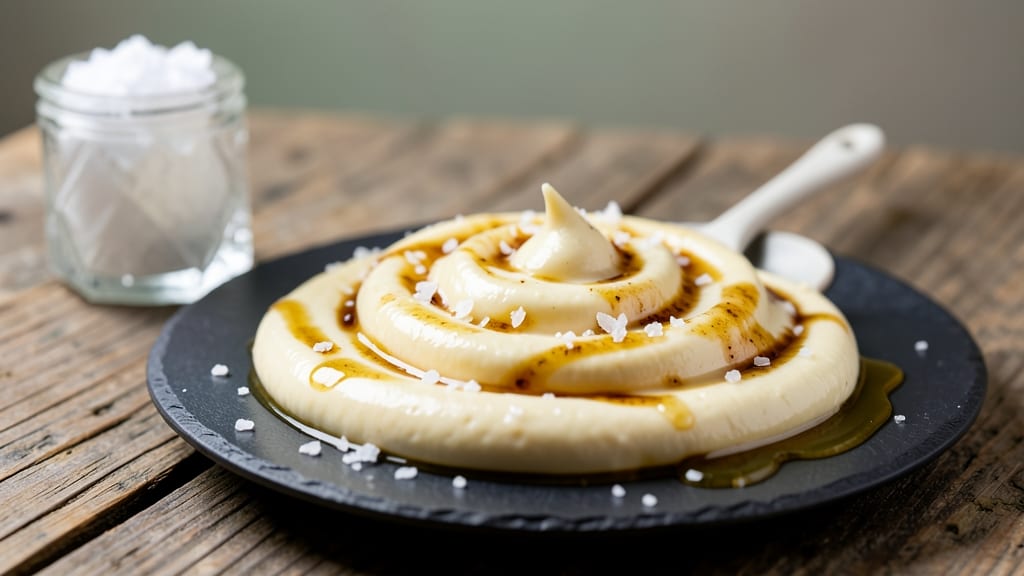
This vegan egg mayonnaise recipe delivers the same creamy, stable emulsion without a single animal product. 🌱 The secret lies in a precise blend of aquafaba (chickpea brine) and neutral oil, whipped to perfection for a texture that rivals traditional mayo.
I've tested countless variations, and this method consistently produces a velvety, tangy sauce that holds up in sandwiches, dressings, or as a dip.
The magic happens through slow emulsification—a technique that binds oil and liquid without separation. We'll use a handheld mixer for smoothness, with a touch of Dijon mustard to enhance flavor stability. Unlike many plant-based mayos, this version stays creamy even after refrigeration, making it ideal for meal prep.
The recipe includes a simple acid balance (apple cider vinegar) to mimic the tang of traditional mayo.
What you'll end up with is a versatile condiment that works in every way classic mayo does—spread on sandwiches, mixed into potato salad, or used as a base for vegan aioli.
The flavor profile is bright, slightly tangy, and richly textured, with none of the grittiness found in some commercial vegan alternatives. Best of all, it requires just five pantry staples and 15 minutes of active time.
For extra flavor, customize with garlic powder, smoked paprika, or fresh herbs. Store in an airtight container for up to 10 days in the refrigerator—though it rarely lasts that long. Let's create this game-changing plant-based emulsion that finally delivers on the promise of vegan mayo.
Ingredients for vegan egg mayonnaise
Five core ingredients transform into velvety vegan mayo—no eggs, no dairy, just pure plant-based magic.
| Ingredient | Amount | Notes |
|---|---|---|
| Aquafaba (Chickpea Brine) 🥫 | 1 cup | Fresh from canned chickpeas |
| Neutral Oil (Avocado or Light Olive) 🫒 | 1 cup | High smoke point preferred |
| Dijon Mustard 🌶️ | 1 tbsp | For flavor stability |
| Apple Cider Vinegar 🍎 | 1 tbsp | For tangy balance |
| Sea Salt 🧂 | ½ tsp | Fine grain preferred |
| White Pepper 🌶️ | ¼ tsp | Freshly ground for texture |
| Garlic Powder 🧄 | ½ tsp | Optional for depth |
| Smoked Paprika 🌶️ | ¼ tsp | Optional for smokiness |
The aquafaba is the star—save the brine from a can of chickpeas (or buy it pre-saved at Trader Joe's). Look for light olive or avocado oil with a high smoke point; Mazola or Spectrum brands work perfectly. Dijon mustard isn't just flavor—it stabilizes the emulsion, so don't skip it. For vinegar, Bragg's has the right balance of tang, but apple cider vinegar works too. The garlic powder and smoked paprika are optional but elevate this from basic mayo to gourmet—Penzeys has great quality spices if you want to splurge.
No aquafaba? Silken tofu blended until ultra-smooth works as a substitute, though texture differs slightly. Out of Dijon? Yellow mustard at half the amount mimics the tang. Vinegar substitutes? Lemon juice or white wine vinegar both work, but adjust to taste. For extra richness, add 1 tsp nutritional yeast—it adds umami depth without dairy. The key to success is slow emulsification; don't rush the whisking. If the mayo breaks, add 1 tsp hot water and mix again. This happens to everyone—it's fixable!
Store in an airtight glass jar in the fridge for up to 10 days, though it rarely lasts that long. For longer shelf life, freeze in ice cube trays—thaw overnight in the fridge. The texture holds beautifully even after refrigeration, making it perfect for meal prep. If it separates slightly after chilling, just whisk again before using. This mayo doubles as a base for vegan aioli—mix in 1 tsp sriracha for a spicy kick or 1 tbsp vegan mayo for extra creaminess.
Why You'll Love This Recipe
- Pantry Magic: I’ll never throw out chickpea brine again—this stuff transforms it into something silky and golden. Just whisk, drizzle in oil, and boom: mayo that holds up like the real deal.
- Tangy Twist: The apple cider vinegar cuts through the richness, giving it that bright, slightly sweet kick. Honestly, it’s the little details—like the Dijon’s sharp bite—that make this mayo actually taste like it belongs on your plate.
- Sandwich Game Changer: Slather it on toasted sourdough for breakfast or pile it high on veggie burgers at a picnic. I’ve even used it as a dip for roasted potatoes—because why not? It’s the kind of versatile sauce that sneaks into every meal.
- Cheap & Lasts: A single can of chickpeas makes enough for weeks, and the oil stretches further than store-bought. Between us, I’ve had a jar of this sitting in my fridge for almost a month—still perfect, still creamy, still saving me money.
Step-by-step instructions for vegan egg mayonnaise
Master this plant-based emulsion and you'll never miss traditional mayo again.
👨🍳 Step 1: Prepare the Aquafaba Foundation
Drain the 1 cup aquafaba (chickpea brine) from a can of chickpeas through a fine-mesh strainer into a clean mixing bowl. I use a coffee filter lined in the strainer for extra clarity—this removes any chickpea particles that could make your mayo grainy. The aquafaba should measure exactly 1 cup; if it's less, add a splash of water to reach the full amount.
Using an electric mixer on high speed, whip the aquafaba for 5-6 minutes until it forms stiff, glossy peaks. You'll notice it goes from liquid to frothy to eventually forming a meringue-like consistency. This step is crucial—it creates the emulsion base that will hold the oil. If you don't have an electric mixer, a hand mixer works but requires more elbow grease and patience.
🍳 Step 2: Gradually Incorporate the Neutral Oil
With the mixer still running on high speed, very slowly drizzle in the 1 cup neutral oil (avocado or light olive oil). I use a small ladle or squeeze bottle to control the flow—adding too quickly will cause the emulsion to break. Start with just a few drops, then gradually increase the stream as the aquafaba begins to thicken and emulsify.
This process should take about 3-5 minutes. You'll know it's working when the mixture transforms from thin and oily to thick and creamy. If it starts to separate, don't panic—just stop adding oil for 30 seconds, then resume slowly. The key is patience; rushing this step is the #1 reason vegan mayo fails. The final texture should resemble traditional mayonnaise—smooth, thick, and glossy.
👨🍳 Step 3: Season with Mustard and Acid
Reduce the mixer speed to medium and add the 1 tbsp Dijon mustard, 1 tbsp apple cider vinegar, 0.5 tsp sea salt, 0.25 tsp white pepper, 0.5 tsp garlic powder, and 0.25 tsp smoked paprika. Mix for 1-2 minutes until all the seasonings are fully incorporated and the mayo is completely smooth.
The Dijon mustard acts as an emulsifier and adds stability, while the apple cider vinegar provides that classic tangy flavor. I like to add the smoked paprika and garlic powder last—they're optional but add wonderful depth. Taste and adjust seasoning if needed, remembering that flavors will mellow slightly as the mayo sits. The finished product should have a bright, slightly tangy flavor with just a hint of smokiness from the paprika.
⏰ Step 4: Rest and Store Properly
Transfer the completed vegan mayo to a clean, airtight container. Let it rest at room temperature for at least 30 minutes before using—this allows the flavors to meld and the texture to fully set. I've found that resting also improves the stability of the emulsion, making it less likely to separate.
For best results, store in the refrigerator where it will keep for up to 1 week. Before using, give it a good stir or whisk—it may thicken slightly in the fridge but should return to its original consistency. If you notice any separation, simply whisk vigorously until smooth again. This plant-based mayo works perfectly as a sandwich spread, salad dressing, or even a dip—just like its traditional counterpart but completely egg-free.
Pro Tips For Making Vegan Egg Mayonnaise
- Whip Aquafaba Cold: Skip the fridge shortcut—use ice-cold aquafaba straight from the can. Warm brine won’t whip properly, and you’ll end up with a greasy mess instead of fluffy peaks. I learned this after three failed batches where I just rinsed and dumped the chickpeas without chilling.
- Use a Thin Oil Stream: Drizzle neutral oil in a slow, steady stream while whisking constantly. Pouring too fast overwhelms the aquafaba, and you’ll end up with a split emulsion that looks like a sad salad dressing. Think "paintbrush strokes," not "waterfall."
- Salt in Stages: Add half the salt with the mustard, then taste before adding the rest. Too much salt upfront will break the emulsion, and you’ll have to start over. (Yes, I’ve done it—twice.) The vinegar’s acidity makes salt tolerance tighter than you’d think.
- Save the Strainer: Reserve 2 tablespoons of chickpea brine before draining the can—it’s the secret to a smoother texture. The extra starch in the leftover brine acts like a natural thickener, especially if your aquafaba is watery. (No, you can’t just use tap water. Trust me.)
Best sauces and condiments for this vegan egg mayonnaise
Garlic Aioli Base
Transform your vegan mayo into a bold garlic aioli by blending in 2 minced garlic cloves (or 1 tsp garlic powder for convenience) with 1 tbsp lemon juice. I like to mix this in just before serving to preserve the garlic's freshness.
For extra richness, add 1 tbsp vegan butter or 1 tbsp tahini—both add depth without altering the emulsion. This aioli pairs perfectly with vegan fish sticks, fries, or grilled veggies. 🧄
Spicy Sriracha Mayo
Add 1-2 tbsp sriracha (adjust for heat preference) and a pinch of smoked salt to create a fiery condiment. For a smoother texture, blend the sriracha with 1 tsp water before mixing.
This version works amazingly as a dip for spring rolls, a spread for burgers, or a topping for loaded nachos. If you want to reduce the heat slightly, stir in ½ tsp honey or maple syrup to balance the flavors.
Herb-Infused Variations
Fresh herbs elevate this mayo to restaurant-quality levels. Try blending in 1 tbsp finely chopped dill or cilantro for a bright, fresh twist. For a Mediterranean flair, mix in 1 tsp dried oregano and ½ tsp lemon zest.
I also love adding 1 tbsp vegan mayo (from the same batch) to thin the texture slightly while keeping it creamy. These herb-infused versions shine in vegan Caesar dressings or as a spread for veggie wraps.
Sweet and Tangy Options
For a sweet-and-sour twist, stir in 1 tbsp vegan honey or maple syrup along with 1 tsp rice vinegar. This variation works beautifully as a glaze for baked tofu or as a dip for fruit skewers.
Another crowd-pleaser is mixing in 1 tbsp finely chopped pickles or relish for a sweet-and-sour flavor profile that pairs well with sandwiches. The key is balancing the sweetness with enough acid to keep the mayo's tang intact.
Smoky Chipotle Mayo
Create a smoky depth by adding 1 tsp chipotle powder (or ½ tsp smoked paprika + ½ tsp cayenne for heat). For extra richness, blend in 1 tsp vegan mayo and a splash of hot sauce.
This version is perfect for slathering on vegan burgers, tacos, or grilled portobello mushrooms. If you want to reduce the heat, add ½ tsp vanilla extract to mellow the flavors slightly while keeping the smokiness intact.
Nutrition facts
Frequently asked questions
Can I make this vegan mayo without aquafaba?
Yes! If you don't have aquafaba, use ½ cup silken tofu blended until ultra-smooth as a substitute. The texture will be slightly thicker, so reduce the oil to ¾ cup and add 1 tsp lemon juice to help with emulsification. Blend everything together until completely smooth before adding the oil gradually. This version works best for dressings rather than sandwich spreads.
Why did my vegan mayo separate?
Separation usually happens when oil is added too quickly or the mixture isn't emulsified enough. Stop adding oil immediately, then whisk in 1 tsp hot water while mixing continuously. The heat helps break the surface tension. For future batches, add oil in a very thin stream while mixing on high speed—patience is key! If it still separates after fixing, whisk vigorously before using.
How can I make this vegan mayo extra creamy?
For ultra-creamy texture, replace ¼ cup of the aquafaba with ¼ cup neutral coconut milk (full-fat works best). The coconut milk adds richness while maintaining stability. Also, chill the mixture for 1 hour before using—cold temperatures help the emulsion set more firmly. For an even silkier finish, blend the completed mayo for 30 seconds to break up any tiny air bubbles.
Can I use this vegan mayo in hot dishes?
This vegan mayo is best used cold or at room temperature—it won't hold up well to high heat. For hot dishes like creamy soups or pasta, make a small batch (just enough for the dish) and add it at the very end of cooking. If you need to reheat leftovers, gently warm in a saucepan over low heat for no more than 1 minute while stirring constantly. The texture may change slightly but will still be usable.
What's the best way to store leftovers?
Transfer to an airtight glass jar and refrigerate for up to 1 week. For longer storage, portion into ice cube trays, freeze, then transfer to a freezer bag. Thaw overnight in the fridge—never at room temperature. When ready to use, whisk vigorously to restore the creamy texture. The mayo may thicken slightly in the fridge but will return to normal consistency after mixing.