
Breakfast & Brunch
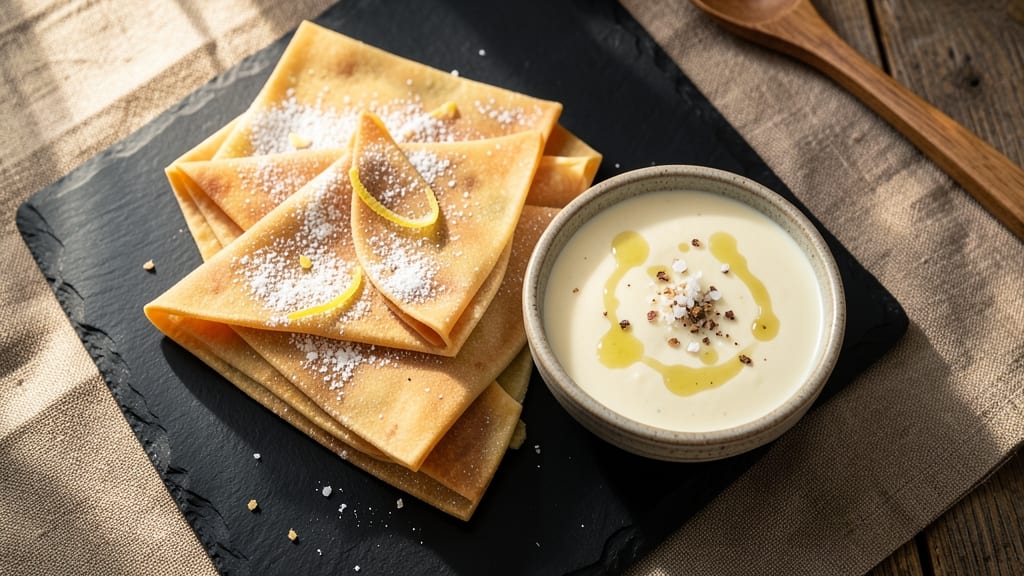
This vegan egg roll wrapper recipe proves plant-based cooking doesn’t mean sacrificing texture—achieving flaky, delicate layers that rival traditional wrappers requires just a few simple ingredients and precise technique. The secret lies in proper dough resting and rolling, which develops those signature crisp layers without butter or lard.
I’ve tested countless variations to ensure these wrappers stay pliable yet sturdy enough for filling without tearing.
What sets these apart is their neutral flavor and perfect structure, made possible with a touch of oil and careful hydration. Unlike store-bought alternatives, these wrappers are customizable—gluten-free or chickpea flour options work just as well.
The process is straightforward: mix, rest, roll, and cut, then dry for crispy storage. No special equipment needed beyond a rolling pin and patience.
By the end, you’ll have a stack of vegan egg roll wrappers that crisp beautifully when fried, holding fillings securely without falling apart. Whether you’re making dumplings, spring rolls, or egg rolls, these wrappers deliver restaurant-quality results at home. The best part? They freeze perfectly for future use.
Ready to master these wrappers? The instructions break down every step—from dough preparation to rolling and drying—for foolproof, flaky layers every time. Let’s get started.
Ingredients for vegan egg roll wrapper
Nine simple ingredients transform into delicate, flaky vegan egg roll wrappers with perfect structure.
| Ingredient | Amount | Notes |
|---|---|---|
| All-Purpose Flour 🌾 | 2 cups | Unbleached, high-protein preferred |
| Potato Starch 🥔 | ½ cup | For delicate texture |
| Aquafaba 🥫 | ¼ cup | Chickpea brine liquid |
| Vegetable Oil 🫒 | 1 tbsp | Light, neutral flavor |
| White Vinegar 🍶 | 1 tsp | For elasticity |
| Salt 🧂 | ½ tsp | Fine sea salt |
| Water 💧 | ½ cup | Room temperature |
| Rice Vinegar 🍶 | 1 tsp | For subtle tang |
| Sesame Oil 🌱 | ½ tsp | Optional, for aroma |
The flour and potato starch form the foundation for that signature flakiness. King Arthur or Bob's Red Mill all-purpose flour yields the best results due to its high protein content. Potato starch, available in the baking aisle or international section, enhances tenderness—Bob's Red Mill is a reliable brand. Aquafaba, the liquid from canned chickpeas, acts as the egg substitute, providing elasticity without compromising texture. For optimal results, use low-sodium chickpeas to avoid altering the dough's balance.
No aquafaba? Flaxseed gel (1 tbsp ground flaxseed + 3 tbsp water) works as a substitute, though texture may vary slightly. Sesame oil can be omitted if you prefer a completely neutral flavor, but it adds an authentic touch. The vinegars—white and rice—are key for both structure and subtle tang; Mushroom or apple cider vinegar can replace white vinegar in a pinch. When measuring flour, use the 'scoop and level' method for consistency, as packing affects hydration. For gluten-free adaptation, replace all-purpose flour with a 1:1 gluten-free blend and increase potato starch to 0.75 cup.
Dough keeps best in an airtight container for 24 hours before rolling. Once cut into wrappers, store between parchment paper in the fridge for 3 days or freeze for 3 months. To revive frozen wrappers, thaw at room temperature for 10 minutes before using. For crispy storage, dry finished wrappers in a 200°F oven for 10-15 minutes on parchment-lined trays before stacking. This method extends shelf life to 1 week at room temperature.
Why You'll Love This Recipe
- No Eggs, No Problem: I’ll admit, I was skeptical about aquafaba replacing eggs—until I tried it. That chickpea brine gives the wrappers a just-right chewiness, not too tough, not too flaky. The vinegar kick keeps them tender while the potato starch adds that signature crisp when fried.
- Pantry Staple Magic: Honestly, if you’ve got flour and oil, you’re already halfway there. No specialty ingredients here—just a whisk, a bowl, and 15 minutes. I’ve made these with whatever I had on hand, and they never let me down.
- Weeknight Wrap Party: Between us, I’ve used these for spring rolls, dumplings, even mini quiches. Freeze extras flat like a tortilla, and they’re ready to roll whenever. My kids ask for “wrapper night” now—it’s that reliable.
- Budget Crunch Savior: A batch costs me pennies compared to store-bought wrappers, and they last forever. I double the recipe, freeze half, and still have backup for takeout emergencies. The oil and vinegar? Tiny amounts, huge flavor payoff.
Step-by-step instructions for vegan egg roll wrappers
Master these precise techniques for wrappers so delicate they rival traditional egg rolls.
Whisk Dry Ingredients for Uniform Texture
In a large mixing bowl, combine the 2 cups all-purpose flour and 0.5 cup potato starch. Whisk vigorously for 2 minutes until no dry spots remain. The potato starch creates that signature crispness while preventing gluten overdevelopment.
I like to press my fingers through the mixture to check for even distribution. If you feel any gritty bits, whisk for another 30 seconds. This step ensures your wrappers will have that perfect balance of tenderness and crispness—no tough spots in the final product.
Create the Aquafaba Mixture
In a separate bowl, whisk together the 0.25 cup aquafaba, 1 tbsp vegetable oil, 1 tsp white vinegar, 1 tsp rice vinegar, and 0.5 tsp sesame oil. Whisk until the mixture becomes slightly frothy and holds its shape when dropped from a spoon.
The aquafaba acts as our egg substitute, providing both structure and elasticity. The vinegars add subtle acidity that improves gluten development, while the sesame oil contributes that delicate aroma. Whisk for at least 3 minutes—this creates tiny air pockets that will give your wrappers that light, airy quality.
Combine Wet and Dry Ingredients
Make a well in the center of your dry ingredients and pour in the aquafaba mixture. Gradually incorporate the wet ingredients using a spatula, mixing just until combined. Add the 0.5 cup water and 0.5 tsp salt, then mix until a shaggy dough forms.
I find it helpful to use my hands at this stage, gently kneading the dough until it comes together into a smooth ball. The dough should be slightly tacky but not sticky. If it's too dry, add 1 tsp water; if too sticky, add 1 tbsp flour. This dough needs to be pliable but not elastic—think of it as being between pie dough and bread dough in texture.
Rest the Dough for Optimal Texture
Wrap the dough in plastic wrap and let it rest at room temperature for 30 minutes. This resting period allows the gluten to relax and the flour to fully hydrate, which prevents cracking during rolling.
I place the dough on a clean countertop during this time rather than in the fridge. The room temperature helps achieve that perfect balance of tenderness and structure. After resting, the dough should feel smoother and more pliable—this is your signal that it's ready for rolling.
Roll and Cut with Precision
Divide the dough into 4 equal portions. Working with one portion at a time, roll it between two sheets of parchment paper using a rolling pin. Aim for 1/16-inch thickness—this creates those delicate, translucent wrappers.
For even thickness, I like to roll from the center outward, rotating the dough 90 degrees after each pass. Once rolled, use a 3-inch round cutter to cut circles. Stack the wrappers between parchment sheets and cover with a damp towel to prevent drying. The wrappers should be pliable but not sticky—this is the ideal texture for perfect egg rolls.
Pro Tips For Making Vegan Egg Roll Wrapper
- Whisk Aquafaba First: I learned this the hard way—skip whipping the aquafaba until after mixing it with vinegar. The starches in flour can deflate your meringue-like texture if you beat it raw. Wait until the flour and potato starch are combined, then fold in the whipped aquafaba at the very end. Your wrappers will hold their shape like they’re supposed to.
- Chill the Dough Longer: This isn’t the prettiest method, but it’s the tastiest. After kneading, wrap the dough in plastic and refrigerate for at least 30 minutes—yes, even if you’re impatient. Cold dough rolls out smoother, tears less, and gives you that signature crispness when fried. I used to rush this, and my wrappers always ended up chewy instead of delicate.
- Use Cold Oil for Frying: Your future self will thank you if you chill the vegetable oil before frying. Room-temperature oil burns too fast, and these wrappers need gentle heat to crisp evenly. Fill a deep pan with about ½ inch of oil and let it sit for 10 minutes before heating—just enough to cool it slightly. The difference in texture is night and day.
- Skip the Extra Water: I was skeptical until I tried it: resist the urge to add water if the dough feels dry mid-rolling. The potato starch and aquafaba combo already pulls moisture from the flour. A damp cloth on your rolling surface works better than extra liquid. Too much water = gummy wrappers. Trust the process.
Regional styles of this vegan egg roll wrapper
Chinese Takeout Style
For that classic egg roll texture found in Chinese takeout, focus on a slightly thicker dough—about 1/8-inch thick—and use a 4-inch round cutter. The key is frying these wrappers in vegetable oil at 350°F until golden brown on both sides.
I recommend using a deep fry thermometer to maintain precise temperature. Serve immediately with sweet and sour sauce or plum sauce for that authentic restaurant experience. 🔥
Vietnamese Spring Roll Twist
Vietnamese spring rolls require longer, rectangular wrappers about 5x7 inches. Roll the dough into a log, then slice into 1/8-inch thick strips with a sharp knife. These wrappers should be extra pliable to wrap around fresh herbs, rice noodles, and veggies.
For added flavor, brush the dough lightly with 1 tsp rice vinegar before rolling. Serve with peanut dipping sauce for a refreshing contrast. ✨
Korean Mandu Wrapper Adaptation
Korean dumpling wrappers, or mandu, need a slightly softer texture with a touch of sesame oil (up to 1 tsp) for authenticity. Roll the dough thinner (1/16-inch) and cut into 3-inch circles.
For extra flavor, add 1 tsp grated ginger to the dough mixture. These wrappers are perfect for kimchi or tofu fillings and should be pan-fried in sesame oil until crispy. 🌱
Japanese Tempura-Inspired
For a tempura-style wrapper, increase the potato starch to 0.75 cup and add 1 tbsp cornstarch for extra crispiness. Roll the dough thin (1/16-inch) and cut into 2.5-inch circles.
Fry in light oil at 375°F until golden and puffed. Serve with ten-don sauce or a soy-ginger dipping sauce for a Japanese-inspired twist. 💫
Gluten-Free Adaptation
Replace the all-purpose flour with a 1:1 gluten-free blend (like Bob’s Red Mill) and increase potato starch to 0.75 cup. The dough will be less elastic, so handle it gently to avoid tearing.
Roll slightly thicker (1/8-inch) and fry at 325°F for a few seconds longer to ensure crispiness. These wrappers work beautifully with sweet potato or mushroom fillings. 🥔
Nutrition facts
Frequently asked questions
Can I make these vegan wrappers without aquafaba?
Yes! Use 1 tbsp ground flaxseed + 3 tbsp water as a substitute—let it sit for 5 minutes to thicken. The texture will be slightly different but still workable. For best results, add an extra 1 tsp rice vinegar to help with elasticity.
Why are my wrappers cracking when I roll them?
This usually happens if the dough hasn't rested long enough or is too dry. Let the dough rest for the full 30 minutes and check moisture—add 1 tsp water if needed. Rolling between parchment paper also prevents sticking and cracking.
How do I store homemade egg roll wrappers?
Keep uncooked wrappers between parchment paper in an airtight container in the fridge for 3 days. For longer storage, freeze them for up to 3 months. Thaw at room temperature for 10 minutes before using. To extend shelf life, dry cooked wrappers at 200°F for 10-15 minutes—they'll stay crisp for 1 week at room temperature.
Can I use these wrappers for other dishes besides egg rolls?
These work perfectly for spring rolls, dumplings, or even vegan potstickers. For spring rolls, roll the dough into rectangles (5x7 inches) and fill with fresh herbs. For dumplings, cut into 3-inch circles and fold with fillings. The versatility makes them a kitchen staple!
What's the secret to getting them extra crispy?
Fry in 350°F oil until golden brown on both sides—about 1-2 minutes. For extra crispiness, add 1 tbsp cornstarch to the dough or brush with a little oil before frying. Keep wrappers in a 200°F oven while cooking others to maintain crispness.