
Breakfast & Brunch
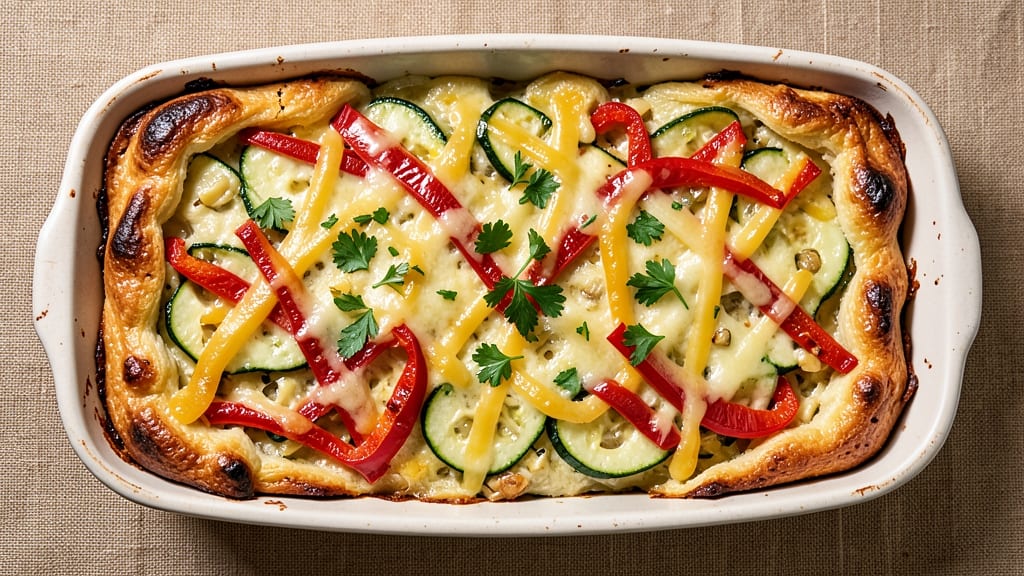
This vegetable egg loaf recipe transforms humble ingredients into a satisfying, protein-rich dish that rivals traditional meatloaf. The secret lies in blending finely chopped vegetables with eggs and binding agents, creating a loaf that holds together beautifully while delivering rich, savory flavors.
I developed this recipe after realizing how versatile and nutritious egg-based dishes could be—perfect for breakfast, brunch, or even a light dinner.
The magic happens in the preparation: vegetables like zucchini, bell peppers, and onions are finely diced and sautéed until tender, then combined with beaten eggs and optional dairy for extra creaminess. This method ensures the loaf stays moist and flavorful without needing heavy breadcrumbs or fillers.
The result is a dish that's both hearty and light, with a texture that's satisfyingly firm yet tender.
What makes this loaf truly special is its adaptability—add cheddar cheese for a sharper bite, fresh herbs for brightness, or breadcrumbs for extra texture. Baked until golden and set, it slices neatly and pairs beautifully with toasted bread, a fresh salad, or a tangy tomato sauce.
It's the kind of recipe that proves plant-based meals can be just as comforting as classics.
Ready in under an hour and requiring minimal effort, this vegetable egg loaf is ideal for meal prep or last-minute gatherings. The technique is straightforward, but the results are impressive—proof that simple ingredients can create something truly remarkable. Let's get started!
Ingredients for vegetable egg loaf
Transform simple vegetables and eggs into a loaf with classic meatloaf texture and satisfying savory depth.
| Ingredient | Amount | Notes |
|---|---|---|
| Large Eggs 🥚 | 8 whole | Room temperature, beaten well |
| Zucchini 🥒 | 1 ½ cups | Finely diced, seeds removed |
| Red Bell Pepper 🌶️ | 1 cup | Finely diced, seeds removed |
| Yellow Onion 🧅 | 1 whole | Finely diced, about 1 cup |
| Garlic Cloves 🧄 | 3 cloves | Minced, for depth of flavor |
| Cheddar Cheese 🧀 | 1 cup | Shredded, sharp variety preferred |
| All-Purpose Flour 🌾 | ½ cup | For binding texture |
| Breadcrumbs 🍞 | ½ cup | Panko for extra crunch |
| Fresh Parsley 🌿 | ¼ cup | Chopped, for freshness |
| Kosher Salt 🧂 | 1 ½ tsp | Diamond Crystal preferred |
| Ground Black Pepper 🌶️ | ½ tsp | Freshly ground for best flavor |
| Extra-Virgin Olive Oil 🫒 | 2 tbsp | For sautéing vegetables |
| Vegetable Oil 🫒 | 1 tbsp | For greasing loaf pan |
The vegetables form the heart of this loaf, so freshness matters most. Zucchini and bell peppers should be firm with vibrant color—no mealy spots. Yellow onions work best when crisp; avoid any with sprouting. Grab organic produce from Whole Foods or your local farmers market for peak flavor. The cheddar cheese should be sharp and freshly shredded—pre-shredded often contains anti-caking agents that affect texture. Panko breadcrumbs add the perfect crispness, while all-purpose flour ensures the loaf holds together without falling apart.
No sharp cheddar? Parmesan or Gruyère work beautifully for a different depth of flavor. Substitute dairy-free cheese if needed, though texture may vary slightly. Fresh herbs like basil or chives can replace parsley for a different aroma. Vegetable oil for greasing is non-negotiable—it prevents sticking better than butter. Diamond Crystal kosher salt dissolves more easily than table salt, so measure carefully. Freshly ground black pepper provides a more robust flavor than pre-ground. For extra moisture, add 2 tbsp of Greek yogurt to the egg mixture—it keeps the loaf tender without altering the texture significantly.
This loaf reheats beautifully—wrap in foil and bake at 350°F for 15 minutes to restore moisture. Store leftovers in an airtight container for up to 4 days in the fridge or 3 months in the freezer. Portion before freezing for easy meal prep. Double the recipe and freeze half for busy weeknights. Toasted sourdough pairs perfectly with this loaf, as does a tangy tomato sauce for dipping. Leftovers make great sandwiches—slice and serve on crusty bread with a smear of mustard.
Why You'll Love This Recipe
- No Chopping Chaos: I swear by this recipe—just grate the zucchini raw (no draining needed) and dice the bell pepper while the water boils for the eggs. Five minutes of prep, and you’re golden.
- Garlic-Zucchini Magic: That raw garlic and grated zucchini combo? It’s the secret weapon. The zucchini soaks up the egg richness while the garlic infuses every bite—like a savory hug in loaf form.
- Lunchbox Champion: Slice it cold for sandwiches or pack it warm for work lunches. It reheats like a dream and keeps for days, so I always make double. My kids beg for it in their bento boxes.
- Pantry Staple Power: Onions, eggs, and bell peppers are always in my fridge. This loaf costs pennies to make but feels like a fancy brunch dish. Budget-friendly doesn’t mean boring—it means ridiculously good.
Step-by-step instructions for vegetable egg loaf
This method delivers a sturdy, flavorful vegetable loaf with perfect texture—no crumbling, no soggy centers.
Sauté the Vegetable Base
Heat the 2 tablespoons extra-virgin olive oil in a large skillet over medium heat. Add the 1 whole finely diced yellow onion and cook for 4-5 minutes until soft and translucent. This foundational step develops flavor and removes excess moisture from the vegetables.
Add the 1.5 cups finely diced zucchini and 1 cup finely diced red bell pepper to the skillet. Cook for another 5-6 minutes until the vegetables soften and begin to release their juices. Stir occasionally to prevent sticking—this ensures even cooking and prevents burning. Season lightly with ½ teaspoon kosher salt and ¼ teaspoon ground black pepper during this stage to build flavor depth.
Finally, add the 3 minced garlic cloves and cook for 30 seconds until fragrant. The garlic should sizzle gently without browning—this prevents bitterness and ensures a balanced flavor profile. Remove the skillet from heat and let the vegetable mixture cool completely before proceeding. Cooling prevents the eggs from scrambling when mixed later.
Combine Wet and Dry Ingredients
In a large mixing bowl, beat the 8 whole room-temperature eggs until frothy but not fully emulsified. The eggs should be well combined but still slightly ribbony—this creates the proper binding structure for the loaf. Add the 1.5 teaspoons kosher salt and 0.5 teaspoon ground black pepper to the eggs and whisk until evenly distributed.
Gradually fold in the cooled vegetable mixture, the 1 cup shredded cheddar cheese, and the 0.5 cups all-purpose flour using a spatula. The goal is to combine everything gently without overmixing—this preserves the air incorporated during the egg beating. The batter should be thick but pourable, similar to pancake batter in consistency. If it appears too thick, add 1 tablespoon water at a time until it reaches the proper texture.
Stir in the 0.5 cups panko breadcrumbs and 0.25 cup chopped fresh parsley last. The breadcrumbs add structural integrity, while the parsley contributes freshness and color. Fold just until evenly distributed—overmixing at this stage can lead to a dense, rather than light, finished loaf.
Prepare and Bake the Loaf
Preheat your oven to 350°F. Lightly grease a 9x5-inch loaf pan with the 1 tablespoon vegetable oil, ensuring the bottom and sides are well coated. This prevents sticking and makes for easy removal later. Pour the batter into the prepared loaf pan and smooth the top with a spatula.
Bake for 45-50 minutes until the center reaches 160°F on an instant-read thermometer and the top is golden brown. The loaf should spring back slightly when pressed gently with a finger—this indicates proper doneness. If the top browns too quickly, tent the pan with aluminum foil to prevent over-browning while ensuring the interior cooks through.
Remove the loaf from the oven and let it rest in the pan for 10 minutes before inverting onto a wire rack to cool completely. This resting period allows the internal structure to set and makes slicing easier. Serve warm or at room temperature for the best texture and flavor.
Slice and Serve
Once the loaf has cooled completely, use a sharp serrated knife to cut into ½-inch thick slices. The knife should glide through the loaf with minimal resistance—if it feels tough, warm the knife in hot water for a few seconds before slicing. This ensures clean cuts and presents the loaf attractively.
The finished loaf should have a firm, slightly moist interior with a crisp exterior. Each slice should hold its shape when lifted, demonstrating the proper binding of the egg and flour mixture. Serve immediately for the best texture, or store covered in the refrigerator for up to 3 days or freeze for up to 1 month. Reheat slices in a 350°F oven for 5-7 minutes to restore warmth and texture.
Pro Tips For Making Vegetable Egg Loaf
- Sauté Onions Until Golden: I learned this the hard way—skipping the deep caramelization means your loaf will taste flat. Cook those onions for at least 8-10 minutes until they’re soft, sticky, and golden brown. That’s where the sweetness and depth come from, not just the raw flavor.
- Drain Zucchini Twice: The first time I made this, I used straight grated zucchini and ended up with a soggy loaf. After squeezing it in a towel, I still drained it again in a colander for 10 minutes. Wet ingredients = dense loaf. No exceptions.
- Bake at 350°F—Not Hotter: I was impatient and cranked the oven to 375°F once, and the top browned too fast while the center stayed undercooked. Stick to 350°F for even cooking. If you’re worried about browning, tent it loosely with foil halfway through.
- Add a Splash of Milk: This isn’t in most recipes, but trust me—it makes a real difference. After mixing all your veggies and eggs, stir in 2 tablespoons of milk (or even a splash of buttermilk). It keeps the texture tender and prevents that dry, crumbly texture that ruins so many egg loaves.
Essential equipment for great vegetable egg loaf
Loaf Pan Essentials
A 9x5-inch loaf pan is your best friend for this recipe—I recommend a non-stick ceramic pan like the Nordic Ware Natural Aluminum Loaf Pan for even baking and easy release.
The pan's size ensures proper cooking without overflowing, while the ceramic material distributes heat evenly. Avoid glass pans, which can cause uneven browning and longer baking times. 🔥
Mixing Tools
Use a large mixing bowl (at least 8-quart capacity) to accommodate all ingredients comfortably. A flexible silicone spatula (like the OXO Good Grips) is ideal for folding ingredients gently without overmixing.
For beating eggs, a hand mixer with a whisk attachment (such as the KitchenAid KSM150PSER) ensures even frothiness without creating too many air bubbles that could cause cracks in the loaf.
Skillet for Vegetables
Choose a 10-inch cast iron skillet (like the Lodge Pre-Seasoned Cast Iron) for sautéing vegetables. Cast iron retains heat exceptionally well, preventing temperature fluctuations that could lead to uneven cooking.
If you don’t own cast iron, a stainless steel skillet with a heavy base (such as All-Clad Stainless) works well too. Just ensure it’s large enough to hold all vegetables without crowding.
Measuring Precision
Invest in a stainless steel measuring set (like the OXO Good Grips) for accurate measurements—especially for the 8 eggs and ½ cup flour. A digital kitchen scale (such as the Escali Primo) is ideal for measuring the cheddar cheese and breadcrumbs by weight, ensuring consistency.
Precise measurements prevent a loaf that’s too dense or crumbly. ✨
Baking Tools
An instant-read thermometer (like the Thermoworks ThermoPop) is non-negotiable for checking the 160°F internal temperature. A wire cooling rack (such as the SimpleHouseware Collapsible) helps the loaf cool evenly, preventing sogginess.
For slicing, a sharp serrated knife (like the Mercer Culinary Genesis) ensures clean cuts without tearing the loaf’s structure.
Optional Upgrades
For extra crispiness, try a mini loaf pan (like the Wilton 5x3-inch) to bake smaller, individual loaves—perfect for meal prep. A food processor (such as the Cuisinart DFP-14BCY) can quickly chop vegetables if you prefer hands-off prep.
Finally, a parchment paper liner for the loaf pan eliminates the need for greasing and makes cleanup effortless. 💡
Nutrition facts
Frequently asked questions
Can I make this recipe without cheese?
The cheddar adds richness and helps bind the loaf, but you can omit it for a lighter version. Replace it with ½ cup nutritional yeast for a cheesy flavor without dairy, or add ½ cup extra breadcrumbs for texture. The loaf will still hold together but may be slightly less moist.
Why did my loaf turn out crumbly?
Overmixing the egg-vegetable batter is the most common cause. Fold ingredients gently to avoid developing gluten, which makes the texture dense. Also ensure your vegetables are fully cooked and drained to remove excess moisture. For extra binding, add 1 extra egg or 1 tablespoon cornstarch to the batter.
Can I use frozen vegetables?
Fresh vegetables work best for texture, but you can use frozen if needed. Thaw and drain them thoroughly first, then pat completely dry with a paper towel. This prevents a watery loaf. For best results, squeeze out excess moisture by placing the drained veggies in a clean kitchen towel and pressing gently.
How can I make this gluten-free?
Replace the all-purpose flour with ½ cup gluten-free 1:1 baking flour and use ½ cup gluten-free breadcrumbs instead of panko. The texture will be slightly different but still hold together well. Ensure all other ingredients (like cheese) are certified gluten-free to avoid cross-contamination.
What's the best way to reheat slices?
For crispy edges, warm slices in a 350°F oven for 5-7 minutes on a baking sheet. For quick reheating, use a microwave for 20-30 seconds (cover with a damp paper towel to retain moisture). The oven method preserves texture better, while the microwave is faster for busy mornings.