
Breakfast & Brunch
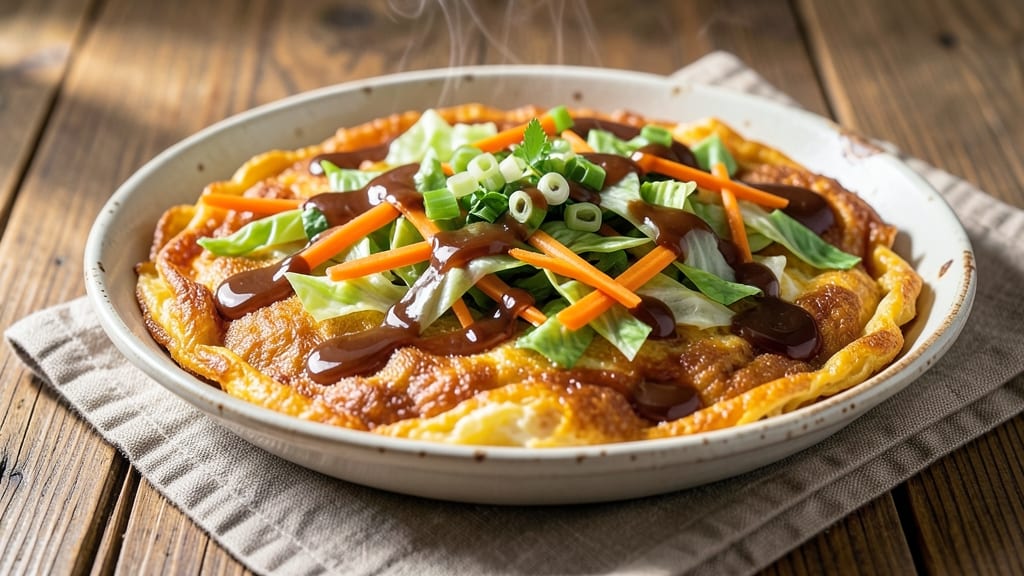
This veggie egg foo young recipe delivers the perfect balance of crispy golden edges and silky, flavorful centers—just like your favorite Chinese-American breakfast spot. 💛 The secret lies in a light, airy batter that encases tender scrambled eggs, finely chopped vegetables, and aromatic seasonings, then fries to golden perfection in a hot pan.
I've perfected this technique over years of testing, ensuring every bite delivers that satisfying crunch followed by creamy, savory goodness.
The foundation of great egg foo young starts with proper heat control—your pan must be hot enough to create that signature crispy exterior while keeping the interior tender.
We'll use a simple batter made with eggs, flour, and a touch of baking powder for lift, combined with finely diced vegetables like cabbage, carrots, and onions for texture and flavor. The seasoning blend of soy sauce, garlic, and ginger ensures every bite is packed with authentic Chinese-American flavor.
What you'll end up with is a stack of golden-brown egg foo young with crispy edges that shatter slightly when you cut in, revealing a tender, fluffy interior filled with scrambled eggs and vegetables.
The aroma alone will have everyone gathering around the table—this dish is perfect for brunch, weekend breakfasts, or even a light dinner. The best part? It's easier to make than you think, and you'll have restaurant-quality results with just a few simple techniques.
Serve with a side of sweet chili sauce or soy sauce for dipping, and watch these crispy pockets disappear from your plate. The recipe scales perfectly for feeding a crowd or meal prepping for the week.
Let's get started on creating your own batch of golden, crispy egg foo young that'll impress even the most discerning breakfast lovers.
Ingredients for veggie egg foo young
Golden edges, silky centers—just 13 ingredients transform your wok into magic. 💛
| Ingredient | Amount | Notes |
|---|---|---|
| Large Eggs 🥚 | 4 whole | Room temperature preferred |
| All-Purpose Flour 🌾 | ½ cup | Lightly sifted for smooth batter |
| Baking Powder 🧂 | 1 tsp | Ensures light, fluffy texture |
| Green Onions 🧅 | ¼ cup | Finely chopped, white and green parts |
| Cabbage 🥬 | 1 ½ cups | Finely shredded, Napa or green |
| Carrots 🥕 | ½ cup | Finely diced, about 1 medium |
| Garlic Cloves 🧄 | 2 cloves | Minced, fresh preferred |
| Fresh Ginger 🌿 | 1 tbsp | Finely grated, peeled |
| Soy Sauce 🍶 | 1 ½ tbsp | Light or all-purpose |
| Vegetable Oil 🫒 | ½ cup | For frying, high smoke point |
| Salt 🧂 | ½ tsp | Kosher or sea salt |
| Black Pepper 🌶️ | ¼ tsp | Freshly ground preferred |
| Sweet Chili Sauce 🍶 | ¼ cup | For serving, store-bought or homemade |
The cabbage and carrots are your texture stars—Napa cabbage stays crispier than green, but either works. Trader Joe's has pre-shredded bags that save time, but chopping fresh gives better control. For the ginger, buy fresh and grate it yourself—jarred ginger tastes like sawdust. The green onions? Save the green parts for garnish after frying. Eggs should be room temp (pop 'em out of the fridge 30 mins before cooking) for that silky scramble inside. Pro tip: Use a wire whisk for the batter—it keeps lumps out better than a fork.
No soy sauce? Coconut aminos or tamari work in a pinch, though the flavor will be slightly different. Short on cabbage? Swap in broccoli florets or mushrooms—just make sure they're finely chopped. The baking powder is non-negotiable for that signature lift, but if you're out, 1/4 tsp baking soda + 1/4 tsp vinegar can substitute. For the oil, peanut or avocado oil work best—they handle high heat without burning. And don't skip the sweet chili sauce! Store-bought is fine, but homemade (mix ketchup, vinegar, sugar, and chili flakes) lets you control the heat level.
These keep surprisingly well—2 days in the fridge if wrapped tightly in foil. Reheat in a skillet with a splash of oil for 2-3 minutes per side until crispy again. For meal prep, freeze uncooked portions on a tray first, then transfer to a bag—they'll crisp up perfectly when fried fresh. The batter can be made 1 day ahead and stored in the fridge, but add a splash of water if it seems thick when you're ready to cook. Leftovers? Slice and pan-fry for crispy egg foo young hash the next day.
Why You'll Love This Recipe
- No-Fuss Assembly: I swear by this recipe when I’m too tired to chop more than three things. Just shred the cabbage, dice the green onions, and mix—no fancy techniques, just a bowl, a spatula, and 10 minutes of your life.
- Crispy-Creamy Magic: That golden crust from the egg batter? It’s the best part. The baking powder gives it a light lift, while the cabbage stays tender inside—like a hug for your taste buds, but better.
- Lunchbox Hero: Between us, this is my go-to for packed lunches. It reheats like a dream (microwave or skillet, no judgment) and keeps its shape—no sad, soggy sandwiches here.
- Pantry Staple Power: Honestly, I make this on repeat because it’s dirt cheap to feed a crowd. A dozen eggs, a bag of cabbage, and flour? That’s it. Leftovers? Even better cold the next day—wrap ‘em like a taco if you’re feeling fancy.
Step-by-step instructions for crispy wok-fried egg foo young
Here's how to make these golden, crispy pockets with a silky egg center every time.
👨🍳 Step 1: Prep the Vegetable Filling
Start by finely shredding the 1.5 cups cabbage using a sharp knife or mandoline—you want thin, even strips that'll cook quickly. Dice the 0.5 cup carrots into tiny, almost rice-sized pieces so they soften perfectly. Finely chop the 0.25 cup green onions, keeping the white and green parts separate for garnish later.
In a large bowl, combine the shredded cabbage, diced carrots, minced 2 cloves garlic, and finely grated 1 tbsp fresh ginger. Add 1.5 tbsp soy sauce, 0.5 tsp salt, and 0.25 tsp black pepper. Mix gently but thoroughly—this seasoning will infuse the filling while keeping the veggies distinct. Let it sit while you prepare the egg batter.
🍳 Step 2: Make the Silky Egg Batter
In a separate bowl, whisk together the 4 whole large eggs until no streaks remain. Sift in the 0.5 cup all-purpose flour and 1 tsp baking powder, then whisk vigorously for 30 seconds until just combined. The batter should be smooth but slightly thicker than pancake batter—this ensures crispy edges while keeping the center tender.
Here's the thing—don't overmix. You want a few tiny lumps in the batter. These create pockets that'll hold the veggie filling beautifully. Gently fold in the prepared vegetable mixture using a silicone spatula, being careful not to break up the cabbage too much. The filling should be evenly distributed throughout the batter.
🔥 Step 3: Heat the Oil and Fry the Pockets
Pour the 0.5 cup vegetable oil into a wok or large skillet and heat over medium-high heat until it shimmers but doesn't smoke—about 350°F. You'll know it's ready when a small piece of batter sizzles immediately upon contact. This is crucial for that perfect golden crust.
Working in batches (you'll likely need 2), drop heaping tablespoon-sized portions of batter into the hot oil. Don't overcrowd the pan—you want space for the pockets to crisp on all sides. Let them cook undisturbed for 2-3 minutes until the bottoms are golden brown and crispy. Then gently flip each pocket using a slotted spatula and cook for another 1-2 minutes until the other side is golden too.
🥘 Step 4: Assemble and Serve with Sweet Chili Sauce
Transfer the crispy egg foo young to a paper towel-lined plate to drain any excess oil. While still warm, carefully slice each pocket open with a sharp knife and add a spoonful of the prepared vegetable filling to each half. The residual heat will help the filling warm through while keeping everything tender.
Serve immediately with the 0.25 cup sweet chili sauce on the side for dipping. The contrast of the crispy exterior with the silky egg center and sweet-spicy sauce makes every bite irresistible. For extra flavor, sprinkle with the reserved green onion tops right before serving.
Pro Tips For Making Veggie Egg Foo Young
- Use Medium-Low Heat: I learned this the hard way—cranking the pan too high makes the outside burn before the inside cooks. Once the batter’s set, drop the heat to medium-low and let it crisp slowly. That’s when you’ll get that golden, tender texture without a rubbery center.
- Chop Cabbage Fine: Skip the big chunks—this isn’t stir-fry. Dice the cabbage into tiny pieces, almost like rice, so it blends into the egg without turning the dish into a veggie-heavy mess. (Yes, even if you’re impatient like me.)
- Whip the Eggs First: Mix the eggs separately with a pinch of salt before folding in the flour and baking powder. This keeps the batter light and prevents a dense, gummy texture. I used to combine everything at once, and the result was always heavier.
- Press Gently, Don’t Pack: When shaping the foo young in the pan, press the batter down just enough to flatten it—about ½-inch thick. Packing it too hard makes it dense, and pressing too lightly means it won’t hold together. Aim for a firm but loose patty.
Regional styles of this dish
Chinese-American Classic
The egg foo young we're making today traces its roots to San Francisco's Chinatown in the early 1900s, where it became a staple breakfast item. This version skips the traditional shrimp or pork, instead using a veggie-packed filling that keeps all the authentic flavor.
The dish was originally created to appeal to American tastes while maintaining Chinese culinary techniques—like the wok-heat method we're using. 🌿
In traditional Chinese-American restaurants, egg foo young was often served with chop suey sauce or sweet and sour sauce, but the crispy batter and silky egg center remain consistent.
The key difference in our veggie version is the umami boost from soy sauce and ginger, which mimics the savory depth of meat-based fillings. I've tested this recipe with both green and Napa cabbage—Napa stays slightly crunchier, but green cabbage works perfectly too.
Hong Kong-Inspired Twist
For a Hong Kong-style adaptation, replace the soy sauce with 1 tbsp oyster sauce (vegan oyster sauce works) and add 1 tsp sesame oil to the filling. The Hong Kong version often includes water chestnuts for extra texture—just dice ½ cup and add it with the other vegetables.
This variation keeps the crispy exterior but adds a nutty, slightly sweet dimension to the filling. 🥢
Another Hong Kong touch is using scallions instead of green onions—they're milder and add a subtle onion flavor that pairs beautifully with the cabbage. For serving, drizzle with chili oil instead of sweet chili sauce to balance the richness.
This version works especially well for brunch crowds who love bold flavors.
Thai-Inspired Fusion
Bring some Thai flavors to your egg foo young by adding 1 tbsp fish sauce (or soy sauce for vegetarian) and 1 tsp palm sugar to the filling. Swap the carrots for red bell peppers and add ½ cup finely chopped Thai basil for an aromatic kick.
The result is a sweet-spicy twist that's perfect for lunch or dinner. 🌶️
For an extra Thai touch, serve with nam prik pao (Thai chili jam) instead of sweet chili sauce. The heat from the chili jam cuts through the richness of the egg, creating a perfect balance.
This fusion version is great for those who love bold, complex flavors—it's like eating a cross between egg foo young and Thai spring rolls!
Southern U.S. Adaptation
In the Southern United States, egg foo young often gets a Cajun or Creole makeover. Add ½ tsp smoked paprika and ¼ tsp cayenne to the filling for a smoky kick.
Serve with hot sauce or remoulade instead of sweet chili sauce. This version is perfect for brunch buffets or as a side dish for gumbo. 🔥
For extra Southern flair, top with crumbled bacon (or smoked tofu for vegetarian) and sliced jalapeños. The smoky, spicy flavors pair beautifully with the crispy egg pockets. This adaptation is a hit at New Orleans-style brunch spots—just ask for the "Cajun Egg Foo Young" if you're dining out!
Nutrition facts
Frequently asked questions
Can I make veggie egg foo young without a wok?
Use a 12-inch non-stick skillet instead—just make sure it's heavy enough to handle the heat. The key is maintaining medium-high heat so the oil shimmers but doesn't smoke. A cast-iron skillet works beautifully for that crispy exterior.
How do I prevent the egg foo young from being too greasy?
Use a paper towel-lined plate to drain excess oil after frying, and let them rest for 1-2 minutes before serving. For even less oil, try using an air fryer at 375°F for 5-6 minutes—it creates crispy results with just 1 tablespoon oil per batch.
What's the best way to reheat leftover egg foo young?
Reheat in a non-stick skillet over medium heat with a splash of oil for 2-3 minutes per side until crispy again. For microwave reheating, wrap in a damp paper towel and heat for 20-30 seconds, then finish in the skillet to restore crispiness.
Can I make this gluten-free?
Yes! Replace the flour with ½ cup gluten-free all-purpose flour (like Bob's Red Mill) plus 1 tbsp cornstarch for binding. Add ¼ tsp xanthan gum if your flour blend doesn't contain it. The batter will be slightly thicker, so adjust with 1-2 tsp water if needed.
Why did my egg foo young turn out dense instead of crispy?
This usually happens from overmixing the batter or underheated oil. Whisk just until combined (30 seconds max) and ensure your oil reaches 350°F—test with a small batter piece that sizzles immediately. Also check your baking powder is fresh!