
Breakfast & Brunch
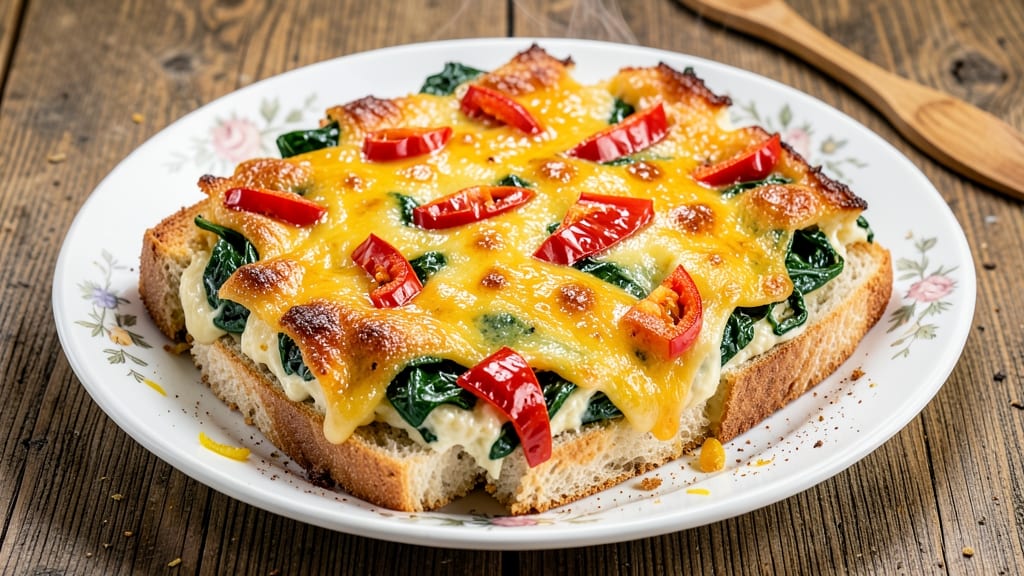
This veggie egg strata recipe transforms simple ingredients into a showstopping breakfast casserole with layers of fluffy eggs, melted cheese, and hidden vegetables that sneak nutrition into every bite. The secret lies in proper layering—starting with soaked bread for structure, then vegetables that soften beautifully during baking, and finally a rich egg mixture that binds everything into golden, custardy perfection. I've perfected this version to deliver restaurant-quality results without requiring fancy techniques or last-minute shopping.
The beauty of this dish is its versatility—swap in your favorite vegetables like spinach, bell peppers, or mushrooms, and it still comes together seamlessly. Baking at 350°F for 35-40 minutes ensures the eggs cook just right: tender yet set, with a lightly browned top that signals it's ready to serve.
The cheese pulls into stretchy strands while the bread absorbs the egg custard, creating a texture that's both hearty and comforting. It's the kind of dish that tastes even better the next day, making it perfect for meal prep.
What makes this strata truly special is how it balances indulgence with nutrition—no one will guess how many vegetables are hiding in those golden layers. The egg mixture creates a rich, custardy base that coats every bite, while the cheese adds depth and creaminess.
This is breakfast that feels like a treat, not a chore, and it's ready to serve straight from the oven when you wake up to the aroma filling your kitchen.
Serve with fresh herbs or hot sauce for extra flavor, and pair with roasted vegetables or a simple salad to round out the meal. The leftovers reheat beautifully, making this an ideal dish for busy mornings or weekend brunches. Let's get started on creating your perfect strata!
Ingredients for veggie egg strata
Six servings of fluffy layers hiding veggies perfectly—no one will guess how good they are for you.
| Ingredient | Amount | Notes |
|---|---|---|
| Large Eggs 🥚 | 8 whole | Room temperature for best mixing |
| Whole Milk 🥛 | 1 ½ cups | Full-fat for creaminess |
| Shredded Sharp Cheddar Cheese 🧀 | 2 cups | Freshly shredded from block |
| Day-Old French Bread 🍞 | 1 loaf | Crusts removed, torn into chunks |
| Spinach Leaves 🌿 | 5 oz | Fresh or thawed frozen |
| Bell Peppers 🧅 | 1 whole | Red or green, diced small |
| Yellow Onion 🧅 | ½ whole | Thinly sliced, about 1 cup |
| Garlic Cloves 🧄 | 3 cloves | Minced for flavor boost |
| Salt 🧂 | 1 ½ tsp | Kosher or sea salt |
| Black Pepper 🌶️ | ½ tsp | Freshly ground preferred |
| Dried Thyme 🌿 | ½ tsp | Or 1 tsp fresh thyme leaves |
| Unsalted Butter 🧈 | 2 tbsp | Melted for bread soaking |
The bread is non-negotiable for texture—day-old French bread gives that perfect structure. Trader Joe's or Whole Foods have great options, but any crusty loaf works. Tear it into 1-inch chunks before soaking—don't worry about perfect shapes. For the cheese, sharp cheddar melts best, but Monterey Jack adds creaminess if you prefer something milder. The spinach can be fresh or frozen—just thaw and squeeze out excess water first. Bell peppers add sweetness, but swap in mushrooms or zucchini if you're feeling adventurous.
No sharp cheddar? Gruyère or Gouda work beautifully—just expect a slightly different flavor. Fresh thyme is ideal, but dried at half the amount gets you close. The milk can be any kind, but whole milk makes the strata richer. For extra flavor, add a pinch of nutmeg or smoked paprika to the egg mixture. If you're short on time, pre-chopped frozen veggies save prep work without sacrificing texture. The eggs should be room temperature—cold eggs make the mixture too thick.
Assemble the strata the night before and refrigerate—it bakes even better the next day. Leftovers keep for 4 days in the fridge, and portions freeze beautifully for 2 months. For meal prep, wrap individual servings in foil before freezing. The bread soaks up the egg custard perfectly overnight, creating that restaurant-quality texture. Store any unused cheese in an airtight container with a slice of bread to absorb moisture—keeps for 3 weeks in the fridge.
Why You'll Love This Recipe
- No-Waste Breakfast: I swear by using day-old French bread—no sad, stale loaf here. That crusty exterior? Perfect for soaking up the egg-milk-cheese mix while the inside stays tender. (Yes, even the ends get used.)
- Cheesy Spinach Magic: Sharp cheddar melts into gooey perfection, while the spinach wilted right in the pan adds that fresh, earthy punch. Honestly, the first bite makes me wonder why I ever skipped veggies in breakfast.
- Meal Prep MVP: Assemble it the night before, refrigerate, and bake straight from the fridge—no morning stress. My kids grab it for school lunches, and it reheats like a dream. (No sad, rubbery leftovers here.)
- Budget-Friendly Luxury: Eggs, milk, and cheese stretch into a hearty dish that feels fancy but costs pennies. Between us, this is the kind of recipe that makes grocery day a little less painful—while still feeling like a treat.
Step-by-step instructions for veggie egg strata
Here's how to build layers of fluffy egg custard with hidden veggies and crispy bread.
Prep the Veggie Mixture
In a large skillet over medium heat, melt the 2 tablespoons unsalted butter. Add the ½ whole yellow onion and 1 whole bell peppers, sliced into small pieces. Cook for 5-6 minutes until the onions become translucent and the peppers begin to soften.
Add the 5 ounces spinach leaves and cook for another 2 minutes until just wilted. Stir in the 3 cloves minced garlic and ½ teaspoon dried thyme, cooking for 30 seconds until fragrant. Remove from heat and set aside to cool slightly. This veggie base will infuse flavor throughout the strata.
Prepare the Egg Custard
In a large bowl, whisk together the 8 whole large eggs until no streaks remain. Gradually whisk in the 1½ cups whole milk until fully combined. Add the 1½ teaspoons salt and ½ teaspoon black pepper, then stir in the 2 cups shredded sharp cheddar cheese until evenly distributed.
Gently fold in the cooled veggie mixture using a spatula, being careful not to overmix. The batter should be thick but pourable. Here's the thing—room temperature eggs mix better, so if they're straight from the fridge, let them sit for 10 minutes before starting. This ensures a smoother, fluffier texture in your strata.
Assemble the Strata Layers
Preheat your oven to 350°F. Lightly grease a 9x13-inch baking dish with cooking spray or butter. Tear the 1 loaf day-old French bread into chunks and arrange half of them in the bottom of the dish. Pour half of the egg mixture over the bread, spreading it evenly.
Sprinkle half of the remaining cheese over the first layer, then add the remaining bread chunks. Pour the remaining egg mixture over the top, spreading it evenly. The layers should be about 2 inches deep in the dish. Don't worry if it looks uneven—it'll bake up beautifully. Cover the dish tightly with aluminum foil.
Bake Until Golden and Set
Bake for 45 minutes. Remove the foil and bake for another 15-20 minutes until the top is golden brown and the center is just set. You'll know it's ready when the top springs back slightly when gently pressed and the edges pull away from the pan.
Let the strata rest for 10 minutes before slicing. This resting time allows the layers to fully set and makes slicing much easier. Serve warm with a simple side salad or roasted vegetables. The bread will be perfectly toasted, the eggs fluffy, and the veggies will be tender throughout—no one will guess how nutritious this dish really is!
Pro Tips For Making Veggie Egg Strata
- Bake at 350°F: I learned this the hard way—lower heat means even cooking without a gummy center. Too hot? The top browns while the middle stays raw. Too cool? You’ll wait forever for doneness. That 350°F mark is your sweet spot for a strata that’s set through but still creamy inside.
- Soak Bread in Milk: Don’t just toss the bread cubes in milk and call it done. Let them soak for 10 minutes—this guarantees they absorb enough liquid to stay tender, not soggy. (Yes, even if you’re impatient like me.) Drain just before assembling to avoid a watery mess.
- Squeeze Out Spinach: Wilted spinach holds moisture like a sponge. After cooking, wrap the leaves in a towel and press hard to squeeze out excess water. Wet spinach will turn your strata into a sad, watery pudding. Dry spinach? Flavor without the gloom.
- Layer Cheese Last: Sprinkle that sharp chedddar on top after the egg-milk mix goes in. If you bury it in the middle, you’ll end up with cheesy pockets and a bland surface. A final dusting of cheese? That’s where the magic happens—golden, gooey, and ready to melt.
Troubleshooting your veggie egg strata
Eggs Too Watery?
If your egg mixture turns out too thin, it's usually because the eggs were cold or you added too much milk. To fix this, whisk in 1 tablespoon cornstarch mixed with 1 tablespoon cold water per cup of milk used.
This creates a thicker custard without altering the flavor. Also, make sure your eggs are at room temperature—cold eggs incorporate more air, making the mixture runnier. 🥚
Bread Not Soaking Properly
If your bread stays dry or doesn't absorb the egg mixture, it's likely because the chunks are too large or the bread wasn't properly soaked. Tear the bread into 1-inch chunks and spread them in a single layer on a baking sheet.
Drizzle with 1 tablespoon melted butter and let it soak for 5 minutes before assembling. This pre-soaking step ensures even absorption.
Strata Not Baking Evenly
Uneven baking often happens when the dish isn't covered properly or the oven temperature fluctuates. Always cover the baking dish tightly with aluminum foil during the first 45 minutes of baking. For extra insurance, place a baking sheet on the rack below your dish to catch any drips.
If your oven runs hot, reduce the temperature to 325°F and add 5-10 minutes to the baking time.
Cheese Not Melting Smoothly
If your cheese stays clumpy or doesn't melt evenly, it's likely because you used pre-shredded cheese or didn't distribute it properly. Freshly shredded cheese melts much better—use a box grater for the best results.
Also, sprinkle the cheese evenly between layers and press it gently into the bread to ensure even contact with the egg mixture. A mix of sharp cheddar and Monterey Jack melts particularly well.
Veggies Still Crunchy
Overcooked veggies ruin the texture, but undercooked ones can be just as problematic. To avoid this, pre-cook your vegetables until they're just tender—about 80% done before assembling. For spinach, wilt it completely; for bell peppers and onions, cook until soft but not mushy.
The residual heat during baking will finish cooking them gently. If you're using frozen veggies, thaw and squeeze out excess water first to prevent a soggy strata.
Strata Too Dry After Baking
A dry strata usually means the egg mixture was too thick or the baking time was too long. To prevent this, make sure your egg mixture is just thick enough to coat the back of a spoon but still pourable.
If your strata comes out dry, cover it with a damp paper towel and reheat in the oven at 300°F for 5-10 minutes with a splash of milk or broth. This adds moisture without making the dish soggy. 💫
Nutrition facts
Frequently asked questions
Can I make this veggie strata ahead of time?
This dish actually tastes even better when made the night before. Assemble the strata in your baking dish, cover tightly with foil, and refrigerate overnight. The bread will soak up the egg custard perfectly, creating that restaurant-quality texture. Bake straight from the fridge at 350°F for 50-55 minutes—just add 5-10 minutes to the baking time.
What are the best veggie substitutions?