
Breakfast & Brunch
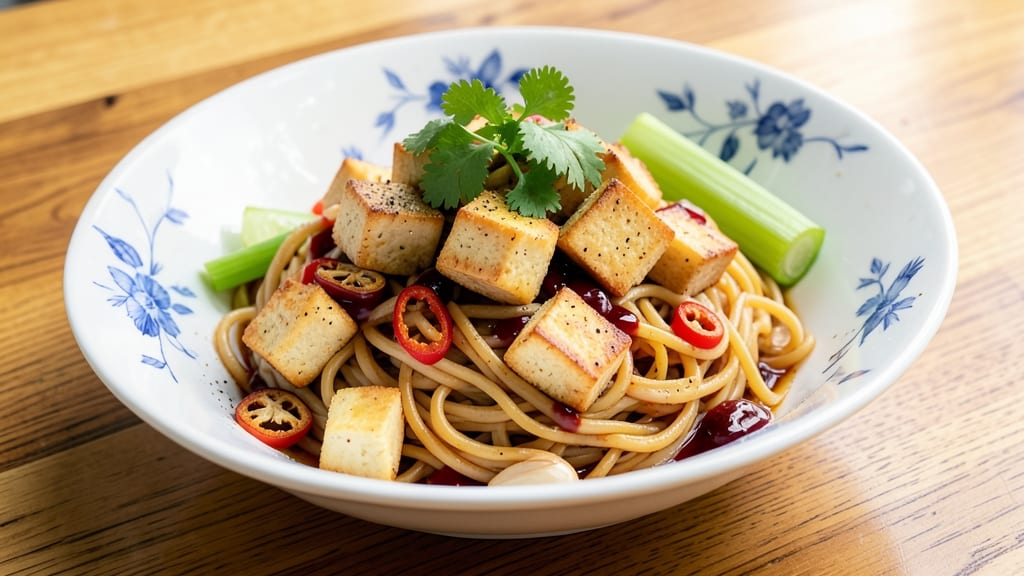
This Vietnamese dry egg noodles recipe delivers the perfect balance of fragrant lemongrass, chili heat, and tender protein—just like Hanoi street vendors serve. The secret lies in quick-boiling the delicate noodles and assembling toppings that create layers of texture and flavor.
I developed this version after years of perfecting the art of bún, ensuring every bite delivers that signature harmony of sweet, sour, and umami.
What makes these noodles special is their versatility—whether you choose grilled pork, shrimp, or tofu, the technique remains the same. The key is preparing all components ahead so they're ready to assemble in minutes.
Fresh herbs like mint and cilantro add brightness, while pickled vegetables contribute the essential tang that cuts through the richness of the protein.
By the time you plate your bowl, you'll have perfectly chewy noodles topped with tender protein, crisp vegetables, and fresh herbs—all bathed in a light drizzle of nuoc cham. The aroma alone will transport you to a bustling Vietnamese street market, where every bite feels like a celebration.
This recipe captures the soul of bún in your own kitchen.
The beauty of this dish is in its adaptability—use whatever protein you prefer and adjust the heat level to your taste. The technique is straightforward once you understand the balance of textures and flavors. Let's create this authentic Vietnamese classic together.
Ingredients for vietnamese dry egg noodle
Fresh herbs, tender tofu, and fragrant lemongrass—just like Hanoi street vendors serve it.
| Ingredient | Amount | Notes |
|---|---|---|
| Dry Egg Noodles 🍜 | 8 oz | Rice vermicelli preferred |
| Extra-Firm Tofu 🥬 | 1 lb | Pressed and cubed |
| Fresh Lemongrass 🌿 | 1 whole | Stalks cut into 2-inch pieces |
| Garlic Cloves 🧄 | 6 cloves | Minced finely |
| Bird's Eye Chilies 🌶️ | 6 whole | Seeds removed for mild heat |
| Fish Sauce 🍶 | 2 tbsp | Red Boat preferred |
| Lime Juice 🍋 | ½ cup | Freshly squeezed |
| Fresh Mint Leaves 🌿 | ½ cup | Chopped finely |
| Fresh Cilantro 🌿 | ½ cup | Chopped finely |
| Daikon Radish 🥕 | 1 small | Julienned thinly |
| Carrots 🥕 | 1 medium | Julienned thinly |
| Vegetable Oil 🫒 | ¼ cup | For grilling tofu |
| Sugar 🍚 | 1 tbsp | Granulated preferred |
| Salt 🧂 | 1 tsp | Kosher preferred |
The tofu is key here—press it for at least 20 minutes to remove excess water. Trader Joe's has great extra-firm tofu, but any brand works if it's pressed well. Look for bright green mint and cilantro at the store—those vibrant leaves mean freshness. Lemongrass should smell citrusy and strong; if it's wilted or smells dull, skip it. Bird's eye chilies add authentic heat, but adjust to taste. For the noodles, rice vermicelli is traditional, but egg noodles work too if that's what you've got.
No fish sauce? Soy sauce plus a splash of vinegar gets you close. Short on fresh herbs? Dried mint or cilantro at half the amount works in a pinch. The daikon and carrots can be pre-shredded from the salad bar if you're in a hurry. For the marinade, mix everything together and let it sit for 10 minutes—that's when the flavors really start to meld. If you're using tofu, marinate it separately for 15 minutes before grilling. The sugar balances the heat, so don't skip it.
The noodles cook in just 2 minutes—set a timer, don't walk away. Fresh herbs wilt fast, so store them in damp paper towels in the fridge for up to 3 days. The marinade keeps for 5 days in the fridge, so make extra. Tofu reheats well—toss it in a hot pan for 2 minutes to crisp it up again. This dish tastes even better the next day once everything has time to absorb the flavors.
Why You'll Love This Recipe
- Pantry to Plate Fast: I swear by this when I’m starving and the fridge is empty—just noodles, tofu, and a handful of fresh herbs. No fancy prep, no waiting for water to boil forever.
- Lemongrass Magic: That first whiff of bruised lemongrass and garlic sizzling in the pan? It’s like a flavor punch. The tofu soaks it up, and suddenly, a simple dish feels like a restaurant-worthy bite.
- Lunchbox Hero: Between us, this is my go-to for packed lunches—stays fresh for days, reheats like a dream, and my kids actually eat it. (Yes, even the veggie-averse ones.)
- Budget Flex: Tofu and dry noodles stretch to feed four for under $8, and the leftovers? Even better the next day. Honestly, it’s the kind of meal that makes grocery shopping feel like a win.
Step-by-step instructions for Vietnamese dry egg noodles
Here's how to create this fragrant, spicy, and perfectly balanced dish with authentic flavors.
Prepare and Grill the Tofu
Press the 1 lb extra-firm tofu for at least 30 minutes using a clean towel and heavy object. Cut it into 1-inch cubes and pat them completely dry with paper towels. Heat the 0.25 cup vegetable oil in a large skillet over medium-high heat until shimmering.
Add the tofu cubes in a single layer, being careful not to overcrowd the pan. Cook for 5-6 minutes on each side until golden brown and crispy. Transfer the tofu to a plate and set aside. The tofu should be firm with a caramelized exterior—this is the foundation of your dish's texture contrast.
Cook the Dry Egg Noodles
Bring a large pot of water to a rolling boil. Add the 8 oz dry egg noodles and cook for 3-4 minutes, or until they're tender but still slightly chewy. Drain immediately and rinse under cold water to stop the cooking process. Toss the noodles with 1 tbsp vegetable oil to prevent sticking and keep them separate.
I like to divide the cooked noodles into four serving bowls now. This makes assembly easier later and keeps everything warm. The noodles should be al dente with a slight bite—overcooking makes them mushy, which defeats the purpose of this dish.
Create the Lemongrass-Chili Sauce
In a small bowl, combine the 0.5 cup lime juice, 2 tbsp fish sauce, 1 tbsp sugar, and 1 tsp salt. Whisk until the sugar dissolves completely. This forms the flavor base that will carry all the other components.
In a separate bowl, finely mince the 6 cloves garlic and remove seeds from the 6 bird's eye chilies, then chop them. Add these to the sauce along with the 2-inch lemongrass pieces. Let this mixture sit for 10 minutes to allow the flavors to meld. The sauce should smell bright and aromatic—this is where the magic happens.
Assemble the Noodle Bowls
Divide the 0.5 cup chopped mint leaves and 0.5 cup chopped cilantro evenly among the four bowls. Add the julienned 1 small daikon radish and 1 medium carrot to each bowl as well. The vegetables should be arranged neatly but casually—this is a Vietnamese street food presentation.
Now comes the fun part: layer the noodles with the grilled tofu cubes. Pour the lemongrass-chili sauce over everything, coating all components evenly. The sauce should be distributed throughout the bowl, not just pooled in the center. Taste and adjust seasoning if needed—you can always add more fish sauce or lime juice.
Garnish and Serve Immediately
Give each bowl a final garnish of extra mint leaves and cilantro for freshness. Serve immediately while everything is hot and the flavors are vibrant. The perfect bowl should have crispy tofu, tender noodles, fresh vegetables, and a sauce that's tangy, spicy, and umami-rich all at once.
This dish is best enjoyed fresh, so don't wait too long before serving. The contrast between the crispy tofu, chewy noodles, and fresh vegetables creates a symphony of textures that makes every bite exciting. Pair it with a cold Vietnamese beer or iced tea for the full experience.
Pro Tips For Making Vietnamese Dry Egg Noodle
- PREP TOFU RIGHT: Press that extra-firm tofu for at least 30 minutes—no, not 15, I’ve tried—and pat it dry with paper towels until it’s almost squeaky. Wet tofu means soggy noodles, and nobody wants that.
- CUT LEMONGRASS STRIPS: Use the pale, tender bottom 4 inches of the stalk—discard the woody top. Slice it into thin half-moons (about ¼-inch thick) so it blends into the sauce instead of sitting like a chewy afterthought.
- NOODLES NEED A SECOND BOIL: Cook the noodles until they’re just al dente, then drain and rinse with cold water. Toss them back into the pot with a splash of hot water and a pinch of salt for 30 seconds—this relaxes the strands so they don’t turn to mush when tossed with the sauce.
- CHILIES FIRST, THEN BALANCE: Mince those bird’s eye chilies fine—I mean, smaller than you think—and fry them in the oil until they’re fragrant but not burnt. Then add garlic and lemongrass after the chilies release their heat, or you’ll end up with a bitter, overpowering mess.
Dietary considerations for this recipe
Gluten-Free Adaptation
Traditional Vietnamese dry egg noodles often contain wheat, but rice noodles make this dish naturally gluten-free. Look for rice vermicelli noodles (like Thai Kitchen brand) in the Asian aisle—these are safe for gluten-sensitive eaters.
The recipe remains identical, as rice noodles cook just like egg noodles in boiling water for 3-4 minutes. Always double-check packaging to avoid cross-contamination warnings. 🌱
Vegetarian & Vegan Options
This recipe is already vegetarian-friendly with tofu as the protein, but you can make it fully vegan by using vegan fish sauce (like Red Boat's vegan version) and ensuring all ingredients are plant-based.
For extra protein, add grilled mushrooms or extra-firm tofu marinated in the same lemongrass-chili sauce. The dish retains its authentic balance without meat.
Low-Carb Modifications
Swap the noodles for shirataki noodles (konjac-based) to cut carbs while keeping the dish's essence. These noodles require 1-2 minutes of boiling to soften, then rinsing thoroughly. Reduce the sauce slightly—shirataki noodles absorb less liquid.
For extra texture, add crispy fried shallots or sesame seeds on top. The flavor profile stays vibrant while reducing carb content significantly.
Allergen-Friendly Adjustments
For nut allergies, avoid adding peanuts (common in some Vietnamese dishes) and stick to the original tofu or protein. If you're sensitive to fish sauce, use soy sauce plus 1 tsp vinegar as a substitute.
For seafood allergies, skip shrimp and stick with tofu or chicken. Always verify all ingredients—some brands' fish sauce may contain shellfish derivatives.
Spice Level Control
Bird's eye chilies pack serious heat—remove seeds for mild heat or omit 2-3 chilies for a gentler version. For extra spice, add 1 tsp sriracha to the sauce or serve chili flakes on the side.
The dish's natural balance means you can adjust heat without losing authenticity. I like keeping 2-3 chilies for a moderate kick that still honors tradition. 🌶️
Nutrition facts
Frequently asked questions
Can I use regular egg noodles instead of rice vermicelli?
While rice vermicelli is traditional, you can substitute with regular egg noodles if that's what you have. Just cook them for 1-2 minutes less than package instructions since they're thicker. The texture will be slightly chewier, but the dish will still taste delicious. For best results, rinse them well after cooking to remove excess starch.
How do I prevent the tofu from getting soggy?
Press the tofu thoroughly for at least 30 minutes before cooking to remove excess water. Pat the cubes completely dry with paper towels before grilling, and cook them in a single layer until golden brown. Keep the tofu separate from the noodles until serving to maintain its crispy texture.
What if I don't have fresh lemongrass?
You can substitute with 1 tbsp lemongrass paste or ½ tsp lemongrass powder (found in Asian markets), but fresh is ideal for authentic flavor. For extra zing, add 1 tsp lime zest to the sauce. If you're missing both, increase the garlic slightly to compensate for the missing citrus notes.
Can I make this dish ahead of time?
Prepare all components separately and store them in airtight containers. Keep the noodles uncooked, tofu grilled and cooled, and sauce refrigerated. Assemble just before serving—cooked noodles soften when reheated. The tofu reheats well in a hot pan for 2 minutes to restore crispiness, while fresh herbs should be added last.
How do I adjust the heat level?
Bird's eye chilies are potent—remove seeds for mild heat or use 2-3 chilies for moderate spice. For extra heat, add ½ tsp chili flakes to the sauce. The dish's natural balance means you can adjust without losing authenticity. Always taste before serving—you can always add more lime juice or sugar to balance.