
Desserts
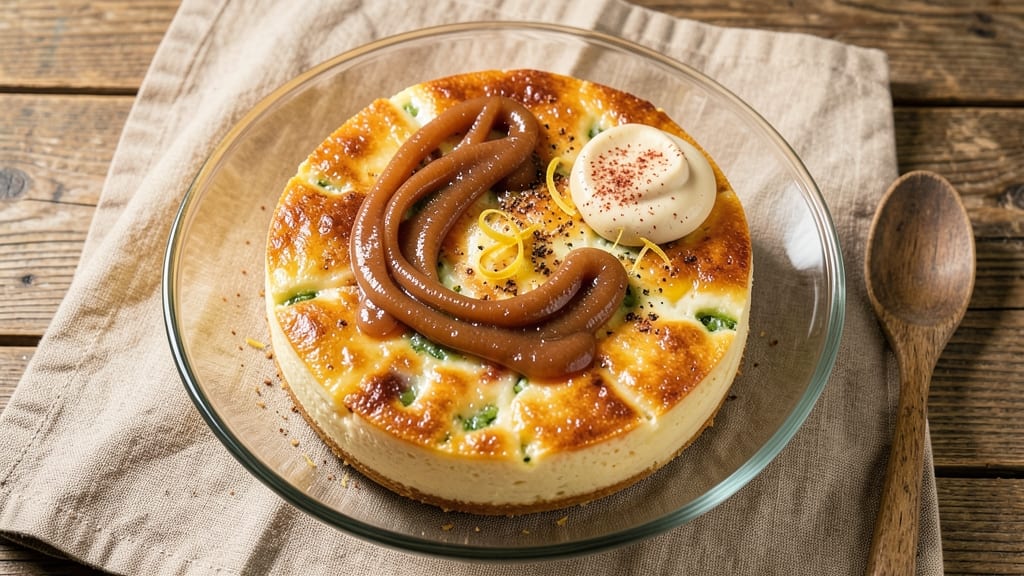
This Vietnamese egg cake recipe delivers layers of silky coconut and fragrant pandan, steamed to golden perfection—every bite reveals tender egg custard wrapped in delicate, crisp-edged layers. The secret lies in precise layering and gentle steaming, transforming simple ingredients into a dessert that feels like a hug from Vietnam.
I’ve perfected this technique after years of testing, ensuring the texture stays moist yet firm, never rubbery or dense.
The magic begins with a batter of eggs, coconut milk, and a touch of pandan extract, layered carefully with sweet mung bean paste or coconut jam for that signature balance of sweetness and earthiness.
Steaming at low heat is critical—too fast, and the cake turns gummy; too slow, and the layers won’t set properly. My method guarantees a cake with a slightly crisp exterior and a custardy, jiggly center, just like the ones sold at Hanoi street markets.
Once steamed to perfection, the cake is sliced into neat rectangles, revealing its beautiful layers and inviting aroma. Serve it warm or at room temperature with a drizzle of sweetened condensed milk or a cup of Vietnamese egg coffee for the full experience.
The contrast of textures—creamy custard, tender coconut, and the slight chew of mung bean—makes this dessert unforgettable.
Perfect for special occasions or as a comforting treat, this recipe scales easily for gatherings. The key to success is patience—don’t rush the steaming, and let the cake rest before slicing.
Trust the process, and you’ll have a Vietnamese egg cake that rivals even the best bakery versions. Let’s get started!
Ingredients for vietnamese egg cake
Precise layers and gentle steaming transform simple ingredients into Vietnam's beloved dessert.
| Ingredient | Amount | Notes |
|---|---|---|
| Large Eggs 🥚 | 8 whole | Room temperature for even mixing |
| Coconut Milk 🥥 | 1 ½ cups | Full-fat, canned for creaminess |
| Pandan Extract 🌿 | 1 tsp | Pure, not paste, for authentic flavor |
| Granulated Sugar 🍚 | ¾ cup | Fine grain preferred for smooth texture |
| Sweet Mung Bean Paste 🌱 | ½ cup | Store-bought or homemade, smooth consistency |
| Coconut Jam 🍯 | ½ cup | Or substitute with additional mung bean paste |
| All-Purpose Flour 🌾 | ¼ cup | Sifted for lightness in layers |
| Unsalted Butter 🧈 | ¼ cup | Cold, cubed for crisp layers |
| Sweetened Condensed Milk 🥛 | ⅓ cup | For drizzling, optional serving |
| Salt 🧂 | ¼ tsp | Fine sea salt for balance |
| Vanilla Extract 🌸 | ½ tsp | Pure, for subtle depth |
| Vegetable Oil 🫒 | 1 tbsp | For greasing steaming pan |
| Lemon Zest 🍋 | 1 tsp | Fresh, for brightness |
The heart of this recipe lies in the coconut milk—opt for full-fat canned coconut milk like Aroy-D or Thai Kitchen for that rich, creamy texture. Pandan extract is non-negotiable for authentic flavor; Thai Kitchen or Pandan Leaf brands deliver the most vibrant aroma. For the mung bean paste, store-bought options from Asian markets (like Thai Kitchen or Golden Boy) save time, but homemade yields a smoother consistency. The sweetened condensed milk for serving should be Nestlé—it’s the gold standard for that perfect caramel drizzle. Room-temperature eggs mix more evenly, so take them out 30 minutes before starting. For the butter, Land O’Lakes or Plugrá work best when cold and cubed for those signature crisp layers.
No pandan extract? A blend of vanilla extract and a pinch of turmeric (⅛ tsp) mimics the flavor, though it won’t be identical. Substitute coconut jam with additional mung bean paste or homemade coconut curds for a similar texture. Vegetable shortening can replace butter if you prefer a firmer layer, though the flavor will differ slightly. For the flour, King Arthur or Gold Medal brands sift best for a light, airy cake. Lemon zest is optional but adds a bright contrast—if you skip it, increase vanilla to 1 tsp for depth. Sweetened condensed milk can be swapped with equal parts powdered sugar and milk in a pinch, though the texture won’t be as rich.
Prep the mung bean paste and coconut jam ahead—they’re the stars of this dish. Store coconut milk in the fridge after opening and use within 2 weeks for best flavor. Pandan extract keeps indefinitely in a cool, dark place, but the aroma fades over time. Butter and eggs should be used within 1 week of purchase for optimal texture. Once steamed, the cake stays fresh for 3 days at room temperature, wrapped tightly in plastic. For longer storage, slice and freeze individual portions for up to 3 months—thaw at room temperature before serving. Reheat gently in a steamer for 5 minutes to restore moisture.
Why You'll Love This Recipe
- No Fuss Mixing: I swear by this recipe—just whisk eggs, fold in coconut milk, and you’re done. The pandan extract does all the flavor work, so no measuring out spices or balancing flavors. Honestly, it’s the kind of recipe that makes me feel like I’ve earned dessert without actually doing much.
- Sweet-Savory Magic: That sweet mung bean paste? It’s the secret weapon—creamy, nutty, and just sweet enough to balance the coconut’s richness. The pandan gives it this floral, almost vanilla-like depth, but it’s not cloying. It’s the kind of dessert that makes you pause mid-bite and think, “Wait, how is this so good?”
- Stealth Meal Prep: Between us, this is my go-to for potlucks or lazy Sundays. Bake a big sheet pan, slice it up, and it stays fresh for days—no weird textures, no drying out. I’ve even packed it in lunches (yes, really) because it’s sturdy enough to handle a bumpy car ride. (My coworkers still don’t believe me.)
- Budget-Friendly Luxury: Eggs, coconut milk, and sugar? That’s it for the base, and they’re all pantry staples. The mung bean paste is the splurge, but a little goes a long way—you’ll use it up fast. I’ll be real: this tastes like something from a fancy bakery, but the grocery bill says otherwise. Win.
Step-by-step instructions for Vietnamese egg cake
A delicate balance of textures and flavors awaits—steamed layers of silky egg custard and crisp butter create this iconic dessert.
Prepare the Egg Custard Mixture
In a large mixing bowl, combine the 8 whole Large Eggs, 1.5 cups Coconut Milk, 1 tsp Pandan Extract, 0.75 cup Granulated Sugar, 0.5 cup Sweet Mung Bean Paste, 0.5 cup Coconut Jam, 0.25 cup All-Purpose Flour, 0.25 tsp Salt, and 0.5 tsp Vanilla Extract. Whisk vigorously for 5-7 minutes until the mixture is smooth, pale yellow, and fully emulsified—you should see ribbons form when the whisk is lifted.
Here's the thing—this step is critical. The mixture must be completely homogenous to prevent any separation during steaming. If you notice any lumps, strain the batter through a fine-mesh sieve into a clean bowl. This ensures a flawless, cloud-like texture in your final cake. Work quickly to avoid over-whisking, which can incorporate too much air and cause the cake to collapse.
Layer Butter and Assemble the Cake
Take the 0.25 cup Unsalted Butter and cut it into small, even cubes about ½-inch thick. These will form the crispy layers between the custard. Grease a 6-inch round cake pan with 1 tbsp Vegetable Oil, then line the bottom with parchment paper to prevent sticking.
Pour ⅓ of the egg custard mixture into the prepared pan, spreading it evenly with a spatula. Arrange ⅓ of the butter cubes in a circular pattern on top, then repeat with another layer of custard and butter. Finish with the remaining custard, pressing down gently to ensure even distribution. The final layer should be smooth—no butter cubes should be visible at the surface. This layering technique creates the signature crispy texture that contrasts beautifully with the silky custard.
Steam the Cake to Perfection
Place the assembled cake pan in a steamer basket lined with a damp towel to prevent sticking. Fill the steamer with 2-3 inches of water and bring it to a gentle boil. Once boiling, reduce heat to medium-low and steam the cake for 45-50 minutes. The cake is done when the top is set but still slightly jiggly in the center—it will firm up as it cools.
I know it's tempting to peek, but resist the urge. Every time you lift the lid, you risk disrupting the delicate steaming process and causing uneven cooking. Instead, trust the time and the visual cues: the top should be golden and slightly domed, with a clean break when you run a knife through the center. If the top browns too quickly, loosely cover it with aluminum foil to prevent over-browning while allowing steam to circulate.
Rest and Serve with Elegance
Remove the cake from the steamer and let it cool at room temperature for 1 hour before slicing. This resting period allows the layers to set properly and the flavors to meld. Once cooled, run a sharp, hot knife through the sides of the pan to loosen the cake, then invert it onto a serving plate.
For an authentic touch, drizzle 0.33 cup Sweetened Condensed Milk over the top and sprinkle with 1 tsp Lemon Zest just before serving. The contrast of the warm, creamy custard with the crisp butter layers and the bright citrus notes creates a harmonious balance of textures and flavors. Serve slices at room temperature for the best experience—each bite should reveal that perfect interplay of silky, creamy, and crisp elements.
Pro Tips For Making Vietnamese Egg Cake
- Whisk Eggs Like Mad: Beat those eggs until they’re thick, pale, and hold a ribbon when the whisk is lifted—about 3-4 minutes. I learned this the hard way when my cake turned out dense and rubbery; the air in properly whipped eggs is what makes this dessert light.
- Strain That Coconut Milk: Use only the thick cream from the top of the canned coconut milk, not the watery part below. The richer the cream, the richer the flavor—skip this, and your cake will taste bland and watery, no matter how much pandan you add.
- Don’t Overmix the Paste: Fold in the sweet mung bean paste gently with a spatula once the egg-coconut mixture is ready. Overmixing turns it into a thick, gloopy mess that won’t steam evenly—your cake will end up dense instead of fluffy.
- Steam on Medium Heat: Start with a rolling boil, then drop the heat to medium once steam rises—too high, and the top burns before the center sets. I was skeptical until I tried it; now I swear by it for an even, jiggly finish.
Dietary considerations for these flavors
Vegetarian-Friendly Base
This Vietnamese egg cake is naturally vegetarian—no meat, fish, or animal products beyond eggs and butter. The core ingredients like coconut milk, mung bean paste, and pandan extract are all plant-based, making it a perfect dessert for vegetarian diets.
Even the butter can be swapped for vegan butter (like Miyoko’s) without altering the texture significantly. 🌱
Gluten-Free Adaptation
For a gluten-free version, simply replace the all-purpose flour with gluten-free 1:1 baking flour (such as Bob’s Red Mill). The recipe remains otherwise unchanged, and the texture will still be light and tender. Just ensure your mung bean paste and coconut jam are also certified gluten-free to avoid cross-contamination.
Dairy-Free Options
To make this cake dairy-free, substitute the unsalted butter with coconut oil (solid at room temperature) or vegan butter. The sweetened condensed milk can be replaced with coconut condensed milk (like Goya) or a homemade version using coconut cream and powdered sugar.
The flavor will still be rich and satisfying!
Nut-Free Considerations
This recipe is nut-free as written, but always double-check labels on coconut milk and mung bean paste for hidden nut traces. If you're serving guests with severe allergies, opt for certified nut-free brands like Thai Kitchen for their coconut milk, which is processed in nut-free facilities.
Lower Sugar Alternatives
For a lower-sugar version, reduce the granulated sugar to 0.5 cup and replace the remaining 0.25 cup with coconut sugar or monk fruit sweetener. The sweetened condensed milk can be lightened by mixing equal parts powdered sugar and coconut milk (though the texture will be slightly less rich).
Taste as you go—Vietnamese desserts often balance sweetness with natural flavors like pandan and coconut.
Nutrition facts
Frequently asked questions
Why does my Vietnamese egg cake turn out rubbery?
Oversteaming is the #1 cause of rubbery texture. The cake should steam for exactly 45-50 minutes at medium-low heat—any longer and the moisture evaporates, leaving a dense result. Also ensure your butter cubes are ½-inch thick and evenly spaced; smaller cubes melt too quickly. Let the cake rest 1 hour before slicing to allow layers to set properly.
Can I make this cake without a steamer?
Use a lasagna pan or 9x13-inch baking dish with a water bath: place the cake pan inside a larger roasting pan, fill the bottom with 1 inch of boiling water, cover tightly with foil, and bake at 325°F for 50-60 minutes. The water bath mimics steaming while keeping the heat gentle. Monitor closely to prevent over-browning.
What's the best way to store leftover egg cake?
Wrap tightly in plastic wrap and store at room temperature for up to 3 days. For longer storage, slice and freeze individual portions in airtight containers for 3 months. To reheat, steam for 5 minutes or microwave for 20 seconds—just enough to restore moisture without making it soggy. The texture holds up surprisingly well!
How do I get the crispy butter layers like in bakeries?
The secret is cold butter cubes (straight from the fridge) and precise layering. Cut butter into ½-inch cubes and arrange them in a single layer between custard—never overlapping. Use unsalted butter (like Land O’Lakes) for purest flavor. The butter should melt just enough to create crisp edges during steaming, not fully dissolve. Chill the assembled cake in the fridge for 15 minutes before steaming for even better results.
Can I substitute pandan extract if I can't find it?
Yes! Mix ½ tsp vanilla extract with ⅛ tsp turmeric for a close approximation (the turmeric adds color too). For aroma only, use 1 tsp vanilla + 1 crushed pandan leaf steeped in 2 tbsp warm water (strain before using). While not identical, these substitutes prevent flavor gaps. The cake will still taste delicious with these tweaks!