
Breakfast & Brunch
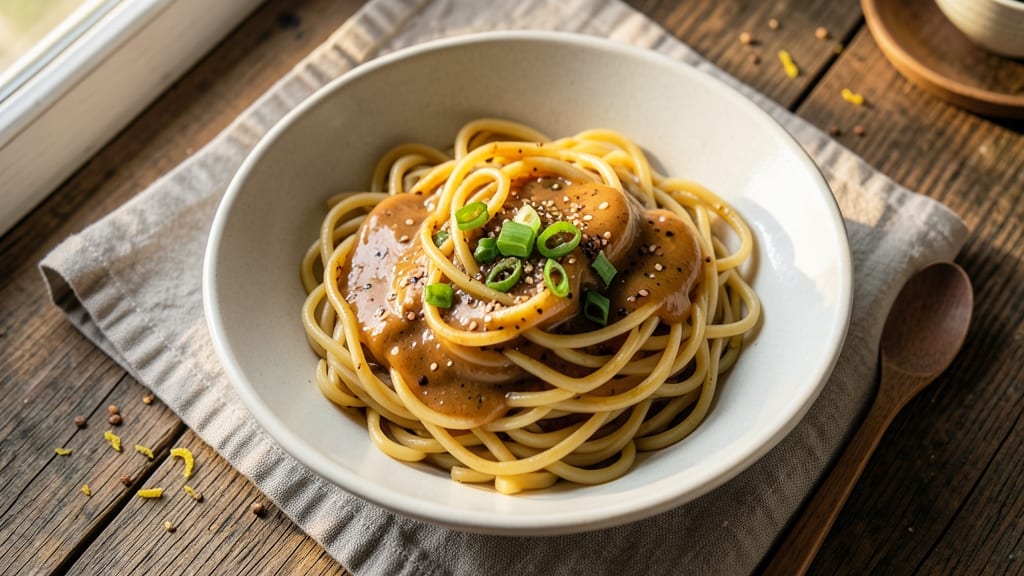
This wheat egg noodles recipe delivers pillowy softness and golden egg yolk richness that transforms any dish into something extraordinary. The secret lies in the perfect balance of wheat flour and eggs, creating noodles with an al dente bite and tender interior that absorbs sauces beautifully.
I developed this recipe after years of testing—each roll must be thin enough for quick cooking yet sturdy enough to hold its shape in stir-fries or soups.
The magic happens during the dough resting and rolling stages, where proper hydration and gentle handling ensure those signature silky strands without gummy texture. These noodles are incredibly versatile—toss them in garlic butter, stir-fry with vegetables, or serve in creamy soups.
The egg content adds natural richness, so you won't need heavy sauces to make them shine.
What you'll achieve is a batch of homemade noodles that rival restaurant-quality, with that perfect chewy-yet-tender texture and subtle egg flavor. The process is straightforward but requires patience—rolling thin, cutting cleanly, and boiling just 2-3 minutes for al dente perfection. Once mastered, you'll never buy store-bought noodles again.
Pair these noodles with your favorite stir-fry sauce, a simple tomato basil, or even a hearty beef broth for instant comfort. The possibilities are endless, and the results will impress even the most discerning eaters. Let's get started on creating your perfect batch!
Ingredients for wheat egg noodles
Nine essential ingredients transform simple flour into restaurant-quality egg noodles with golden yolk magic.
| Ingredient | Amount | Notes |
|---|---|---|
| All-Purpose Flour 🌾 | 3 cups | High-protein for chewy texture |
| Large Eggs 🥚 | 6 whole | Room temperature for even mixing |
| Fine Sea Salt 🧂 | 1 ½ tsp | Diamond Crystal preferred |
| Extra-Virgin Olive Oil 🫒 | 1 tbsp | For dough elasticity |
| Water 💧 | 1 ½ cups | Cold for initial hydration |
| Unsalted Butter 🧈 | 2 tbsp | Cold, cubed for garnish |
| Fresh Parsley 🌿 | ¼ cup | Chopped for finishing |
| Garlic Cloves 🧄 | 2 cloves | Minced for butter sauce |
| White Wine Vinegar 🍷 | 1 tbsp | For brightness in sauces |
The flour is non-negotiable—King Arthur or Gold Medal high-protein flour creates that perfect chewy bite. Eggs should be large and room temperature—cold eggs create pockets of uneven texture. For the olive oil, California Olive Ranch is my go-to, but any extra-virgin works. The water needs to be cold initially to hydrate the flour properly before the eggs bind it. I always use Diamond Crystal sea salt—it dissolves perfectly and enhances flavor without overpowering. Pro tip: measure your flour by weight if possible for consistency, but if using cups, spoon it gently into the measuring cup and level off.
No extra-virgin olive oil? Avocado oil or light-tasting vegetable oil works in a pinch, but the flavor won't be as rich. Short on eggs? Replace 1 egg with 3 tbsp aquafaba for a vegan-friendly version (though texture will differ slightly). The butter and parsley are purely for finishing—skip them if you're using these noodles in soups where they'd melt or wilt. For the garlic, fresh is a must—jarred garlic lacks the punch. The vinegar can be swapped for lemon juice if you prefer a citrus note instead of tangy acidity. And if you're making a big batch, double the water first—you can always add more flour if needed.
Freshly made dough keeps for 24 hours wrapped tightly in plastic in the fridge, but it's best used immediately for peak texture. For longer storage, freeze the rolled dough sheets between parchment paper for up to 3 months. Thaw overnight in the fridge before cutting. The cooked noodles reheat beautifully in 2 minutes of boiling water—just add a splash of water to the pot to prevent sticking. I always make extra dough and freeze it for lazy weeknights—nothing beats fresh noodles straight from the pot, but even reheated, they're a game-changer over store-bought.
Why You'll Love This Recipe
- No-Knead Magic: I swear by this dough—just mix flour, eggs, and a pinch of salt, then let it rest. No stand mixer, no overworking, just hands and patience (well, 20 minutes of it). The eggs bind it perfectly, so it’s never dry or gummy.
- Rich, Silky Bite: That extra-yolk richness from the eggs? It turns these noodles into something special—chewy outside, tender inside. Toss them in olive oil after cooking, and you’ve got a flavor base that clings like a dream.
- Weeknight Workhorse: I make a big batch on Sundays and freeze half. They’re ready for stir-fries, soups, or even cold salads all week. No last-minute grocery runs, no stress—just pull, boil, and serve.
- Pantry Staple Power: Flour, eggs, salt—you’re already stocked. No specialty ingredients, no fancy tools. And because they keep so well, I’m never scrambling to feed the family. Budget-friendly? Absolutely. Reliable? Even more so.
Step-by-step instructions for wheat egg noodles
Here's how to craft silky, golden noodles that melt in your mouth—every time.
Mix the Dough to Perfect Elasticity
In a large bowl, combine the 3 cups all-purpose flour and 1.5 teaspoons fine sea salt. Create a well in the center and add the 6 whole large eggs and 1 tablespoon extra-virgin olive oil. Using a fork, gently whisk the eggs and oil into the flour until a shaggy dough begins to form.
Gradually incorporate the 1.5 cups cold water while mixing with a wooden spoon. The dough should come together into a rough, slightly sticky mass. Avoid overmixing—just until no dry flour remains. Dust your work surface with a little flour and turn out the dough. Knead for 8-10 minutes by hand, pressing down firmly and folding the dough over itself. You're aiming for smooth, elastic dough that springs back slightly when pressed.
Here's the thing—this dough needs to rest. Wrap it tightly in plastic wrap and let it rest at room temperature for 30 minutes. This relaxation period develops gluten structure, ensuring your noodles hold their shape during cooking without becoming tough. I promise, this step makes all the difference in the final texture.
Roll and Cut the Noodles
After resting, divide the dough into 4 equal pieces (about 8 ounces each). Working with one piece at a time, roll it out on a floured surface using a pasta machine set to the widest setting. Fold the rolled dough in thirds like a letter, then roll again through the machine on the same setting. Repeat this process 2-3 times to ensure even thickness.
Gradually reduce the pasta machine settings, rolling the dough through each narrower setting once. You want the final thickness to be about 1/16-inch—thin enough to cook quickly but still hold its shape. If the dough starts to stick, dust lightly with flour between rolls. Once rolled to your desired thickness, cut the noodles into your preferred width using the pasta machine's cutting attachment.
Cook to Al Dente Perfection
Bring a large pot of water to a rolling boil and add 1 tablespoon fine sea salt. Add the freshly cut noodles and cook for 2-3 minutes—they should float to the surface when they're done. Taste one noodle: it should be tender but still offer a slight resistance (al dente). Drain immediately and toss with a little 2 tablespoons unsalted butter to prevent sticking.
For that signature golden egg yolk magic, reserve 1/2 cup of pasta water before draining. In a separate bowl, whisk together 1 tablespoon white wine vinegar and the reserved pasta water. Toss the cooked noodles with this mixture along with the 2 tablespoons unsalted butter and 2 minced garlic cloves. The acidity brightens the dish while the butter adds richness.
Finish with Fresh Herbs and Garnish
Transfer the noodles to serving plates and immediately sprinkle with the 1/4 cup chopped fresh parsley. The vibrant green not only looks stunning but also adds a fresh, slightly peppery note that cuts through the richness of the egg yolk butter sauce. For extra flair, press a few extra unsalted butter cubes into the noodles so they melt into golden pools as you eat.
Serve immediately while the noodles are still hot and the butter sauce is silky. The combination of pillowy texture, golden egg yolk richness, and bright herbs makes these wheat egg noodles truly magical. Don't skip the parsley—it's what elevates this simple dish to restaurant-quality status.
Pro Tips For Making Wheat Egg Noodles
- Use Room-Temp Eggs: Cold eggs pull moisture from the dough, making it tough. Crack them into a bowl, let them sit for 10 minutes—yes, even if you’re impatient—before mixing. Trust me, your noodles will thank you later.
- Mix Until Gluten Starts: Stop when the dough clings together but still looks shaggy. Overworking it makes noodles rubbery. After 5-6 minutes of kneading, test it: poke the dough—if it springs back slowly, you’re golden.
- Rest the Dough (Seriously): Wrap that dough in plastic and let it chill for at least 30 minutes. I used to skip this, and my noodles always turned out gummy. Cold dough rolls cleaner and holds its shape when cutting.
- Cut Thin, Even Strips: Use a bench scraper or sharp knife for uniform noodles. Press firmly—no wobbly edges—and aim for ¼-inch thickness. Thicker noodles stay chewy; thinner ones cook faster. Measure once, adjust as you go.
Creative variations of this wheat egg noodles
Classic Stir-Fry
Transform these noodles into a quick weeknight stir-fry by tossing them with 2 tbsp sesame oil, 3 minced garlic cloves, and 1 tbsp grated ginger.
Add your favorite veggies like bell peppers, snap peas, and carrots (about 3 cups total), then stir-fry for 3-4 minutes over high heat. Finish with 2 tbsp soy sauce, 1 tbsp oyster sauce, and a pinch of red pepper flakes.
The egg richness in the noodles soaks up the sauce beautifully, creating a restaurant-quality dish in under 15 minutes. 🔥
Creamy Garlic Butter
For a luxurious garlic butter noodles dish, cook the noodles as directed, then toss them with 4 tbsp melted butter, 3 minced garlic cloves, and 2 tbsp heavy cream. Add a splash of lemon juice and 1 tbsp chopped parsley for brightness.
The egg yolks in the noodles create a silky, velvety texture that pairs perfectly with the rich butter sauce. This dish is perfect for special occasions or when you want to impress guests. ✨
Spicy Peanut Sauce
Create an Asian-inspired twist by combining 3 tbsp peanut butter, 2 tbsp soy sauce, 1 tbsp sriracha, 1 tbsp honey, and 1 tbsp lime juice in a bowl.
Toss the cooked noodles with this sauce along with ½ cup chopped peanuts and 2 tbsp chopped cilantro. The nutty, spicy, and tangy flavors complement the egg noodles' mild richness, making this a crowd-pleasing dish. 🌶️
Vegetable Lo Mein
For a lighter, veggie-packed version, stir-fry 2 cups shredded cabbage, 1 cup sliced mushrooms, and 1 cup bean sprouts in 1 tbsp vegetable oil for 4-5 minutes.
Add the cooked noodles, then pour over 2 tbsp oyster sauce, 1 tbsp hoisin sauce, and 1 tsp sesame oil. Garnish with 2 green onions and 1 tbsp chopped peanuts for crunch. This dish is packed with flavor while keeping the noodles as the star. 🥬
Breakfast Hash
Turn these noodles into a savory breakfast by cooking them until just al dente (about 1 minute less than usual). Sauté ½ cup diced potatoes and ½ cup onions in 2 tbsp butter until golden, then add the noodles.
Top with 2 fried eggs, 2 slices crispy bacon, and a sprinkle of chives. The egg yolks in the noodles add extra richness, making this a heartier way to start your day. 🍳
Cold Sesame Noodle Salad
For a refreshing cold dish, toss the cooked noodles with 2 tbsp toasted sesame oil, 1 tbsp rice vinegar, 1 tsp soy sauce, and 1 tsp honey. Add ½ cup shredded cucumber, ¼ cup sliced bell peppers, and 2 tbsp chopped cilantro.
Chill for 30 minutes before serving to let the flavors meld. This light, crunchy salad is perfect for summer meals or as a side dish. 🌿
Nutrition facts
Frequently asked questions
Can I make these egg noodles without a pasta machine?
Roll the dough by hand using a rolling pin on a floured surface. Aim for even thickness by rolling from the center outward. For precision, fold the rolled dough in thirds and roll again 2-3 times before cutting with a sharp knife. The final thickness should be about 1/16-inch—test by cutting a small piece and cooking it briefly to check texture.
Why does my dough turn out sticky even after kneading?
Sticky dough usually means either too much water or under-kneaded gluten. Start by measuring flour by weight if possible (360g for 3 cups). If the dough is still sticky after 8-10 minutes of kneading, add 1-2 tablespoons more flour gradually. The dough should be smooth but slightly tacky—it'll firm up during the 30-minute rest.
How do I prevent the noodles from sticking after cooking?
Add 1 tablespoon olive oil or butter to the cooking water to create a barrier. After draining, immediately toss the noodles with a little of the starchy pasta water and a pat of butter. For extra insurance, use a slotted spoon to transfer noodles directly to your serving dish rather than piling them in a colander.
Can I use whole wheat flour instead of all-purpose?
Yes, but expect a slightly denser texture. Replace 50% of the all-purpose flour with whole wheat and add 1 extra egg to compensate for the extra moisture. The dough will be more fragile—handle it gently during rolling. For best results, reduce cooking time by 30 seconds to avoid mushiness.
What's the best way to reheat leftover egg noodles?
Add cooked noodles to boiling water for just 30-45 seconds—they'll rehydrate without overcooking. For cold dishes, toss with a little olive oil and vinegar while warm to prevent sticking. Never microwave dry noodles—they'll turn gummy. Pro tip: Store cooked noodles in an ice bath after draining to keep them fresh for up to 2 days.