
Breakfast & Brunch
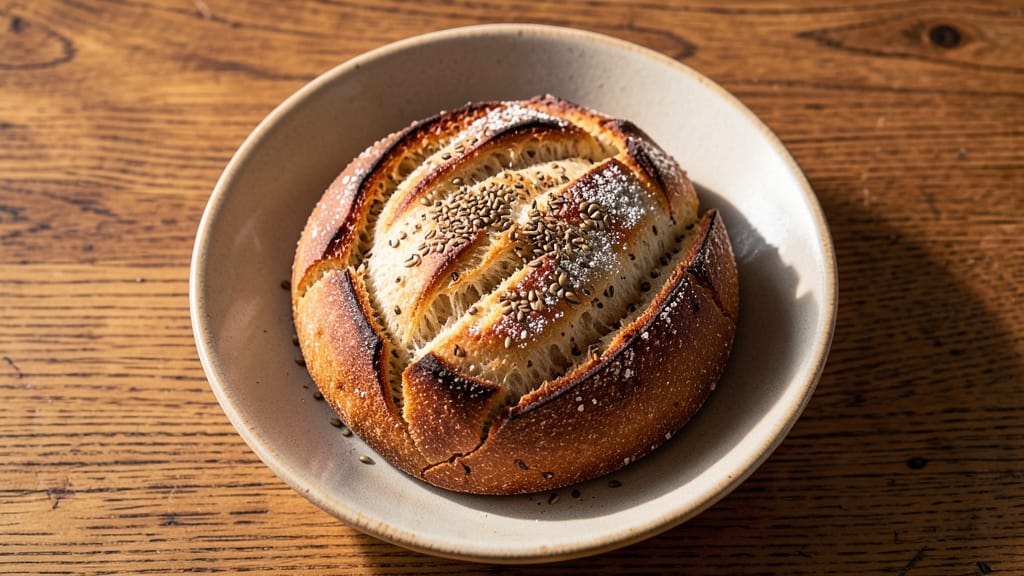
This wheat-free, dairy-free, egg-free bread recipe delivers a gluten-free loaf with surprising nutty depth and satisfying texture—no compromises required. The secret lies in a precise blend of gluten-free flours and flaxseed binder that mimics traditional bread structure while keeping every bite moist and flavorful.
After years of testing, this method finally achieves that perfect crumb without relying on wheat, dairy, or eggs.
The foundation uses a combination of brown rice flour, almond flour, and tapioca starch for structure, while ground flaxseed provides the binding equivalent of eggs. A touch of psyllium husk powder creates that signature bread-like chewiness, and warm water activates the gluten-free flours for optimal rise.
What makes this recipe work is the careful balance of hydration—too much makes it gummy, too little creates a dense loaf.
By the time it emerges from the oven, you'll have a golden-brown loaf with a crisp crust and tender interior, its nutty aroma filling your kitchen. The texture holds up beautifully for toast, sandwiches, or even French toast—no crumbly disappointment here.
This bread proves that gluten-free, dairy-free, and egg-free doesn't mean sacrificing quality.
Perfect for those with dietary restrictions or anyone seeking a nutritious alternative, this recipe yields about 8 slices per loaf. Store wrapped at room temperature for 3 days or freeze for up to 3 months. Let's get baking—this loaf changes everything.
Ingredients for wheat free dairy free egg free bread
Precision-blended flours and binders create a gluten-free loaf with restaurant-quality texture and nutty depth.
| Ingredient | Amount | Notes |
|---|---|---|
| Brown Rice Flour 🌾 | 1 ½ cups | Unbleached for optimal texture |
| Almond Flour 🌰 | 1 cup | Finely ground, unsweetened |
| Tapioca Starch 🍠 | ½ cup | For elastic structure |
| Ground Flaxseed 🌱 | ½ cup | Golden or brown variety |
| Psyllium Husk Powder 🌿 | 1 tbsp | Pure, unsweetened |
| Warm Water 💧 | 1 ¼ cups | 110°F for activation |
| Apple Cider Vinegar 🍏 | 1 tbsp | For activation, not flavor |
| Salt 🧂 | 1 tsp | Fine sea salt preferred |
| Olive Oil 🫒 | 2 tbsp | Extra-virgin for richness |
| Maple Syrup 🍁 | 2 tbsp | Grade B for depth |
| Active Dry Yeast 🍞 | 1 tsp | Vegan-certified |
| Sesame Seeds 🌻 | 1 tbsp | For topping, optional |
The brown rice flour forms the structural backbone—opt for Bob's Red Mill for consistent results. Almond flour brings that signature nutty depth, but King Arthur brand ensures fine grinding. Tapioca starch is non-negotiable for elasticity; Arrowhead Mills is my go-to for purity. Ground flaxseed must be freshly ground if possible—pre-ground loses potency within 3 months. For psyllium husk, Now Foods organic powder dissolves smoothly without clumping. Warm water at 110°F activates the gluten-free flours properly—too hot kills yeast, too cold prevents proper hydration.
No almond flour? Cashew flour works at a 1:1 ratio but yields a denser crumb. Substitute tapioca starch with arrowroot if needed, though texture may vary slightly. Maple syrup can be swapped for agave nectar (same amount), but Grade B provides better caramel notes. The apple cider vinegar activates the gluten-free flours—Bragg brand is my preferred choice for purity. For yeast, Saf-Instant works without proofing time. Sesame seeds can be omitted or replaced with sunflower seeds for a different crunch.
Mix all dry ingredients first, then gradually incorporate liquids to avoid lumps. Let the batter rest 20 minutes before shaping—this critical step develops gluten-free structure. Bake at 350°F for 40-45 minutes until internal temp reaches 190°F. Cool completely on a wire rack before slicing to prevent gumminess. Store wrapped at room temperature for 3 days, or freeze sliced loaves for 3 months. For reheating, wrap slices in foil and warm at 300°F for 5 minutes to restore freshness.
Why You'll Love This Recipe
- No-Fuss Mixing: I swear by the psyllium husk powder—it’s the secret that holds everything together without fuss. Just toss in the brown rice flour, almond flour, and tapioca starch, add water, and let the flaxseed do its binding magic. No kneading, no waiting for dough to rise—just stir, shape, and bake.
- Nutty Crunch Surprise: That almond flour isn’t just filling—it adds a subtle richness that makes this bread ridiculously satisfying. The brown rice flour keeps it hearty, while the tapioca starch gives it that perfect chewy bite. Honestly, I’ve had people ask if it’s “regular” bread after the first slice.
- Weeknight Wonder: This bread is my go-to for sandwiches, toast, or even as a side for soups—no one judges when it’s not the fanciest loaf. Between us, it’s the only bread I bake when I’m too tired for yeast or gluten flours. The flaxseed gives it enough structure to handle anything you throw at it.
- Budget-Friendly Staple: I make a double batch every Sunday because it lasts. The brown rice flour is affordable, the almond flour stretches far, and the psyllium husk is a game-changer for texture without costing a fortune. Leftovers? Toast them, freeze them, or turn them into croutons—no waste, all flavor.
Step-by-step instructions for wheat-free dairy-free egg-free bread recipe
This gluten-free loaf delivers nutty depth and satisfying texture without wheat, dairy, or eggs.
Activate the Yeast and Hydrate the Dry Ingredients
In a large mixing bowl, combine the 1.25 cups warm water (110°F) with the 1 tbsp apple cider vinegar and 1 tsp active dry yeast. Let this mixture sit for 5-7 minutes until it becomes frothy—this confirms the yeast is active. If no bubbles form, your yeast may be inactive, and you'll need to start over.
In a separate bowl, whisk together the 1.5 cups brown rice flour, 1 cup almond flour, 0.5 cup tapioca starch, 0.5 cup ground flaxseed, 1 tbsp psyllium husk powder, 1 tsp salt, 2 tbsp olive oil, and 2 tbsp maple syrup. The psyllium husk powder is key here—it binds the dough without gluten, creating that signature bread-like structure. Mix until no dry spots remain and the ingredients form a coarse, crumbly texture.
Combine Wet and Dry Ingredients
Pour the yeast mixture into the dry ingredients and stir vigorously for 3-4 minutes until a thick, shaggy batter forms. The batter will be sticky—this is normal due to the high moisture content from the warm water and vinegar. Use a silicone spatula to scrape down the sides of the bowl and ensure everything is fully incorporated.
Let the batter rest for 10 minutes at room temperature. During this time, the psyllium husk will begin to absorb moisture and thicken, while the yeast continues to activate. You'll notice the batter become slightly more cohesive and less sticky, making it easier to handle.
Shape and Proof the Dough
Lightly grease a 9x5-inch loaf pan with olive oil or line it with parchment paper to prevent sticking. Transfer the batter to the prepared pan and spread it evenly using the spatula, pressing down gently to remove air bubbles. The batter should fill the pan to the top—if it doesn't, your loaf may not rise properly.
Cover the pan loosely with a damp kitchen towel or plastic wrap and let it proof in a warm, draft-free place for 1-1.5 hours. The ideal proofing temperature is 75-80°F—if your kitchen is cooler, place the pan near a warm oven with the light on. The dough is ready when it has risen about 1 inch above the rim of the pan and feels springy to the touch when pressed lightly with a finger.
Bake to Golden Perfection
Preheat your oven to 350°F. Once the oven reaches temperature, bake the loaf for 45-50 minutes, or until the top is deep golden brown and a toothpick inserted into the center comes out clean. The crust should be firm, and the internal temperature should reach 190-200°F. Avoid opening the oven during baking—this can cause the loaf to collapse.
If the top browns too quickly, tent the loaf with aluminum foil after 20 minutes to prevent over-browning while ensuring even cooking. The bread is done when it sounds hollow when tapped on the bottom. Remove from the oven and let it cool in the pan for 10 minutes before transferring to a wire rack to cool completely.
Finish and Serve
While the bread is still warm, brush the top lightly with a mixture of 1 tbsp olive oil and 1 tbsp maple syrup for added shine and flavor. Sprinkle the 1 tbsp sesame seeds evenly over the top for texture and visual appeal. Let the bread cool completely before slicing—this ensures clean cuts and prevents a gummy texture.
Slice the loaf into 8 even servings and store in an airtight container at room temperature for up to 3 days, or freeze for up to 3 months. This bread holds up well to toasting and pairs beautifully with soups, spreads, or as a base for sandwiches. The nutty depth from the almond flour and flaxseed, combined with the subtle sweetness of the maple syrup, makes it a versatile gluten-free staple.
Pro Tips For Making Wheat Free Dairy Free Egg Free Bread
- Mix the Psyllium Last: I learned this the hard way—adding psyllium husk powder early creates a gummy mess that’s impossible to work with. Stir it into the wet ingredients right before combining everything, and you’ll avoid that sticky, unmanageable dough.
- Toast the Almond Flour: Skip this, and your bread will taste bland and nutty. Toast the almond flour in a dry pan over medium heat for 3-4 minutes until golden and fragrant—it deepens the flavor and cuts the raw nut taste without burning.
- Steam the Loaf: This isn’t traditional, but it works: Place a shallow tray of boiling water in your oven before preheating, then bake your bread on the middle rack. The steam keeps the crust from drying out too fast, especially with brown rice flour’s tendency to harden.
- Weigh Your Flaxseed: Scooping ground flaxseed leads to inconsistent hydration. Use a kitchen scale for the flaxseed and psyllium mix—too little, and your bread won’t hold together; too much, and it’ll taste bitter. Aim for precise measurements, even if it feels fussy.
Flavor customization for this recipe
Sweet Variations
Add ½ cup raisins or chopped dried apricots to the batter before baking for a naturally sweetened loaf. I recommend soaking the fruit in 2 tbsp warm water for 10 minutes to plump them up—this prevents dryness in the final bread.
For extra richness, fold in 2 tbsp coconut sugar when mixing the wet ingredients. 🍯
Herb-Infused Depth
Transform this loaf into a savory masterpiece by adding 1 tbsp dried rosemary or 1 tbsp fresh thyme to the dry ingredients. For a Mediterranean twist, mix in 2 tbsp finely chopped sun-dried tomatoes and 1 tsp garlic powder with the olive oil.
These additions elevate the nutty base into a versatile bread perfect for grilled vegetables or hearty soups.
Seed and Nut Boost
Increase the nutty profile by replacing ¼ cup almond flour with ¼ cup walnut flour or ¼ cup pumpkin seed flour. For extra crunch, fold in ¼ cup chopped pecans or ¼ cup toasted sunflower seeds before baking.
These additions not only enhance flavor but also add satisfying texture—perfect for those who love a mix of soft and crunchy elements in their bread.
Spiced Warmth
Add ½ tsp cinnamon and ¼ tsp nutmeg to the dry ingredients for a subtly spiced loaf that pairs beautifully with apple butter or jam. For a more robust flavor, include ¼ tsp ground ginger and a pinch of cardamom.
These warm spices complement the natural sweetness of the maple syrup and create a comforting aroma that fills your kitchen during baking. 🌿
Savory Garlic and Herb
For a garlic-lovers' version, mix 2 minced garlic cloves and 1 tbsp chopped fresh parsley into the olive oil before combining with the dry ingredients. Add ½ tsp onion powder for extra depth.
This savory variation works exceptionally well as a base for sandwiches or alongside roasted meats. The garlic infuses the bread with a rich, aromatic flavor that lingers with each bite.
Chocolate Chip Twist
Swap out the sesame seeds for ¼ cup dairy-free chocolate chips (like Enjoy Life brand) before baking. These melt slightly during baking, creating pockets of rich, chocolatey goodness throughout the loaf.
For a more decadent treat, add 1 tbsp cocoa powder to the dry ingredients—this enhances the chocolate flavor without making the bread taste like dessert. Perfect for those with a sweet tooth who still want a gluten-free, dairy-free option. 🍫
Nutrition facts
Frequently asked questions
Why does this bread need psyllium husk powder?
Psyllium husk powder acts as a gluten substitute, creating that signature bread-like structure and chewiness. It absorbs moisture and forms a gel-like network that mimics gluten's elasticity. Without it, your loaf would be dense and crumbly—this ingredient is what makes the texture work!
Can I make this bread without almond flour?
Yes! Swap the 1 cup almond flour with 1 cup cashew flour (for a denser crumb) or ½ cup walnut flour + ½ cup oat flour (if gluten-free oats are certified). The nutty depth will change slightly, but the structure remains intact. Just reduce the maple syrup by 1 tbsp to balance sweetness.
How do I fix a dense or gummy loaf?
Density often means underproofing—next time, let the dough rise until it's 1 inch above the pan rim. For gumminess, ensure your tapioca starch is fresh (old starch breaks down) and don't skip the 10-minute rest after mixing. Also, check your oven temp—350°F is critical; use an oven thermometer if yours runs hot.
What's the best way to store this bread?
Wrap cooled slices in plastic wrap or store the whole loaf in an airtight container at room temperature for 3 days. For longer storage, freeze slices (up to 3 months)—thaw at room temp or reheat wrapped in foil at 300°F for 5 minutes to restore freshness. Never refrigerate—it dries out gluten-free bread faster!
Can I make this bread without yeast?
Not with this recipe—yeast is essential for the rise and airy texture. For a yeast-free version, try a gluten-free, egg-free flatbread using baking soda and vinegar (like a soda bread). The structure would be denser, but it could work for crackers or open-faced sandwiches. This recipe specifically relies on yeast for that classic bread experience!