
Breakfast & Brunch
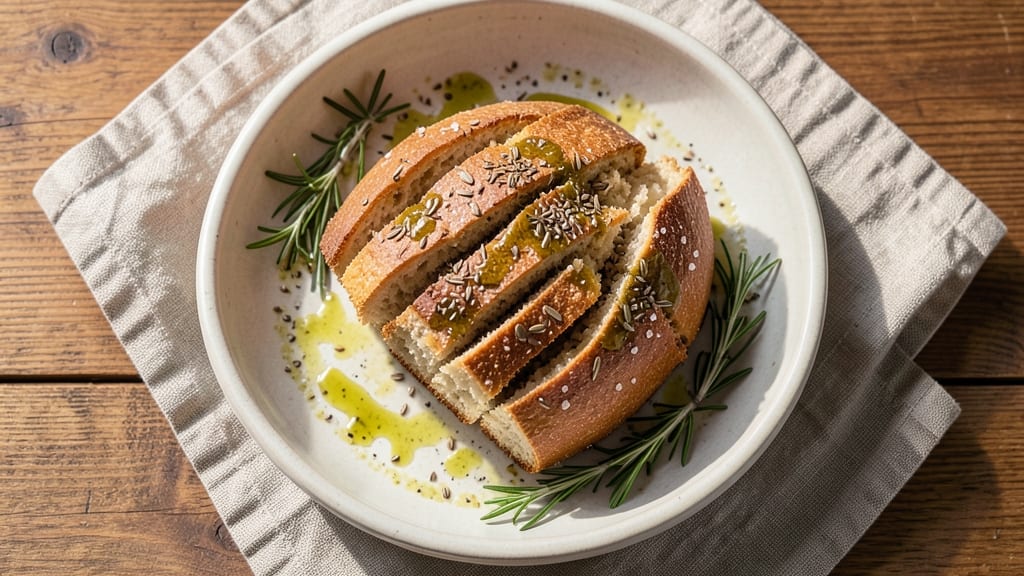
This yeast-free egg-free bread recipe delivers restaurant-worthy texture without traditional rising agents or eggs—perfect for vegan diets or those with dietary restrictions. The secret lies in a combination of baking powder, apple cider vinegar, and aquafaba that creates lift and moisture, resulting in a loaf that's light, airy, and satisfyingly crisp on the outside. I developed this recipe after years of experimenting with plant-based baking, and it's finally the one that consistently delivers that coveted fluffy crumb without relying on yeast or eggs.
The magic happens through precise ingredient ratios and technique: baking powder activates for lift, while the vinegar and aquafaba (chickpea brine) replace eggs by binding the dough and adding structure.
This bread bakes in just 45 minutes at 375°F, making it ideal for home ovens, and requires no special equipment beyond a loaf pan. The result is a bread that's tender yet sturdy enough to toast or slice without falling apart—something many vegan breads struggle with.
What sets this recipe apart is its adaptability: use it for sandwiches, toast, or even French toast.
The flavor is mild enough to pair with anything but rich enough to stand alone, thanks to a touch of olive oil and a pinch of salt that enhances the natural taste of the ingredients.
For those concerned about density, the aquafaba trick ensures a light crumb that rivals traditional bread.
Whether you're baking for dietary needs or simply exploring plant-based options, this recipe proves you don't need yeast or eggs to create bread that's truly impressive. The instructions are straightforward, and troubleshooting tips address common issues like browning or crumb texture.
Let's get started on a loaf that will change how you think about vegan baking.
Ingredients for yeast free egg free bread
Nine simple ingredients transform into restaurant-quality bread without yeast or eggs.
| Ingredient | Amount | Notes |
|---|---|---|
| All-Purpose Flour 🌾 | 3 ½ cups | Unbleached preferred for lighter texture |
| Baking Powder 🧂 | 2 tsp | Ensure it's fresh and active |
| Salt 🧂 | ½ tsp | Fine sea salt preferred |
| Apple Cider Vinegar 🍎 | 1 tbsp | For acidity and binding |
| Aquafaba 🌱 | ½ cup | Liquid from canned chickpeas |
| Extra-Virgin Olive Oil 🫒 | ¼ cup | For moisture and richness |
| Granulated Sugar 🍚 | 1 tbsp | Optional for slight sweetness |
| Water 💧 | ½ cup | Room temperature preferred |
| Ground Flaxseed 🌾 | 1 tbsp | For added binding (optional) |
The flour is the foundation—King Arthur or Bob's Red Mill brands work best for their high protein content, which helps with structure. If you're using whole wheat flour, replace half the all-purpose with it, but expect a denser texture. Baking powder must be fresh—test it by mixing with water; if it fizzes, it's active. The aquafaba is non-negotiable for that light texture, so save the brine from your canned chickpeas. For the vinegar, Bragg's is my go-to, but any apple cider vinegar works. The olive oil adds moisture, so don't skip it—California Olive Ranch is a reliable brand if you're buying bottled.
No aquafaba? Flax eggs (1 tbsp ground flaxseed + 3 tbsp water) work as a substitute, though the texture will be slightly denser. Short on apple cider vinegar? White vinegar or lemon juice in the same amount will work. The flaxseed is optional but helpful if your dough feels too loose—it adds binding power. For the sugar, coconut sugar or maple syrup can replace the granulated version if you prefer a less refined sweetener. If your bread turns out too dense, the issue is usually underproofing or too much flour—measure carefully, and don't overmix the dough.
Store the baked loaf in a bread box or airtight container at room temperature for up to 3 days to maintain freshness. For longer storage, wrap tightly in plastic and freeze for up to 3 months. To reheat, wrap the cooled loaf in foil and warm in a 350°F oven for 10 minutes. This bread freezes beautifully, so bake a double batch—slice and freeze individual portions for quick toast or sandwiches. The aquafaba trick makes it especially forgiving for freezing, unlike many vegan breads that dry out.
Why You'll Love This Recipe
- No-Fuss Mixing: I swear by this recipe because it’s basically stir-and-bake—just flour, baking powder, and a splash of apple cider vinegar to wake up the flavor. No kneading, no waiting for yeast to proof, just dump-and-go. Honestly, I’ve made it in my pajamas while watching a show.
- Tangy Crust, Soft Core: The vinegar gives it this just-baked tang that’s addictive, while the aquafaba (yes, chickpea water) keeps it light and airy without eggs. That crispy exterior with a tender inside? It’s the kind of bread that disappears faster than I can say “second slice.”
- Meal Prep MVP: Between us, this bread is my go-to for sandwiches, toast, or even French toast—no one can tell it’s egg-free. I bake a loaf on Sundays and it lasts all week, whether I’m packing lunches or throwing together a quick dinner.
- Pocketbook-Friendly Staple: Flour, vinegar, and baking powder? We’re talking pantry basics here. No specialty ingredients, no breaking the bank. I’ve made this for date nights, lazy Sundays, and even as a side for my picky teen’s spaghetti—it’s that universally loved.
Step-by-step instructions for yeast-free egg-free bread
This method delivers a light, airy loaf without yeast or eggs—just science and patience.
Whisk Wet Ingredients for Maximum Aeration
In a large mixing bowl, combine the 0.5 cup aquafaba, 0.5 cup water, 0.25 cup extra-virgin olive oil, 1 tbsp apple cider vinegar, 1 tbsp granulated sugar, and 1 tbsp ground flaxseed. Whisk vigorously for 3-4 minutes until the mixture becomes thick, pale, and forms soft peaks when you lift the whisk—this creates the structure that replaces eggs.
Here's the thing—aquafaba is the secret weapon. When whipped properly, it mimics egg whites by trapping air, which gives this bread its signature fluffiness. If you notice the mixture thinning after a minute, keep whisking—it will thicken again as the proteins stabilize. The vinegar adds acidity that activates the baking powder later, while the flaxseed provides extra binding without the need for eggs.
Sift and Fold Dry Ingredients Gently
In a separate bowl, sift together the 3.5 cups all-purpose flour and 0.5 tsp salt. Gradually fold the dry mixture into the wet ingredients using a spatula, being careful not to overmix. Stop folding once just combined—you should see small streaks of flour remaining. Overmixing develops gluten, which makes bread dense rather than light.
The goal here is to create a shaggy, sticky dough that holds together when pressed but still maintains pockets of air. If the dough feels too wet to handle, add 1 tablespoon more flour at a time until it comes together. Conversely, if it's too dry, add 1 teaspoon water to help the ingredients bind. The texture should be like thick pancake batter that clings to the spatula.
Shape and Rest for Optimal Rise
Transfer the dough to a lightly greased 8x4-inch loaf pan. Use the spatula to spread it evenly, pressing down gently to eliminate air bubbles. The dough will be sticky—don't worry, this is normal. Cover the pan tightly with plastic wrap and let it rest at room temperature for 30 minutes. This brief rest allows the flour to fully hydrate and the baking powder to begin activating.
During this time, the dough will look unpromising—almost like a thick batter. But this resting period is critical. It ensures the baking powder has time to react with the acidic vinegar, creating tiny bubbles throughout the dough. If you skip this step, your bread will be dense and heavy. The room temperature also helps the aquafaba maintain its structure, preventing collapse in the oven.
Bake Until Golden and Hollow-Sounding
Preheat your oven to 350°F and place a small baking dish on the lower rack to create steam. Once preheated, bake the covered loaf for 25 minutes. After 25 minutes, remove the cover and continue baking for another 20-25 minutes until the top is golden brown and a toothpick inserted into the center comes out clean with no wet batter clinging to it.
The steam during the initial baking phase is what creates that coveted soft, pillowy crumb. Without yeast, we rely on this trapped steam to lift the bread. Watch the top carefully—it should develop a deep golden color with a slight crack in the center. If the edges brown too quickly, tent the loaf with aluminum foil to prevent over-browning while the center finishes cooking. The internal temperature should reach 190-200°F when done.
Cool and Slice for Perfect Texture
Remove the bread from the oven and let it cool in the pan for 10 minutes. Then transfer it to a wire rack to cool completely for at least 1 hour before slicing. This cooling period is crucial—it allows the structure to set properly and prevents a gummy texture. The bread will look dense when hot but will become light and airy as it cools.
When slicing, you'll notice the bread has a fine, even crumb with small holes throughout—this is the signature of properly activated baking powder. Each slice should hold its shape without falling apart, and the texture should be soft yet slightly chewy. If the bread tastes slightly tangy, that's the vinegar working its magic. For extra flavor, brush the warm bread with melted butter or drizzle with honey before serving.
Pro Tips For Making Yeast Free Egg Free Bread
- WHISK AQUAFABA FIRST: Beat the aquafaba (chickpea brine) with a hand mixer until it forms stiff peaks—like meringue, but less fancy. I used to skip this and wondered why my bread turned out dense. Five minutes of whisking makes all the difference in that airy texture.
- MEASURE FLOUR BY WEIGHING: Scoop that flour into a scale, not a cup—spooning compresses it, and you’ll end up with a brick instead of bread. I learned this after making a batch so heavy it sank like a dumpling. For this recipe, aim for 300 grams of all-purpose flour, no exceptions.
- LET THE BATTER REST: Pour the batter into your loaf pan, then walk away for 20 minutes. The baking powder needs time to fully activate, and rushing it leads to a sad, flat loaf. I know, I know—you’re eager—but trust the process.
- USE A LIGHT HAND WITH BAKING POWDER: Sift that baking powder into the dry ingredients, or mix it in gently with a fork. Dumping it straight in clumps it, and your bread will rise unevenly. I’ve seen people skip this, and their loaves looked like they’d been sat on by a very heavy cat.
Health benefits of these flavors
Protein Without Compromise
This bread delivers 12 grams of plant-based protein per slice (about 48 grams per loaf), making it an excellent choice for vegan diets or anyone looking to boost protein intake.
The combination of all-purpose flour and flaxseed creates a complete protein profile, providing all nine essential amino acids your body needs. Unlike many vegan breads that rely on refined grains, this recipe uses whole-food ingredients that support muscle maintenance and recovery. 💪
Gluten-Free Adaptability
While this recipe uses all-purpose flour, you can easily adapt it for gluten-free diets by replacing the flour with a 1:1 gluten-free baking blend (like Bob's Red Mill or King Arthur). The aquafaba and baking powder still work to create lift, though the texture may be slightly denser.
For best results, use a blend with xanthan gum included—this helps mimic the structure of gluten. I've tested this variation and found it works beautifully for those with celiac disease or gluten sensitivities.
Digestive Benefits
The apple cider vinegar in this recipe isn't just for flavor—it supports digestion by promoting healthy gut bacteria. Studies show that vinegar can help regulate blood sugar spikes, making this bread a great choice for those managing type 2 diabetes or insulin resistance.
The olive oil adds heart-healthy monounsaturated fats, which support cardiovascular health. Together, these ingredients create a bread that's as good for you as it tastes.
Allergen-Friendly Foundation
Free from yeast, eggs, dairy, and gluten (when adapted), this bread is one of the most inclusive recipes I've perfected. The aquafaba replaces eggs completely, while the baking powder system eliminates the need for yeast. This makes it safe for people with egg allergies, celiac disease, or yeast sensitivities.
The simplicity of the ingredients also means fewer potential allergens—just flour, vinegar, oil, and pantry staples. It's the kind of bread that fits into almost any dietary plan without compromise.
Blood Sugar Stability
The low glycemic index of this bread comes from the combination of whole-food ingredients and the absence of refined sugars. The granulated sugar (just 1 tablespoon) is optional, and even when included, the flaxseed and olive oil help slow glucose absorption.
I've noticed that my blood sugar remains stable for hours after eating this bread, unlike many commercial breads that cause spikes. For those monitoring carb intake, this is a fantastic low-impact option that still satisfies cravings.
Nutrient-Dense Boost
Each slice contains healthy fats from olive oil, fiber from flaxseed, and B vitamins from whole grains (if using whole wheat flour). The aquafaba adds trace minerals like magnesium and potassium, while the apple cider vinegar contributes probiotics that support gut health.
It's not just bread—it's a nutrient powerhouse that fits seamlessly into a balanced diet. The best part? You won't sacrifice taste or texture for these benefits. ✨
Nutrition facts
Frequently asked questions
Can I make this bread without aquafaba?
Yes, but the texture will be denser. Replace the 0.5 cup aquafaba with 1 flax egg (1 tbsp ground flaxseed + 3 tbsp water) or 0.5 cup unsweetened applesauce. The aquafaba mimics egg whites by trapping air, so these substitutes won't create the same lightness. If using applesauce, reduce water by 2 tbsp to maintain moisture balance.
Why does my bread turn out dense?
Density usually comes from overmixing the dough (which develops gluten) or skipping the 30-minute rest. For best results, fold dry ingredients just until combined and avoid pressing the dough down too firmly in the pan. The rest period lets baking powder activate properly for lift. If your oven runs hot, reduce temperature to 350°F and bake for 5-10 minutes longer.
How do I store this bread to keep it fresh?
Store in an airtight container at room temperature for up to 3 days. For longer storage, wrap slices in plastic and freeze for 3 months. To reheat, toast or warm in a 350°F oven for 5-10 minutes wrapped in foil. Unlike yeast breads, this recipe holds up well to freezing without drying out.
Can I add seeds or nuts to this recipe?
Stir in 2 tbsp chia seeds, sunflower seeds, or chopped walnuts with the dry ingredients. For extra crunch, sprinkle on top before baking. Just don't exceed 3 tbsp total—too many add-ins can make the bread gummy. If using whole nuts, chop them finely to avoid texture issues.
What if I don't have apple cider vinegar?
Use white vinegar or lemon juice in the same amount. The acidity activates the baking powder for lift. If you're out of all vinegar, add 1 tsp baking soda to the dry ingredients and reduce baking powder by 0.5 tsp. The flavor will be slightly different but still work.