
Breakfast & Brunch
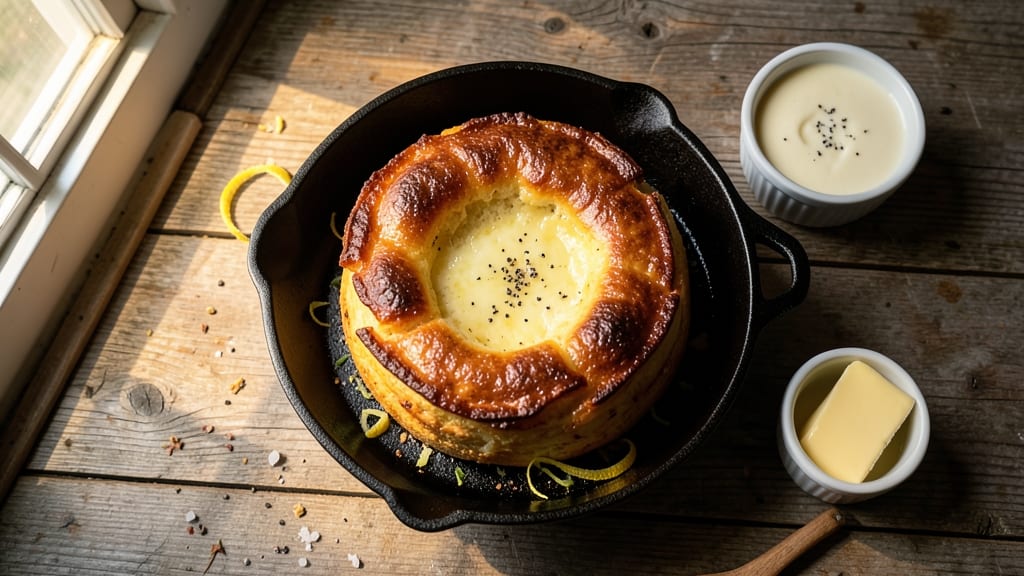
This Yorkshire pudding recipe using just 1 egg delivers restaurant-worthy crispness and towering height—proof that fewer ingredients can yield more dramatic results. The secret lies in precise batter ratios and oven temperature control, transforming simple pantry staples into golden, airy puffs that defy their humble origins.
With high heat as your ally, even a single egg creates that signature crisp shell and tender interior, though you'll make fewer puddings than traditional recipes. What makes this version special is its foolproof technique for achieving maximum rise with limited ingredients.
The batter must rest briefly before baking, allowing gluten to relax and steam to build pressure for those coveted sky-high peaks. A hot oven (450°F) is non-negotiable—this is where the magic happens, turning liquid batter into crispy, golden perfection in minutes.
By the time your puddings emerge, they'll be crisp at the edges with a delicate, almost custard-like center that melts in your mouth. Serve them immediately alongside roast beef, gravy, or even as a breakfast side with eggs and bacon.
The single-egg adjustment means fewer puddings, but each one will be more concentrated in flavor and texture—worth every crispy bite. For best results, use room-temperature ingredients and preheat your oven thoroughly.
This isn't just a recipe; it's a lesson in how precision and patience can elevate simple ingredients into something extraordinary. Let's get baking!
Ingredients for yorkshire pudding 1 egg
Seven essential ingredients transform into golden, crispy Yorkshire puddings with restaurant-quality height.
| Ingredient | Amount | Notes |
|---|---|---|
| Large Eggs 🥚 | 1 whole | Room temperature preferred |
| All-Purpose Flour 🌾 | ¾ cup | King Arthur or similar high-gluten |
| Whole Milk 🥛 | ½ cup | Room temperature, full-fat preferred |
| Unsalted Butter 🧈 | ½ cup | Melted, room temperature |
| Diamond Crystal Kosher Salt 🧂 | ½ tsp | Fine grain preferred |
| Black Pepper 🌶️ | ¼ tsp | Freshly ground for best flavor |
| Vegetable Oil 🫒 | ¼ cup | High smoke point, like canola |
The egg and flour form the structural backbone of Yorkshire puddings, so King Arthur or high-gluten flour is non-negotiable—it develops more gluten for that signature rise. Whole milk and melted butter at room temperature create the ideal batter consistency, while Diamond Crystal kosher salt (not table salt) ensures proper seasoning without overpowering. For the oil, high-smoke-point options like canola or vegetable oil prevent burning in the hot pan. Preheat your oven to 450°F—this is where the magic happens, turning liquid batter into crispy, golden perfection.
No whole milk? Evaporated milk or half-and-half works in a pinch, though texture may vary slightly. Running short on butter? Olive oil or melted shortening can substitute, but butter's richness is ideal. For a lower-fat version, use skim milk and reduce butter to 2 tablespoons. The batter must rest 10-15 minutes before baking—this allows gluten to relax and steam to build pressure for those coveted sky-high peaks. If your batter seems too thick, add 1 teaspoon milk at a time until it reaches a thin, pourable consistency.
Batter keeps for 24 hours in the fridge, though room temperature yields best results. For make-ahead convenience, prepare batter the night before and refrigerate—bring to room temperature before baking. Leftover puddings? Reheat in a 350°F oven for 5-10 minutes to restore crispness. Store in an airtight container for up to 3 days, though they're best enjoyed fresh alongside roast beef or gravy.
Why You'll Love This Recipe
- Four-Ingredient Magic: I swear by this version—just eggs, flour, milk, and butter. No fussing with extra yolks or complicated ratios, and it still delivers that iconic rise and crisp.
- Crispy-Creamy Balance: That golden crust with a pillowy center? It’s all in the hot butter and a splash of milk—simple, but ridiculously satisfying. Honestly, it’s the kind of texture that makes you pause mid-bite.
- Sunday Roast Star: Slather it with gravy, pile on roasted veggies, and suddenly your weeknight dinner feels like a proper British feast. (Yes, even on a Tuesday night.)
- Budget-Friendly Luxury: A single egg and a handful of pantry staples stretch far—perfect for feeding a crowd or sneaking leftovers into breakfast the next day. My wallet and my taste buds thank me.
Step-by-step instructions for Yorkshire pudding
Master this classic with precision—crispy edges, golden domes, and perfect rise every time.
Prepare the Batter with Precision
In a medium mixing bowl, whisk together the 1 whole Large Eggs until smooth and fully combined. The egg should be at room temperature for best results—this prevents lumps in the batter. Gradually add the 0.75 cup All-Purpose Flour, whisking continuously to eliminate any clumps. The mixture should resemble thick pancake batter with a slightly coarse texture.
Next, pour in the 0.5 cup Whole Milk and whisk until fully incorporated. The batter should be smooth but still slightly thick—it should coat the back of a spoon but not drip. Add the 0.5 tsp Diamond Crystal Kosher Salt and 0.25 tsp Black Pepper, whisking until evenly distributed. This step is crucial: overmixing can develop gluten, which will make your puddings tough instead of crisp. Let the batter rest for 10 minutes at room temperature while you prepare the oven.
Preheat and Prepare the Pan
Preheat your oven to 450°F—this high temperature is essential for achieving that signature crispy exterior. While the oven heats, place a 12-inch cast-iron skillet (or oven-safe baking dish) on the stovetop over medium-high heat. Add the 0.25 cup Vegetable Oil and let it get very hot—you're looking for a shimmering effect, not smoke. The oil should be hot enough to sizzle when you add a drop of batter later.
Once the oil is shimmering, carefully pour the 0.5 cup Unsalted Butter into the skillet. The butter will foam and melt quickly—this is normal. Swirl the pan gently to coat the bottom evenly with the butter and oil mixture. The butter will create a rich, golden crust on your puddings. Place the skillet in the preheated oven for 5 minutes to ensure it's piping hot before adding the batter.
Bake for Crispy Perfection
Remove the skillet from the oven and immediately pour the batter into the hot pan, dividing it evenly into 4 equal portions (about ¼ cup each). Use a spoon to spread the batter into small circles—each should be about 2 inches in diameter and ½ inch thick. Return the skillet to the oven and bake for 20-25 minutes until the puddings are deep golden brown and have risen dramatically.
Here's the key: do not open the oven door during baking. The sudden temperature drop will cause the puddings to collapse. You'll know they're done when the tops are cracked and crispy, and they've puffed up to nearly double their original size. If they brown too quickly, tent the skillet loosely with aluminum foil to prevent over-browning while they continue to cook.
Rest and Serve Immediately
Remove the puddings from the oven and let them rest in the skillet for 2-3 minutes—this allows them to set slightly and makes them easier to handle. Yorkshire puddings are best served immediately while still crispy. Use a thin spatula to transfer them to a serving platter, being careful not to puncture the delicate domes.
Serve them hot alongside roast beef, gravy, or even as a side to breakfast dishes. The secret to their success lies in the high heat and precise timing—once you master this, you'll achieve that perfect balance of crispy exterior and tender interior every time. If you're making them ahead, reheat in a 350°F oven for 5-10 minutes to restore crispiness.
Pro Tips For Making Yorkshire Pudding 1 Egg
- CRANK THE HEAT: Yorkshire puddings need a screaming-hot pan—like, the butter should sizzle aggressively before you pour in the batter. I learned this the hard way when mine turned out dense and pale; now I preheat the oven to 450°F (230°C) and let the muffin tin or cast-iron skillet get blistering before adding a knob of butter.
- WHISK THE BATTER THIN: The batter should be like heavy cream—smooth, glossy, and just thick enough to coat the back of a spoon. Overmixing or using too much flour makes it gummy. If it looks like pancake batter, add a splash more milk. Thin is the secret to those airy pockets.
- SALT THE BUTTER: Skip this, and your puddings will taste bland. Generously salt the butter before it melts—about ¼ teaspoon per tablespoon. The salt caramelizes into the batter, giving it depth. (Yes, even if you’re using salted butter elsewhere in the meal.)
- COVER THEM IMMEDIATELY: As soon as you pour the batter, slap a lid on the pan or muffin tin—no waiting. This traps steam and forces the puddings to rise fast. If you peek too early, they’ll collapse like sad soufflés. Trust the process; they’ll puff up dramatically in minutes.
Perfect pairings for this recipe
Classic Roast Dinner
Yorkshire puddings shine brightest as the crispy companion to roast beef or lamb. The savory richness of gravy soaks into their tender centers, creating a flavor symphony.
I love serving them with Yorkshire pudding gravy—made by deglazing the roasting pan with beef stock and a splash of red wine. For extra decadence, top with crispy fried onions and a sprinkle of fresh parsley. 🥩
Breakfast Reinvention
Swap your morning toast for Yorkshire puddings—they’re perfect with scrambled eggs, bacon, or sausages. Add a dollop of sour cream or crème fraîche for a creamy contrast.
I sometimes drizzle them with hot honey or maple syrup for a sweet-savory twist. This breakfast hack became a weekend favorite in my house. 🍳
Gravy Elevation
Use leftover puddings to thicken gravy—simply crumble them into your pan sauce while cooking. The crispy edges melt into the liquid, creating a luxuriously rich base.
For a cheese sauce twist, stir in sharp cheddar and a splash of cream while reheating. This trick turns ordinary gravy into a gourmet masterpiece. 🧀
Global Fusion Twist
Try a French-inspired version by serving with coq au vin or duck confit. For a Mexican twist, top with black beans, corn, and avocado for a crispy, savory taco-like bite.
I’ve also paired them with curry—the contrast of crispy pudding against tender curry meat is unforgettable. 🌶️
Dessert Surprise
Who says puddings are just for savory dishes? Sweeten the batter with vanilla extract and brown sugar, then bake as usual. Serve with warm caramel sauce or whipped cream for a decadent dessert. Trust me, the crispy texture holds up beautifully to sweet toppings. 🍮
Drink Pairings
A crisp white wine like Chardonnay or Sauvignon Blanc complements the buttery richness of Yorkshire puddings. For beer lovers, a hoppy IPA cuts through the fat beautifully. I also enjoy a robust English ale—the maltiness balances the crispy, golden texture perfectly. 🍺
Nutrition facts
Frequently asked questions
Why does my 1-egg batter seem too thick?
The batter should coat the back of a spoon but not drip. If it's too thick, whisk in 1 teaspoon milk at a time until smooth. Overmixing develops gluten, which makes puddings tough instead of crisp. Let it rest 10 minutes before baking—this helps with texture.
Can I make these ahead of time?
Freshness is key—serve immediately for crispness. If needed, reheat in a 350°F oven for 5-10 minutes to restore texture. The batter can be prepped 24 hours ahead and refrigerated, but bring it to room temperature before baking.
What if my puddings collapse?
Opening the oven door too soon causes this! Keep the door closed during baking—450°F heat creates steam that makes them rise. If they brown too fast, tent loosely with foil. For extra rise, ensure your oil is shimmering hot before adding batter.
How many puddings does this recipe make?
With 1 egg, you'll get about 4 small puddings (2-inch diameter). Traditional recipes use 2-3 eggs for 6-8 puddings. The single-egg version yields fewer but more concentrated flavor—perfect for special occasions or smaller portions.
Can I substitute butter with oil?
Yes! Use ½ cup melted butter or ¼ cup oil (like canola). Butter adds richness, but oil works well. For a lighter version, reduce butter to 2 tablespoons and add ¼ cup milk instead. The key is maintaining the hot oil/butter base for crispiness.