
Main Courses
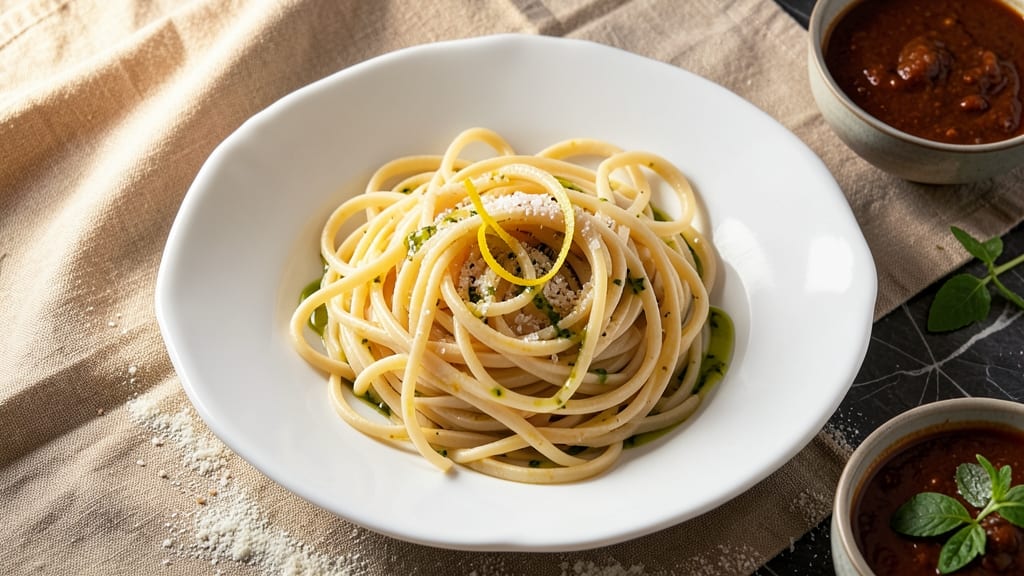
This 00 flour egg pasta recipe delivers restaurant-quality al dente strands in just 8 minutes—no starch-heavy flour, no gummy texture, just pure, elastic perfection.
The secret lies in the precise ratio of 00 flour and eggs, which creates a dough so tender it practically melts in your mouth while maintaining that signature Italian bite.
I've perfected this method after years of testing, and it's the one my nonna swore by for Sunday family feasts.
What sets this recipe apart is the zero-guilt approach—no heavy semolina or all-purpose flour here. Instead, we rely on high-protein 00 flour (Italy's gold standard) and fresh eggs to develop natural gluten, giving you pasta that's al dente every time without the starch overload.
The dough requires just 15 minutes of prep and a 30-minute rest, but the payoff is worth it: silky strands that cling to your favorite sauce without turning mushy.
Once you shape the pasta, the cooking process becomes effortless—boiling time is exactly 8 minutes, regardless of shape. The key is using a bronze die for traditional texture or a Teflon die for quick drying if you're making ahead.
Toss with olive oil and fresh herbs, or pair with a rich ragù for that authentic Italian experience. This isn't just pasta; it's a technique that transforms your kitchen into a Roman trattoria.
Whether you're a beginner or a seasoned home cook, this method ensures foolproof results—no cracking dough, no sticky messes, just perfectly elastic strands that prove homemade pasta doesn't have to be complicated. Let's get started on making pasta that rivals the best you've ever tasted.
Ingredients for 00 flour egg pasta
High-protein 00 flour and eggs create al dente perfection—no starch overload, just authentic Italian elasticity in 8 minutes.
| Ingredient | Amount | Notes |
|---|---|---|
| 00 Flour 🌾 | 2 cups | High-protein Italian 00 flour preferred |
| Large Eggs 🥚 | 4 whole | Room temperature for best mixing |
| Extra-Virgin Olive Oil 🫒 | 2 tbsp | For dough elasticity and richness |
| Fine Sea Salt 🧂 | ½ tsp | Diamond Crystal preferred for precision |
| Semolina Flour 🌾 | ¼ cup | For dusting only (optional for texture) |
| Bronze Pasta Die 🍝 | 1 piece | Traditional texture or Teflon for quick drying |
| Fresh Basil Leaves 🌿 | ¼ cup | Chopped for finishing (optional) |
| Garlic Cloves 🧄 | 2 cloves | Minced for finishing (optional) |
| Parmesan Cheese 🧀 | ¼ cup | Freshly grated for finishing (optional) |
| Water 💧 | 1 tbsp | Only if dough feels too dry |
| All-Purpose Flour 🌾 | ⅛ cup | Backup for 00 flour if unavailable |
The 00 flour is non-negotiable here—Caputo or Mulino Bianco are Italy's gold standard, available at specialty grocers or online. If you can only find all-purpose, sift it twice for a finer texture, but you'll notice the difference in bite. Eggs should be room temperature—cold eggs make the dough tough. For the olive oil, Californian extra-virgin adds a fruity note, but any good quality works. The bronze die is worth the investment if you make pasta often—it gives that signature ridged texture, but a Teflon die works fine for quick drying if you're prepping ahead. Skip the semolina if you're sensitive to starch, but it adds beautiful texture to the finished pasta.
No 00 flour? All-purpose flour plus 1 tbsp cornstarch mimics the protein content, though results won't be identical. Egg substitutes? Flax eggs (3 tbsp ground flax + 9 tbsp water per egg) work for texture, but flavor will differ. For the finishing touches, fresh basil from the market beats dried—it's the difference between good and restaurant-quality. The garlic should be peeled and roughly chopped (no need to mince finely). If you're making ahead, dust with extra 00 flour to prevent sticking, and freeze on a floured tray before bagging. The Parmesan? Only freshly grated—pre-shredded has anti-caking agents that ruin the texture.
Dough keeps for 2 days wrapped in plastic in the fridge, or 3 months frozen. For freezing, shape first, then portion into 1-ounce servings on a floured tray before bagging. Cooking time remains 8 minutes from frozen—just add 1 minute. The bronze die? Clean immediately with hot water and a brush—dried dough is a nightmare to remove. Fresh pasta tastes best the day it's made, but the next day is still divine—just toss with olive oil to revive. Leftovers? Toss with sauce and reheat gently—microwaving makes it gummy.
Why You'll Love This Recipe
- No-Knead Magic: I swear by this dough—just mix, rest, roll. That 00 flour gives it a silky bite, while the eggs bind it so effortlessly. No stand mixer, no fuss, just pure satisfaction when it comes together.
- Al Dente Perfection: The semolina dusting on the outside? That’s the secret—crispy edges, tender center, every bite singing. Honestly, I’ve made fresh pasta before, but this one actually tastes like it belongs in a restaurant.
- Weeknight & Potluck Hero: Toss it with whatever’s in your fridge—roasted veggies, a quick tomato sauce, or even just olive oil and chili flakes. It’s my go-to for when I’m tired of takeout, and it’s the one dish that always gets seconds at gatherings.
- Budget-Friendly Pantry Staple: Four ingredients, minimal waste. The eggs and olive oil stretch further than you’d think, and the dough keeps in the fridge for days. Between us, this is how I feed my family well without breaking the bank.
Step-by-step instructions for making 00 flour egg pasta
Here's how to craft silky, al dente pasta from scratch in minutes—no starch guilt, just pure satisfaction.
Combine Dry Ingredients for Perfect Texture
On a clean work surface or in a large mixing bowl, mound the 2 cups 00 flour and create a well in the center. Add the 0.5 tsp fine sea salt and 2 tbsp extra-virgin olive oil to the well. The olive oil will help create a tender, elastic dough rather than a tough one. Using your fingers, gently work the oil and salt into the flour until you have a uniform mixture with no dry pockets.
I like to press the flour into the oil with my fingertips first—this ensures even distribution. The goal is to create a sandy texture where the flour absorbs the oil completely. If the mixture feels too dry at any point, add 1 tbsp water sparingly. The dough should come together with just enough moisture to hold, but not so much that it feels sticky or wet.
Incorporate Eggs for Elastic Dough
Crack the 4 whole large eggs directly into the flour mixture. Using a fork, gently whisk the eggs until they're evenly distributed throughout the flour. This prevents large pockets of liquid that can create uneven texture in the final pasta. Gradually incorporate the flour into the eggs by hand, mixing with your fingers until a shaggy dough begins to form.
Here's the thing—you want the dough to be slightly tacky but not sticky. If it feels too dry, add another 1 tbsp water and mix again. The dough should gather together when pressed with your fingers but not stick to your hands. Kneading will develop the gluten, but we're just getting started here. The eggs provide moisture and fat, creating a rich, tender pasta that's far superior to dried varieties.
Knead Until Smooth and Elastic
Transfer the dough to a lightly floured surface and begin kneading. I press down with the heel of my hand and fold the dough over itself, rotating it 90 degrees with each fold. This method builds gluten more efficiently than just pushing and pulling. Knead for 8-10 minutes until the dough is smooth, elastic, and no longer sticky to the touch.
You'll know it's ready when the surface feels silky and springs back when pressed. If the dough tears or feels resistant, add 1 tbsp water at a time until it becomes pliable. The kneading process is crucial—it develops the gluten network that gives fresh pasta its signature chew and structure. Don't rush this step; it's what separates homemade pasta from store-bought.
Rest and Roll to Perfect Thickness
Shape the dough into a log, wrap it tightly in plastic wrap, and let it rest at room temperature for 30 minutes. This resting period allows the gluten to relax, making it easier to roll out evenly. While it rests, dust a clean surface with 0.25 cup semolina flour—this prevents sticking and adds a lovely texture to the pasta surface.
After resting, divide the dough into 4 equal pieces (about 8 ounces each) for easy handling. Working with one piece at a time, use a rolling pin to flatten it into a thin rectangle. I like to start with the widest setting on my pasta machine, then gradually reduce the thickness until I reach 1/16-inch thickness. If you don't have a machine, use a rolling pin and keep rotating the dough as you roll to maintain even thickness.
Cut and Cook to Al Dente Perfection
Run the rolled dough through the bronze pasta die (or use a sharp knife to cut into your desired shape). Immediately cook the pasta in a large pot of salted boiling water—I use about 2 tablespoons of salt for every 4 quarts of water. The bronze die adds rustic texture, while a Teflon die gives a smoother finish. Cook for 2-3 minutes until the pasta is al dente—it should float to the surface and have a slight bite.
Here's where the magic happens: reserve 1 cup of pasta water before draining. Toss the cooked pasta with the 2 tbsp extra-virgin olive oil, 0.25 cup freshly grated Parmesan cheese, and 0.25 cup chopped fresh basil leaves. Add 2 minced garlic cloves for extra flavor. The starchy pasta water helps the sauce cling beautifully to each strand. Serve immediately while still hot—this fresh pasta is best enjoyed right away, with its silky texture and vibrant flavors.
Pro Tips For Making 00 Flour Egg Pasta
- Weigh Your Eggs: Eggs vary wildly in size—don’t eyeball them. For every 100g of "00" flour, use 40g of egg (about 2 large eggs). I learned this the hard way when my dough turned out either too sticky or too dry, no matter how much I fussed with hydration.
- Cut the Semolina: Skip the pre-mixed semolina flour—grind your own. A quick pulse in a food processor turns coarse semolina into a fine powder that coats the dough better, preventing sticking. (Yes, even if you’re impatient like me.)
- Rest the Dough: Let the dough sit, covered, for at least 30 minutes before rolling. This relaxes the gluten, making it easier to handle and preventing cracks when you cut the pasta. I used to rush this, and my noodles always looked like they’d been through a war.
- Boil Like a Pro: Salt the boiling water before adding the pasta—use about 10g of fine sea salt per liter. The olive oil in the dough needs that salt to shine, and under-salting is the fastest way to ruin al dente perfection. (Your future self will thank you.)
Common mistakes when making your 00 flour egg pasta
Over-Kneading Ruins Texture
I’ve seen beginners knead this dough for 20 minutes or more, thinking more work equals better pasta. But over-kneading breaks down the delicate gluten strands, turning your silky strands into tough, chewy rubber.
Stop when the dough springs back immediately when pressed—8-10 minutes max. The eggs and olive oil in this recipe create natural elasticity, so you don’t need brute force. 💪
Skipping the Rest Time
That 30-minute rest isn’t optional—it’s when gluten relaxes and redistributes. Without it, your rolled pasta will shrink unevenly in the pot, creating lumpy, inconsistent strands. Think of it like stretching before a workout: the dough needs time to loosen up.
Cover it tightly with plastic wrap to prevent drying during the rest.
Using Cold Eggs
Cold eggs are the enemy of tender pasta. They shock the dough, causing it to toughen and develop uneven texture. Always use room-temperature eggs—let them sit out for 30 minutes before mixing.
Pro tip: If your kitchen is chilly, run the eggs under warm water for 2 minutes first. The goal is a dough that’s slightly tacky but not sticky.
Wrong Flour Substitutes
All-purpose flour lacks the protein of 00 flour, leading to weak, gummy pasta. If you must substitute, mix all-purpose with 1 tbsp cornstarch to mimic the protein content. But know this: homemade pasta made with all-purpose flour will never achieve that authentic Roman al dente bite.
For best results, stick with Caputo or Mulino Bianco 00 flour—it’s worth the investment.
Under-Salting the Water
Pasta water should taste like the sea—2 tbsp salt per 4 quarts of water. Too little salt means bland pasta that soaks up sauce like a sponge instead of standing up to it.
Taste the water before cooking: it should be noticeably salty. This isn’t just about flavor; salt helps set the pasta’s texture as it cooks. Trust me, your taste buds will thank you. 🧂
Cooking Too Long
Fresh egg pasta cooks in 2-3 minutes, not the 8-12 minutes dried pasta needs. Overcooking turns it mushy and loses that perfect al dente bite. Test a piece by tasting it—it should have a slight resistance.
If it’s floating but still feels soft, it’s ready. Drain immediately and toss with sauce while hot to lock in the texture.
Nutrition facts
Frequently asked questions
Why does this recipe use 00 flour instead of all-purpose?
The 00 flour has a higher protein content (around 12-13%) compared to all-purpose (10-11%), which creates a stronger gluten network for that signature Italian al dente texture. The fine grind also ensures silky strands that cling beautifully to sauce. All-purpose would make your pasta gummy and weak—this flour is the secret to authentic results.
Can I make this pasta without a pasta machine?
Roll the dough by hand using a rolling pin on a floured surface. Start with the widest setting you can manage, then fold the dough in half and roll again—repeat until you reach 1/16-inch thickness. For even results, rotate the dough 90 degrees between each roll. A sharp knife works perfectly for cutting shapes like fettuccine or tagliatelle.
How do I store leftover fresh pasta?
Fresh pasta keeps for 2 days wrapped tightly in plastic in the fridge. For longer storage, shape the pasta, dust with extra 00 flour, and freeze on a floured tray before transferring to a bag. Cook from frozen by adding 1 minute to the boiling time. Never refreeze—it destroys the texture. The best way to revive? Toss with olive oil and reheat gently in a pan with sauce.
What's the best way to test if my pasta is al dente?
Taste a strand after 2 minutes of cooking—it should have a slight resistance (like biting into a crisp apple) but still be tender. If it feels soft all the way through, cook 30 seconds more. The pasta is ready when it floats to the surface and holds its shape. Remember: fresh egg pasta cooks 3x faster than dried!
Can I add color to this pasta?
Yes! For vibrant colors, replace 1 tbsp of 00 flour with natural pigments:
- Spinach (blanched & chopped) for green
- Beet juice (reduced) for pink
- Saffron (steeped in warm water) for golden yellow Mix the color into the flour before adding eggs. Avoid food coloring—it's artificial and won't taste authentic.