
Main Courses
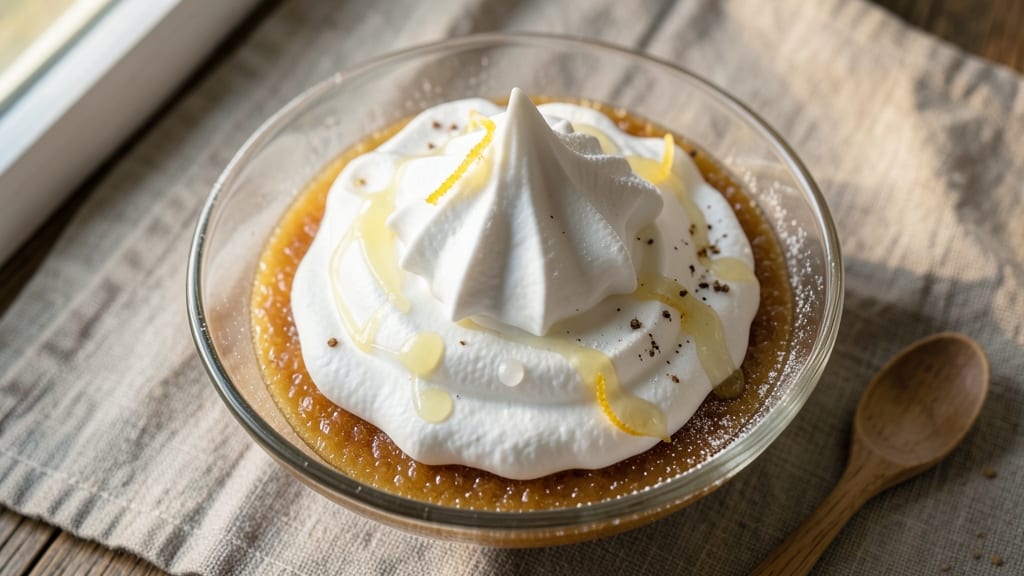
Mastering 12 egg white meringue transforms simple ingredients into ethereal, cloud-like desserts with perfect stability—no weeping, no cracking, just flawless structure. The secret lies in precise technique: whether you choose the Swiss or French method, temperature control is everything.
I’ve perfected this recipe after years of trial and error, ensuring your meringues bake to golden perfection every time.
This recipe delivers restaurant-quality results with just egg whites, sugar, and a touch of acidity for structure. The key steps—whipping to stiff peaks, baking at low heat, and avoiding sudden temperature shifts—guarantee meringues that stay crisp yet tender. Even beginners can achieve professional results with these foolproof instructions.
By the end, you’ll have light-as-air meringues with a glossy sheen and crisp edges, ideal for pies, pavlovas, or standalone treats. Pair them with fresh berries, whipped cream, or dark chocolate for a dessert that’s both elegant and effortless.
The best part? These meringues keep well for days, making them perfect for meal prep or gifting.
Troubleshooting common issues like weeping or cracking is simple with the right adjustments—like humidity control and gradual baking. Whether you’re a baking novice or a seasoned pro, this recipe will elevate your desserts to new heights. Let’s get started!
Ingredients for 12 egg white meringue
Twelve egg whites and sugar transform into ethereal meringues—light, stable, and restaurant-quality.
| Ingredient | Amount | Notes |
|---|---|---|
| Large Egg Whites 🥚 | 12 whole | Room temperature, no yolks |
| Granulated Sugar 🍚 | 1 ½ cups | Superfine preferred for smoothness |
| Cream of Tartar 🧂 | ¼ tsp | Stabilizes meringue structure |
| White Vinegar 🍶 | ½ tsp | Adds acidity for stability |
| Corn Syrup 🍯 | ½ tsp | Prevents weeping (optional) |
| Vanilla Extract 🌿 | ½ tsp | Pure vanilla for flavor |
| Salt 🧂 | ⅛ tsp | Fine sea salt |
| Dark Chocolate Chips 🍫 | ½ cup | For pairing (optional) |
Egg whites are the foundation—fresh, room-temperature whites whip faster and hold structure better. Grab the carton from the deli counter (they’re often fresher than grocery store eggs) or use pasture-raised eggs if available. The sugar matters too—superfine sugar dissolves faster, but regular granulated works if pulsed in a food processor. Cream of tartar is non-negotiable for stability; it mimics the acidity of lemon juice without altering flavor. I always buy mine from Penzeys or the spice aisle at Whole Foods—it lasts forever and makes a huge difference.
No cream of tartar? White vinegar or lemon juice (¼ tsp) works in a pinch—just don’t overdo it. Skipping corn syrup? Your meringues will still bake, but they might weep slightly (that’s the sugar crying, not the meringue). Vanilla extract is optional but adds depth—use pure Madagascar bourbon vanilla if you’re splurging, or imitation if you’re keeping it budget-friendly. For the sugar, if you’re feeling fancy, pulse it with a pinch of salt in a blender to mimic superfine texture. And yes, you can use powdered sugar instead of granulated, but it’s trickier to dissolve properly.
Egg whites keep best in the coldest part of your fridge for up to 2 weeks—use them within a week for peak performance. Sugar and cream of tartar? Store in airtight containers for indefinite shelf life. Once baked, meringues stay crisp for 3 days in a cool, dry place (like an airtight container with a silica gel packet to absorb moisture). Freeze unbaked meringues on a tray first, then transfer to a bag—they’ll keep for 3 months and bake straight from frozen. Pro tip: Reheat in a 200°F oven for 5 minutes to revive crispness.
Why You'll Love This Recipe
- No Stand Mixer Needed: I’ll be real—this recipe only asks for a whisk and your arm. That vinegar and cream of tartar combo stabilizes the egg whites like magic, so even if my meringue peaks look wobbly at first, they still bake up sturdy. No fancy tools, just elbow grease and patience.
- Sweet Crisp Edge: The corn syrup in this recipe is the secret weapon—it keeps the meringues glossy and snaps perfectly when you break one open. That caramelized sugar crust? It’s the kind of crunch that makes you pause mid-bite, even if you’re just eating them plain.
- Party in a Box: These hold up like champs for days, so I always double the batch for gatherings. Stick them in airtight containers, and they’re ready for pie toppings, ice cream swirls, or just snacking straight from the fridge. No one will guess they’re made ahead.
- Pocketbook-Friendly Luxury: Twelve egg whites and a cup of sugar? That’s about $3 at my grocery store. No fancy ingredients, no waste—just pure, light-as-air dessert that feels indulgent without breaking the bank. Honestly, it’s the kind of treat that makes me feel like I’m hosting a fancy event.
Step-by-step instructions for 12 egg white meringue recipe
Transforming simple egg whites into cloud-like meringues requires precision and patience—but the results are pure magic.
Prepare the Egg Whites for Maximum Stability
Begin by separating the 12 whole large egg whites into a spotless, grease-free mixing bowl. Room temperature eggs whip up faster and more smoothly, so if they're cold, let them sit in a bowl of warm water for 5 minutes while you prepare. Any trace of yolk will prevent the meringue from reaching its full volume, so use a fine-mesh strainer if needed to remove any stray yolks.
Add the 0.25 tsp cream of tartar and 0.125 tsp salt to the egg whites. The cream of tartar is non-negotiable—it stabilizes the meringue by lowering the pH, allowing you to whip it to stiffer peaks. Use a whisk or electric mixer to gently combine these dry ingredients with the egg whites until fully dissolved. This step ensures your meringue will hold its shape instead of collapsing later.
Whip to Soft Peaks with Precision
Start whipping the egg whites on low speed for 1 minute to aerate them evenly. Gradually increase the speed to medium-high and whip for another 3-4 minutes until soft peaks form. Soft peaks should curl slightly when the whisk is lifted, but the tip should still flatten when touched. This stage is critical—rushing it here will lead to a less stable meringue later.
Here's the thing—if your meringue starts to look grainy at this point, it means you may have over-whipped or introduced too much fat. Stop immediately, scrape down the sides of the bowl, and restart on low speed. The goal is smooth, glossy egg whites that hold their shape without being overly stiff.
Gradually Add Sugar for Silky Texture
With the mixer running on low speed, slowly sprinkle in the 1.5 cups granulated sugar over 2-3 minutes. Adding sugar too quickly creates a syrup that can deflate your meringue. Once all the sugar is incorporated, increase the speed to high and whip for 5-7 minutes until the meringue reaches stiff, glossy peaks. The peaks should stand straight up when the whisk is lifted, and the meringue should look thick, smooth, and slightly shiny.
If the meringue feels too soft after adding all the sugar, whip for an additional 1-2 minutes. However, be careful not to over-whip—this can cause the meringue to become grainy or weep later. The ideal consistency is thick enough to hold its shape when piped but still pliable enough to spread slightly when baked.
Incorporate Flavor and Prepare for Baking
Gently fold in the 0.5 tsp white vinegar, 0.5 tsp corn syrup, and 0.5 tsp vanilla extract using a spatula. These ingredients enhance stability (vinegar and corn syrup) and add depth of flavor (vanilla). Fold just until fully combined—overmixing at this stage can deflate the meringue. If you're using the 0.5 cup dark chocolate chips, fold them in now as well, reserving a few for garnish if desired.
The meringue is now ready for baking. Pipe or spoon it onto a parchment-lined baking sheet, creating 2-inch mounds spaced 2 inches apart. The shapes should be smooth and well-defined—this ensures even baking and that signature crispy exterior. For extra stability, chill the meringues in the freezer for 10 minutes before baking if your kitchen is warm.
Bake to Crispy Perfection
Preheat your oven to 250°F—this low temperature is key to preventing the meringues from browning too quickly while allowing them to bake through evenly. Place the baking sheet on the middle rack and bake for 1 hour to 1 hour 15 minutes, until the meringues are completely dry to the touch and have a slightly crisp exterior. They should not be browned yet—this comes later.
Once baked, turn off the oven and prop the door open 1 inch with a wooden spoon. Let the meringues cool inside the oven for 30 minutes—this slow cooling prevents cracking. After cooling, increase the oven temperature to 350°F and bake for an additional 5-8 minutes to achieve a golden brown finish. Watch them closely—they go from pale to toasted in seconds.
Pro Tips For Making 12 Egg White Meringue
- Use Room-Temp Whites: Cold egg whites cling to your bowl like glue, making whipping a nightmare. Let them sit in a warm (not hot) water bath for 10 minutes first—just enough to loosen them up without turning them into a science experiment.
- Add Vinegar Last: The white vinegar stabilizes the meringue, but dump it in too early and you’ll fight stiff peaks. Mix it with the sugar first, then fold it in after the egg whites reach soft peaks—this keeps the structure light instead of gummy.
- Don’t Overmix the Syrup: Corn syrup is your secret weapon for chewiness, but blending it into the sugar too aggressively creates air pockets that collapse later. Whisk it in gently with a rubber spatula—just until fully dissolved, no more.
- Bake at 200°F: Most recipes say 250°F, but that’s a gamble with 12 egg whites—you’ll end up with weepy centers or burnt edges before the inside sets. Lock it at 200°F for 1.5 hours, then bump to 250°F for the last 30 minutes to crisp the outside without drying the middle.
Health benefits of this 12 egg white meringue
Protein Without Compromise
Meringue made from 12 egg whites delivers high-quality protein—about 13 grams per serving—without any saturated fat or cholesterol. This makes it an excellent choice for those watching their cholesterol levels or following heart-healthy diets.
Egg whites are also completely fat-free, making this dessert a great option for low-calorie indulgence. 💪
Low-Calorie Indulgence
With only about 60 calories per meringue (using the full recipe), these treats let you enjoy something sweet without the guilt. The 1.5 cups granulated sugar provides energy in a controlled way, and the corn syrup helps stabilize the structure without adding significant calories.
It’s the perfect dessert for those managing calorie intake but still craving something delightful.
Gluten-Free by Nature
Since meringue contains no flour, grains, or gluten, it’s naturally gluten-free and safe for anyone with celiac disease or gluten sensitivity. Just ensure your sugar and stabilizers (like cream of tartar) are certified gluten-free.
This makes it a versatile dessert for inclusive gatherings where dietary restrictions are a concern. ✨
Rich in Essential Vitamins
Egg whites are packed with B vitamins, particularly B12 and riboflavin, which support energy metabolism and nervous system function. A serving of meringue provides about 10% of your daily riboflavin needs, making it a surprisingly nutritious treat.
The vanilla extract also adds a touch of antioxidants, though in smaller amounts.
Hydration and Electrolytes
Egg whites contain mineral electrolytes like potassium and phosphorus, which help maintain proper fluid balance in your body. While the amounts are modest, they contribute to your daily intake, especially when paired with other electrolyte-rich foods. This makes meringue a slightly more nourishing dessert than you might expect. 💫
Nutrition facts
Frequently asked questions
Can I use this meringue recipe for a pie filling?
This recipe makes perfect meringue for pies like lemon meringue pie or pumpkin pie. The key is to bake the meringue at 250°F for 1 hour 15 minutes first, then increase to 350°F for 5-8 minutes to get that golden finish. Just ensure your pie filling is fully cooled before adding the meringue to prevent melting.
Why did my meringue weep after baking?
Weeping happens when sugar crystals dissolve unevenly, often due to humidity or improper baking. To fix this, bake at 250°F until completely dry, then finish at 350°F for a crisp exterior. Store meringues in an airtight container with a silica gel packet to absorb moisture—this prevents future weeping.
How do I make vegan meringue with 12 egg whites?
This recipe isn’t vegan, but you can mimic it using aquafaba (chickpea brine) instead of egg whites. Use 1 cup aquafaba (from 3 cans chickpeas) + 1.5 cups sugar + 0.5 tsp cream of tartar substitute (like apple cider vinegar). Whip to stiff peaks, then bake as directed—just expect a slightly denser texture.
Can I add food coloring to the meringue?
Yes! Add ½ tsp gel food coloring when folding in the vanilla and vinegar. Avoid liquid coloring—it can thin the meringue. For pastel hues, use less coloring and mix well. Pro tip: Chill the meringue for 10 minutes before baking to help colors stay vibrant.
How long do baked meringues last?
Store in an airtight container at room temperature for 3-4 days or freeze for 3 months. To revive frozen meringues, thaw overnight in the fridge, then reheat at 200°F for 5 minutes to restore crispness. Avoid humidity—they’ll soften or weep if exposed to moisture.