
Desserts
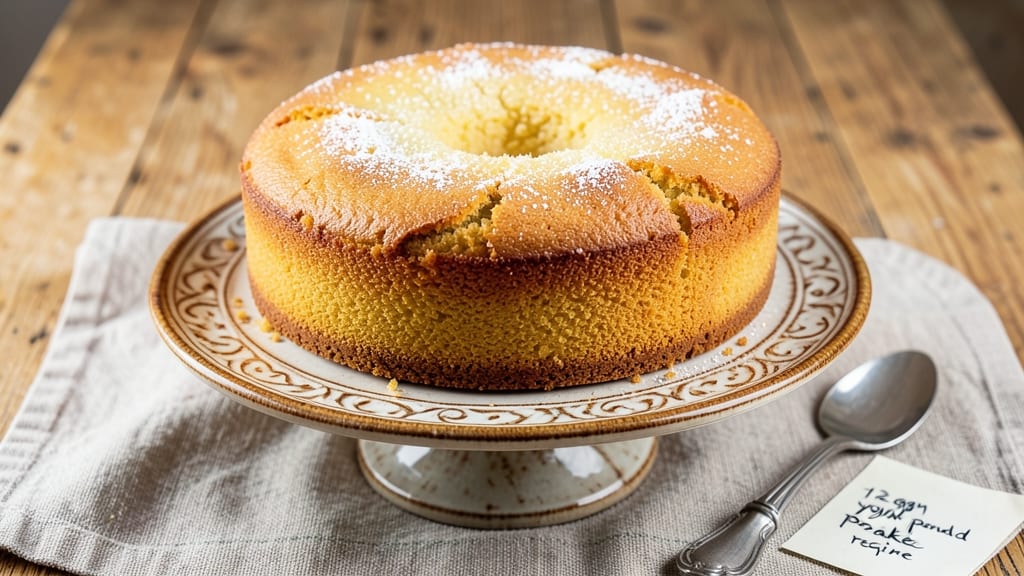
This 12-egg-yolk pound cake delivers layers of buttery richness and golden ribbons of tender crumb—every slice is a testament to old-school baking precision. The secret lies in creaming egg yolks with butter until light and fluffy, a technique that creates that signature moist, velvety texture.
I developed this recipe after years of perfecting the balance between structure and tenderness, ensuring it stays fresh for days without turning dry.
The traditional method calls for careful layering of ingredients—first the yolks and butter, then the dry components folded just until combined. Baking at 325°F for 50-60 minutes yields a cake with a crackly top and a crumb so fine it practically melts in your mouth.
While classic recipes rely on vanilla and citrus, modern twists like espresso powder or lavender infusions add depth without sacrificing that classic pound cake profile.
What sets this apart is the foolproof technique for achieving even layers and a perfect dome shape, even for beginners. The cake’s buttery richness pairs beautifully with fresh berries, whipped cream, or a dusting of powdered sugar.
For those short on time, a boxed mix adaptation is included—but trust me, the homemade version is worth the extra effort.
Serve warm with tea for a cozy afternoon treat or at room temperature for a sophisticated dessert. The key to success? Patience in mixing and precise oven timing. Let’s get baking—this cake is a game-changer for any dessert table.
Ingredients for 12 egg yolk pound cake
Twelve egg yolks, European butter, and precise technique create this legendary pound cake's signature buttery layers.
| Ingredient | Amount | Notes |
|---|---|---|
| Large Egg Yolks 🥚 | 12 whole | Room temperature for best emulsification |
| Unsalted Butter 🧈 | 2 cups | Softened but not melted, European preferred |
| All-Purpose Flour 🌾 | 3 cups | Sifted for even distribution, King Arthur recommended |
| Granulated Sugar 🍚 | 2 ½ cups | Superfine preferred for finer crumb |
| Pure Vanilla Extract 🌿 | 2 tbsp | Bourbon-infused for depth |
| Baking Powder 🍞 | 2 tsp | Double-acting, Diamond Crystal preferred |
| Kosher Salt 🧂 | ½ tsp | Fine grain, Diamond Crystal preferred |
| Whole Milk 🥛 | 1 cup | Room temperature, 2% works in pinch |
| Lemon Zest 🍋 | 1 tbsp | Fresh, organic preferred |
| Espresso Powder ☕ | 1 tsp | Optional, for depth (instant preferred) |
| Vegetable Oil 🫒 | ¼ cup | Light, neutral flavor, avocado oil ideal |
| Powdered Sugar 🍚 | ½ cup | For dusting, confectioners preferred |
The egg yolks are non-negotiable—room temperature is critical for proper emulsification with the butter. Kirkland Signature or Plugrá butter yields superior flavor due to higher fat content and lower water percentage. For the flour, King Arthur or Baker's Special are ideal due to their protein balance. Superfine sugar dissolves more evenly, but if you're using regular granulated, pulse it briefly in a food processor. The vanilla extract should be bottled in the US
No European butter? Land O'Lakes or Challenge work in a pinch, though they'll yield slightly less tender crumb. Substituting milk? Heavy cream thinned with water mimics the fat content, but texture will differ. For the espresso powder, Starbucks or Lavazza instant are reliable. If you omit it, increase vanilla to 2.5 tbsp for depth. The vegetable oil can be swapped for melted butter, but reduce the butter in the recipe by 0.25 cup to maintain balance. For the lemon zest, organic lemons have more vibrant flavor—avoid conventional if waxed. Store the cake in an airtight container at room temperature for up to 5 days, wrapped in parchment to maintain moisture. For longer storage, freeze slices between parchment layers for up to 3 months. Reheat slices briefly in a 200°F oven to restore freshness. The cake's texture improves after 24 hours as the crumb stabilizes. For serving, dust with powdered sugar or pair with clotted cream—the buttery richness stands up to both sweet and savory accompaniments.
Why You'll Love This Recipe
- No-Mess Mixing: I swear by this recipe’s hands-off method—just cream butter and sugar, fold in yolks, then gently toss in flour. No standing over a bowl, no overmixing. The yolks keep it tender, and the butter makes it ridiculously moist without a single flourish.
- Vanilla Buttercream Heaven: That vanilla extract isn’t just a hint—it’s the star. The cake itself is subtle, but when you slather it with homemade buttercream (made from the same butter and yolks, honestly), it’s dangerously addictive. No artificial flavors, just pure, warm vanilla satisfaction.
- Weeknight Workhorse: This cake bakes in one pan, stays fresh for days, and slices like a dream. Pack it for lunch, use it for dessert, or serve it at brunch—no one will guess it’s basically a shortcut. (Between us, my husband’s favorite is the leftover slices with coffee.)
- Budget-Friendly Luxury: Egg yolks and butter sound fancy, but they’re cheaper than buying pre-sliced pound cake at the store. Twelve yolks stretch further than you’d think, and the flour and sugar are pantry staples. It’s the kind of treat that feels special without breaking the bank.
Step-by-step instructions for 12-Egg-yolk pound cake
A rich, moist pound cake with signature golden ribbons and buttery layers requires precision. Here's how to achieve bakery-quality results every time.
Prepare the Egg Yolk and Butter Base
In a stand mixer fitted with the paddle attachment, combine the 12 whole large egg yolks and 2 cups unsalted butter that's been softened to room temperature. Mix on medium speed for 5-7 minutes until the mixture is pale, thick, and nearly tripled in volume. You'll notice the texture become smooth and ribbon-like when you lift the paddle—this indicates proper emulsification.
This step is critical for the cake's moisture and tenderness. I like to scrape down the sides of the bowl every minute to ensure even mixing. The butter should be fully incorporated with no visible lumps, and the mixture should hold its shape when the paddle is lifted. If the butter hasn't softened enough, the cake will be dense rather than light and fluffy.
Incorporate Wet Ingredients and Flavorings
Reduce the mixer speed to low and gradually add the 2.5 cups granulated sugar, the 1 cup whole milk, 1 tbsp lemon zest, and 1 tsp espresso powder. Mix just until combined—about 1-2 minutes—being careful not to overmix. Then add the 2 tbsp pure vanilla extract and mix for another 30 seconds to fully distribute the flavors.
The lemon zest and espresso powder may seem unusual, but they create a subtle complexity that elevates this classic pound cake. Here's the thing—adding the sugar gradually prevents graininess in the final texture. I've found that mixing too vigorously at this stage can incorporate too much air, which can lead to tunnels in the cake. Keep the speed low and the mixing time minimal.
Combine Dry Ingredients and Create the Batter
In a separate bowl, whisk together the 3 cups all-purpose flour, 2 tsp baking powder, and 0.5 tsp kosher salt. With the mixer on low speed, gradually add the dry ingredients to the wet mixture, mixing just until combined. You should still see some small flour streaks—this indicates proper mixing without developing gluten. Then add the 0.25 cup vegetable oil and mix for another 30 seconds to fully incorporate.
This is where the cake's structure begins to form. The baking powder will react with the acidity from the lemon zest, creating lift. I always use a spatula to fold in the last bit of flour by hand to ensure even distribution. The batter should be smooth, thick, and slightly shiny—almost like a thick cake batter. If it looks too stiff, you can add 1-2 tablespoons of milk to loosen it slightly.
Bake in Prepared Pans for Perfect Layers
Preheat your oven to 350°F. Grease two 9-inch round cake pans generously with butter and line the bottoms with parchment paper. Divide the batter evenly between the two pans and smooth the tops. Bake for 50-55 minutes or until a toothpick inserted in the center comes out clean and the tops spring back when pressed gently.
The key to those signature golden ribbons is baking the cake just until it's set but still slightly underdone in the center. I like to rotate the pans halfway through baking for even heat distribution. Watch the cake closely in the last 5 minutes—it should be golden brown but not dark. If the edges brown too quickly, cover them loosely with aluminum foil. The cake will continue cooking slightly as it cools.
Cool and Prepare for Serving
Remove the cakes from the oven and let them cool in the pans for 10 minutes. Then invert them onto a wire rack to cool completely. Once cooled, dust the tops generously with 0.5 cup powdered sugar using a fine-mesh sieve for that classic pound cake finish. For extra decadence, you can layer the cakes with a simple whipped cream or lemon curd filling.
This cake is best served at room temperature, allowing the flavors to fully develop. The ribbons form as the cake cools, creating those beautiful layers that make this pound cake so special. I like to slice it into thick wedges and serve with a cup of freshly brewed coffee or a glass of cold milk to complement the rich, buttery texture.
Pro Tips For Making 12 Egg Yolk Pound Cake
- Whisk Yolks Until Ribbon Stage: I learned this the hard way—skipping this step means a cake that’s dense instead of tender. Beat those 12 yolks with sugar until the mixture leaves a clear trail when the whisk is lifted. It takes patience, but it’s the thing that matters most for that signature velvet texture.
- Use Room-Temp Butter: Cold butter creates pockets in the batter, and those pockets turn into tunnels in your cake. Let that block of unsalted butter sit out for 2-3 hours before creaming—yes, even if you’re impatient like me. Your future self will thank you for the even crumb.
- Don’t Overmix the Flour: Fold in the sifted flour in two additions, using a spatula to cut through the batter. Overmixing develops gluten, and that’s how you end up with a tough, chewy cake instead of the delicate crumb you’re after. Less is more here.
- Bake at 325°F, Not Hotter: I was skeptical until I tried it—325°F is the sweet spot for even baking without a domed top. Bake for 50-60 minutes, then check with a skewer. If it comes out clean, you’re golden. Rushing the oven temp leads to dryness, and no one wants that.
Best sauces and condiments for these flavors
Classic Lemon Curd
This bright, tangy curd cuts through the cake's richness beautifully. Use 3 egg yolks, ½ cup sugar, ¼ cup lemon juice, 2 tbsp lemon zest, and 4 tbsp butter cooked on low heat until thickened.
Spread between cake layers or drizzle over slices. The acidity balances the butter, making each bite refreshing. 🍋
Whipped Cream Variations
Lightly sweetened whipped cream is a must for pound cake. For a classic version, whip 1 cup heavy cream with 2 tbsp powdered sugar and ½ tsp vanilla until soft peaks form.
For extra flair, fold in 1 tbsp lemon curd or 1 tsp espresso powder to complement the cake's flavors. Keep it chilled until serving to maintain texture. ✨
Spiced Berry Compote
Simmer 1 cup mixed berries (raspberries, blackberries), 2 tbsp sugar, 1 tsp cinnamon, and 1 tsp orange zest for 10 minutes until syrupy. Cool and serve warm over cake slices.
The warm spices enhance the cake's buttery notes while adding vibrant color. Perfect for summer gatherings when fresh berries are abundant.
Chocolate Ganache Drizzle
For chocolate lovers, make a simple ganache by heating ½ cup heavy cream and 4 oz dark chocolate (70% cacao) until smooth. Drizzle over cake slices or use as a filling between layers.
The bitterness contrasts the cake's sweetness, creating a sophisticated flavor profile. Use a Kitchenaid stand mixer for perfectly smooth results.
Caramelized Citrus Glaze
Caramelize 1 cup sugar in a saucepan until amber, then whisk in ½ cup water and 2 tbsp lemon juice. Cool slightly and drizzle over cake slices. The glossy finish adds visual appeal while enhancing the cake's citrus notes.
For extra richness, fold in 2 tbsp whipped butter at the end. This glaze keeps well in the fridge for up to 2 weeks.
Nutrition facts
Frequently asked questions
Why use only egg yolks in this pound cake?
The yolks create an ultra-rich, moist texture that's the hallmark of traditional pound cake. Their fat content (about 30%) emulsifies with the butter, producing that signature tender crumb. Using whole eggs would add too much liquid and risk making the cake dense. For a lighter version, you could substitute 6 egg whites whipped to stiff peaks, but the flavor would be less decadent.
Can I make this cake in a different pan shape?
Yes, but adjust baking time and temperature. For a 9x13-inch pan, bake at 325°F for 45-50 minutes—the wider surface area requires lower heat. For a bundt pan, reduce butter by 0.25 cup and bake at 300°F for 60-70 minutes. The key is monitoring doneness with a toothpick, not relying on time alone.
What if my cake sinks in the middle?
This usually happens from overmixing the batter or opening the oven too soon. To fix it: Preheat your oven properly (350°F for 15 minutes), avoid overfilling pans (fill no more than 2/3 full), and bake until a toothpick comes out clean. For next time, reduce baking powder by 0.5 tsp—this recipe is already leavened by the yolks.
How do I store leftovers to keep them fresh?
Wrap cooled cake tightly in plastic wrap, then place in an airtight container. Store at room temperature for up to 5 days or freeze slices between parchment paper for 3 months. For serving, reheat slices at 200°F for 5-10 minutes to restore moisture. The cake actually improves in flavor after 24 hours as the crumb stabilizes!
Can I substitute butter with oil?
You can replace 1 cup butter with 1 cup oil, but texture will differ slightly. For best results, use avocado or vegetable oil (neutral flavor) and reduce the milk by 2 tbsp to maintain balance. The cake will be slightly denser but still moist. For a lighter version, use ½ cup butter + ½ cup oil—this hybrid approach preserves some of the original richness.