
Breakfast & Brunch
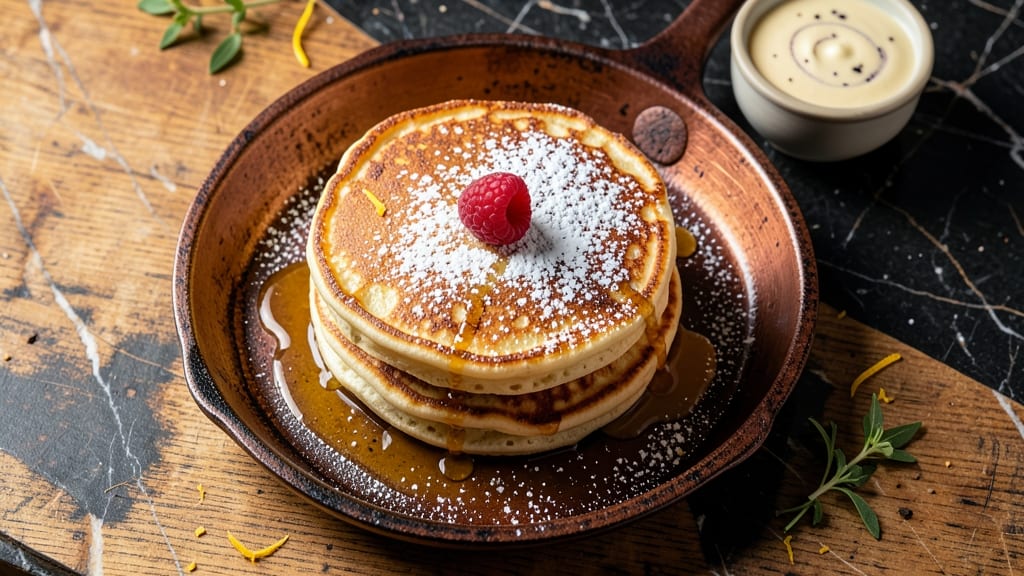
A 10-minute breakfast doesn’t have to mean sacrificing fluffiness—this 2-egg pancake recipe delivers light-as-air stacks with just two eggs and simple pantry staples. The secret lies in a resting batter and precise heat control, transforming basic ingredients into pancakes that crisp perfectly at the edges while staying tender inside.
I developed this recipe after years of burning pancakes and finally cracking the code for foolproof results every time.
What sets these apart is the balance of texture—no more soggy centers or overly dense pancakes.
The batter uses 1 cup flour (all-purpose works best) combined with 2 eggs, 1 cup milk, and a pinch of salt, creating a smooth, pourable consistency that cooks up fluffy and golden. The key technique?
Letting the batter rest for 5 minutes before cooking, which allows the flour to hydrate fully and ensures even cooking.
By the time you flip the first pancake, you’ll have a stack that’s crisp at the edges, soft in the middle, and ready for your favorite toppings—maple syrup, fresh berries, or even a sprinkle of cinnamon sugar.
These pancakes are vegetarian-friendly, protein-rich, and perfect for meal prep: make a batch ahead and reheat in a toaster or oven for a quick breakfast any day of the week.
The best part? This recipe scales effortlessly—double the batter for a crowd or halve it for a single serving. Whether you’re feeding a family or treating yourself to a weekend indulgence, these pancakes deliver restaurant-quality results with minimal effort. Let’s get cooking!
Ingredients for 2 egg pancake
Light-as-air pancakes start with these nine simple yet transformative ingredients—no shortcuts, just perfect texture.
| Ingredient | Amount | Notes |
|---|---|---|
| All-Purpose Flour 🌾 | 1 cup | Sifted for smooth batter |
| Large Eggs 🥚 | 2 whole | Room temperature for even cooking |
| Whole Milk 🥛 | 1 cup | Full-fat for richness |
| Granulated Sugar 🍯 | 1 tbsp | Adjust for sweetness preference |
| Baking Powder 🧂 | ½ tsp | For fluffy rise |
| Salt 🧂 | ¼ tsp | Diamond Crystal preferred |
| Unsalted Butter 🧈 | 2 tbsp | Melted for crispy edges |
| Vanilla Extract 🌸 | ½ tsp | Pure vanilla preferred |
| Maple Syrup 🍁 | ½ cup | For serving (optional) |
The flour is your foundation—King Arthur or Gold Medal brands work best for that tender crumb. Eggs should be room temperature (cold eggs make dense pancakes), and full-fat milk adds richness that skim can't match. I always grab Land O’Lakes butter for melting—it’s reliable, and the flavor isn’t overpowering. The baking powder is non-negotiable here; Aluminum-free is key for that classic rise. For vanilla, McCormick pure extract is my go-to—it’s affordable and potent. Pro tip: measure your dry ingredients by spooning them into the cup and leveling with a knife for accuracy.
No baking powder? Self-rising flour plus 1/4 tsp baking soda works in a pinch. Swap maple syrup for honey or agave>—just reduce the amount by 1/4 cup since they’re sweeter. Short on butter? Coconut oil or olive oil (light, not extra-virgin) keeps the crispy edges, though butter’s flavor wins. The eggs can be separated if you’re watching fat—whites for structure, yolks for richness—but I’d never skip them entirely. For a protein boost, fold in 1/4 cup Greek yogurt to the batter. And if your milk is expired but still smells fine? Use it—pancakes are forgiving like that.
Batter keeps for 24 hours in the fridge, covered—just whisk vigorously before cooking. For make-ahead stacks, cook pancakes, separate with parchment, and reheat in a 350°F oven for 5-10 minutes. Freeze cooked pancakes between parchment, then toast straight from frozen. The syrup? Store it in the fridge after opening—it crystallizes if left out. And if you’re prepping for a crowd, double the recipe, but use a 10-inch skillet max to avoid soggy centers. Trust me, these reheat better than takeout.
Why You'll Love This Recipe
- No Fuss, No Fail: I swear by this—just flour, eggs, milk, and a pinch of sugar. That’s it. No measuring cups, no overcomplicating. The baking powder does all the work while I’m still pouring the milk.
- Sweet & Simple Magic: Two eggs give these pancakes that rich texture—fluffy but sturdy—while the sugar just melts into a subtle caramel finish. Honestly, it’s the kind of balance that makes you want to double the batch.
- Breakfast or Snack: Serve them warm with butter for a lazy weekend brunch, or pack leftover stacks in a lunchbox for school or work. I’ve even turned them into a quick dessert with a drizzle of honey—no rules here.
- Pantry Staple Power: You’re already using what’s in your fridge. No specialty ingredients, no last-minute grocery runs. And if you make too many? Freeze them flat—they reheat like they’re fresh. My wallet and my mornings thank me.
Step-by-step instructions for light-as-air pancakes
Here's how to make pancakes so fluffy they practically vanish on your plate—every time.
Whisk Wet Ingredients to Perfect Consistency
In a large mixing bowl, combine the 2 whole Large Eggs, 1 cup Whole Milk, 2 tbsp Unsalted Butter (melted and cooled slightly), 0.5 tsp Vanilla Extract, and 1 tbsp Granulated Sugar. Whisk vigorously for 1-2 minutes until the mixture is completely smooth and slightly frothy. The butter should be warm enough to blend easily but not hot enough to cook the eggs.
This step is crucial—those tiny air bubbles create lift. I like to use a fork first to break up the eggs, then switch to a whisk for the final blend. The mixture should look like well-whisked custard, not thin milk. If it's too thick, add 1-2 tablespoons more milk; if too thin, add 1 tablespoon extra flour.
Sift and Fold Dry Ingredients Gently
In a separate bowl, sift together the 1 cup All-Purpose Flour, 0.5 tsp Baking Powder, and 0.25 tsp Salt. Sifting prevents lumps and ensures even distribution of leavening. Make a well in the center of the dry ingredients and pour in the wet mixture all at once.
Using a rubber spatula, gently fold the dry ingredients into the wet until just combined—you should still see small flour streaks. Overmixing develops gluten, which makes pancakes tough. Think "marble swirl" rather than smooth batter. The ideal consistency is like heavy cream—thick enough to coat the back of a spoon but still pourable.
Preheat and Prepare Your Pan
Heat a nonstick skillet over medium heat. You want the pan warm enough that a drop of water sizzles immediately but not so hot that butter smokes when added. Melt 1 tbsp of the remaining 2 tbsp Unsalted Butter in the pan, swirling to coat the entire surface evenly. The butter should foam slightly but not brown.
This butter layer creates the signature crispy edges while keeping the pancakes tender. I keep the remaining 1 tbsp butter at room temperature for the next pancakes. If your pan isn't nonstick, use 1/2 tbsp butter plus 1/2 tbsp oil to prevent sticking. Let the butter cook for 30 seconds until it stops bubbling vigorously before adding batter.
Cook Pancakes to Golden Perfection
Pour 1/4 cup of batter onto the prepared pan, immediately tilting the pan to spread it into a 4-inch circle. Cook until bubbles form on the surface and the edges look set—about 2-3 minutes. I press down gently on the pancake with a spatula during the first minute to ensure even contact with the pan and prevent curling.
Flip carefully and cook the other side for 1-2 minutes until golden brown. The pancake is ready when it releases easily from the pan and the edges are crisp. Work in batches, keeping cooked pancakes warm in a 200°F oven while you finish the rest. Don't stack them until ready to serve—the steam keeps them tender.
Serve with Warm Maple Syrup
Transfer pancakes to a serving platter and keep them warm in the oven until all are cooked. For serving, warm the 0.5 cup Maple Syrup in a small saucepan over low heat until it reaches 140°F—just warm enough to flow easily but not so hot it burns. Plate the pancakes immediately and drizzle with the warm syrup.
Each stack should be light enough to float on syrup, with crisp edges that shatter slightly when you cut in. Serve with fresh berries or a sprinkle of powdered sugar for extra flair. The secret to these pancakes isn't just the recipe—it's the confidence in your timing. Once you nail the 2-3 minute cook per side, you'll have perfect pancakes every morning.
Pro Tips For Making 2 Egg Pancake
- MEASURE FLUIDS FIRST: Whole milk and eggs vary in density—fill your measuring cup first, then crack eggs into it. I used to eyeball it and ended up with pancakes that were either too stiff or too runny. A standard 1-cup measure for milk and 2 eggs gives you the right balance for fluffy texture.
- LET THE BATTER REST: Mix your batter, then wait 10 minutes before cooking. The baking powder needs time to activate fully, and the flour absorbs extra liquid. I skipped this once and got pancakes that puffed but collapsed—now I never rush it.
- USE A LIGHT HAND WITH FLOUR: Sift the flour and baking powder together, then gently fold it into the wet ingredients. Dumping it in and stirring hard creates lumps that turn into dense patches. Work fast but loose—your pancakes will thank you.
- ADJUST HEAT FOR PERFECT CRISP: Start with medium-high heat, then dial it down if the first pancake browns too quickly at the edges. A well-seasoned pan makes this easier—no need to add extra oil. Burnt edges mean your heat’s too high; soggy bottoms mean it’s too low.
Serving suggestions for leftovers
Classic Sweet Toppings
Start with warm maple syrup—I love Grade B Vermont maple syrup for its rich, caramel-like depth. Drizzle it generously while the pancakes are still steaming hot. For extra flair, add fresh berries like blueberries or raspberries, which provide a tart contrast to the sweet pancakes.
A sprinkle of cinnamon sugar (mix 1 tbsp cinnamon with 2 tbsp sugar) adds warmth and texture. 🍁
Creamy Protein Twists
Swap syrup for Greek yogurt mixed with 1 tsp honey and a pinch of vanilla—this adds protein and tanginess. Top with chopped walnuts or pecans for crunch.
For a decadent touch, fold 1 tbsp Nutella into the batter before cooking, then top with banana slices and a drizzle of dark chocolate sauce. These pancakes become a balanced breakfast with 15g protein per serving!
Savory Breakfast Stacks
Transform these pancakes into a savory brunch by omitting sugar and vanilla from the batter. Top with crispy bacon, sautéed mushrooms, and a fried egg (runny yolk is key!).
A dollop of sour cream and chopped chives add brightness. For a veggie option, try caramelized onions and avocado slices. The crisp edges hold up perfectly to savory toppings. 🥓
Make-Ahead Serving Hacks
Prep pancakes ahead and store them in an airtight container with parchment between layers. Reheat in a toaster for 30 seconds or a skillet over medium-low heat for 2 minutes per side.
For a pancake bar, set out toppings like whipped cream, peanut butter, jam, and crushed cookies—let guests customize their stacks. These pancakes reheat better than most, so they’re perfect for lazy mornings. ✨
Kid-Friendly Fun
Turn pancakes into a colorful treat by adding food coloring (use gel-based for vibrant hues) to the batter before cooking. Let kids assemble their own stacks with toppings like sprinkles, mini marshmallows, or crushed cereal.
For a pancake "sushi", spread Nutella on a pancake, roll it up, and slice into bite-sized pieces. It’s a hit at kids’ parties and makes breakfast feel like dessert! 🧸
Global Flavor Variations
For a Japanese-inspired twist, add matcha powder (½ tsp) to the batter and top with red bean paste and kinako (roasted soybean flour). A Mexican breakfast version calls for cinnamon, orange zest, and a side of salsa with queso fresco.
For French toast vibes, dip cooked pancakes in an egg wash (1 egg + 1 tbsp milk) and pan-fry until golden, then top with powdered sugar and lemon zest. 🌎
Nutrition facts
Frequently asked questions
Why does my 2-egg pancake batter turn out too thick or too thin?
The ideal batter should be like heavy cream—thick enough to coat a spoon but still pourable. If it's too thick, whisk in 1 tablespoon milk at a time until smooth. Too thin? Add 1 tablespoon flour while mixing. The key is room-temperature eggs and milk—they blend more evenly. Cold ingredients can make batter clump or separate.
Can I make these pancakes without baking powder?
Yes, but your pancakes will be denser. Replace 0.5 tsp baking powder with 1 tsp baking soda plus 1 tbsp buttermilk> (or 1 tbsp milk + 1/8 tsp vinegar). The baking soda needs acid to activate, which is why buttermilk works best. For best results, let the batter rest for 10 minutes before cooking to maximize rise.
How do I keep pancakes warm while cooking more?
Preheat your oven to 200°F and place cooked pancakes on a wire rack set over a baking sheet. This allows air circulation so they stay crispy, not soggy. Never stack them directly—the steam will make them gummy. For extra insurance, cover them loosely with a clean kitchen towel. Pancakes will stay warm for 20-30 minutes this way.
Can I use this recipe for protein pancakes?
For a protein boost, replace 1/4 cup of milk with 1/4 cup Greek yogurt> (plain or vanilla). Or fold in 1/4 cup cottage cheese> after mixing the batter. These add 5-7g protein per serving while keeping the light texture. Just be gentle when folding—overmixing develops gluten.
Why did my pancakes turn out flat instead of fluffy?
Flat pancakes usually mean one of three things: overmixing the batter (which develops tough gluten), not letting the batter rest (flour needs time to hydrate), or using old baking powder (check the expiration date!). Also ensure your pan isn't too hot—medium heat gives even cooking without burning the edges before the center rises.