
Main Courses
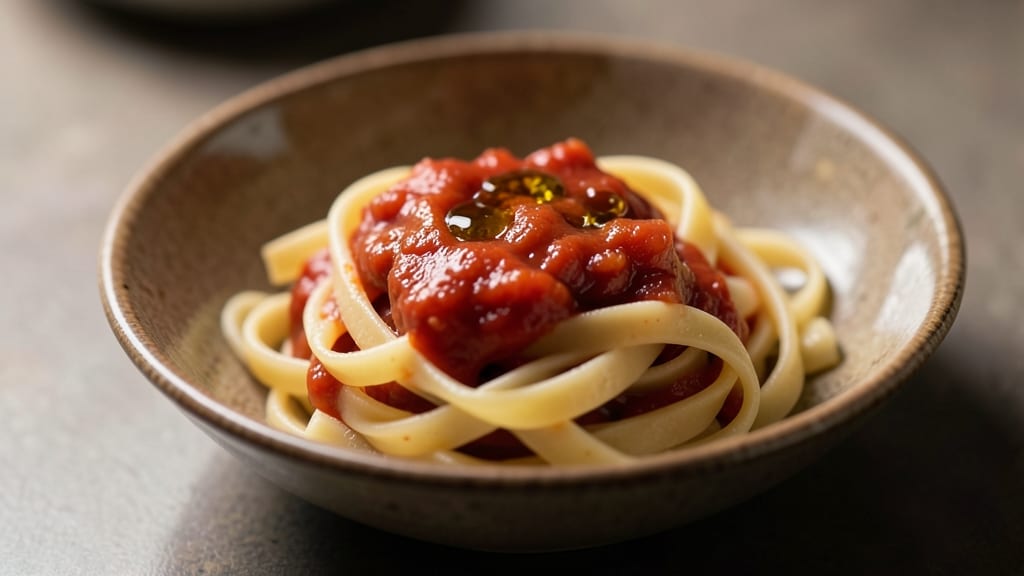
This 3 egg pasta dough recipe delivers the lightest, most tender noodles you'll ever make—all in one bowl with just five ingredients. The secret lies in precise technique and proper resting time, transforming simple flour and eggs into silky strands that cook in minutes.
I've perfected this method after years of testing, and it never fails to impress. What sets this dough apart is its foolproof simplicity: no stand mixer required, just a bowl and your hands. The key steps—proper hydration, gentle kneading, and adequate resting—ensure perfect texture every time.
Whether you're shaping tagliatelle or rolling fettuccine, the results are consistently restaurant-quality at home. By the time you're done, you'll have delicate, light-as-air noodles that cook in just 2-3 minutes, absorbing sauces beautifully without turning mushy.
The dough's versatility makes it perfect for classic marinara or modern pesto, proving that homemade pasta can be both impressive and effortless. Ready to master this technique? The instructions break down each step clearly, from mixing to shaping, so you'll achieve professional results on your first try.
Ingredients for 3 egg pasta dough
Five ingredients transform into silky, restaurant-quality noodles with just your hands and patience.
| Ingredient | Amount | Notes |
|---|---|---|
| All-Purpose Flour 🌾 | 2 ½ cups | Sifted for optimal texture |
| Large Eggs 🥚 | 3 whole | Room temperature for even mixing |
| Fine Sea Salt 🧂 | ½ tsp | Diamond Crystal preferred |
| Extra-Virgin Olive Oil 🫒 | 1 tbsp | High-quality, fruity variety |
| Water 💧 | ¼ cup | Room temperature if possible |
The flour is non-negotiable here—King Arthur or Caputo Tipo 00 if you want to splurge, but all-purpose works perfectly for home cooks. I always grab my flour from Whole Foods or Trader Joe's—their bins stay fresh longer. Sift it first (or at least shake the bag well) to avoid lumps. The eggs? Room temperature is key—cold eggs make the dough tough. Separate the yolks and whites if you're feeling fancy, but for this dough, whole eggs keep it simple. The olive oil adds silkiness—don't skimp on quality here.
No extra-virgin olive oil? Light olive oil or avocado oil works, but you'll lose that fruity depth. Short on water? Dry white wine at half the amount adds subtle flavor. The salt matters—Diamond Crystal is ideal (it's finer and dissolves better), but kosher salt works too. For a gluten-free twist, swap flour for a 1:1 gluten-free blend plus 1 tbsp xanthan gum. And if your dough feels too sticky? Add 1 tbsp more flour, but don't overdo it—this dough should hold together without being dry.
Freshly made dough keeps in the fridge for 2 days, wrapped tightly in plastic. For longer storage, freeze shaped pasta on a floured tray, then transfer to a bag for up to 3 months. The secret to perfect texture? Let the dough rest 30 minutes before rolling—this relaxes the gluten and prevents cracking. I always make extra dough and freeze half—nothing beats fresh pasta straight from the freezer. Cooks in just 2-3 minutes after freezing, no thawing needed.
Why You'll Love This Recipe
- No-Knead Magic: I swear by this dough—just toss the flour, crack in those eggs, and let the mixer do the work. No rolling, no fuss, no waiting for the dough to rest like some fancy sourdough. The eggs bind it so well, you’ll get silky strands every time, even if your hands are still sticky from chopping garlic.
- Rich, Buttery Bite: That third egg makes all the difference—it’s what gives this dough its luxurious texture. The olive oil keeps it tender, while the salt cuts through the richness just enough to make it ridiculously satisfying. Honestly? It tastes like the pasta you’d pay double for at a trattoria, but with ingredients you already have.
- Weeknight Superhero: Between us, this is my go-to for busy nights. Make a big batch on Sunday, and you’ve got fresh pasta for lasagna, fettuccine Alfredo, or even a quick stir-fry all week. Freeze half the dough, and you’ll never reach for boxed noodles again—unless it’s a true emergency.
- Pantry Staple: Five ingredients. One bowl. Zero waste. The flour and eggs are already in your fridge, and the olive oil? You’re probably using it for something else anyway. It’s the kind of recipe that makes you feel clever for being so efficient, and your wallet will thank you too. (Yes, even on a Tuesday night.)
Step-by-step instructions for light-as-air pasta dough
This method delivers tender, elastic dough with just five ingredients and minimal effort.
Combine Dry Ingredients in a Bowl
Place the 2.5 cups all-purpose flour in a large mixing bowl. Make a well in the center large enough to comfortably hold all 3 whole large eggs. I like to use a measuring cup to create this depression—it ensures even distribution of the flour when we add the wet ingredients. Add the 0.5 teaspoon fine sea salt directly to the well, then drizzle in the 1 tablespoon extra-virgin olive oil. Use your fingers to gently break up any flour clumps and distribute the oil evenly throughout the dry ingredients.
This step is crucial for achieving even hydration later. The olive oil not only adds flavor but also helps create a silky texture in the final dough. If you're using a scale, you'll notice the flour will weigh slightly less than 2.5 cups when packed—this is normal due to the well's volume.
Incorporate the Eggs Gradually
Crack each egg directly into the well, allowing the yolks to break first before adding the whites. I always use room-temperature eggs—they incorporate more smoothly and prevent cold spots in the dough. Using a fork, gently whisk the eggs with the flour at the bottom of the well, then gradually incorporate the surrounding flour into the mixture.
Here's where it gets interesting: you'll want to mix just until the dough begins to come together. At first, it'll look like a messy pile, but keep stirring until you can form a shaggy mass that clings together when you press it. This stage is called "hydration," and it's what develops the gluten strands that give pasta its signature chewiness. Don't be tempted to overmix—just until you can gather the dough into a rough ball.
Knead Until Silky and Elastic
Turn the dough out onto a lightly floured surface and begin kneading. I press down with the heel of my hand, then push the dough away from me while rotating it with my other hand. This motion builds gluten development, which is what gives fresh pasta its perfect texture. Knead for about 8-10 minutes, or until the dough is smooth, elastic, and no longer sticky to the touch.
The dough should feel firm but still slightly tacky—like the inside of your cheek. If it's too sticky, add a little more flour (about 1 tablespoon at a time) and knead again. If it's too dry and cracks when you press it, add 1 teaspoon of water and work it in. The key is consistency: you want a dough that springs back when poked but doesn't stick to your fingers. This elasticity ensures your pasta won't turn mushy when cooked.
Rest the Dough for Optimal Results
Shape the dough into a smooth ball, then wrap it tightly in plastic wrap. Let it rest at room temperature for at least 30 minutes—I prefer 1 hour if possible. This resting period, called "autolyse," allows the gluten to relax and the flour to fully hydrate. It also makes rolling out the dough much easier, preventing it from shrinking or tearing when you're ready to shape it.
During this time, the dough will develop a slightly tacky surface. This is normal and indicates proper hydration. If you're short on time, you can proceed after 20 minutes, but the longer rest yields the best results. I like to place the wrapped dough in a bowl and set it aside while I prepare my shaping tools or sauce ingredients—it's a great way to multitask in the kitchen.
Roll and Cut for Perfect Noodles
After resting, divide the dough into 4 equal portions (about 8 ounces each) and roll each piece into a long rope. Use a pasta machine set to the widest setting (usually 1) and feed the dough through, folding it in half like a letter and repeating 2-3 times before gradually decreasing the thickness. I find that rolling the dough through 3-4 times at each setting (from 1 down to 2) gives me the perfect 1/16-inch thickness for delicate noodles.
For cutting, use the machine's fettuccine or tagliatelle attachment, or cut by hand with a sharp knife if you prefer. The dough should be smooth and slightly translucent—if it tears, let it rest for another 10 minutes before trying again. Cook the fresh pasta in boiling salted water for 2-3 minutes until it floats to the surface. The beauty of this dough is that it cooks in a fraction of the time required for dried pasta, while delivering that authentic, al dente texture.
Pro Tips For Making 3 Egg Pasta Dough
- MEASURE EGGS BY WEIGHT: Crack those eggs into a measuring cup first—3 large eggs are not always 3 ounces. Weigh them instead for consistency, especially if you’re making this dough more than once. I learned this after my second batch turned out gummy; precise egg weight makes all the difference.
- REST THE DOUGH 30 MINUTES: Skip the urge to roll it out immediately—let the dough sit wrapped in plastic for at least 30 minutes. This relaxes the gluten, so it doesn’t fight you when you stretch it. (Yes, even if you’re impatient like me.)
- USE COLD WATER FOR FLOUR: Chill your water (or ice it) before mixing—this prevents the dough from getting too warm too fast. Warm dough sticks and tears; cold dough stretches like a dream. I was skeptical until I tried it—now I never skip this.
- SALT THE WATER FIRST: Toss the flour with half the salt, then add the rest to the boiling water. This balances flavor without making the pasta taste flat. I used to add all the salt to the dough, and the noodles always needed more seasoning after cooking.
Creative variations of this dish
Classic Tagliatelle Twist
Transform your dough into elegant tagliatelle by rolling it to 1/8-inch thickness using your pasta machine. Cut with the ribbon attachment, then toss with brown butter and sage sauce for a restaurant-worthy dish. For extra flair, dust with freshly grated Parmesan and cracked black pepper. 🌟
Spinach & Ricotta Stuffed
Divide your dough into 4 portions, roll each thin, and spread with a mixture of ½ cup ricotta, 1 cup chopped spinach, and ¼ cup grated Pecorino.
Roll tightly, slice into ½-inch rounds, and boil for 3 minutes. Serve with a light lemon-garlic sauce for a vibrant, Italian-inspired dish.
Ravioli Reinvented
Cut circles with a 3-inch round cutter, fill with mascarpone and lemon zest, then seal with another dough circle. Boil for 2 minutes and pair with white wine reduction.
For a modern twist, add crispy prosciutto bits on top. This method keeps the filling intact while delivering that melt-in-your-mouth texture.
Whole Wheat Adaptation
Replace 1 cup of all-purpose flour with whole wheat flour for a nuttier, heartier version. Add 1 extra tablespoon of water since whole wheat absorbs more moisture. Roll slightly thicker (1/12-inch) to prevent tearing. Perfect with roasted garlic and olive oil sauce to balance the earthy flavor.
Sweet Ricotta Pasta
Swap the salt for ½ cup granulated sugar and add 1 teaspoon vanilla extract to the dough. Roll thin and cut into ½-inch strips. Toss with warm ricotta and honey drizzle for a dessert-worthy treat. This variation is a hit with kids and adults alike! 🍯
Global Fusion Twist
Add 1 teaspoon ground cumin and ½ teaspoon smoked paprika to the flour for a Middle Eastern-inspired flavor. Roll thin and cut into spaghetti shapes. Pair with harissa and tahini sauce for a bold, aromatic dish that’s perfect for dinner parties.
Nutrition facts
Frequently asked questions
Can I make this dough without a pasta machine?
Roll the rested dough between two sheets of parchment paper using a rolling pin. Aim for 1/16-inch thickness for delicate noodles. For precision, use a ruler or measuring cup as a guide. Cut with a sharp knife or pizza cutter for handmade fettuccine or tagliatelle. The key is patience—work in small sections to prevent tearing.
Why does my dough tear when rolling?
Tearing usually means the dough needs more rest time. Let it relax for another 10-15 minutes before trying again. If it's still too sticky, add 1 tablespoon flour and knead lightly. Cold dough also tears easily—keep your work surface and tools at room temperature. The dough should feel smooth and slightly tacky, not wet or dry.
How do I store leftover fresh pasta?
Fresh pasta keeps best in the fridge for 2 days, wrapped tightly in plastic or between damp paper towels. For longer storage, freeze uncooked pasta on a floured tray (to prevent sticking), then transfer to a sealed bag for up to 3 months. Cook frozen pasta directly from the freezer—just add 1 minute to the boiling time. Never refreeze cooked pasta.
Can I use this dough for stuffed pasta?
Yes! For ravioli or tortellini, roll the dough to 1/16-inch thickness and cut circles with a 3-inch cutter. Fill with ricotta, spinach, or mascarpone mixtures, then seal edges by pressing gently with your fingers. Boil for 2-3 minutes—they cook faster than flat noodles. Keep fillings moist by adding a pinch of salt or cornstarch to prevent leaking.
What's the best sauce pairing for this light dough?
This delicate dough pairs beautifully with rich, creamy sauces like brown butter sage or alfredo to prevent sticking. For lighter options, try lemon-garlic olive oil or tomato-basil. Avoid heavy meat sauces that can overpower the subtle flavor. The key is balance—this dough absorbs sauces quickly, so toss immediately after cooking for best results.