
Breakfast & Brunch
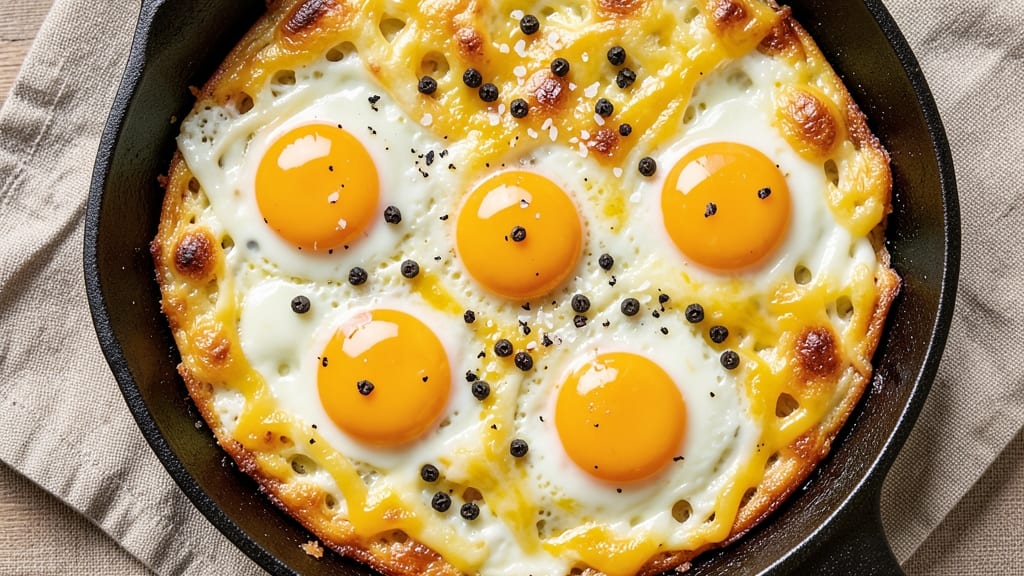
A 20-minute foil-sealed 5-egg frittata recipe delivers restaurant-quality breakfast without the fuss. This simple dish transforms basic ingredients into a fluffy, golden masterpiece with minimal cleanup—just whisk, pour, and bake.
The secret? A crisp foil seal that locks in moisture while creating that signature tender crust. Perfect for busy mornings when you still want a satisfying meal.
What sets this frittata apart is the foil technique, which eliminates the need for flipping and guarantees even cooking every time. You can customize it with sautéed vegetables, cheese, or herbs, but the base recipe stays simple—just eggs, salt, and pepper.
The result is a foolproof breakfast that's ready in less time than it takes to brew coffee.
By the time it emerges from the oven, you'll have a fluffy, slightly crispy-edged frittata with a golden top that's impossible to resist. The foil seal creates a built-in serving platter, so you can slide it straight to the table without extra dishes.
Serve with fresh herbs or a sprinkle of cheese for extra flair—this is breakfast that feels like a treat.
Whether you're feeding a family or treating yourself to a weekend brunch, this recipe scales effortlessly. The 20-minute timeline makes it ideal for weekdays, while the customizable fillings let you adapt it to any craving. Let's make breakfast simpler without sacrificing flavor.
Ingredients for 5 egg frittata
Five simple ingredients transform into a restaurant-worthy breakfast in your oven.
| Ingredient | Amount | Notes |
|---|---|---|
| Large Eggs 🥚 | 5 whole | Room temperature for even cooking |
| Unsalted Butter 🧈 | 2 tbsp | Cold, cut into small cubes |
| Diamond Crystal Kosher Salt 🧂 | ½ tsp | Adjust to taste |
| Freshly Ground Black Pepper 🌶️ | ¼ tsp | Cracked over top |
| Heavy Cream 🥛 | ¼ cup | Optional for extra richness |
| Shredded Sharp Cheddar Cheese 🧀 | ½ cup | Or Gruyère for nuttier flavor |
| Fresh Chives 🌿 | 2 tbsp | Chopped, for garnish |
| Heavy-Duty Aluminum Foil 📄 | 1 sheet | 12x12 inches minimum |
| All-Purpose Flour 🌾 | 1 tbsp | For dusting baking sheet |
| Extra-Virgin Olive Oil 🫒 | 1 tsp | For greasing foil |
| Garlic Cloves 🧄 | 1 clove | Minced, optional for flavor |
The eggs are the star, so grab the freshest you can find—look for cartons with bright yolks. Trader Joe's or Whole Foods usually have the best quality, but any store's eggs work if they're within a week of the pack date. The butter matters too—Plugrá or Land O'Lakes unsalted are my go-tos, but any cold butter will work. Room temperature eggs whip up faster, so take them out 10 minutes before you start. For the foil, grab Reynolds heavy-duty if you're picky, but any brand works as long as it's not too thin. The garlic is optional but adds serious depth—three cloves if you're feeling fancy.
No heavy cream? Full-fat coconut milk works in a pinch, though the texture will be slightly different. Cheese hater? Skip it—this frittata is still delicious. The chives are purely for garnish, but if you've got other fresh herbs like parsley or basil, use those instead. For the salt, Diamond Crystal is my preference because it dissolves better, but any kosher salt will do. Need to make this dairy-free? Swap the butter for olive oil and use a dairy-free cheese like Miyoko's. The flour is just for dusting—if you're in a bind, skip it entirely.
This frittata reheats beautifully—just pop it in the oven at 300°F for 10 minutes. Store leftovers in the fridge for up to 4 days, wrapped tightly in foil to keep it moist. For meal prep, make a double batch and freeze individual portions wrapped in foil—3 months in the freezer, no problem. The foil seal makes it easy to grab and go, so it's perfect for busy mornings. If you're serving it right away, let it rest for 5 minutes before cutting—this keeps everything together.
Why You'll Love This Recipe
- One-Pan Magic: I swear by this—just melt butter in a skillet, crack in eggs, stir in cream, and let it set. No flipping, no fuss, no extra dishes. That golden crust? Pure reward for zero effort.
- Creamy Crisp Contrast: The heavy cream makes it lusciously rich, while the edges get that perfect buttery crisp. Honestly, I’ve tried frittatas with just eggs—this one’s in a league of its own.
- Meal Prep MVP: Make it ahead, slice it up, and reheat portions all week. My kids grab it straight from the fridge—no complaints, no leftovers going bad. (Yes, even on a Tuesday night.)
- Budget Breakfast Win: Five eggs stretch further than you’d think, and the cream adds indulgence without breaking the bank. I’ll be real: it’s my go-to when I need a filling, satisfying meal that doesn’t cost a fortune.
Step-by-step instructions for fluffy foil-sealed frittata
Here's how to make a restaurant-quality frittata faster than you can say "breakfast."
Whisk Eggs and Cream Until Silky Smooth
In a large bowl, crack the 5 whole Large Eggs and add the 0.25 cup Heavy Cream. The cream makes this frittata extra luscious, but skip it if you prefer a lighter texture. Using a whisk or electric mixer, beat the eggs and cream vigorously for 2-3 minutes until the mixture is completely smooth and pale yellow. You'll see the volume increase slightly as air incorporates—this is what gives your frittata that cloud-like fluffiness.
Next, add the 0.5 tsp Diamond Crystal Kosher Salt and 0.25 tsp Freshly Ground Black Pepper, whisking until evenly distributed. Taste the mixture—it should be pleasantly seasoned but not overpowering. This is your base flavor foundation, so don't skimp on seasoning. Set the bowl aside while you prepare the foil packet.
Prepare the Foil Packet for Perfect Crisp
Cut the 1 sheet Heavy-Duty Aluminum Foil into a 12x12-inch square. Lightly brush one side with the 1 tsp Extra-Virgin Olive Oil using a paper towel—just enough to coat the surface lightly. This prevents sticking without making the foil greasy. Place the oiled side down on your work surface.
In the center of the foil, sprinkle 1 tbsp All-Purpose Flour in an even layer. This creates a crispy, almost pancake-like bottom that's a signature of this technique. The flour also helps absorb any excess moisture from the eggs. Gently shake the foil to distribute the flour evenly, creating a 2-inch border around the edges for folding later.
Layer Cheese and Garlic for Maximum Flavor
Evenly distribute the 0.5 cup Shredded Sharp Cheddar Cheese over the floured foil, leaving a ½-inch border around the edges. The cheese should form a thin, even layer—this ensures every bite gets that perfect melty texture. If using the optional 1 clove Garlic Cloves, mince it finely and sprinkle it over the cheese for subtle depth of flavor.
Here's the thing—don't press down on the cheese. You want it to melt into a creamy blanket when the eggs cook, not compress into a dense layer. The heat from the eggs will do all the work of melting it perfectly. Fold the foil up the sides to create a sealed packet, leaving about 1 inch of foil on each side for folding over the top later.
Assemble and Cook the Foil-Sealed Frittata
Pour the egg mixture evenly over the cheese in the foil packet. The eggs should completely cover the cheese layer with about ¼ inch of liquid on top. Gently tap the foil on the counter to help the eggs settle evenly. Now, fold the remaining foil over the top to completely seal the packet, creating an airtight container.
Place the sealed foil packet on a baking sheet—this catches any potential drips and makes cleanup a breeze. Bake at 375°F for 18-20 minutes. You'll know it's done when the foil packet is firm to the touch and the top looks golden brown. The center should still be slightly jiggly—this indicates perfect doneness. If you peek and see the top is browning too quickly, tent it loosely with another sheet of foil for the last 5 minutes.
Rest and Serve with Fresh Herbs
Remove the frittata from the oven and let it rest on the baking sheet for 5 minutes. This resting period is crucial—it allows the eggs to set completely and makes slicing much cleaner. After resting, carefully unfold the foil packet. The bottom should be crispy and golden, while the top remains soft and fluffy.
Use a sharp knife to cut the frittata into 4 equal wedges. Sprinkle each serving with 2 tbsp Fresh Chives and an extra pinch of Freshly Ground Black Pepper. The chives add a bright, fresh contrast to the rich cheddar and eggs. Serve immediately while still warm—this frittata is at its peak when the cheese is just beginning to soften and the eggs are still slightly custardy.
Pro Tips For Making 5 Egg Frittata
- Preheat Pan Like It’s 1985: Cast iron or stainless steel—get that pan screaming hot for 3-4 minutes before adding butter. I learned this the hard way after making a rubbery frittata that looked more like scrambled eggs. High heat. Seriously, crank it up until butter foams like a latte.
- Whisk Eggs Until They’re Mean: Beat those 5 eggs with heavy cream until the mixture is thick, glossy, and holds a ripple when you lift the whisk. No streaks, no lumps—just smooth aggression. My grandmother swore by this, and she was right: it’s the thing that matters most for that silky texture.
- Salt the Butter First: Melt 2 tablespoons of butter in that hot pan, then immediately sprinkle in ½ teaspoon of kosher salt while it foams. This guarantees even seasoning—no dry spots, no bland edges. (Yes, even if you’re impatient like me.)
- Cover for 5 Minutes: Once the top sets but still looks slightly wet, slap on a lid or foil and let it steam for 5-10 minutes. This locks in moisture instead of drying out the center—something I used to skip, and the frittata would always taste underdone. Sounds weird, but it works.
Storing and reheating this dish
Fridge Storage Tips
Store your foil-sealed frittata in an airtight container for up to 4 days—the foil helps maintain moisture better than plastic. I like using glass Pyrex containers because they keep the frittata from absorbing fridge odors.
Always let it cool completely before refrigerating to prevent condensation buildup inside the container. 🥫
Freezer-Friendly Packaging
For longer storage, wrap individual portions in heavy-duty aluminum foil (like the original packet) before placing them in a freezer bag. This double-wrapping prevents freezer burn and keeps the texture intact.
Label with the date—it stays fresh for 3 months in the freezer. When ready to eat, thaw overnight in the fridge before reheating. ❄️
Oven Reheating Method
The oven is my go-to for reheating because it keeps the frittata's texture perfect. Place the foil-wrapped frittata on a baking sheet and heat at 300°F for 10-12 minutes until warmed through.
The foil helps distribute heat evenly, preventing dryness. For extra crispiness, broil for 1-2 minutes at the end. 🔥
Microwave Shortcut
When you're in a rush, cover the frittata with a damp paper towel and microwave on 50% power for 1-1.5 minutes. Stir halfway to redistribute heat evenly.
Add 1-2 teaspoons of water if it looks dry—this restores moisture without making it soggy. This method works best for single servings. ⏱️
Serving Leftovers
Frittatas reheat beautifully for breakfast or brunch. Cut into wedges and serve with a side of roasted tomatoes or a simple avocado salad. The crispy bottom adds texture contrast, while the fluffy top stays tender.
Garnish with fresh chives or hot sauce for extra flavor. Leftovers make great lunchbox meals too! 🥗
Foil Hack for Transport
Keep your frittata intact during transport by sealing it in its original foil packet. This method works perfectly for picnics or office lunches—just reheat when ready. The foil also doubles as a serving platter, so you can eat straight from the packet. No extra dishes required! 🚗
Nutrition facts
Frequently asked questions
Can I make this frittata without foil?
The foil method creates that signature crispy bottom, but you can still make a great frittata without it. Use a nonstick skillet over medium-low heat and cook for 10-12 minutes, then flip carefully (if comfortable) or finish under the broiler for 2-3 minutes to set the top. The texture will be slightly less crispy but still delicious!
How do I adjust this recipe for more or fewer servings?
This recipe scales perfectly! For 2 servings, use 3 eggs and reduce cheese to ¼ cup. For 6 servings, increase to 7-8 eggs and ¾ cup cheese. Keep the same proportions—1 egg per serving and 2 tbsp cheese per serving—to maintain perfect texture. Use a larger foil sheet if needed.
What's the best way to add vegetables to this frittata?
Sauté your veggies first! Try diced bell peppers, onions, or spinach in 1 tbsp butter for 3-4 minutes until tender. Spread them evenly over the flour in the foil before adding cheese. For heartier options, add sautéed mushrooms or zucchini. Just don't overfill—keep veggies to ½ cup total so the eggs can set properly.
Why did my frittata turn out rubbery?
Rubbery texture usually means the eggs cooked too long or weren't whisked enough. Check your oven temperature—375°F is key. Also, whisk the eggs for at least 2-3 minutes to incorporate air. If using cheese, make sure it's evenly distributed so it melts completely. For extra fluffiness, add 1 tbsp water or milk to the egg mixture.
Can I make this frittata ahead of time?
Assemble the foil packet the night before and refrigerate it. Cook straight from the fridge—just add 2-3 extra minutes to the baking time. For make-ahead meal prep, bake two frittatas and store them in the fridge for 4 days or freeze for 3 months. Reheat in the oven at 300°F for 10-12 minutes for best results.