
Breakfast & Brunch
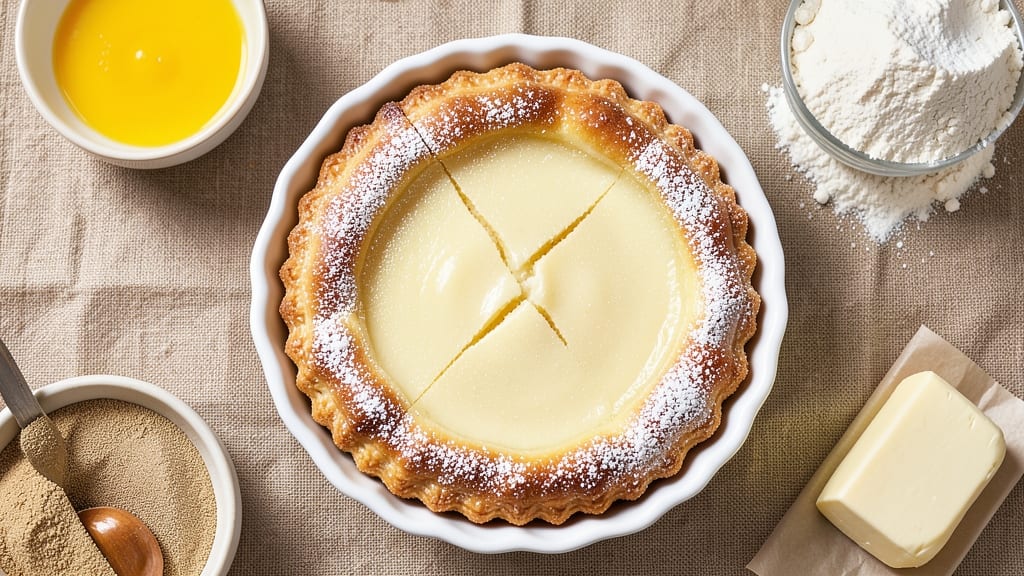
This 85-degree egg tart recipe delivers the perfect balance of crisp, flaky pastry and silky egg custard that melts in your mouth. The secret lies in baking at a precise 185°F—low enough to keep the custard creamy but high enough to achieve that signature golden crust.
After years of perfecting this classic, I’ve cracked the code for a restaurant-quality version at home, where every bite reveals layers of texture and flavor.
The foundation starts with a delicate pastry shell that’s rolled thin enough to crisp beautifully without losing its structure. While it bakes, the egg custard transforms into a velvety center that stays rich and cohesive, never grainy.
The key technique? A water bath ensures even heat distribution, preventing any risk of cracking or uneven baking. This method guarantees a professional finish every time, even for beginners.
What makes these egg tarts truly special is how they look and taste when served. The crust emerges golden and flaky, while the custard remains smooth and jiggly—just slightly set at the edges but still luxurious in the center.
The contrast between the crisp pastry and creamy filling creates a sensory experience that’s impossible to resist. Whether you’re making them for breakfast, dessert, or a special occasion, they’re guaranteed to impress.
For added depth, consider infusing the custard with vanilla or pandan, or topping with a sprinkle of sesame seeds for extra texture. The possibilities are endless, but the core technique remains the same: precision baking at 85°C for that signature melt-in-your-mouth perfection. Ready to master this timeless treat?
Ingredients for 85 degrees egg tart
Precision ingredients for a restaurant-quality pastry with velvety custard at 185°F.
| Ingredient | Amount | Notes |
|---|---|---|
| All-Purpose Flour 🌾 | 2 ½ cups | Sifted for light pastry texture |
| Cold Unsalted Butter 🧈 | 1 cup | Cubed, cut into flour |
| Granulated Sugar 🍚 | ¼ cup | Fine grain preferred |
| Large Egg Yolks 🥚 | 4 whole | Room temperature for smooth custard |
| Whole Milk 🥛 | ½ cup | Full-fat for rich custard |
| Vanilla Extract 🍯 | 1 tsp | Pure extract preferred |
| Diamond Crystal Kosher Salt 🧂 | ¼ tsp | Fine grain preferred |
| Large Egg Whites 🥚 | 2 whole | Room temperature for stability |
| Baking Powder 🍞 | ¼ tsp | Aluminum-free for delicate rise |
| Sesame Seeds 🌾 | 2 tbsp | Toasted for enhanced flavor |
| Pandan Extract 🌿 | ½ tsp | Optional for authentic flavor |
| Ice Water 💧 | ¼ cup | Chilled for dough elasticity |
The pastry foundation demands high-quality unsalted butter—look for European-style brands like Plugrá or President for superior flavor and flakiness. King Arthur Flour or Bread flour elevates the dough structure, though all-purpose works well. For the custard, room-temperature egg yolks are non-negotiable—they emulsify better, preventing graininess. The milk should be full-fat (nothing less than 2%) to achieve that signature luxurious mouthfeel. Diamond Crystal kosher salt is preferred over table salt due to its finer grain, which dissolves seamlessly. If using pandan extract, Gourmet Giant offers a concentrated version that delivers authentic depth without overpowering.
Substitutions must preserve texture and flavor integrity. Butter shortages? Use cold vegetable shortening (like Crisco) for flakiness, though flavor will differ. No vanilla extract? A splashed of vanilla bean paste adds complexity. For the custard, half-and-half can replace milk, but texture will be slightly lighter. No sesame seeds? Toasted poppy seeds or crushed pistachios provide a similar crunch. Egg allergies? Replace yolks with 2 tbsp aquafaba per yolk, though texture may vary. Pandan unavailable? A pinch of turmeric mimics its golden hue, though flavor won’t match. Always ensure baking powder is fresh—old powder loses lift, compromising the delicate crust.
Store unbaked dough wrapped in plastic wrap in the fridge for up to 2 days or freeze for 3 months. Prepared custard keeps 2 days refrigerated in an airtight container, but freeze in ice cube trays for single-serving precision. Baked tarts reheat best at 350°F for 5 minutes—the residual heat ensures that jiggly custard without overcooking the crust. For long-term storage, freeze fully baked tarts on a tray before transferring to a bag, preventing sogginess. Room temperature tarts soften quickly, so serve within 1 hour of baking for optimal texture contrast.
Why You'll Love This Recipe
- No-Fuss Dough: I swear by this cold butter method—it’s so much easier than rolling out stiff pastry. Just mix the flour and butter until it resembles breadcrumbs, then press it into a pan without a single tear or fuss.
- Golden Crust, Silky Center: That crispy, buttery shell with a custard so smooth it’s almost sinful? The sugar caramelizes just enough to give it a subtle sweetness, while the egg yolks and milk create a velvety finish that’s dangerously addictive.
- Office Picnic Ready: Between us, these things travel like a dream. Wrap them in parchment, and they stay intact for hours—perfect for lunchboxes, potlucks, or when you’re too lazy to reheat dinner. (Yes, even on a Tuesday night.)
- Budget Breakfast Win: Four ingredients, one bowl, zero waste. The yolks stretch further than whole eggs, the butter adds richness without costing a fortune, and a single batch feeds four for under five bucks. My wallet and I are very happy.
Step-by-step instructions for 85 degrees egg tarts
Master the delicate balance of crisp pastry and velvety custard with these precise techniques.
Prepare the Pastry Dough for Maximum Flakiness
In a large mixing bowl, combine the 2.5 cups all-purpose flour with the 0.25 cup granulated sugar and 0.25 tsp diamond crystal kosher salt. Whisk gently to distribute evenly—this ensures uniform flavor and texture throughout the dough.
Cut the 1 cup cold unsalted butter into small cubes and immediately toss them into the flour mixture. Using your fingers or a pastry cutter, work the butter into the flour until you achieve pea-sized crumbs. This cold butter creates steam pockets during baking, which is essential for that signature flaky texture. If the mixture feels too dry, add 1-2 tablespoons of ice water gradually until it just begins to clump together when pressed.
Gather the dough into a loose ball, flatten into a disc, wrap tightly in plastic wrap, and refrigerate for at least 30 minutes. Cold dough prevents gluten development, which keeps the pastry tender rather than tough. This resting period also allows the butter to solidify further, ensuring optimal flakiness when baked.
Shape and Blind-Bake the Tart Shells
Preheat your oven to 375°F and line a baking sheet with parchment paper. Divide the chilled dough into 4 equal portions (about 6 ounces each) and roll each portion into a 4-inch round on a lightly floured surface. The dough should be about ⅛-inch thick—press gently but firmly to maintain even thickness.
Transfer each rolled dough to a 4-inch tart pan (or individual ramekins if using mini tarts) and press the dough into the bottom and 1-inch up the sides, creating a smooth, even surface. Prick the base all over with a fork to prevent air pockets, then line the shell with parchment paper and fill with pie weights or dried beans.
Bake for 15 minutes until the edges begin to turn light golden brown. Remove the weights and parchment, then bake for an additional 5-7 minutes until the base is fully set and just beginning to color. The shells should be firm to the touch but not dark brown—this ensures they hold their shape when filled with custard.
Whip the Egg Custard to Silky Perfection
In a medium heatproof bowl, whisk together the 4 whole large egg yolks, 0.5 cup whole milk, 1 tsp vanilla extract, and 0.5 tsp pandan extract (if using) until smooth. Place this bowl over a saucepan of simmering water, ensuring the bottom of the bowl doesn't touch the water. Stir constantly with a silicone spatula for 5-7 minutes until the mixture thickens enough to coat the back of a spoon.
Remove the custard from heat and immediately whisk in the 2 whole large egg whites until fully combined. The mixture should be thick, glossy, and hold its shape when dropped from a spoon. If the custard appears too thin, return it to the double boiler for 1-2 additional minutes—overcooking will cause it to curdle, so watch carefully.
Strain the custard through a fine-mesh sieve into a clean bowl to remove any lumps. This step guarantees a velvety texture without any graininess. Let the custard cool to room temperature before filling the tart shells—warm custard will cause the pastry to soften prematurely.
Fill and Bake to 85°F Custard
Carefully pour the cooled custard into the pre-baked tart shells, filling each ¾ full. Sprinkle the tops evenly with 2 tbsp toasted sesame seeds—press them gently into the custard for even coverage. The seeds add both texture and visual appeal, completing the classic egg tart presentation.
Bake at 350°F for 20-25 minutes until the custard is just set but still slightly wobbly in the center. Insert an instant-read thermometer into the center of a tart—it should register 85°F (29°C). If the custard sets too quickly, tent the tarts with foil after 15 minutes to prevent overbrowning.
The ideal egg tart custard should be creamy yet firm, with a slight jiggle when shaken gently. Let the tarts cool to room temperature before serving—this allows the flavors to meld and the textures to set properly. Serve warm or at room temperature for the best experience.
Pro Tips For Making 85 Degrees Egg Tart
- Chill the Butter: Take that block of unsalted butter straight from the fridge and cut it into cubes—no softening needed. Cold butter creates flakier layers in the crust, and skipping this step is how you end up with a dense, greasy mess instead of the crisp, buttery texture you want.
- Whisk Yolks Like Your Life Depends on It: Beat those egg yolks with sugar until the mixture turns pale yellow and thickens—about 3-4 minutes. I used to rush this, and the custard always tasted flat. Slow and steady wins the rich, creamy filling every time.
- Blind-Bake the Crust: Prick the dough, line it with parchment, and fill it with pie weights or dried beans before baking. This prevents puffing and soggy bottoms when you add the custard later. Trust me, no one wants a soggy egg tart—it’s a crime.
- Use Room-Temp Milk: Warm the whole milk to body temperature (not hot) before mixing it into the yolk-sugar base. Cold milk makes the custard grainy, and hot milk can scramble the eggs. Just let it sit for 10 minutes—easy fix, huge difference.
Creative variations of this 85 degrees egg tart
Pandan-Inspired Twist
Infuse the custard with ½ tsp pandan extract for that authentic Southeast Asian aroma—it’s the signature flavor of many classic egg tarts. I reach for Gourmet Giant pandan extract because it delivers a concentrated, clean flavor without bitterness.
For a subtler touch, blend 1 tbsp pandan juice (from fresh leaves) into the custard mixture before baking. The extract adds a fragrant, slightly floral note that pairs beautifully with the buttery pastry. 🌿
Mini Egg Tart Bites
Scale down the recipe for mini tarts using ramekins or muffin tins lined with parchment. Roll the dough into 2-inch rounds and fill with 1 tbsp custard per mini tart. Bake at 350°F for 12-15 minutes—the smaller size ensures even cooking and a perfect custard set.
These make ideal appetizers or party favors, and they’re perfect for picky eaters who prefer bite-sized portions. 🍴
Sweet & Savory Fusion
Elevate the classic with a sweet-savory twist: stir 1 tbsp black sesame paste into the custard for nutty depth, then top with crispy fried shallots and a drizzle of honey.
The contrast of sweet custard, savory shallots, and crunchy seeds creates a sophisticated flavor profile. For extra richness, fold 1 oz melted white chocolate into the custard before baking. 🍯
Coconut Milk Custard
Replace half the milk with ½ cup coconut milk for a tropical variation that’s creamy and aromatic. The coconut flavor complements the pandan beautifully, creating a dessert-like version perfect for brunch.
Use full-fat coconut milk to maintain the custard’s luxurious texture—light versions can make the filling too thin. Garnish with toasted coconut flakes for added crunch. 🥥
Spiced Chai Egg Tarts
Infuse the custard with ½ tsp chai spice blend (cinnamon, cardamom, ginger) for a warm, aromatic twist. Simmer the milk with the spices for 5 minutes before whisking with the yolks.
Top with a sprinkle of ground cinnamon and a few chopped almonds for texture. This variation works beautifully for holiday gatherings or as a cozy afternoon treat. ☕
Vegan Adaptation
For a plant-based version, replace the butter with ½ cup vegan butter (like Miyoko’s) and the egg yolks with 4 tbsp aquafaba mixed with 2 tbsp cornstarch. Use coconut milk for the custard and bind with 1 tbsp arrowroot powder.
The texture won’t be identical, but it’s a surprisingly close approximation—especially when paired with toasted coconut instead of sesame seeds. 🌱
Nutrition facts
Frequently asked questions
Why does this recipe specify baking at 85°C (185°F)?
The precise 85°C temperature ensures the custard reaches a perfect set—creamy yet firm with a slight jiggle. This low-and-slow approach prevents cracking while keeping the center luxuriously smooth. Higher temps risk overcooking the custard, while lower temps may leave it underdone. A thermometer is key to hitting this exact internal temperature!
Can I make the pastry dough ahead of time?
Yes! Wrap the chilled dough tightly in plastic and refrigerate for up to 2 days or freeze for 3 months. Let it sit at room temperature for 10 minutes before rolling to prevent cracking. Frozen dough should thaw in the fridge overnight for best results. This saves time on busy mornings!
What if my custard becomes grainy?
Graininess usually means the custard was overcooked or the eggs weren't at room temperature. Always use room-temperature yolks and strain the mixture through a fine-mesh sieve before filling. If it happens, whisk in 1 tsp cold milk to smooth it out. Never microwave the custard—this makes it rubbery!
How do I prevent the pastry from shrinking?
Keep everything cold (butter, dough, tools) and handle the dough minimally to avoid gluten development. Roll the dough ⅛-inch thick and let it rest 30 minutes before baking. Chill the filled tarts for 15 minutes before baking to help them hold their shape. Patience is key!
Can I use store-bought puff pastry instead?
Technically yes, but the texture won't be as delicate. Store-bought pastry often contains more fat and less butter, which can make the crust too rich or flaky. If you try it, roll it ⅛-inch thick and blind-bake for 12 minutes at 375°F to prevent sogginess. The homemade version delivers superior flakiness and flavor!