
Breakfast & Brunch
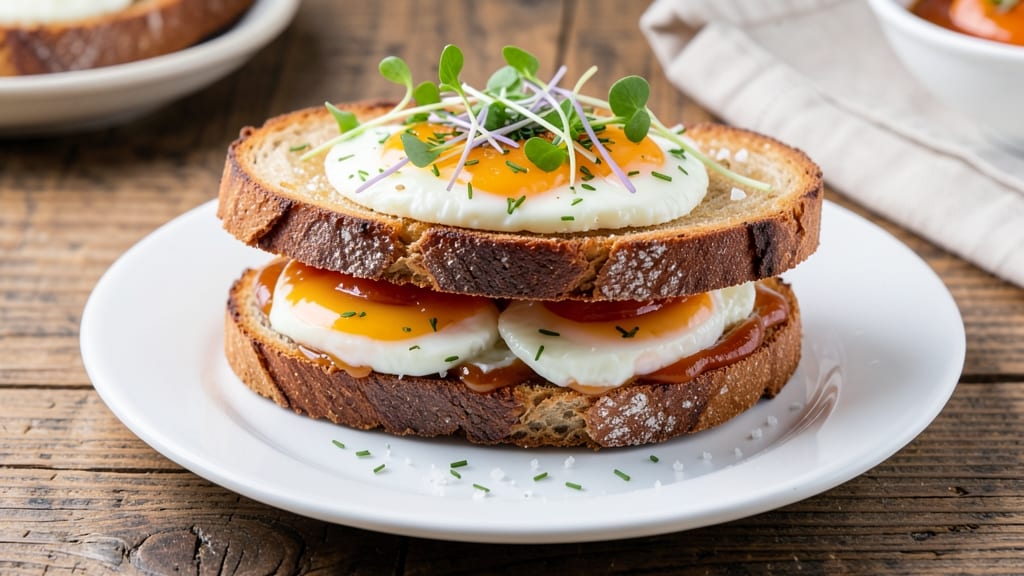
This afternoon tea egg sandwich recipe delivers the perfect balance of buttery crust and silky yolk layers that elevate any tea service. The secret lies in perfectly poached eggs with tender whites and runny yolks, nestled between crisp toasted bread and a whisper of Dijon mustard.
I've perfected this classic British treat over years of afternoon tea hosting, ensuring every bite is both elegant and satisfying.
The bread choice matters—opt for sourdough or white bread, lightly toasted until golden but still soft enough to hold the filling. For the eggs, poaching is key: they should be just set at the edges with a velvety center that coats the bread like liquid silk.
A touch of chives or watercress adds freshness, while a smear of butter on the bread creates that signature afternoon tea richness.
Assembling these sandwiches is where the magic happens. Cut each into neat triangles or rectangles, ensuring clean edges that make them perfect for finger foods. The contrast of crisp bread, creamy egg, and herby garnish creates a harmonious bite that pairs beautifully with Earl Grey or Darjeeling tea.
The result is a sandwich that looks as impressive as it tastes—ideal for tea parties or a refined afternoon treat.
For an extra touch of sophistication, dust the finished sandwiches with a pinch of flaky sea salt or serve them on a tiered stand with other delicate bites.
These egg sandwiches are simple yet refined, proving that afternoon tea doesn't require complicated recipes—just attention to detail and quality ingredients. Let's create the perfect tea-time experience.
Ingredients for afternoon tea egg sandwich
Eight simple ingredients transform into elegant afternoon tea perfection with buttery crusts and silky yolks.
| Ingredient | Amount | Notes |
|---|---|---|
| Sourdough Bread Loaf 🍞 | 1 whole | Crusty exterior, soft interior |
| Large Eggs 🥚 | 6 whole | Fresh, room temperature |
| Unsalted Butter 🧈 | ½ cup | European-style preferred |
| Dijon Mustard 🍯 | 2 tbsp | Mild or classic variety |
| Fresh Chives 🌿 | ¼ cup | Finely chopped, for garnish |
| Watercress 🌱 | ¼ cup | Finely chopped, optional |
| Flaky Sea Salt 🧂 | 1 tsp | For finishing |
| White Vinegar 🍶 | 1 tbsp | For poaching liquid |
| Granulated Sugar 🍚 | 1 tsp | For poaching water |
| White Pepper 🌶️ | ¼ tsp | Freshly ground |
| Heavy Cream 🥛 | ¼ cup | Optional for extra richness |
The bread is non-negotiable—sourdough from a good bakery (like Panera or Whole Foods) gives that perfect crust-to-soft ratio. If you can't find sourdough, high-quality white bread works too, just toast it until golden. The eggs? Fresh is key—they should float in cold water if you're unsure. I always buy organic pastured eggs from Trader Joe's for the best texture. For the butter, European-style (like Plugrá) melts beautifully without overpowering. Toast the bread lightly—just until it's golden but still soft enough to hold the filling without getting soggy.
No Dijon mustard? Whole-grain mustard thinned with a splash of water works in a pinch. Fresh chives are ideal, but dried chives at half the amount will do if you're in a rush. Watercress adds that sophisticated touch—skip it if you're serving kids, but it's absolutely essential for the full afternoon tea experience. For the poaching liquid, vinegar and sugar keep the whites tender while the yolks stay runny. If you're feeling fancy, add a splash of heavy cream to the poaching water—it makes the whites even silkier. And trust me, white pepper is better than black for these sandwiches—it won't turn the eggs gray.
Butter melts fast, so soften it at room temperature before spreading. The sandwiches are best served immediately, but you can assemble them ahead and keep them warm in a low oven (200°F) for up to 20 minutes. For a tea party, make them fresh and arrange on a tiered stand with other delicate bites. The poaching water can be reused once or twice—just reheat it. Store any leftovers in the fridge for up to 2 days, but honestly, they're so good they won't last that long. For extra elegance, dust with flaky salt right before serving—Maldon is my favorite, but any good sea salt works.
Why You'll Love This Recipe
- No-Fuss Assembly: I swear by this recipe because it’s the kind of thing I can make while scrolling through emails—just soft sourdough, buttered to golden perfection, a smear of Dijon, and a poached egg sliding right off the spoon. The chives add that fresh pop with zero effort.
- Buttery, Tangy Magic: That first bite? Crispy toasted bread, creamy egg yolk, and a sharp Dijon kick that makes it taste like you actually tried. Honestly, the butter alone sells me—it’s rich enough to stand up to the egg without overpowering it.
- Office Tea Hero: Between us, this is my go-to for work lunches or when friends drop by unexpectedly. It’s fancy enough for a tea party but simple enough to throw together in 10 minutes. (Yes, even on a Tuesday night.)
- Budget-Friendly Staples: Eggs, bread, butter—these are the ingredients I already have, and they stretch for days. I make a batch on Sunday, and by Wednesday, I’m still eating them like they’re gourmet. No waste, no fuss.
Step-by-step instructions for afternoon tea egg sandwiches
Here's how to create elegant, buttery layers with perfectly poached eggs and silky yolk centers.
Prepare the Poaching Liquid
Combine 4 cups water, 1 tablespoon white vinegar, and 1 teaspoon granulated sugar in a medium saucepan. Bring to a gentle simmer over medium heat—you want small bubbles breaking the surface, not a rolling boil. The vinegar helps the eggs coagulate more evenly, while the sugar prevents the whites from becoming rubbery.
Keep this liquid at a steady simmer while you prepare the eggs. If it boils vigorously, turn down the heat immediately—too much agitation makes the eggs spread out instead of maintaining their shape. I like to keep a small bowl of ice water nearby to stop the cooking process quickly if needed.
Poach the Eggs to Perfection
Crack each of the 6 whole large eggs into a small bowl or ramekin. This prevents them from breaking when you lower them into the simmering water. Gently slide one egg at a time into the poaching liquid—don't drop them in or they'll scatter. Let them poach for 3-4 minutes until the whites are set but the yolks remain runny and vibrant.
Here's the thing—you want the whites to be just firm enough to hold their shape when lifted, but still slightly translucent at the edges. If you lift an egg with a slotted spoon and the white holds together but the yolk still wobbles gently, you've nailed it. Use a slotted spoon to remove the eggs and place them on a paper towel-lined plate to drain briefly.
Toast and Butter the Sourdough
Slice the 1 whole sourdough bread loaf into 8 even slices, about ½-inch thick. Toast them lightly in a toaster or dry skillet over medium heat until just golden—you want them warm and crisp but not dark brown. While still warm, spread each slice with ¼ teaspoon Dijon mustard and then ¼ teaspoon softened unsalted butter, working quickly so the butter doesn't melt completely.
The butter should be soft enough to spread easily but not runny—if it's too cold, microwave it for 10 seconds to soften. This buttery layer is what makes these sandwiches truly special, creating that signature afternoon tea richness. Don't skip this step—it's the foundation of the flavor.
Assemble with Fresh Herbs and Finishing Touches
Layer the poached eggs onto the buttered bread slices, placing them slightly off-center for an elegant presentation. Add a small handful of finely chopped fresh chives and watercress (about 1 teaspoon each) on top of each egg. The chives add a delicate onion flavor while the watercress brings a peppery freshness that cuts through the richness.
Press another slice of toasted bread on top to complete each sandwich. For the final touch, sprinkle generously with flaky sea salt and a pinch of white pepper. If you're feeling extra indulgent, drizzle a tiny amount of heavy cream (about ½ teaspoon) over each sandwich just before serving—this adds luxurious creaminess that pairs perfectly with the eggs.
Serve Immediately for Maximum Freshness
These sandwiches are best enjoyed fresh out of assembly. The warm bread contrasts beautifully with the silky poached eggs, and the herbs stay vibrant when served immediately. Cut each sandwich diagonally if you prefer a more elegant presentation, or serve whole for easy handling.
Pair with a cup of Earl Grey tea and a small plate of scones for the ultimate afternoon tea experience. The combination of buttery sourdough, perfectly poached eggs, and fresh herbs creates a sandwich that's both comforting and sophisticated—ideal for a light luncheon or elegant gathering.
Pro Tips For Making Afternoon Tea Egg Sandwich
- Toast the Bread Low and Slow: I learned this the hard way—crispy toast ruins the sandwich’s delicate balance. Heat your sourdough to medium-low (around 325°F/160°C) and toast for 3-4 minutes per side until golden but still slightly soft. Over-toasting turns it into a crunchy barrier instead of a buttery base.
- Use Room-Temp Eggs and Butter: Cold eggs won’t cook evenly, and cold butter spreads like glue. Take eggs out of the fridge 30 minutes before cooking, and let that unsalted butter sit out for 10 minutes so it softens just enough to spread smoothly. (Yes, even if you’re impatient like me.)
- Skip the Overmixing of Mustard: Dijon mustard loses its bright flavor when mashed into oblivion. Instead, dot a thin line (about ¼ tsp per slice) and spread it with the butter—just enough to taste, not enough to dominate. Overworking it turns your sandwich into a mustardy paste.
- Chop Chives at the Last Second: Fresh chives wilt faster than you’d think. Store them in water in the fridge until ready to use, then snip them just before assembling the sandwich. Their color and crunch make all the difference—no sad, limp garnish here.
Regional styles of afternoon tea egg sandwich
British Classic
In traditional British afternoon tea, these egg sandwiches are a staple—crisp sourdough, silky poached eggs, and a whisper of mustard. The Maldon sea salt finishing touch is inspired by Mary Berry's classic recipes, where she emphasizes the importance of quality ingredients.
Serve with Earl Grey tea and clotted cream scones for the full experience. The sandwiches are cut into neat triangles, perfect for delicate finger foods. 🍵
American Tea Party Twist
Across the pond, American afternoon tea often leans lighter with whole wheat bread instead of sourdough. I swap Dijon mustard for whole-grain mustard> and add thinly sliced cucumber> for crunch.
A drizzle of honey> on the cucumber adds a touch of sweetness that balances the savory eggs. Serve with chamomile tea> and mini quiches> for a brunch-inspired spread.
French Bistro Style
For a French-inspired version, use baguette slices> instead of sourdough, lightly toasted with garlic-infused butter>. Replace chives with fresh tarragon> and add a smear of herb goat cheese> between the egg and bread.
Garnish with microgreens> for a modern bistro touch. Pair with green tea> and macarons> for an elegant tea service.
Indian Chai Fusion
In India, afternoon tea often includes spiced elements. Add a pinch of garam masala> to the poaching water for warmth, and use naan bread> instead of sourdough. Top with fresh cilantro> and a sprinkle of chaat masala> for a tangy kick.
Serve with masala chai> and samosas> for a bold, flavorful twist on the classic.
Japanese Tea Ceremony Adaptation
For a delicate Japanese-inspired version, use shokupan (Japanese milk bread)> and poach the eggs in water infused with a few drops of soy sauce> for umami depth.
Garnish with shiso leaves> and a pinch of furikake seasoning>. Serve with sencha tea> and matcha cookies> for a refined, minimalist presentation.
Modern Fusion Approach
For a contemporary take, try sourdough with avocado mash> instead of butter, and add smoked paprika> to the poaching water. Top with pickled red onions> and crumbled feta> for a bright, tangy contrast.
Serve with sparkling rosé> and olive oil-cured olives> for a chic, modern afternoon tea. 💫
Nutrition facts
Frequently asked questions
Can I make these sandwiches ahead of time?
Assemble them just before serving for the best texture, but you can prepare components ahead. Toast the bread and store at room temperature for 2 hours, and poach the eggs up to 1 day in advance, keeping them submerged in cold water. Reheat gently in warm water for 30 seconds before assembling. The key is freshness—warm bread and runny yolks make all the difference!
What if I don't have sourdough bread?
No problem! Use high-quality white bread or brioche for a richer flavor. For extra texture, try rye bread with a smear of cream cheese instead of butter. The bread should be soft enough to hold the filling but still crisp when toasted—avoid overly dense loaves that might get soggy.
How do I fix overcooked poached eggs?
If the yolks are fully set, try this trick: Place the eggs in a bowl of ice water for 1 minute to firm up the whites slightly, then gently press them between two slices of toasted bread. The bread will help mask the texture difference. For future attempts, reduce poaching time to 2-3 minutes and keep the water at a gentle simmer—not a boil.
Can I make these sandwiches vegetarian?
They're already vegetarian! The classic version uses eggs, butter, and herbs—all plant-based. For extra richness, add vegan butter and ensure your bread contains no honey. The Dijon mustard and watercress are naturally vegetarian, making this a perfect light lunch option for plant-based diets.
What's the best tea pairing for these sandwiches?
Earl Grey or Darjeeling tea complements the buttery richness perfectly. For a lighter option, try jasmine green tea or hibiscus tea. Avoid heavily spiced chai—it can overpower the delicate flavors. Serve with a small plate of shortbread cookies or fruit scones for the full afternoon tea experience.