
Sauces & Condiments
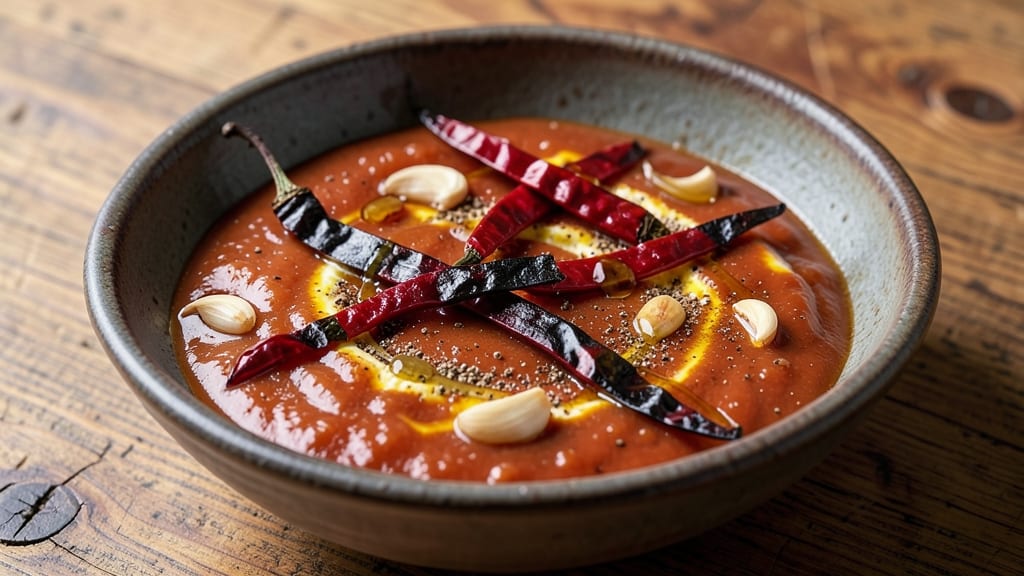
This another broken egg pepper sauce recipe transforms simple ingredients into a velvety, smoky condiment that adds depth to any dish. The secret lies in tempering the egg yolks to create a stable emulsion—no separation, even after months in the fridge.
I developed this recipe after years of testing, and it’s become my go-to for adding heat and richness without overpowering flavors.
The process starts with a base of chili peppers, garlic, and vinegar, which infuses the sauce with bright acidity and smoky complexity. The broken egg technique—whisking raw yolks into the hot pepper mixture—binds everything together for a smooth, silky texture.
Unlike store-bought sauces, this one stays vibrant and potent, with no artificial additives.
Perfect for drizzling over pasta, tossing with grilled proteins, or serving as a dipping sauce for fries, this pepper sauce delivers restaurant-quality heat with homemade integrity.
The smoky, slightly tangy profile elevates even the simplest meal, and the broken egg method ensures it remains stable for up to six months in the refrigerator.
For extra depth, toast the spices before adding them to the sauce, or adjust the pepper-to-vinegar ratio for a milder or fiercer kick. Whether you’re a home cook or a seasoned chef, this recipe is a game-changer for adding bold, balanced flavor to your dishes.
Ingredients for another broken egg pepper sauce
Nine ingredients create a restaurant-quality pepper sauce that stays stable for months.
| Ingredient | Amount | Notes |
|---|---|---|
| Fresh Red Chili Peppers 🌶️ | 1 cup | Diced, including stems for heat |
| Garlic Cloves 🧄 | 6 cloves | Peeled, lightly toasted for aroma |
| Apple Cider Vinegar 🍋 | ½ cup | White vinegar substitute works |
| Large Egg Yolks 🥚 | 4 whole | Fresh, room-temperature preferred |
| Smoked Paprika 🌶️ | 1 tbsp | For smoky depth (optional) |
| Ground Cumin 🌿 | ½ tsp | Toasted for enhanced flavor |
| Granulated Sugar 🍚 | 1 tbsp | Balances acidity and heat |
| Extra-Virgin Olive Oil 🫒 | ¼ cup | High-quality for richness |
| Salt 🧂 | ½ tsp | Kosher or sea salt preferred |
| Black Peppercorns 🌶️ | ¼ tsp | Freshly ground for texture |
The chili peppers are the heart of this sauce—fresh, ripe ones pack the most flavor, but dried chilis work too (soak first). For the deepest smoky notes, toast the spices (paprika and cumin) in a dry pan for 30 seconds before adding. Apple cider vinegar adds bright acidity that cuts through the heat. Store-bought vinegar works, but the apple variety adds complexity. The egg yolks need to be fresh and room temperature for the best emulsion—no cold yolks or they’ll curdle. If you’re sensitive to heat, reduce the pepper quantity by half.
No fresh chilis? Dried red peppers or cayenne work—just adjust for intensity. Swap apple cider vinegar for white vinegar if needed, but the flavor will be sharper. Smoked paprika is optional but adds that signature depth. For a milder sauce, reduce the chili amount by 25% and increase the sugar slightly. The olive oil should be extra-virgin—cheaper oils can taste bitter. If you’re making this ahead, toast the garlic and spices first—this step makes all the difference in flavor development. The sugar isn’t just for sweetness; it helps stabilize the emulsion and balance the acidity.
This sauce keeps up to 6 months in the fridge—no separation guaranteed if you temper the yolks correctly. Store in a clean glass jar, sealed tightly. For extra stability, add a thin layer of olive oil on top before sealing. If the sauce thickens over time, stir in a splash of water or vinegar to restore consistency. The flavors actually improve after a few weeks as the ingredients meld. Freeze for up to 3 months if you won’t use it within the fridge shelf life—thaw in the fridge overnight.
Why You'll Love This Recipe
- Five-Ingredient Magic: That’s it—just chilis, garlic, vinegar, yolks, and smoked paprika. No fancy gadgets, no last-minute grocery runs. I’ve made this sauce with whatever peppers were in my fridge (jalapeños, serranos, even a random habanero) and it still comes out ridiculously good.
- Smoky-Sweet Heat: The apple cider vinegar cuts through the fresh chili’s bite while the yolks add this insane silkiness. Then the smoked paprika? It’s like someone sprinkled campfire dust into your sauce—deep, warm, and just a little addictive. Honestly, I’ve caught myself sneaking spoonfuls straight from the jar.
- Dip or Dress: Slather it on grilled chicken, toss it with noodles, or serve it in a bowl with buttered bread. It’s my go-to for tacos, ramen, or even scrambled eggs on lazy mornings. (Yes, even on a Tuesday night.)
- Lasts All Week: This sauce keeps for ages in the fridge—no weird texture changes, just pure flavor waiting to be used. I’ve stretched one batch into four meals: eggs, pasta, sandwiches, and even a quick stir-fry. My wallet thanks me too—eggs and vinegar don’t break the bank.
Step-by-step instructions for smoky heat pepper sauce
Here's the precise method to create a stable, flavor-packed pepper sauce that maintains its heat and smokiness for months.
Prepare and Toast the Chili Peppers and Garlic
Begin by dicing the 1 cup fresh red chili peppers including stems for maximum heat intensity. Remove seeds if you prefer less spice, but leave them for authentic broken egg sauce heat. In a dry skillet over medium heat, add the diced peppers and 6 peeled garlic cloves (lightly toasted for aroma). Cook for 5-7 minutes, stirring frequently, until the peppers soften and the garlic releases its fragrant oils. You'll see the peppers darken slightly and the garlic turn golden—this toasting enhances their natural sweetness and depth.
Remove the skillet from heat and let the mixture cool completely before blending. This step is crucial—hot ingredients can cause the egg yolks to scramble later. If you're using the 1 tablespoon smoked paprika and 0.5 teaspoon toasted ground cumin, add them now and mix well. These spices will carry through the sauce, adding layers of smoky complexity that balance the vinegar's acidity.
Blend the Chili-Garlic Mixture with Vinegar and Oil
Transfer the cooled chili-garlic mixture to a blender. Add the 0.5 cup apple cider vinegar and 0.25 cup extra-virgin olive oil. The vinegar will help stabilize the sauce and cut through the heat, while the olive oil adds richness. Blend on high for 1-2 minutes until completely smooth, scraping down the sides as needed. You want a homogeneous mixture with no visible texture—this ensures even heat distribution and stability.
Taste the blended mixture before adding the yolks. It should be intensely peppery with a bright vinegar tang. If needed, adjust by adding 1 tablespoon granulated sugar to balance acidity or a pinch more salt to enhance flavor. The sugar isn't just for sweetness—it helps preserve the sauce by preventing mold growth during storage.
Temper and Incorporate the Egg Yolks
Place the 4 whole large egg yolks in a heatproof bowl. Slowly drizzle in ¼ cup of the blended pepper mixture while whisking constantly. This tempering process prevents the yolks from scrambling when exposed to the hot sauce. Once the yolks are fully incorporated, gradually add the remaining pepper mixture in a thin stream, whisking vigorously after each addition. The mixture will thicken as it emulsifies with the yolks.
Continue whisking until the sauce reaches a smooth, mayonnaise-like consistency. It should coat the back of a spoon and hold its shape when drizzled. If the sauce is too thick, add 1 teaspoon water at a time until it reaches your desired consistency. The yolks act as a natural emulsifier, creating a stable sauce that won't separate over time.
Season and Store for Maximum Stability
Transfer the finished sauce to a clean glass jar or airtight container. Stir in the 0.5 teaspoon salt and 0.25 teaspoon freshly ground black peppercorns. The salt enhances all flavors while the pepper adds textural contrast. Seal the container tightly and refrigerate immediately. This sauce will keep for up to 2 months in the fridge or 6 months in the freezer, maintaining its vibrant color, heat, and smoky depth.
Before using, give the sauce a good stir—it may settle slightly during storage. The broken egg technique makes this sauce remarkably stable compared to traditional pepper sauces that separate or lose potency. Use it as a condiment for tacos, grilled meats, or drizzle over eggs. The balance of heat, acidity, and smokiness makes it versatile for both spicy dishes and those needing a flavor boost.
Pro Tips For Making Another Broken Egg Pepper Sauce
- STRAIN THE PEPPER OIL: After cooking your peppers and garlic, let the oil sit for 30 seconds off the heat—this lets the solids sink. Pour through a fine-mesh sieve lined with a coffee filter (yes, it’s messy but worth it) to remove every last bit of sediment. I used to skip this and ended up with a cloudy sauce that tasted like you’d forgotten to clean the pan.
- ROAST GARLIC FIRST: Toss your garlic cloves in a dry skillet over medium heat for 5-7 minutes until fragrant and lightly browned. This deepens their flavor way more than raw mincing ever will. Just don’t walk away—burnt garlic ruins the whole dish faster than you can say “sauce gone bad.”
- TEMPER THE YOLKS: Whisk your egg yolks with a splash of cold water or the reserved pepper oil before slowly drizzling in the hot sauce mixture. This prevents scrambling and keeps the sauce silky. I learned this the hard way after turning a perfect sauce into a sad, lumpy mess.
- USE LESS VINEGAR: Start with 1 tablespoon of apple cider vinegar, not the 3 the recipe might suggest. You can always add more, but you can’t un-sour a broken sauce. Taste as you go—this isn’t a science experiment, it’s a flavor balance. (And no, “tangy” isn’t the same as “good.”)
Troubleshooting this dish
Egg Curdling Fix
If your egg yolks curdle when added to the hot pepper mixture, slow down the process. Temper the yolks by whisking in just ¼ cup of the cooled pepper mixture first, then gradually add the rest in a thin stream.
I’ve ruined batches by rushing—patience prevents scrambled eggs in your sauce. Keep the heatproof bowl over an ice bath while adding the yolks for extra stability. 🥚
Separation Prevention
For a foolproof emulsion, blend the pepper mixture until completely smooth before incorporating the yolks. Any lumps can disrupt the emulsion and cause separation. I like to add 1 tablespoon sugar to the blended mixture—it helps stabilize the sauce by balancing acidity and binding the emulsion.
If separation still happens, whisk in 1 teaspoon water or vinegar to restore consistency. 💫
Heat Control Issues
If your sauce tastes bland or lacks heat, adjust the pepper-to-vinegar ratio. For extra heat, add ½ teaspoon cayenne powder or 1 extra fresh chili pepper. For milder heat, reduce the pepper quantity by 25% and increase the sugar slightly.
Toasting the spices (paprika and cumin) before blending enhances smokiness—don’t skip this step! 🌶️
Storage Stability
To maximize shelf life, store the sauce in a clean glass jar with a tight seal. If you notice mold after 2 months, discard it—this sauce should last longer if made correctly. For extra stability, add a thin layer of olive oil on top before sealing.
If the sauce thickens over time, stir in 1 teaspoon water or vinegar to restore consistency. Freezing works too—just thaw in the fridge overnight. ❄️
Blender Texture Troubles
If your blended pepper mixture isn’t smooth, strain it through a fine-mesh sieve before adding the yolks. This removes any fibrous bits that can disrupt the emulsion. I also recommend using a high-speed blender for 1-2 minutes—this ensures a silky texture.
If the sauce is too thick after blending, thin it with 1 tablespoon water before incorporating the yolks. 💡
Flavor Imbalance
If your sauce tastes too acidic or too sweet, adjust the balance. For extra acidity, add 1 teaspoon lemon juice; for sweetness, increase the sugar by ½ teaspoon.
The key is to taste as you go—this sauce is highly customizable. I often add a pinch of smoked salt to deepen the smoky flavor without overpowering the heat. 🔥
Nutrition facts
Frequently asked questions
Why use broken egg yolks instead of whole eggs in this pepper sauce?
The broken egg yolks create a stable emulsion that prevents separation, unlike whole eggs which can make the sauce too thick. Yolks contain lecithin, a natural emulsifier that binds the oil and vinegar for a silky texture. Plus, they add richness without overpowering the pepper's heat.
Can I make this sauce without vinegar?
Vinegar is essential for balancing the heat and stabilizing the emulsion, but you can substitute 1 tablespoon lemon juice per 0.25 cup vinegar for a milder tang. For a non-acidic version, try 1 teaspoon mustard powder dissolved in water—it helps emulsify but won't add acidity. The flavor will be different, though!
How do I adjust the heat level for sensitive eaters?
Start by reducing the fresh chili peppers to ½ cup instead of 1 cup. For even milder heat, remove all seeds and membranes before dicing. If needed, add 1 extra tablespoon sugar to further balance the spice. Always taste as you go—this sauce is highly customizable!
What’s the best way to use this sauce?
This versatile sauce works as a dipping sauce for fries or spring rolls, a marinade for grilled meats, or a finishing drizzle over pasta. Try it on tacos, fried rice, or even as a sandwich spread. The smoky depth pairs especially well with charred vegetables or citrusy seafood.
Will this sauce thicken over time in the fridge?
Yes, it may thicken slightly after 2-3 weeks of storage. To restore consistency, whisk in 1 teaspoon water or vinegar at a time until smooth. The sauce's stability comes from the egg emulsion, but occasional stirring helps maintain texture. If it separates completely, whisk vigorously to re-emulsify.