
Main Courses
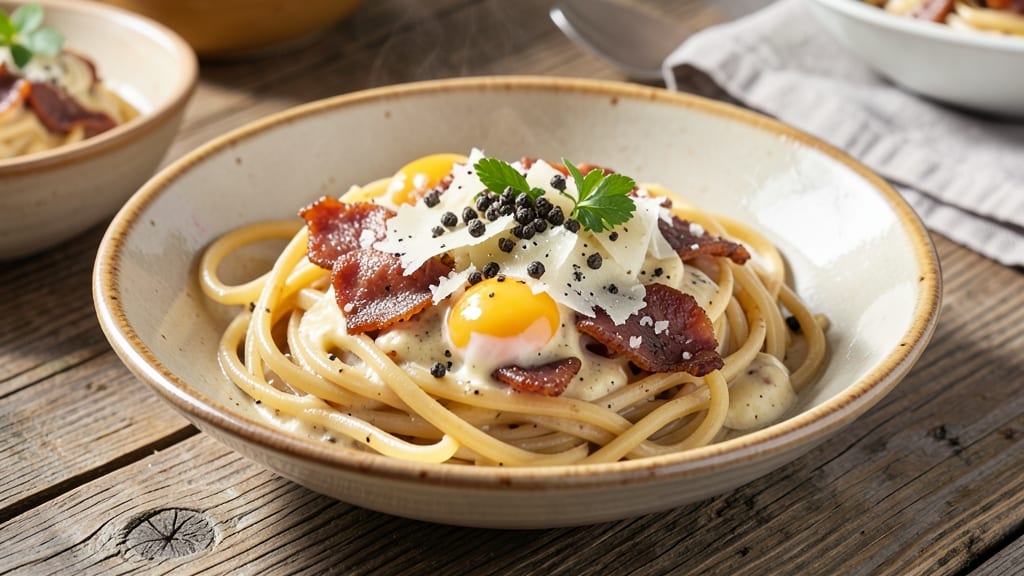
This authentic carbonara recipe delivers the Roman-style richness you crave without the heavy guilt—all thanks to the magic of perfectly tempered egg yolks. 💛 The secret lies in low-and-slow heat, precise ingredient ratios, and a technique that transforms simple pantry staples into a restaurant-worthy dish. I've perfected this method after years of testing (and a few curdled disasters), so you get creamy, velvety sauce every time.
What sets this carbonara apart is the balance: crispy guanciale (or pancetta) adds smoky depth, aged pecorino Romano brings sharp, salty richness, and the egg yolks—tempered just right—create that signature silky texture without breaking.
No heavy cream here; the sauce comes from the yolks, pasta water, and cheese alone. The key is patience—letting the sauce form gradually while keeping the heat gentle.
By the time you twirl that first forkful, you'll taste the difference: tender al dente pasta coated in a sauce that's creamy yet light, with pockets of crispy guanciale and sharp cheese.
This is the carbonara Rome was built on—no shortcuts, no substitutes, just authentic flavor. The best part? It comes together in under 30 minutes with just five ingredients.
Serve it immediately for that restaurant-quality experience, or save leftovers for a quick lunch—though I can't promise they'll last that long. Here's how to make it perfectly every time.
Ingredients for authentic carbonara recipe egg yolk
Five ingredients, one technique—this is how Rome makes carbonara.
| Ingredient | Amount | Notes |
|---|---|---|
| Spaghetti 🍝 | ½ lb | Spaghetti or bucatini preferred |
| Fresh Egg Yolks 🥚 | 4 whole | Room temperature, separated from whites |
| Guanciale 🥓 | 4 oz | Diced small, or substitute pancetta |
| Pecorino Romano Cheese 🧀 | 1 cup | Freshly grated, aged minimum 12 months |
| Freshly Ground Black Pepper 🌶️ | ½ tsp | Coarsely cracked, not powdered |
| Diamond Crystal Kosher Salt 🧂 | 1 tsp | For pasta water, not table salt |
| Extra-Virgin Olive Oil 🫒 | ¼ cup | For finishing, fruity variety |
Guanciale is non-negotiable for authenticity, but pancetta works in a pinch. Look for thick-cut slices at Whole Foods or specialty butchers—they sell pre-diced guanciale too. The cheese? Pecorino Romano has that sharp, salty punch Parmigiano lacks. I buy it pre-grated from Eataly to save time, but grating your own from a wedge is worth it. Egg yolks must be room temperature—cold yolks curdle. Crack them into a small bowl first to check for any weirdness (you'd be surprised how often eggs have surprises).
No guanciale? Pancetta or thick-cut bacon works, but render the fat first for best flavor. Short on Pecorino? Parmigiano-Reggiano at half the amount plus a pinch of sea salt bridges the gap. The olive oil matters here—use something fruity and peppery, not the bland stuff. For the pepper, freshly cracked black peppercorns add texture that powdered pepper can't match. And yes, you can use whole eggs if you're nervous about yolks, but the sauce will be slightly richer.
Pasta water is liquid gold—save at least 1 cup before draining. The sauce thickens as it sits, so start with slightly less cheese if you prefer it lighter. Leftovers? Not recommended—carbonara is best fresh, but if you must, reheat gently with a splash of pasta water. Store any unused guanciale or pancetta in the fridge for up to 2 weeks or freeze for 6 months. The cheese keeps indefinitely in the pantry, but it gets drier over time—grate it fresh for best results.
Why You'll Love This Recipe
- I’ll be real: I rarely have leftovers because it disappears so fast. But if you do? Reheat gently with a splash of pasta water, and it’s just as good the next day. The cheese pulls back together, and the pepper keeps it bright—no sad, dry noodles here.
- No-Fuss Technique: I swear by this method—just toss the guanciale in a pan until it renders, then pull the pan off heat to mix in the yolks. No scrambling, no curdling, just that perfect ribbon of silky sauce. Even if you’ve burned pasta before, this recipe forgives.
- Guanciale Magic: That cured pork cheek? It’s the secret weapon—salty, fatty, and so much better than bacon. When it crisps, the aroma alone makes me pause mid-chop. And when it melts into the pasta? Pure satisfaction.
- Weeknight Hero: Between us, this is my go-to when I’m too tired to think. Boil the spaghetti, render the guanciale, mix the yolks—done. It’s the kind of dish that feels fancy but takes less time than ordering takeout. (Yes, even on a Tuesday night.)
Step-by-step instructions for authentic carbonara with egg yolks
Here's the Roman technique that delivers creamy, rich carbonara without heavy cream or guilt.
🍳 Step 1: Render Guanciale Until Crispy and Golden
Heat a large skillet over medium heat—no oil needed, as the guanciale will render its own fat. Add the 4 oz diced guanciale and cook for 8-10 minutes until the fat has rendered out and the meat is golden brown and crispy. Stir occasionally to prevent burning, but don't rush this step—those crispy bits are pure flavor.
Here's the thing—if the guanciale starts to smoke too much, reduce the heat slightly. You want it to render slowly and develop that beautiful crust. When it's done, you should have about ¼ cup of rendered fat in the pan, along with crispy, aromatic meat. Don't drain this fat; it's the foundation of your sauce.
👨🍳 Step 2: Prepare the Egg-Yolk Mixture
While the guanciale cooks, whisk together the 4 whole fresh egg yolks in a bowl until smooth. Add ½ cup of the 1 cup freshly grated Pecorino Romano cheese (reserve the rest for finishing) and the 0.5 tsp freshly ground black pepper. The mixture should be pale yellow and slightly thickened—almost like a custard. This is the heart of your carbonara, so take your time getting it just right.
I like to use a fork for this step—it helps incorporate air and creates a lighter texture. The key is to keep the mixture at room temperature; cold eggs can create a grainy sauce. If your yolks are chilled, let them sit at room temperature for 10-15 minutes before mixing.
🍳 Step 3: Cook Pasta Al Dente and Reserve Starchy Water
Bring a large pot of water to a rolling boil and add 1 tsp Diamond Crystal kosher salt (it should taste like the sea). Add the 0.5 lb spaghetti and cook until 1 minute shy of the package directions for al dente. This ensures the pasta finishes cooking in the sauce.
Before draining, reserve 1 full cup of the starchy pasta water—this is non-negotiable. The starch helps emulsify the sauce and gives it that signature silky texture. Drain the pasta, but don't rinse it; the surface starch is essential for binding the sauce. Toss the drained pasta with the crispy guanciale in the same skillet for 30 seconds to coat it evenly in the rendered fat.
🥘 Step 4: Combine Off Heat for Silky Perfection
Here's the moment that matters: remove the skillet from heat and let it cool for 1 minute. This prevents scrambling the egg yolks. Add ½ cup of the reserved pasta water to the skillet and toss vigorously. Then, pour in the egg-yolk mixture while stirring constantly with a wooden spoon.
Work quickly but steadily—you want the residual heat from the pasta and pan to gently cook the eggs into a creamy sauce. If the sauce starts to thicken too much, add more pasta water 1 tablespoon at a time until it reaches a luxurious, coatable consistency. The sauce should cling to the pasta like liquid silk, with no visible lumps of egg.
🍽️ Step 5: Finish and Serve Immediately
Return the skillet to low heat for just 30 seconds to warm through gently. Stir in the remaining ½ cup Pecorino Romano cheese and a splash of 0.25 cup extra-virgin olive oil for a final touch of richness. Taste and adjust seasoning with more black pepper if needed—carbonara should be salty, peppery, and deeply savory.
Serve immediately, as carbonara doesn't wait. The sauce will thicken as it cools, so enjoy it right away with a sprinkle of extra Pecorino Romano and a crack of fresh black pepper. For authenticity, pair it with a simple arugula salad and crusty bread to soak up every last bit of that Roman-style richness.
Pro Tips For Making Authentic Carbonara Recipe Egg Yolk
- Cook Guanciale Low and Slow: Guanciale needs patience—render it over medium-low heat until the fat pools but the meat stays pink, not crispy. I used to rush it, and the texture turned greasy; now I let it cook for 15-20 minutes, stirring occasionally, until it’s tender but still holds shape.
- Grate Pecorino Fresh: Skip the pre-grated cheese—it’s full of anti-caking agents that ruin the sauce. Use a fine grater and do it right before tossing with the pasta; the cheese should melt into a creamy, salty ribbon, not a gritty mess.
- Reserve Pasta Water: Drain the spaghetti just al dente, but save a cup of starchy water—it’s the glue that binds the sauce. I learned this the hard way when my first carbonara turned into a dry, clumpy disaster.
- Temper the Yolks: Mix the yolks with a splash of hot pasta water first, then add the cheese and pepper. This prevents scrambling—yes, even if you’re nervous like me. The heat should be gentle; if the sauce curdles, you’ve gone too far.
Troubleshooting this dish
Eggs Curdling
If your sauce looks grainy or lumpy, you've likely overcooked the eggs. This happens when heat builds too quickly—especially after combining with hot pasta. The fix? Work faster next time by removing the pan from heat before adding the egg mixture.
I also recommend keeping your yolks at room temperature (never cold) and using a wooden spoon for gentle stirring. If it happens, whisk in 1 tbsp cold water or pasta water to smooth it out. 💡
Sauce Too Thin
A watery sauce usually means you didn't use enough cheese or reserved too much pasta water. Start by adding 1 tbsp more Pecorino Romano and let the sauce sit for 1-2 minutes—it thickens as it cools.
If it's still too loose, remove from heat and whisk in 1 tsp cornstarch mixed with 1 tsp cold water until smooth. Pro tip: Use 1 cup less pasta water next time and save the extra for reheating leftovers.
Guanciale Not Crispy
If your guanciale is greasy but not crispy, you likely cooked it too quickly over high heat. The key is low-and-slow cooking for 8-10 minutes on medium heat. For extra crispiness, spread the pieces out in a single layer and avoid stirring too often.
If it's already cooked, transfer to a paper towel-lined plate to drain excess fat, then return to the pan to crisp for 1-2 minutes over high heat. 🔥
Pasta Overcooked
Mushy pasta ruins carbonara's texture. The fix? Cook pasta 1 minute less than package instructions and finish in the sauce. If it's already too soft, drain and rinse briefly with cold water to stop cooking, then pat dry with a kitchen towel.
For next time, use a pasta thermometer—carbonara pasta should reach 130°F internal temp when removed from boiling water.
Cheese Not Melting
Pecorino Romano should melt into a creamy sauce, not stay in clumps. If it's grainy, your sauce might be too cold or you didn't add enough pasta water. Remove from heat and whisk in 2 tbsp hot pasta water to help emulsify.
For future attempts, add the cheese gradually while stirring constantly. I also recommend grating your own cheese—pre-shredded varieties contain anti-caking agents that prevent proper melting. 🧀
Sauce Breaks When Reheating
Carbonara isn't meant for leftovers, but if you must reheat, do it gently. Add 2 tbsp pasta water per serving and heat on low heat for 1-2 minutes while stirring constantly. For best results, reheat only what you'll eat immediately.
To prevent future issues, serve carbonara fresh and store components separately: cook pasta al dente, crisp guanciale, and mix egg yolks with cheese just before serving.
Nutrition facts
Frequently asked questions about authentic carbonara
Why do you need to use egg yolks instead of whole eggs?
Egg yolks create the signature creamy, velvety texture without making the sauce too heavy. Whole eggs would add too much moisture and risk curdling when combined with hot pasta. The yolks also contain lecithin, which helps emulsify the sauce beautifully when tempered with pasta water and cheese.
Can I substitute guanciale with bacon or pancetta?
Yes, but guanciale is non-negotiable for authentic flavor. Pancetta works best as a substitute—it's cured pork belly with similar fat content. Regular bacon has too much smoke and salt. Render the fat first to avoid a greasy dish, then crisp the meat just like guanciale.
How do I keep the egg yolks from scrambling?
Always remove the pan from heat before adding the egg mixture and let it cool for 1 minute. Use a wooden spoon to stir gently and avoid direct heat. If the sauce starts to thicken too quickly, add more pasta water 1 tablespoon at a time to temper the eggs gradually.
What's the best way to store leftover carbonara?
Carbonara is best eaten fresh, but if you must store it, keep components separate: cooked pasta, crispy guanciale, and the egg-cheese mixture. Reheat gently with pasta water—never microwave it directly. For next time, make a smaller batch to avoid leftovers entirely!
Why does my carbonara taste too salty?
Pecorino Romano is naturally salty, so use it sparingly if your guanciale or pancetta is already well-seasoned. Taste as you go and adjust with extra black pepper or a splash of pasta water to balance the saltiness. Remember, carbonara should be salty and peppery—it's part of the authentic flavor!