
Breakfast & Brunch
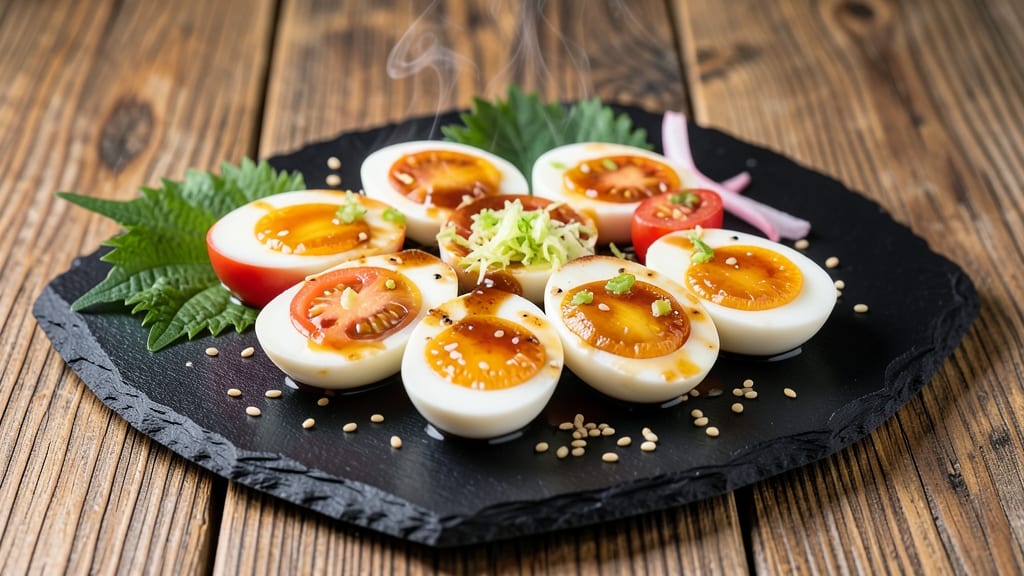
A shoyu egg marinade transforms simple eggs into umami-rich masterpieces with just five ingredients and 15 minutes of hands-off time. This Japanese-inspired blend of soy sauce, mirin, and aromatic ginger creates a glossy, flavorful coating that enhances tamagoyaki, hard-boiled eggs, or fried rice.
The secret lies in balancing saltiness and sweetness, resulting in a marinade that penetrates every bite for restaurant-quality depth.
The beauty of this marinade is its versatility—it works equally well for delicate proteins like soft-boiled eggs or hearty dishes such as ramen toppings. Unlike store-bought seasonings, this recipe delivers a bold, complex flavor without artificial additives.
The combination of shoyu’s savory depth and mirin’s subtle sweetness creates a harmonious balance that elevates even the simplest egg preparation.
To use, simply mix the ingredients and let them sit for at least 10 minutes before applying to your eggs. Whether you're making crispy tamagoyaki or adding a savory kick to scrambled eggs, this marinade ensures every bite is packed with umami.
The result? Eggs that taste like they’ve been simmered for hours, not minutes.
Perfect for breakfast, lunch, or as a garnish for noodle dishes, this marinade is a game-changer for anyone looking to add professional-level flavor to their cooking. With no special equipment required, it’s an easy way to elevate everyday meals without extra effort.
Ingredients for shoyu egg marinade
Five ingredients, umami magic—this marinade transforms ordinary eggs into restaurant-quality bites.
| Ingredient | Amount | Notes |
|---|---|---|
| Japanese Shoyu Soy Sauce 🍶 | ½ cup | High-quality, reduced-sodium preferred |
| Mirin 🍶 | ¼ cup | Sweet cooking wine, not substitute |
| Fresh Ginger 🧄 | 1 tbsp | Finely grated, aromatic variety |
| Sesame Oil 🫒 | 1 tbsp | Toasted sesame oil for depth |
| White Sugar 🍚 | 1 tbsp | Fine granulated preferred |
The shoyu is non-negotiable here—Kikkoman or Hajime deliver that authentic depth. Mirin should be the real deal, not the sweetened soy sauce substitute (it won’t cut it). For ginger, fresh is essential—it adds brightness that powdered can’t replicate. Toast your sesame oil gently before adding to avoid bitterness, and store it in a dark bottle to preserve its delicate flavor. The sugar balances the saltiness, but avoid brown sugar—it’ll muddy the marinade’s clarity.
No mirin? Dry sherry plus 1 tsp sugar works in a pinch, though it lacks mirin’s subtle sweetness. Substitute sesame oil with neutral oil plus 1/2 tsp toasted sesame seeds for texture. Reduced-sodium shoyu is ideal, but if you must use regular, cut the sugar to 1/2 tbsp to avoid over-saltiness. For extra umami, add 1/2 tsp fish sauce (though this makes it non-vegetarian), or 1/2 tsp dashi powder for a vegetarian alternative. The marinade’s magic lies in the 10-minute minimum rest—let it sit so flavors meld.
This marinade keeps up to 2 weeks in the fridge in an airtight container, though the ginger’s freshness degrades after 5 days. For longer storage, freeze in ice cube trays—thaw and whisk before using. Double the batch if you’re marinating multiple eggs; it’s worth the extra effort. The sesame oil will separate when refrigerated—just whisk vigorously before using. Use within 24 hours of opening for peak flavor, especially if you’ve added fresh ginger.
Why You'll Love This Recipe
- Five-Ingredient Magic: I swear, this marinade is the kind of recipe that makes me feel like a chef without the fuss. Just soy sauce, mirin, ginger, sesame oil, and sugar—no fancy techniques, no last-minute grocery runs. Honestly, I keep it in the fridge for those nights when I’ve got nothing but eggs and 15 minutes.
- Umami Bomb: That first crack of the egg into the marinade? The way the shoyu and mirin work together to coat the eggs in this perfect balance of salty, sweet, and funky—it’s the kind of flavor that sticks with you. The ginger adds a little kick, and the sesame oil ties it all together like a cozy blanket.
- Weeknight Superstar: Between us, this marinade is my go-to for everything from quick breakfast wraps to dinner-party appetizers. Marinate the eggs overnight for a protein-packed breakfast, or toss them into a stir-fry at lunch—it’s that versatile. Even my picky-eating partner asks for seconds.
- Budget Win: I buy a big bottle of shoyu and mirin, and this marinade lasts me weeks. A little goes a long way, and the eggs? They’re one of the cheapest proteins out there. Not the prettiest, but the taste makes up for it—and my wallet thanks me every time.
Step-by-step instructions for shoyu egg marinade
This marinade transforms ordinary proteins into restaurant-quality dishes with deep umami complexity.
Grate the Fresh Ginger
Use a fine grater or microplane to create 1 tablespoon of freshly grated ginger. The aroma should fill your kitchen immediately—this is your first flavor checkpoint. Fresh ginger delivers bright, citrusy notes that balance the soy's intensity, so don't substitute with powdered versions.
Set the grated ginger aside in a small bowl while you prepare the other components. The fine texture ensures even distribution throughout the marinade. If using a microplane, scrape the ginger off with a rubber spatula to avoid wasting any of that potent flavor.
Combine the Wet Ingredients
In a medium bowl, whisk together the 0.5 cup Japanese Shoyu Soy Sauce and 0.25 cup Mirin. The mixture should be slightly syrupy and glossy. This combination creates the umami foundation while the mirin adds subtle sweetness that prevents the soy from overwhelming delicate proteins.
Add the 1 tablespoon white sugar and whisk until completely dissolved. The sugar helps balance the acidity in the mirin and enhances the caramelization when used as a marinade. The mixture should now have a rich amber color with a smooth, homogeneous texture.
Incorporate the Ginger and Sesame Oil
Add the freshly grated ginger to the soy-mirin mixture and stir vigorously to combine. The ginger will sink slightly but should be evenly distributed. Next, drizzle in the 1 tablespoon sesame oil while whisking continuously.
The sesame oil adds nutty depth and helps the marinade cling to proteins during cooking. At this stage, the marinade should have a thick, velvety consistency with visible flecks of ginger throughout. The aroma should now be complex—salty, sweet, and slightly spicy with a nutty undertone.
Rest Before Using (Critical Step)
Cover the bowl with plastic wrap and let the marinade rest at room temperature for at least 15 minutes. This allows the flavors to meld completely and the sugar to fully dissolve, creating a more cohesive marinade. The longer it rests (up to 2 hours), the more balanced and complex the flavor profile becomes.
Before using, give the marinade one final stir. It should now have a glossy sheen and a harmonious blend of sweet, salty, and umami notes. This marinade works best when applied to proteins like chicken, fish, or tofu for 30 minutes to 2 hours before cooking—just enough time for the flavors to penetrate without overpowering the natural taste of the protein.
Pro Tips For Making Shoyu Egg Marinade
- Simmer the Ginger First: Fresh ginger burns faster than you’d think. Toss the sliced pieces into a cold pan with a splash of water, then turn the heat to medium-low and let it steam for 2 minutes before adding the rest of the marinade. This softens it without turning it to mush and keeps the flavor balanced—no bitter kick from overcooked ginger.
- Use Cold Eggs, Warm Marinade: Pull eggs straight from the fridge and let the marinade sit at room temp for 5 minutes before mixing. Cold eggs absorb the shoyu and mirin unevenly, while room-temp marinade coats them evenly. I learned this the hard way when my eggs turned out splotchy—now they marinate like a dream.
- Balance the Sugar Early: Taste the shoyu-mirin mix before adding sugar. If it’s too sharp, add white sugar gradually—start with half the recipe’s amount and adjust. Too much sugar later ruins the umami balance, and you’ll end up with a glaze instead of a silky marinade. Trust your palate, not the recipe’s measurements.
- Skip the Sesame Oil Until Last: Add sesame oil only when the marinade is fully cooled—it burns at 350°F (175°C) and turns bitter instantly. Stir it in right before pouring over the eggs or drizzling on top. This keeps the aroma intact and makes the dish smell like a proper Japanese izakaya, not a sad, burnt attempt.
Dietary considerations for this dish
Gluten-Free Adaptations
Traditional shoyu contains wheat, making it unsuitable for strict gluten-free diets. Swap Japanese shoyu for tamari—a gluten-free soy sauce alternative with deeper umami. I recommend San-J Tamari or La Choy Tamari, both widely available in health food sections.
The flavor profile remains rich, though slightly less salty, so you may want to add an extra ½ teaspoon salt to compensate. 💯
Soy-Free Options
For those avoiding soy entirely, replace shoyu and mirin with ½ cup coconut aminos (for shoyu) and ¼ cup rice vinegar plus 1 tbsp honey (for mirin). The coconut aminos provide a salty, savory base, while the honey adds sweetness.
Fresh ginger and sesame oil remain key for depth. Test the balance—you might need ½ teaspoon extra sugar to harmonize the flavors.
Vegetarian/Vegan
This marinade is naturally vegetarian, but for vegan use, ensure your shoyu is vegan-certified (some contain fish-based additives). Add ½ teaspoon dashi powder (vegan-friendly) or 1 tbsp nutritional yeast to boost umami.
The sesame oil and ginger still shine, creating a flavorful coating for tofu or veggie-based dishes. Always check labels—some mirins contain fish-based enzymes.
Low-Sodium Focus
If you're watching sodium, opt for reduced-sodium shoyu (like Kikkoman Low-Sodium) and cut the sugar to ½ tablespoon. The mirin’s sweetness helps balance the reduced saltiness. For extra flavor without sodium, add 1 clove minced garlic or ½ teaspoon white miso paste (ensure it’s low-sodium).
The ginger and sesame oil still deliver bold flavor without extra salt. 💡
Diabetic-Friendly
To make this marinade diabetic-friendly, reduce the sugar to ½ teaspoon and replace mirin with ¼ cup dry white wine (like Sauvignon Blanc). The wine adds acidity and complexity without spiking blood sugar.
Fresh ginger and sesame oil remain essential for depth. This version works beautifully on grilled chicken or fish, offering rich flavor without the sugar content. Always monitor portion sizes when using on proteins.
Nutrition facts
Frequently asked questions
Can I use this marinade on proteins other than eggs?
This shoyu marinade works wonderfully on chicken thighs, salmon fillets, or even tofu. For best results, marinate proteins for 30 minutes to 2 hours before cooking. The umami depth enhances grilled, pan-seared, or baked dishes—just avoid over-marinating delicate fish (stick to 15-30 minutes max).
What’s the difference between this and regular soy sauce marinades?
This marinade uses Japanese shoyu (soy sauce) + mirin, creating a sweeter, more complex flavor than plain soy sauce. The ginger and sesame oil add aromatic depth, while the sugar balances saltiness for a glossy finish. Regular soy sauce marinades lack this layered umami-sweet harmony.
How long can I store leftover marinade?
Store in an airtight container in the fridge for up to 2 weeks. The ginger’s freshness peaks within 5 days, but the marinade remains flavorful. For longer storage, freeze in ice cube trays—thaw and whisk before using. Sesame oil may separate when refrigerated; just stir well to recombine.
Can I make this without mirin?
Yes! Replace mirin with ¼ cup dry sherry + ½ teaspoon sugar for similar sweetness. For a non-alcoholic option, use ¼ cup rice vinegar + 1 teaspoon honey. The flavor won’t be identical, but it’ll still deliver rich umami. Adjust sugar to taste—mirin’s natural sweetness is hard to replicate.
Why does my marinade look cloudy?
Cloudiness is normal if your sesame oil separates or if you used freshly grated ginger. Whisk vigorously before using—this marinade should be glossy, not murky. If it’s truly cloudy (like milk), it may have curdled. In that case, strain through a fine-mesh sieve to remove solids and use the liquid portion.