
Breakfast & Brunch
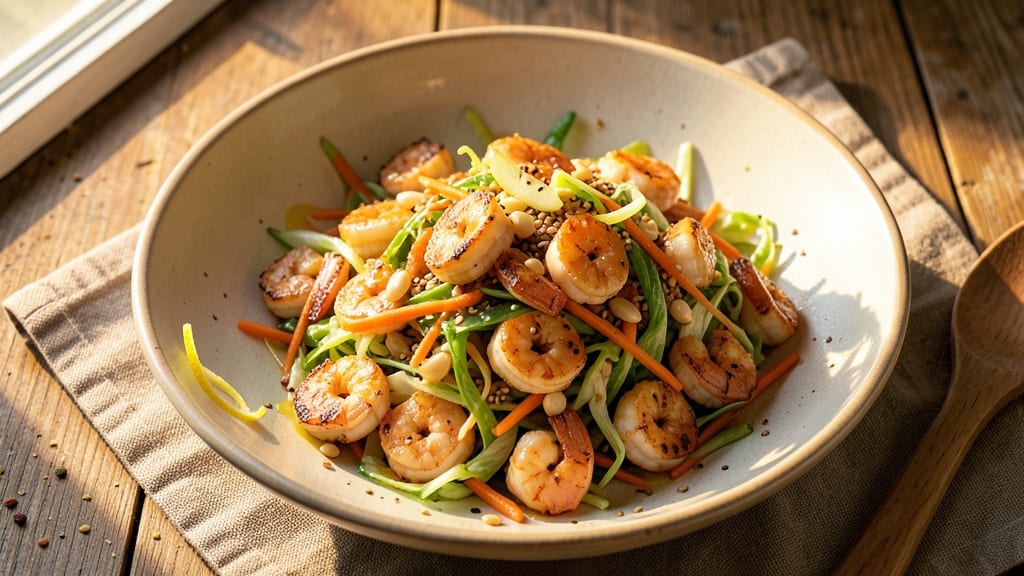
This shrimp egg roll filling recipe delivers the perfect balance of wok-tossed crunch and zesty garlic-lime brightness—transforming simple ingredients into a flavor-packed centerpiece for crispy egg rolls.
The secret lies in properly cooking the shrimp and vegetables to maintain texture while building layers of flavor through aromatics and a light cornstarch coating. This isn't just another egg roll filling; it's a restaurant-quality base that works for frying, baking, or air-frying with equal success.
What sets this recipe apart is the wok-hei technique, where high heat quickly cooks the shrimp and vegetables just until tender-crisp, locking in their natural juices and developing that signature smoky aroma.
Garlic and lime add a bright, tangy contrast to the savory shrimp and cabbage, while a touch of ginger rounds out the flavors. The filling stays moist enough to hold together during cooking but firm enough to maintain structure when wrapped.
By the time you're done, you'll have a filling that's bursting with texture—juicy shrimp, crisp-tender cabbage, and al dente carrots—all coated in a light cornstarch slurry that ensures a perfect bite.
The shrimp cooks in just 3-4 minutes, while the vegetables wok-toss in 2 minutes, making this a quick yet professional process. This is the kind of filling that turns homemade egg rolls into a standout dish.
The beauty of this recipe is its versatility—use it for classic fried egg rolls, healthier baked versions, or even as a filling for spring rolls. Optional additions like chili flakes or scallions can customize the flavor to your taste. Let's get started on creating filling that's worth the crispy wrapper.
Ingredients for shrimp egg roll filling
Restaurant-quality shrimp egg roll filling starts with these 13 ingredients—each playing a precise role in texture and flavor.
| Ingredient | Amount | Notes |
|---|---|---|
| Large Shrimp (Peeled and Deveined) 🦐 | 1 ½ lb | Tail-on for presentation, size 31/40 |
| Green Cabbage 🥬 | 4 cups | Shredded, core removed, leaves thinly sliced |
| Carrots 🥕 | 2 medium | Julienned or matchstick cut, about 1 cup |
| Garlic Cloves 🧄 | 6 cloves | Minced, for aromatic base |
| Fresh Ginger 🌿 | 1 tbsp | Finely grated, for zesty depth |
| Lime Juice 🍋 | 2 tbsp | Freshly squeezed, for bright acidity |
| Cornstarch 🌾 | 2 tbsp | For light coating, not flour |
| Vegetable Oil 🫒 | 2 tbsp | High smoke point for wok-hei |
| Soy Sauce 🍶 | 2 tbsp | Light or regular, for umami |
| Sesame Oil 🫒 | 1 tsp | Toasted, for nutty aroma |
| Salt 🧂 | ½ tsp | Diamond Crystal preferred |
| White Pepper 🌶️ | ¼ tsp | Freshly ground for subtle heat |
| Scallions 🧅 | 2 whole | Thinly sliced, for garnish |
The shrimp selection is critical—31/40 count delivers that perfect balance of tenderness and snap. Whole Foods or Asian markets carry the best frozen varieties, but fresh works if you can find it. Look for bright pink color and firm texture; avoid any with a fishy odor. The cabbage should be crisp and vibrant, not wilted or yellowing. For the carrots, organic varieties have better flavor, but conventional works fine. Pre-shredded cabbage is convenient but loses texture—slice it yourself for that restaurant-quality crunch. The garlic and ginger should be freshly grated or minced—pre-minced jars lack the aromatic punch.
No cornstarch? Arrowroot powder at the same amount works equally well, though it has a slightly different texture. Substituting flour will make the filling gummy. Running short on lime? Fresh lemon juice at double the amount gets you close, though the flavor will be slightly different. The soy sauce can be swapped for coconut aminos if you're avoiding soy, but the umami depth will be reduced. For a spicier kick, add 1/4 tsp chili flakes or a dash of sriracha. The scallions are optional but add a lovely fresh finish—skip them if you prefer a cleaner flavor profile. If using frozen shrimp, thaw in cold water for 10 minutes before cooking to maintain texture.
This filling holds for 3 days in the fridge when stored in an airtight container, but it's best used immediately for peak texture. For longer storage, freeze portions in single-serving containers for up to 3 months. To reheat, microwave for 45-60 seconds or steam for 2-3 minutes—avoid boiling, which can turn the shrimp rubbery. The cornstarch coating ensures it reheats beautifully while maintaining that tender-crisp texture. For optimal results, assemble egg rolls immediately after cooking the filling, as the vegetables will soften slightly over time.
Why You'll Love This Recipe
- 20-Minute Prep: I swear by this for nights when I’m staring at the fridge at 7:30 PM wondering what to make. The shrimp cooks in minutes, the cabbage and carrots barely need chopping—just thin strips—and the garlic-ginger combo infuses flavor faster than takeout delivery.
- Umami Bomb: That crispy shrimp paired with the fresh crunch of cabbage and the natural sweetness of carrots? It’s the kind of balance that makes you forget you’re eating a filling and not the whole egg roll. The ginger adds this bright, zesty kick that cuts through the richness.
- Party or Pantry: I’ve used this mix for homemade egg rolls, stir-fries, or even stuffed into wonton wrappers for a quick appetizer. Honestly, the leftovers are just as good cold in a salad the next day—no one judges when it’s hidden in a lunchbox.
- Budget-Friendly Win: Shrimp’s the star, but cabbage and carrots stretch it far. I’ve fed four people for under $15, and the filling keeps for days in the fridge. (Yes, even on a Tuesday night.) Plus, no fancy ingredients—just what’s already in your veggie drawer.
Step-by-step instructions for shrimp egg roll filling
Master this wok-tossed filling technique for restaurant-quality egg rolls every time.
Prep and Coat the Shrimp
Pat the 1.5 lb large shrimp (peeled and deveined) completely dry with paper towels—this ensures maximum crispiness when seared. In a medium bowl, whisk together the 2 tbsp cornstarch, 0.5 tsp salt, and 0.25 tsp white pepper. Add the shrimp and toss gently to coat evenly, ensuring each piece is lightly dusted. Let them sit for 5 minutes while you prep the vegetables—this resting period helps the cornstarch adhere better.
Here's the thing—don't skip the drying step. Any moisture on the shrimp will steam instead of sear, resulting in soggy filling. The cornstarch coating creates a delicate crust that gives your egg rolls that satisfying crunch while keeping the shrimp tender inside. I like to use my hands for this step to ensure even distribution, but a silicone spatula works too if you're concerned about cross-contamination.
Sear the Shrimp and Aromatics
Heat a wok or large skillet over high heat until it's smoking hot. Add the 2 tbsp vegetable oil and swirl to coat the surface evenly. Working in batches if needed (to avoid overcrowding), add half of the shrimp and let them sear undisturbed for 1-2 minutes per side until they turn a beautiful opaque pink and develop a light golden crust. Remove and set aside on a plate.
In the same wok, add the remaining 2 tbsp vegetable oil and reduce heat to medium-high. Add the 6 cloves minced garlic and 1 tbsp finely grated fresh ginger, stirring constantly for 30 seconds until fragrant but not browned. This quick cooking preserves their bright flavors without bitterness. Add the 2 medium julienned carrots and stir-fry for 1 minute until they begin to soften slightly but still retain their crisp texture.
Wok-Toss the Vegetables and Shrimp
Add the 4 cups shredded green cabbage to the wok and stir-fry for 2-3 minutes until it wilts down by about half but still maintains some texture. Here's where the action happens: return the seared shrimp to the wok along with the 2 tbsp soy sauce and 2 tbsp lime juice. Toss everything vigorously for 1-2 minutes until the cabbage is tender-crisp and the shrimp are heated through.
The lime juice is crucial here—it brightens the dish and prevents the filling from tasting flat. You'll notice the cabbage releases moisture as it cooks; this is normal and actually helps create a juicy filling. If the mixture seems too dry, add 1-2 tablespoons of water to maintain moisture without making the filling soggy. The shrimp should be opaque throughout with no pink centers.
Finish with Umami and Garnish
Remove the wok from heat and drizzle in the 1 tsp toasted sesame oil. Give everything one final toss to distribute the oil evenly—this adds a nutty aroma and depth of flavor. Taste and adjust seasoning if needed; you might want to add a pinch more salt or a splash of lime juice to balance the flavors. The filling should be vibrant, aromatic, and perfectly seasoned.
Transfer the filling to a clean bowl and let it cool slightly before rolling. Garnish with the 2 whole thinly sliced scallions just before serving or rolling into egg roll wrappers. The scallions add a fresh contrast to the rich, savory filling. This filling keeps well in the refrigerator for up to 2 days, making it perfect for meal prep or feeding a crowd.
Pro Tips For Making Shrimp Egg Roll Filling
- Blanch Cabbage First: Toss shredded green cabbage in boiling water for 30 seconds before draining—it softens faster and keeps the filling from turning soggy when cooking. I used to skip this and ended up with mushy egg rolls that stuck together like wet paper.
- Pre-Cook Shrimp Correctly: Stir-fry shrimp over high heat for just 1-2 minutes until they turn opaque—overcooking makes them rubbery and dry. My first batch turned out chewy because I kept checking the clock instead of the shrimp.
- Grate Ginger Fine: Use a microplane or fine grater for ginger, not a knife—it distributes flavor evenly without big chunks. I once found a ginger shard in an egg roll and nearly threw the whole batch out.
- Sweat Veggies Low and Slow: Cook carrots and garlic at medium-low heat until tender but not browned—high heat burns them before they soften. After burning three batches, I finally realized patience here makes a real difference.
Best sauces and condiments for shrimp egg roll filling
Classic Soy-Ginger Dipping Sauce
This simple sauce elevates your shrimp egg rolls instantly. Mix 3 tbsp soy sauce, 1 tbsp rice vinegar, 1 tsp toasted sesame oil, 1 tsp honey, and ½ tsp grated ginger in a small bowl.
The honey balances the saltiness while the ginger adds warmth. Serve warm for best flavor—it pairs perfectly with the bright lime notes in the filling. 🍶
Spicy Sriracha-Lime Sauce
For heat lovers, blend 2 tbsp sriracha, 1 tbsp lime juice, 1 tsp fish sauce, and ½ tsp sugar until smooth. The lime cuts through the spice while the fish sauce adds umami depth.
Drizzle over finished egg rolls or serve as a dipping sauce. Start with 1 tsp sriracha if you prefer milder heat. 🌶️
Sweet Chili Glaze
This glaze adds a glossy finish to fried egg rolls. Combine ¼ cup sweet chili sauce, 1 tbsp honey, and 1 tsp rice vinegar in a small saucepan.
Simmer for 2 minutes** until slightly thickened. Brush over warm egg rolls just before serving—the sticky-sweet flavor contrasts beautifully with the shrimp's savory notes. 🍯
Garlic-Lime Aioli
For a creamy twist, whip ¼ cup mayonnaise, 1 tbsp lime juice, 1 minced garlic clove, ½ tsp salt, and a pinch of white pepper until smooth.
The lime brightens the richness of the mayo, while the garlic complements the shrimp's natural sweetness. Serve chilled for dipping or as a spread on spring rolls. 🧄
Sesame-Hoisin Dip
Blend 2 tbsp hoisin sauce, 1 tbsp toasted sesame oil, 1 tsp grated ginger, and 1 tsp rice vinegar for a nutty, slightly sweet dip. The hoisin adds depth while sesame oil enhances the umami.
Drizzle over egg rolls or serve alongside for dipping. This sauce works especially well with baked or air-fried egg rolls. 🥘
Nutrition facts
Frequently asked questions
Can I substitute chicken or pork for the shrimp in this filling?
You can absolutely substitute! For chicken, use 1.5 lb boneless breast or thigh cut into small pieces and cook until 165°F internal temperature. For pork, opt for 1.5 lb ground pork and brown it first to remove excess fat. The cooking time will differ—chicken needs 6-8 minutes while pork cooks in 4-5 minutes. Adjust seasoning slightly as pork has a stronger flavor profile.
How do I prevent the egg rolls from becoming soggy?
Sogginess happens when moisture escapes during cooking. First, ensure your filling is completely cooled before rolling—warm filling releases steam. Use 1-2 tbsp cornstarch in the filling to absorb excess moisture. For frying, maintain oil at 350-375°F—too low causes steaming. Baking? Spread egg rolls on a wire rack over a baking sheet to allow air circulation.
Can I make this filling ahead of time?
Yes! Store the filling in an airtight container in the fridge for up to 3 days or freeze for 3 months. For best texture, reheat in a steamer for 2-3 minutes (microwave makes shrimp rubbery). Let it cool completely before rolling to prevent soggy wrappers. The flavors actually improve overnight as ingredients meld.
What's the best way to cook the egg rolls after filling?
For classic fried egg rolls, deep-fry at 350-375°F for 2-3 minutes until golden. Baking works too—brush with oil, bake at 400°F for 12-15 minutes until crispy. Air-fry at 375°F for 6-8 minutes, shaking halfway. Pro tip: Spritz with oil before cooking for extra crispiness.