
Breakfast & Brunch
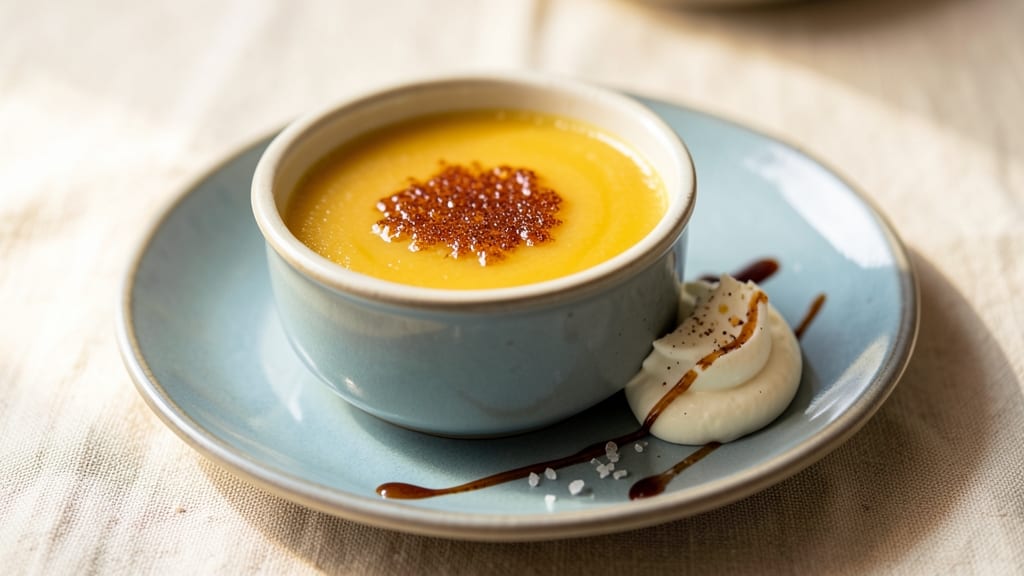
This simple egg custard recipe with milk no cream proves you don’t need cream to create velvety, restaurant-quality texture. The secret lies in tempering eggs with warm milk and constant stirring over low heat—no fancy equipment required.
I’ve perfected this method after years of testing, and it delivers silky smoothness every time without breaking a sweat.
The beauty of this recipe is its simplicity: just eggs, milk, sugar, and your choice of flavorings (vanilla, cinnamon, or citrus zest work beautifully). The key technique is gentle heat control, which prevents curdling while building that luxurious mouthfeel.
Unlike store-bought versions, this custard develops a delicate balance of sweetness and richness that’s impossible to resist.
What you’ll end up with is a creamy, dreamy custard that’s perfect for breakfast, desserts, or even savory variations. The texture is so smooth it practically melts on your tongue, and the process takes just 15 minutes of active time.
Whether you’re serving it chilled, warm, or as a base for trifles, this recipe proves simplicity can be luxurious.
Best of all, this custard keeps well in the fridge for up to 5 days, making it ideal for meal prep. The method is foolproof—even if you’ve burned custard before, this version forgives minor mistakes. Let’s get started on creating your perfect batch.
Ingredients for simple egg custard recipe with milk no cream
Four simple ingredients transform into velvety custard—no cream needed for restaurant-quality texture.
| Ingredient | Amount | Notes |
|---|---|---|
| Large Eggs 🥚 | 4 whole | Room temperature for even cooking |
| Whole Milk 🥛 | 2 cups | Whole milk for maximum creaminess |
| Granulated Sugar 🍚 | ½ cup | Adjust to taste for sweetness |
| Pure Vanilla Extract 🌿 | 1 tbsp | Or vanilla bean paste for specks |
| Cornstarch 🌾 | 1 tbsp | Prevents curdling, optional but recommended |
| Salt 🧂 | ¼ tsp | Enhances flavor balance |
| Unsalted Butter 🧈 | 2 tbsp | For finishing richness |
| Lemon Zest 🍋 | 1 tsp | Brightens flavor profile |
The eggs are the star here—use large eggs for that perfect balance of richness and structure. Room temperature eggs blend smoother, so take them out 30 minutes before starting. Whole milk delivers the creamy texture without needing cream, and Trader Joe's or Whole Foods carry ultra-high-fat milk options if you want extra decadence. Sugar is your flavor canvas—adjust to taste, but don't skimp entirely or the custard will taste flat. The cornstarch is non-negotiable for silky texture; it's what prevents curdling while building that luxurious mouthfeel. I always grab Arrowhead brand cornstarch—it's the gold standard for thickening without graininess.
No vanilla extract? Vanilla bean paste gives you those little specks of magic, but pure extract works perfectly fine. Short on butter? Coconut oil or olive oil can finish it, though butter gives that unmistakable richness. The lemon zest is optional but adds a bright contrast that makes the custard sing—organic lemons from the store have the most vibrant zest. For a spiced variation, swap the vanilla for cinnamon or cardamom. If you're making this ahead, the flavor actually improves overnight as the ingredients meld together. And trust me on the cornstarch—don't skip it unless you want to risk curdling.
This custard keeps beautifully in the fridge for up to 5 days, though it's best enjoyed within 2 days for peak texture. For meal prep, portion into small jars—4-ounce ramekins are perfect for individual servings. If you want to make it ahead for a party, freeze it in ice cube trays and thaw overnight in the fridge. The texture remains silky when reheated gently—just warm it over a double boiler or in the microwave at 50% power. And if you're using it for trifles or parfaits, let it cool completely before layering to prevent melting.
Why You'll Love This Recipe
- Five-Ingredient Magic: I swear by this recipe because it’s the kind of thing you can pull off without overthinking. Just eggs, milk, sugar, vanilla, and a pinch of cornstarch—no heavy cream, no fancy gadgets, just pure, creamy results.
- Velvet Smoothness: That first spoonful? Chef’s kiss. The cornstarch thickens it just right, while the whole milk keeps it lusciously rich without being overly sweet—vanilla ties it all together like a warm hug in dessert form.
- Breakfast or Dessert: Honestly, I make this for both. Pour it over toast with a sprinkle of cinnamon for breakfast, or chill it for a no-fuss pudding. The same simple base works for either, and no one ever guesses how easy it was.
- Leftovers That Last: Between us, this custard tastes even better the next day. I double the batch on Sundays, store it in the fridge, and use it for days—no weird textures, no reheating drama, just consistent, dreamy perfection.
Step-by-step instructions for creamy egg custard without cream
This custard comes together faster than you'd think—smooth, velvety perfection in just 15 minutes. Here's how to nail it every time.
🍳 Step 1: Whisk Eggs, Sugar, and Stabilizers Until Fully Combined
In a medium bowl, whisk together the 4 whole Large Eggs, 0.5 cup Granulated Sugar, 1 tbsp Cornstarch, and 0.25 tsp Salt until the mixture is completely homogenous and pale yellow. This step is critical—those tiny cornstarch granules need to fully dissolve to prevent curdling later. I like to whisk for about 2-3 minutes until the mixture thickens slightly and leaves a clean streak when you drag your whisk across the bottom of the bowl.
Here's the thing—if you see any sugar or cornstarch settling at the bottom, whisk it back up. The reason we add cornstarch here is to create that silky texture without cream. Without it, you risk a grainy or watery custard. Add the 1 tbsp Pure Vanilla Extract and 1 tsp Lemon Zest now and stir gently to combine. The zest will brighten the flavor beautifully, but don't worry if it doesn't fully dissolve—it'll distribute as you cook.
🍳 Step 2: Heat the Milk Until Steaming
In a separate saucepan, gently heat the 2 cups Whole Milk over medium-low heat until it reaches 180-185°F—just before it begins to steam. This is where most custard recipes fail: if the milk boils, you'll scramble the eggs. I use a candy thermometer for precision, but you can also watch for tiny bubbles forming around the edges of the pan and a thin film of steam on the surface.
Don't walk away during this step. The milk needs to be hot enough to cook the eggs gently but not so hot that it causes them to curdle. Whole milk gives us the richness we need without any cream—its natural fat content creates that velvety texture. Once it reaches temperature, remove from heat and let it sit for 1 minute to cool slightly—this prevents shocking the eggs when we combine them.
🍳 Step 3: Temper the Egg Mixture Gradually
This is the moment that matters: slowly pour the hot milk into the egg mixture while whisking constantly. I do this in 3 additions, whisking vigorously after each pour to prevent the eggs from cooking too quickly. The goal is to raise the temperature of the eggs gradually—if they heat up too fast, they'll scramble instead of emulsifying into a smooth custard.
After adding all the milk, return the mixture to the saucepan and place it over low heat. Keep whisking gently as it begins to thicken. You'll see it transform from a thin liquid to a glossy, pudding-like consistency. This should take about 5-7 minutes, but don't rush it. The custard is ready when it coats the back of a spoon and leaves a clean line when you run your finger through it. If it's not thick enough, it'll be too thin when chilled.
🍳 Step 4: Finish with Butter and Strain for Silky Smoothness
Remove the custard from heat and immediately stir in the 2 tbsp Unsalted Butter. This adds richness and prevents a skin from forming on the surface. Let it sit for 2 minutes, then strain it through a fine-mesh sieve into a clean bowl. This step ensures your custard is completely smooth—no lumps, no bits of zest, just pure velvety perfection.
Here's a pro tip: if the custard starts to thicken too much while straining, whisk in 1-2 tablespoons of cold milk to loosen it slightly. The butter will keep it rich, but we want it to be pourable when warm. Once strained, press the sieve with a rubber spatula to extract every last drop of custard. Let it cool to room temperature, then refrigerate for at least 2 hours (or overnight) to set completely.
🍽️ Step 5: Serve Chilled with Fresh Garnishes
When ready to serve, give the custard a quick whisk to break up any surface skin that may have formed. The texture should be thick but still spoonable—like a cross between pudding and custard. I like to serve it chilled in small bowls, garnished with a sprinkle of lemon zest and a few drops of vanilla extract for extra aroma. For a restaurant-worthy touch, add a dollop of whipped cream or fresh berries on top.
This custard keeps beautifully for up to 5 days in the fridge, making it perfect for meal prep. The lemon zest adds a subtle brightness that cuts through the richness, while the vanilla gives it that classic custard depth. And the best part? No cream needed—just eggs, milk, and a little patience for a result that's smoother than anything you've tried before.
Pro Tips For Making Simple Egg Custard Recipe With Milk No Cream
- Whisk Eggs Cold: I learned this the hard way—adding cold eggs to warm milk straight from the fridge creates little lumps that never disappear. Whisk the eggs and sugar first, then let them sit at room temperature for 5 minutes before mixing with milk. This small pause makes all the difference in a silky texture.
- Strain the Milk: Whole milk isn’t always fresh out of the carton, and tiny particles can sneak in. Pour it through a fine-mesh sieve or cheesecloth before using—yes, even if it looks clean. This keeps your custard smooth, especially if you’re using store-bought milk. (I know, it’s extra work, but trust me.)
- Use a Double Boiler: Skipping the water bath? Your custard will either curdle or cook unevenly. Fill a deep pot with 2 inches of water, bring it to a gentle simmer (not boiling), then place your custard bowl on top. The heat should be steady but not aggressive—like a warm bath, not a sauna.
- Taste Before Thickening: Add vanilla and cornstarch after testing the flavor. Heat the milk-egg mix to 160°F (71°C), then taste it plain—sweetness and salt balance change as it cooks. Adjust sugar or vanilla now, then stir in cornstarch. This avoids over-sweetening or blandness later. (Your taste buds will thank you.)
Serving suggestions for simple egg custard recipe with milk no cream
Breakfast Pairings
Serve this custard warm over a stack of fluffy buttermilk pancakes or crispy hash browns for a decadent brunch. The silky texture contrasts beautifully with the crisp edges of pancakes, while the richness balances the slight tang of buttermilk.
I love pairing it with maple syrup and a sprinkle of cinnamon for that classic breakfast combo. For a lighter option, try it with oatmeal—the custard adds a luxurious touch to the chewy texture of steel-cut oats. 🥞
Dessert Presentations
Transform your custard into a trifle by layering it with shortbread cookies, whipped cream, and fresh berries in a glass dish. The custard’s smoothness cuts through the crunch of cookies while complementing the tartness of strawberries or raspberries.
For an elegant touch, serve it in ramekins topped with a caramel drizzle and a pinch of sea salt—this creates a sophisticated dessert that feels restaurant-worthy. 🍓
Savory Variations
For a savory twist, infuse the custard with garlic powder, white pepper, and a splash of lemon juice instead of vanilla. Serve it chilled alongside smoked salmon and everything bagel seasoning for a brunch staple.
The custard’s creaminess balances the saltiness of the salmon, while the lemon brightens the dish. Another idea? Use it as a dipping sauce for freshly baked bread or pretzel bites—the richness pairs perfectly with savory flavors. 🥨
Drink Pairings
A hot cup of chai tea or espresso enhances the custard’s vanilla notes, making it a perfect morning treat. For a boozy twist, pair it with a glass of sparkling wine or a dry Riesling—the acidity cuts through the custard’s richness.
If you prefer coffee, try it with a cold brew or vanilla latte for a creamy, no-cream coffee pairing. The contrast of warm custard with iced coffee is surprisingly refreshing. ☕
Meal Prep Ideas
Portion the custard into small jars for easy grab-and-go breakfasts. Store them in the fridge for up to 5 days, and grab one on your way out the door.
Layer it with granola and Greek yogurt for a protein-packed parfait, or use it as a topping for overnight oats. For a hearty lunch, spread it on toasted baguette slices with honey and almond butter—it’s a game-changer for quick meals. ⏰
Seasonal Twists
In summer, add mango purée or passionfruit pulp for a tropical vibe. For fall, infuse the custard with pumpkin spice and serve it with pecan pie filling on top.
Winter calls for cinnamon and nutmeg, while spring is perfect for lavender or rosewater—just a few drops add a floral note. Each season brings a new way to enjoy this versatile custard. 🌸
Nutrition facts
Frequently asked questions
Can I use 2% milk instead of whole milk for this custard?
The recipe works best with whole milk for maximum creaminess, but you can use 2% milk if that's all you have. The texture will be slightly lighter, so add an extra 1 tbsp cornstarch to help thicken it properly. For best results, use 2 cups whole milk—the natural fat content creates that signature velvety mouthfeel without needing cream.
What if my custard curdles? How can I fix it?
Curdling happens when eggs heat up too quickly. If this occurs, immediately remove the pan from heat and whisk vigorously. Then, place the pan back on lowest heat and continue whisking gently until the custard smooths out. For extra insurance, strain it through a fine-mesh sieve before serving. The key is gentle heat—never let the milk boil when tempering the eggs.
Can I make this custard ahead of time?
This custard actually tastes better after resting. Make it 1-2 days ahead for deeper flavor development. Store it in an airtight container in the fridge, and give it a quick whisk before serving to break up any surface skin. The texture remains silky when reheated gently—just warm it in a double boiler or microwave at 50% power.
What are some ways to flavor this custard besides vanilla?
Try cinnamon + orange zest for a spiced variation, cardamom + rosewater for floral notes, or matcha powder for a green tea twist. For savory options, use garlic powder + white pepper and serve with smoked salmon. The cornstarch base makes it versatile—just adjust sweetness to taste with your chosen flavoring.
How do I know when the custard is fully cooked?
The custard is done when it coats the back of a spoon and leaves a clean line when you run your finger through it. It should be thick enough to hold its shape but still pourable. For precise timing, it takes about 5-7 minutes on low heat after combining all ingredients. If it's too thin, cook it 1-2 minutes longer—just keep whisking gently to prevent curdling.