
Breakfast & Brunch
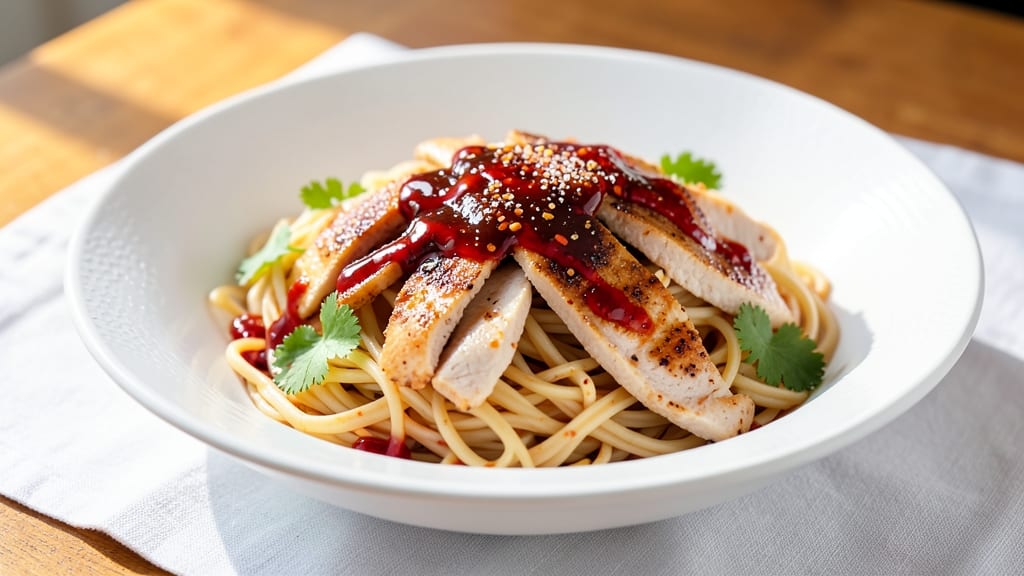
This Singapore egg noodles recipe delivers the bold, aromatic flavors of a bustling hawker stall in just 30 minutes. The secret lies in the perfect balance of chili, soy, and sweetness, creating a sauce that's both fragrant and complex.
I developed this version after years of perfecting the wok technique—high heat, constant stirring, and the right sauce ratios make all the difference.
The dish starts with fresh egg noodles, stir-fried until just tender, then tossed with a vibrant sauce made from soy sauce, chili oil, and a touch of sugar.
The result is a dish that's wok-hot and packed with umami, where every bite delivers a perfect harmony of spicy, salty, and slightly sweet. This recipe serves 2-3 and scales easily for larger groups.
What sets this version apart is the depth of flavor achieved through proper sauce reduction and the right protein-to-sauce ratio. The chili oil adds heat without overpowering, while the soy sauce provides that essential umami backbone.
The noodles stay al dente, absorbing the sauce just enough to make each bite irresistible.
Serve immediately for the best texture and flavor—this dish is all about that first, steaming-hot bite. Garnish with chopped scallions and sesame seeds for added freshness and crunch. The simplicity of the ingredients belies the complexity of the flavors, making this a recipe you'll want to make again and again.
Ingredients for singapore egg noodles
Just eight ingredients transform your kitchen into a Singapore hawker stall in 30 minutes.
| Ingredient | Amount | Notes |
|---|---|---|
| Fresh Egg Noodles 🍜 | 8 oz | Dried or fresh, cut into 3-inch pieces |
| Chicken Breast 🍗 | 8 oz | Boneless, skinless, thinly sliced |
| Light Soy Sauce 🥄 | ¼ cup | High-quality, preferably Japanese |
| Dark Soy Sauce 🥄 | 1 tbsp | For deeper color and flavor |
| Chili Oil 🌶️ | 1 tbsp | Or substitute chili crisp |
| Granulated Sugar 🍚 | 1 tbsp | Adjust to taste for sweetness |
| Garlic Cloves 🧄 | 4 cloves | Minced finely for aroma |
| Green Onions 🧅 | 3 whole | Chopped, white and green parts |
| Sesame Oil 🫒 | 1 tsp | For aroma, not cooking |
| Toasted Sesame Seeds 🌰 | 1 tbsp | For garnish |
| Vegetable Oil 🫒 | 2 tbsp | High smoke point for wok |
| Ground White Pepper 🌶️ | ¼ tsp | Freshly ground preferred |
| Salt 🧂 | ½ tsp | Adjust to taste |
The egg noodles are non-negotiable—fresh or dried makes all the difference. Trader Joe's has great pre-cut dried noodles, but if you can find fresh at an Asian market, grab those. The chicken should be thinly sliced against the grain—this cuts cooking time and ensures tenderness. For soy sauce, Kikkoman light soy is my go-to, but any good Japanese brand works. The dark soy adds that signature deep red color that makes the dish look as good as it tastes. Chili oil? Lao Gan Ma is the gold standard, but any chili oil or crisp works in a pinch.
No chili oil? Mix 1 tbsp chili paste with 1 tsp sesame oil—it’s not the same, but it’ll give you heat. Running short on garlic? Garlic powder at half the amount works, but fresh is always better. The sesame oil is for aroma only—don’t cook with it, or you’ll burn it. For extra umami, add 1 tsp fish sauce (if not vegetarian) or 1 tsp soy sauce reduction. The sugar balances the soy and chili, so don’t skip it—even if you’re not sweet-toothed, trust me on this. If you’re making this ahead, store the sauce separately and toss with noodles just before serving.
This dish is all about freshness—serve immediately for that wok-hot texture. If you must prep ahead, par-cook the noodles and store them in cold water to keep them from sticking. The sauce can be made 1 day ahead and reheated gently. Garnish with sesame seeds and green onions right before serving—they add crunch and freshness that disappears fast. Leftovers? Reheat in a wok or skillet with a splash of water to revive the texture. Freezing isn’t recommended—noodles get mushy, and the sauce separates.
Why You'll Love This Recipe
- No-Chop Nightmare: I swear by this recipe on my busiest nights—just slice the chicken into thin strips (no dicing, no fuss) and toss it in the same pan as the noodles. The dark soy sauce caramelizes in minutes, giving those strips a glossy, restaurant-worthy sheen without standing over the stove.
- Umami Bomb: That combo of light and dark soy sauce? Chef’s kiss. The light soy keeps it bright, while the dark adds a deep, savory richness—plus, a drizzle of chili oil turns it from good to "I’ll have this every week." Honestly, the first time I tasted it, I immediately texted my mom to make more.
- Lunchbox Hero: Between us, this is my go-to for meal prep. Cook a big batch of noodles, portion the chicken separately, and reheat with a splash of water—still tender, still packed with flavor. My kids grab it for school lunches (yes, even my picky eater), and I stash extras for my own lazy days.
- Budget Stretch: Chicken breast is affordable, and a single bag of egg noodles feeds four. Use half the chicken for the recipe, save the rest for stir-fries or salads—no waste, all win. Plus, soy sauce and chili oil last forever, so you’re not breaking the bank for ingredients that’ll disappear in one meal.
Step-by-step instructions for Singapore egg noodles
Here's how to make this restaurant-quality stir-fry with bold flavors and perfect texture.
Prepare the Chicken and Noodles
Slice the 8 oz chicken breast into thin, even strips about ¼-inch thick. I like to cut against the grain for maximum tenderness. Season immediately with 0.5 tsp salt and 0.25 tsp ground white pepper, then set aside. This keeps the chicken juicy while it marinates in its own seasoning.
If using dried egg noodles, cook them according to package instructions until al dente. Drain and rinse briefly with cold water to stop cooking, then toss with 1 tsp sesame oil to prevent sticking. Fresh noodles? Cook them for 1-2 minutes less than package directions—they'll finish cooking in the wok. This step ensures your noodles stay chewy, not mushy, when stir-fried.
Build the Flavor Base
Heat 2 tbsp vegetable oil in a wok or large skillet over high heat until shimmering. Add the sliced chicken and stir-fry for 2-3 minutes until just cooked through and lightly browned. Remove and set aside—this prevents overcooking when we add everything back later.
In the same wok, add 4 cloves minced garlic and stir for 10 seconds until fragrant. Quickly add 0.25 cup light soy sauce, 1 tbsp dark soy sauce, 1 tbsp granulated sugar, and 1 tbsp chili oil. Let it simmer for 1 minute until the sauce slightly reduces and coats the wok. This creates the perfect balance of sweet, salty, and spicy—don't skip this reduction step or your sauce will be watery.
Stir-Fry the Noodles to Perfection
Return the cooked chicken to the wok and add the prepared noodles. Toss everything together vigorously for 2-3 minutes over high heat until the noodles are heated through and slightly crispy at the edges. The high heat is key here—it creates that signature wok-hei (breath of the wok) flavor that makes this dish sing.
Push the noodles to one side of the wok and add 3 chopped green onions, white and green parts. Stir-fry for 30 seconds until just wilted. Then toss everything together one final time, letting the green onions brighten the rich, savory sauce. If the noodles seem dry, add 1-2 tablespoons of hot water to create steam and loosen the sauce.
Finish and Garnish
Remove the wok from heat and stir in 1 tsp sesame oil—this adds that final aromatic punch without cooking it off. Taste and adjust seasoning if needed, adding a splash more light soy sauce if it's too mild or a pinch of sugar if it needs more balance.
Divide the noodles among plates and garnish each serving with 1 tbsp toasted sesame seeds. The seeds add texture and visual appeal, plus they release their nutty aroma when you take your first bite. Serve immediately while everything is hot and the flavors are at their peak—this dish doesn't wait!
Pro Tips For Making Singapore Egg Noodles
- CUT CHICKEN IN STRIPS, NOT SLICES: I used to slice chicken breast thinly like steak, but it turned mushy by the time the noodles were done. For Singapore egg noodles, cut it into ½-inch thick strips—thick enough to hold shape but thin enough to cook fast. Sear them in a screaming-hot wok first, then set aside; they’ll finish in the sauce without drying out.
- USE COLD NOODLES, NOT FRESH: Fresh egg noodles love a quick sear, but tossing them straight from the fridge into a hot pan guarantees a gummy mess. Rinse them cold, then drain—this firms up the texture. After searing, finish them in the sauce off the heat; they’ll absorb flavor without falling apart.
- DARK SOY SAUCE LAST: I learned this the hard way—adding dark soy sauce early makes the sauce look muddy and dull. Hold off until the very end, when the chicken and noodles are nearly done. A splash at the last second gives that signature glossy, caramelized sheen without overpowering the dish.
- STIR-FRY IN BATCHES: Crowding the pan steams the chicken instead of searing it, and the noodles turn soggy before they brown. Cook half the chicken first, then remove it to a plate. Repeat with the rest, then toss everything together at the end. Your wok will stay hot, and the chicken will stay crispy—not rubbery.
Perfect pairings for this singapore egg noodles
Classic Side Pairings
Serve your Singapore egg noodles with steamed jasmine rice to soak up any extra sauce—it’s a classic pairing that balances the bold flavors. I like to add a sprinkle of toasted black pepper to the rice for a subtle kick that complements the chili oil.
For extra freshness, include a simple cucumber salad with rice vinegar and a pinch of sugar—its cool crunch cuts through the richness of the noodles. 🥗
Drink Recommendations
A light lager like Singha or Asahi is perfect—its crisp, clean profile cleanses your palate between bites. For something more refreshing, try jasmine tea with a squeeze of lemon; the floral notes harmonize beautifully with the soy and chili.
If you prefer something stronger, a dry Riesling adds acidity that balances the dish’s richness. 🍺
Garnish Upgrades
Elevate your noodles with crispy fried shallots—just 1 tbsp adds a delightful crunch and depth of flavor. For a tangy twist, drizzle with lime wedges on the side so everyone can squeeze fresh juice over their noodles.
A sprinkle of crushed peanuts adds texture and a nutty contrast that’s hard to resist. 🌟
Modern Twists
Swap the chicken for shrimp or pork belly—both add rich, savory notes that play well with the sauce. For a vegetarian version, use mushrooms (like oyster or shiitake) and tofu for heartiness. I’ve also seen delicious versions with char siu pork for extra sweetness and smokiness. 🔥
Dipping Sauces
Offer a small bowl of chili garlic sauce on the side for those who want extra heat. A sweet and sour sauce (mix 1 tbsp rice vinegar, 1 tsp sugar, and ½ tsp soy sauce) adds a bright contrast.
For a creamy option, blend 2 tbsp Greek yogurt with ½ tsp lime juice and a pinch of salt. 💫
Nutrition facts
Frequently asked questions
Can I make Singapore egg noodles with pork instead of chicken?
Swap the chicken for 8 oz thinly sliced pork belly or lean pork shoulder. Pork belly adds incredible richness, but it's fattier, so trim excess fat first. Cook it for 3-4 minutes until golden and slightly crispy before adding the sauce. For extra flavor, marinate the pork in 1 tbsp soy sauce and 1 tsp five-spice powder for 30 minutes before cooking.
Why does my sauce taste too salty or bland?
This usually happens when the sauce isn't reduced properly. Always let the soy, sugar, and chili oil simmer for 1 full minute to balance flavors. For saltiness, add 1 tsp sugar or a splash of water to dilute. If it's bland, increase the light soy sauce by 1 tbsp or add ½ tsp fish sauce (if not vegetarian) for deeper umami. Taste as you go—adjustments are easier before adding noodles!
How do I prevent the noodles from sticking together?
After cooking, rinse noodles briefly with cold water and toss immediately with 1 tsp sesame oil. When stir-frying, use a well-heated wok and keep tossing vigorously. If they start sticking, add 1-2 tbsp hot water to create steam and separate them. For extra insurance, cut dried noodles into 3-inch pieces before cooking—they'll cook faster and absorb sauce better.
Can I make this recipe without chili oil?
Yes! Mix 1 tbsp chili paste (like sambal oelek) with 1 tsp sesame oil for heat. For milder flavor, use ½ tsp red pepper flakes plus 1 tsp soy sauce. The key is balancing the sweet-savory base with some heat—just adjust to your preference. If you want smokiness, add ½ tsp smoked paprika to the sauce.
What's the best way to reheat leftovers?
Reheat in a wok or skillet over medium-high heat with 1 tbsp water or oil to prevent sticking. Stir constantly for 2-3 minutes until piping hot. Microwaving works but can make noodles soggy—if using, cover with a damp paper towel and heat in 30-second bursts. Never reheat in the sauce alone; always toss with noodles to revive texture.