
Main Courses
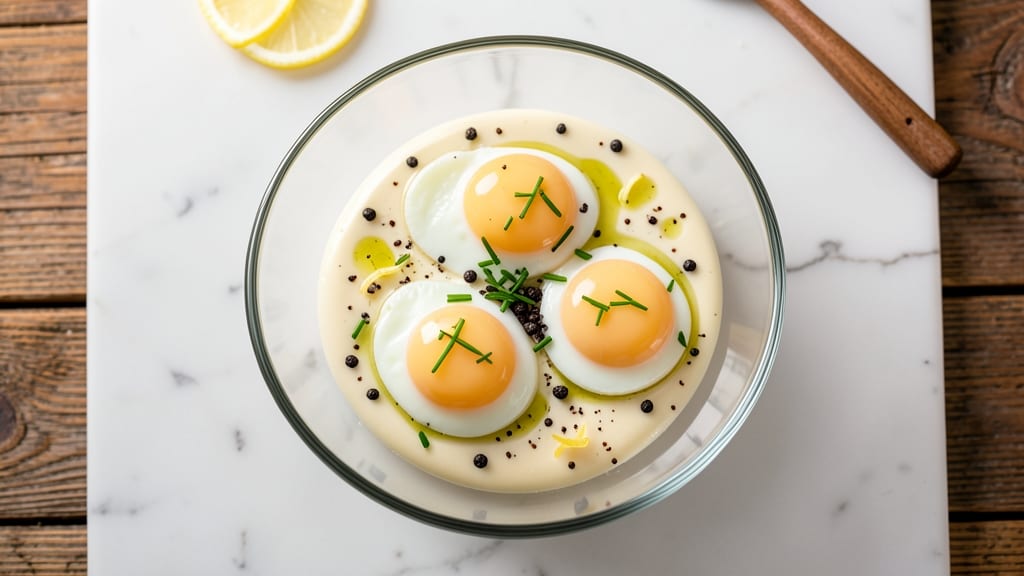
This sous vide egg recipe using your Instant Pot delivers foolproof perfection—creamy, custardy yolks with perfectly set whites, every time. The secret lies in precise temperature control and foil-sealing, transforming your pressure cooker into a sous vide powerhouse.
I developed this method after years of experimenting with delicate egg preparations, and it finally solves the age-old challenge of getting eggs just right.
The technique combines sous vide principles with Instant Pot convenience: eggs are sealed in foil with water and seasonings, then cooked at a controlled 140°F for exactly 45 minutes, ensuring pasteurization without overcooking.
This method eliminates guesswork, delivering restaurant-quality results in your own kitchen. The foil seal locks in moisture while allowing gentle heat circulation, creating eggs that are tender throughout.
What makes this recipe truly special is its versatility—serve these eggs on toast, in ramen, or as a standalone dish with fresh herbs and flaky salt. The texture is silky-smooth with a vibrant, runny yolk that contrasts beautifully with the firm whites.
This approach also eliminates the risk of overcooking or undercooking, which is especially valuable for home cooks who struggle with traditional methods.
Safety is built into the process: the 140°F target temperature ensures proper pasteurization while maintaining that perfect custard texture. Even if you've never used sous vide before, this Instant Pot adaptation makes it accessible. Let's get started on achieving eggs that will impress even the most discerning diners.
Ingredients for sous vide egg recipe instant pot
Nine essential ingredients transform your Instant Pot into a sous vide precision tool.
| Ingredient | Amount | Notes |
|---|---|---|
| Large Eggs 🥚 | 4 whole | Room temperature for even cooking |
| Heavy Cream 🥛 | ¼ cup | Full-fat for optimal texture |
| Diamond Crystal Kosher Salt 🧂 | ½ tsp | Fine grain for even distribution |
| Freshly Ground Black Pepper 🌶️ | ¼ tsp | Freshly cracked for maximum flavor |
| Distilled White Vinegar 🍶 | 1 tbsp | For gentle acidity balance |
| Extra-Virgin Olive Oil 🫒 | 1 tbsp | High-quality for delicate flavor |
| Fresh Chives 🌿 | 2 tbsp | Finely chopped for garnish |
| Flaky Sea Salt 🧂 | 1 tbsp | For final presentation |
| Heavy-Duty Aluminum Foil 📄 | 1 sheet | Double-layered for perfect seal |
| Instant Pot or Multi-Cooker 🍳 | 1 whole | 6-quart minimum capacity |
| Instant Read Thermometer 🌡️ | 1 whole | For precise temperature monitoring |
The eggs are the star—farm-fresh or high-quality store-bought makes all the difference. Trader Joe's or Whole Foods carry excellent options, but avoid eggs with cracked shells. Room temperature is critical; take them out of the fridge 30 minutes before cooking. For the cream, full-fat is non-negotiable—it ensures that silky texture we're chasing. The foil matters too: use heavy-duty aluminum (not the thin kind) to prevent leaks during pressure cooking. I always double-layer mine for extra security. The thermometer isn't optional—Instant Pot's internal gauge isn't precise enough for this delicate process.
No heavy cream? Full-fat coconut milk works in a pinch, though the texture will be slightly different. Short on vinegar? Lemon juice at half the amount suffices, though it adds a more pronounced citrus note. The olive oil can be swapped for avocado oil, but stick with extra-virgin for that delicate flavor. For the salt, Diamond Crystal kosher is ideal, but any fine-grain salt will do. If you're missing the thermometer, a high-quality candy thermometer works just as well—just ensure it reads temperatures accurately. The eggs should never be cracked before sealing; any breaks will compromise the sous vide process and risk contamination.
Store any unused eggs in their original carton in the fridge for up to 3 weeks. The heavy cream should be used within 2 days of opening for best results. Once cooked, these eggs keep in the fridge for 3 days when stored properly in an airtight container. For longer storage, freeze the foil-sealed packets before cooking—just thaw in the fridge overnight and finish in the Instant Pot. The foil packets can be prepped ahead and frozen for up to 2 months, making this an excellent make-ahead option for busy mornings. Always let the eggs come to room temperature before serving to maintain that perfect custard texture.
Why You'll Love This Recipe
- No-Fuss Magic: The Instant Pot handles all the fuss—just crack eggs into a bag, add cream and vinegar, and let it do its thing. No stove babysitting, no broken yolks, just perfect eggs every time.
- Creamy Luxe: That velvety heavy cream bathes the eggs in rich, buttery goodness while the vinegar keeps the whites tender. Honestly, it’s like a fancy brunch without the pretension.
- Brunch for Days: Make a batch on Sunday—these eggs reheat beautifully for breakfast, lunch, or even a quick dinner. Throw them in a salad, wrap them in toast, or serve them solo. Versatility wins.
- Budget Brunch Hack: Eggs and cream are cheap, and the salt and pepper cost pennies. You’re basically making gourmet eggs for the price of takeout. (Yes, even on a Tuesday night.)
Step-by-step instructions for sous vide eggs in an Instant Pot
Precision meets simplicity—this method guarantees silky yolks and firm whites every time.
Prepare the Egg Mixture for Perfect Texture
In a medium bowl, gently whisk together the 4 whole Large Eggs (room temperature) with the 0.25 cup Heavy Cream until just combined—no need to overmix. Add the 0.5 tsp Diamond Crystal Kosher Salt, 0.25 tsp Freshly Ground Black Pepper, and 1 tbsp Distilled White Vinegar, whisking until fully incorporated. The vinegar is key here; it gently coagulates the whites while keeping the yolks fluid.
Next, drizzle in the 1 tbsp Extra-Virgin Olive Oil and whisk again. The oil enhances richness and prevents the yolks from becoming rubbery. Taste the mixture—it should be slightly tangy from the vinegar but balanced by the cream and salt. Cover and refrigerate for 15 minutes to chill the mixture slightly; this helps maintain even texture during cooking.
Seal the Eggs in Foil for Sous Vide Precision
Cut a 12x12-inch square from the 1 sheet Heavy-Duty Aluminum Foil (double-layer it for a perfect seal). Spoon the egg mixture onto the center of the foil, leaving a 1-inch border around the edges. Fold the foil up in small, tight sections—think of it like wrapping a gift—until the eggs are completely enclosed in a sealed pouch. Squeeze out any excess air to prevent leaks.
Place the foil pouch in the Instant Pot and add 1 cup of water to the bottom (this creates a water bath for even heat distribution). Insert the instant read thermometer into the water, ensuring the probe doesn’t touch the foil. Set the Instant Pot to 140°F—this low, precise temperature is critical for achieving silky yolks while firming the whites just enough.
Cook to Exact Temperature for Restaurant-Quality Results
Cook the eggs for 45 minutes at 140°F. The Instant Pot will maintain this temperature automatically, but monitor the thermometer to ensure accuracy. The eggs should reach this temperature within 10-15 minutes, then hold steady. If the water level drops below the foil pouch, add a splash of hot water to maintain the bath.
After 45 minutes, carefully remove the foil pouch using tongs (the water will be hot). Let the pouch rest for 2 minutes—this allows the eggs to set slightly without overcooking. Open the foil gently; the eggs should be perfectly set with a slightly wobbly yolk and firm whites. If the yolks are too runny, cook for an additional 5 minutes at 145°F.
Finish with Garnish for Presentation and Flavor
Transfer the eggs to a serving platter and immediately drizzle with any remaining Extra-Virgin Olive Oil from the foil pouch. Sprinkle the 2 tbsp Fresh Chives evenly over the top, then finish with a generous pinch of 1 tbsp Flaky Sea Salt. The chives add a bright, fresh contrast to the rich yolks, while the flaky salt enhances texture and depth.
Serve immediately for the best experience—these eggs are designed to be enjoyed at their peak. The combination of silky yolks, creamy whites, and bright garnishes makes them ideal for brunch, appetizers, or even a luxurious side dish. The key to success lies in the precision of the temperature and the foil seal—never rush these steps.
Pro Tips For Making Sous Vide Egg Recipe Instant Pot
- USE 145°F FOR YOLKS: The Instant Pot’s sous vide setting isn’t precise—set it to 145°F and let it run for 45 minutes to guarantee perfect yolks (just runny, not scrambled). I learned this the hard way when my first batch turned out like overcooked custard because the temp kept creeping up.
- SALT THE CREAM FIRST: Mix the kosher salt (about 1 tsp per cup of heavy cream) into the cream before adding eggs—it dissolves evenly and seasons the whole dish, not just the surface. Skipping this step means you’ll end up chasing saltiness after the eggs are already cooked.
- DON’T OVERFILL THE BAG: Leave at least 1 inch of headspace in the vacuum-seal bag (or zip-top with water displacement) when adding the egg-cream mix. After 45 minutes, the eggs expand slightly, and a packed bag will burst, turning your clean kitchen into a custard disaster.
- SHOCK WITH ICE WATER: After sous vide, plunge the sealed bag into an ice bath for 5 minutes to halt cooking instantly—this keeps the yolks velvety and prevents them from turning rubbery. I was skeptical until I tried it; now I never skip it, even if it feels like extra work.
Serving suggestions for this recipe
Brunch Plating
Serve these eggs on toasted sourdough or crispy brioche for an instant brunch upgrade. I drizzle them with hot honey and a sprinkle of crumbled feta for a sweet-savory contrast. The flaky texture of the bread complements the silky eggs beautifully, while the honey adds a luxurious finish. 🥖
Ramen Topper
Add these eggs to miso ramen or tonkotsu broth for a restaurant-worthy twist. The custardy yolks blend seamlessly with the rich broth, and the firm whites hold up perfectly.
I like to add a few shredded shiitake mushrooms and a soft-boiled quail egg for extra depth. Garnish with scallions and sesame seeds for freshness.
Appetizer Board
Create an elegant appetizer spread by arranging the eggs alongside crispy prosciutto, marinated olives, and whipped ricotta on a slate board. The contrast of textures and flavors makes this perfect for gatherings.
I also include roasted cherry tomatoes and balsamic glaze to tie everything together. The eggs become the star of the show with their vibrant color and creamy texture.
Breakfast Tacos
For a fun breakfast twist, place the eggs in corn tortillas with crumbled chorizo, avocado slices, and pickled red onions. The eggs hold their shape well when wrapped, making them ideal for handheld meals.
Serve with a side of salsa verde and sour cream for dipping. This fusion of textures and flavors is sure to impress!
Gourmet Sandwich
Build a luxurious sandwich using brioche buns, smoked salmon, and herbed cream cheese. The sous vide eggs add a rich, custardy element that pairs perfectly with the smoky salmon.
I also add thinly sliced cucumber and dill pickles for crunch and tang. This sandwich is perfect for a fancy lunch or a special dinner.
Dessert-Inspired Twist
For a playful dessert option, serve the eggs with vanilla ice cream and caramelized bananas. The custardy yolks contrast beautifully with the cool cream, while the bananas add natural sweetness.
Sprinkle with crushed pistachios and a drizzle of dark chocolate sauce for an unexpected but delightful treat. This combo is perfect for surprising guests with a sweet-savory dessert!
Nutrition facts
Frequently asked questions
Can I use this method with frozen eggs?
Never use frozen eggs for sous vide—they contain ice crystals that can rupture during cooking. Always use fresh, room-temperature eggs for perfect texture. If you need to prep ahead, store the foil-sealed packets in the fridge for up to 2 days before cooking, but never freeze them after sealing.
Why does my Instant Pot struggle to maintain 140°F?
Instant Pots aren't designed for precise sous vide temperatures below 160°F. Use the "Keep Warm" function after cooking to maintain 140°F for 45 minutes, and monitor with your thermometer. For better accuracy, consider using a dedicated sous vide immersion circulator with your Instant Pot as a water bath.
Can I adjust the cooking time for firmer yolks?
For firmer yolks, increase the temperature to 145°F and cook for 50-55 minutes. The whites will remain firm while the yolks become slightly more set. For extra-runny yolks, stick with 140°F and 40 minutes—just be ready to serve immediately. The foil seal helps lock in moisture for both textures.
What if my eggs leak during cooking?
Leaks happen if the foil isn't sealed properly or if the eggs are cracked before sealing. Double-check your foil technique—fold tightly with no air pockets, and use heavy-duty foil. If leaks occur, remove the pouch immediately and cook the eggs separately in a water bath at 140°F for 45 minutes instead. Always inspect eggs before sealing!
How do I reheat leftover sous vide eggs?
Reheat gently in a 350°F oven for 8-10 minutes or until warmed through. Avoid microwaving—they'll become rubbery. For best results, store leftovers in an airtight container and reheat within 3 days. The texture won't be as silky as fresh, but they'll still be delicious!