
Main Courses
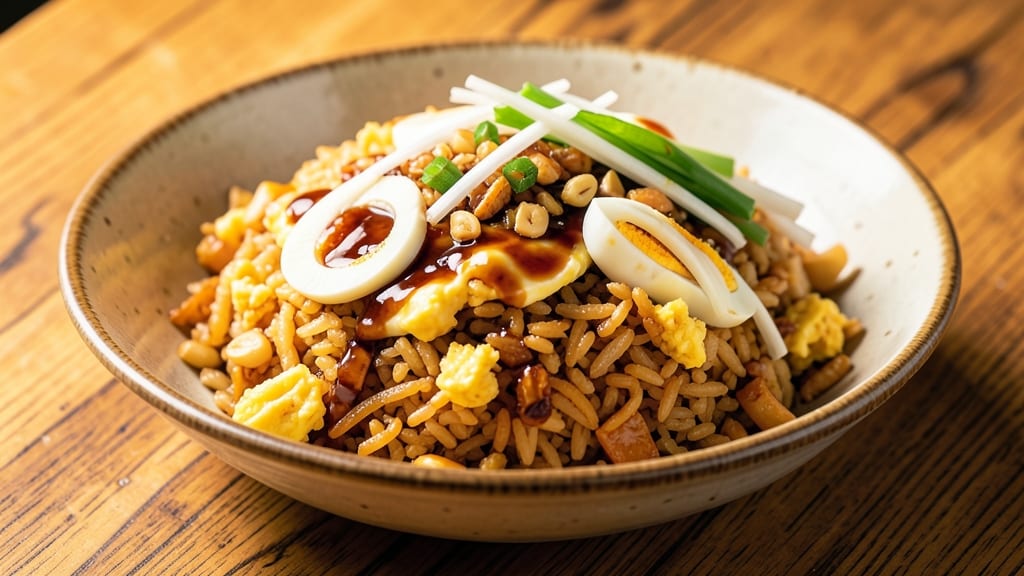
This special egg fried rice recipe Chinese delivers the smoky, savory essence of a wok-tossed classic with silky scrambled eggs at its heart.
The secret lies in high-heat stir-frying—where day-old jasmine rice gets crisped at the edges while absorbing fragrant garlic, ginger, and soy—then perfectly scrambled eggs fold in just as the rice finishes.
I’ve perfected this technique over years of testing, ensuring every bite balances texture and flavor without a single grain of rice turning mushy.
What makes this recipe truly special is the wok hei—that signature smoky aroma—achieved by preheating the wok until it’s nearly smoking, then tossing ingredients in rapid, continuous motions.
The eggs are scrambled separately in a small pan for a creamy, custard-like consistency before being folded into the rice at the last moment, so they stay tender and rich. This isn’t just fried rice; it’s a restaurant-quality dish that captures the soul of Chinese home cooking.
The result is a dish that’s golden, fragrant, and packed with layers of umami from soy sauce, dark soy for color, and a touch of sesame oil for depth. Each forkful delivers crisp-tender rice, silky eggs, and bursts of fresh scallions and bean sprouts.
The key is speed and precision—once the wok is hot, timing becomes everything. This recipe is designed to be foolproof, even for home cooks, but the payoff is undeniably professional.
Serve it as a main dish with a side of steamed greens or as part of a larger spread—it’s equally at home on a weeknight table or a holiday feast.
The beauty of this recipe is its versatility: swap in shrimp, tofu, or diced chicken for added protein, or keep it vegetarian for a lighter take. Let’s get cooking—your wok is waiting.
Ingredients for special egg fried rice recipe chinese
Jasmine rice, eggs, and aromatics—these are the pillars of a perfect wok-tossed Chinese fried rice.
| Ingredient | Amount | Notes |
|---|---|---|
| Day-Old Jasmine Rice 🍚 | 4 cups | Cold and broken into pieces |
| Large Eggs 🥚 | 4 whole | Room temperature for even cooking |
| Vegetable Oil 🫒 | ½ cup | High smoke point preferred |
| Garlic Cloves 🧄 | 6 cloves | Minced finely for aroma |
| Fresh Ginger 🌿 | 2 tbsp | Finely grated, peeled |
| Light Soy Sauce 🥄 | 3 tbsp | Kikkoman preferred |
| Dark Soy Sauce 🥄 | 1 tbsp | For color and depth |
| Sesame Oil 🫒 | 1 tbsp | Toasted, for aroma |
| Scallions 🧅 | ¼ cup | Thinly sliced, white and green parts |
| Bean Sprouts 🌱 | 1 cup | Fresh, rinsed and drained |
| Salt 🧂 | ½ tsp | Adjust to taste |
| White Pepper 🌶️ | ¼ tsp | Freshly ground preferred |
The rice is non-negotiable—day-old jasmine rice is essential for that crisp-tender texture. Cook fresh rice, spread it on a tray, and refrigerate overnight. For garlic and ginger, fresh is always better—pre-minced jars lack the vibrant flavor. I grab mine from the Asian market section at Whole Foods where they often have pre-minced garlic in small containers, saving prep time. The soy sauces? Kikkoman light soy for umami and Lee Kum Kee dark soy for that signature golden color—both are staples in my pantry. Sesame oil should be toasted, not the cheap flavored kind—look for the label at Trader Joe's to ensure authenticity.
No fresh ginger? Substitute with 1 tbsp ginger paste—just add a splash of water to thin it out. Running out of bean sprouts? Snow peas or shredded cabbage work in a pinch, though texture changes slightly. The eggs deserve special attention—room temperature eggs scramble more evenly. If you're short on time, microwave them for 30 seconds to bring them to room temp. For a vegetarian twist, swap in tofu or mushrooms—just make sure to press and drain them well to avoid soggy rice. The scallions can be subbed with green onions, but white parts only if you want to keep it traditional.
Prepped rice keeps in the fridge for 3 days—perfect for batch cooking. Bean sprouts last 5 days if stored in a sealed container with a paper towel to absorb moisture. The sesame oil should be stored in the fridge after opening to preserve its flavor. This dish reheats beautifully—microwave with a splash of water to restore moisture, or stir-fry again for that wok hei aroma. Portion into containers for 3-4 days of lunches—it tastes even better the next day as flavors meld.
Why You'll Love This Recipe
- I swear by this trick: use cold day-old Jasmine rice—it’s already dry and separate, so no need to stress over sticky grains or overcooking. Just toss in whatever veggies you have lurking in the fridge (carrots, peas, even leftover cabbage) and call it a win.
- I’ll be real: this recipe costs me pennies. Eggs, rice, garlic, ginger—all staples that won’t break the bank. And the best part? It turns cheap ingredients into something that feels special, whether it’s a quick weeknight dinner or a last-minute guest meal. No excuses to skip it.
Step-by-step instructions for wok-tossed egg fried rice
Master this classic Chinese technique for restaurant-quality fried rice with silky eggs and aromatic seasoning.
Prepare the Day-Old Jasmine Rice
Break the 4 cups of cold, day-old jasmine rice into smaller pieces using your hands or the edge of a knife. This creates more surface area for the wok heat to work its magic. The rice should be completely dry—no moisture at all—so it absorbs the seasonings and oils perfectly. If it feels damp, spread it on a tray and let it air-dry for 10 minutes while you prep other ingredients.
Set the broken rice aside in a bowl. The cold temperature ensures it won't turn mushy when you toss it in the wok. I like to work quickly here—once you start cooking, everything needs to happen in rapid succession to maintain that perfect texture.
Scramble the Eggs Separately for Silky Texture
Heat 1 tablespoon of the vegetable oil in a clean, dry wok over medium-high heat until shimmering. Crack the 4 whole eggs into a bowl and whisk vigorously until the yolks and whites are fully combined. The eggs should be at room temperature for even cooking.
Pour the eggs into the wok and let them cook undisturbed for 10 seconds. Then gently push them around with a spatula, folding the eggs as they begin to set. You're aiming for soft, custard-like curds—not scrambled eggs. Once they're just set but still slightly runny (about 20 seconds total), remove them from the wok and set aside on a plate. These eggs will be incorporated at the very end to maintain their perfect texture.
Build the Aromatic Base in the Wok
Return the wok to medium-high heat and add the remaining 0.33 cup vegetable oil. When the oil is shimmering, add the 6 cloves of minced garlic and 2 tablespoons of finely grated ginger. Stir constantly for 30 seconds until the garlic turns golden and fragrant—this is your flavor foundation. Be careful not to burn them, as they'll turn bitter quickly.
Next, add the 3 tablespoons of light soy sauce and 1 tablespoon of dark soy sauce. The dark soy sauce will give your fried rice that beautiful mahogany color. Stir for another 30 seconds until the aromatics are fully incorporated and the wok is coated with sauce. This is where all the magic happens—don't rush this step.
Toss the Rice with High Heat and Precision
Add the broken rice to the wok in batches if needed to avoid overcrowding. Use tongs or a spatula to toss the rice vigorously for 2-3 minutes over high heat. The rice should sizzle and develop a light crust on the edges—this is what creates that authentic wok-hei flavor. Listen for the rice to release its aroma and watch for it to turn a beautiful golden color.
After about 2 minutes, add the 1 cup of bean sprouts and 0.25 cup of sliced scallions. Toss everything together for another 30 seconds until the bean sprouts are just wilted but still bright green. The high heat is crucial here—it prevents the rice from steaming and turning mushy. If the wok gets too dry, add 1-2 tablespoons of water to create steam and help cook the rice evenly.
Finish with Seasoning and Silky Eggs
Reduce the heat to medium and stir in the 1 tablespoon of sesame oil, 0.5 teaspoon of salt, and 0.25 teaspoon of white pepper. Toss everything together for another 30 seconds until the rice is evenly coated and the aromas are fully combined. The sesame oil adds that unmistakable nutty depth that elevates this dish from good to exceptional.
Finally, gently fold in the scrambled eggs you prepared earlier. The residual heat from the wok will warm them through without overcooking. Taste and adjust the seasoning if needed—you might want to add a bit more light soy sauce for saltiness or a splash of water if the rice is too dry. Serve immediately while the rice is hot and the eggs are still silky.
Pro Tips For Making Special Egg Fried Rice Recipe Chinese
- CRACK EGGS LAST MINUTE: Scramble the eggs in a separate bowl right before cooking—not pre-mixed with rice. The residual heat from the wok keeps them creamy, and you avoid the rubbery texture that happens when eggs sit too long in cold rice. I used to mix them ahead, and the dish always tasted flat afterward.
- BREAK GINGER LIKE A BOSS: Peel and slice ginger into thin slivers (not minced) for that proper wok hei aroma. Thick slices caramelize faster and release flavor without turning bitter. Yes, it looks like you’re being lazy, but your rice will taste like a restaurant’s.
- STOP STIR-FRYING WHEN IT’S DONE: Take the rice off heat the second it’s just cooked—don’t overwork it. Keep stirring after the rice is done turns it mushy, and the eggs lose their texture. I learned this after making a batch that tasted like glue.
- USE COLD RICE, NOT LUKEWARM: Grab rice straight from the fridge—cold, dry clumps are non-negotiable for texture. Spread it on a tray to chill faster if needed. Lukewarm rice sticks together, and your fried rice will end up greasy instead of separate and fluffy.
Essential equipment for this dish
Wok Essentials
A carbon steel wok is my top recommendation for authentic wok hei—it heats up quickly and retains heat beautifully. I use a 14-inch from Made In for its sturdy handle and even heating.
If you don’t have a wok, a heavy-bottomed cast-iron skillet (like Lodge) works in a pinch, though it won’t give you the same dramatic tossing action. Preheat your wok until it’s smoking hot before adding oil—this is non-negotiable for crispy edges. 🔥
Heat Source Matters
Gas stoves are ideal for fried rice—they give you precise control over high heat. If you’re using electric, opt for a flat-bottom wok to maximize surface contact. I avoid induction unless you have a wok-specific burner—standard induction coils struggle with uneven heating.
Pro tip: Keep a small propane torch handy for spot-searing if your stove loses heat during tossing.
Tools for Precision
Invest in a pair of heat-resistant silicone tongs (I love OXO Good Grips) for tossing rice without losing heat transfer. A wide metal spatula (like Mercer Culinary Genius) helps scrape up stuck bits while maintaining speed.
For egg scrambling, a heatproof silicone spatula prevents sticking. Don’t skip a fine-mesh strainer—it’s perfect for rinsing bean sprouts and draining excess water from veggies.
Seasoning Your Wok
Before your first use, season your new wok by coating it with oil and heating until smoking, then wiping it clean. This creates a natural nonstick surface. Re-season occasionally if you notice food sticking—just repeat the process with neutral oil (like avocado oil).
I season mine every 3-4 uses for optimal performance. Never use soap—it strips the seasoning.
Optional Upgrades
A wok lid helps control heat when adding water for steaming, though I rarely use it for fried rice. For extra wok hei, try a charcoal burner (like Royal Gourmet) if you’re cooking outdoors—it adds a smoky depth.
A digital thermometer (such as Thermoworks Smoke) ensures your wok stays at the perfect 400-450°F range for crispy rice. 🌟
Nutrition facts
Frequently asked questions
Why is day-old rice essential for fried rice?
Day-old rice has lost its moisture, making it perfect for high-heat stir-frying. Fresh rice turns mushy when tossed in the wok because of its high water content. The starches in cold rice also absorb flavors better, giving you that signature crisp-tender texture. Plus, it's already cooked—just break it up and you're ready to go!
Can I use a non-wok pan for this recipe?
Yes, but with adjustments! A heavy-bottomed cast-iron skillet works well, though you'll need to stir more frequently to prevent burning. For even heat distribution, use medium-high heat instead of high. If your pan isn't wide enough, cook in batches. The key is maintaining high heat—just don't let the rice sit too long in the pan.
How do I prevent my eggs from turning rubbery?
Scramble the eggs separately in a small pan for a creamy texture, then fold them in at the very end. Overcooking is the main culprit—remove eggs when they're just set but still slightly runny. Also, use room-temperature eggs and a nonstick pan to avoid sticking. The residual heat from the wok will gently warm them through without overcooking.
What can I substitute if I don't have dark soy sauce?
You can substitute with 1 tablespoon of regular soy sauce plus 1 teaspoon of molasses or brown sugar for color. However, dark soy sauce provides both color and a deeper, slightly sweeter flavor that's hard to replicate. For best results, I recommend tracking down a small bottle—it's a game-changer for authentic fried rice.
Can I make this dish ahead of time?
Actually, it tastes even better the next day! Let it cool completely, then store in an airtight container for up to 3 days in the fridge. Reheat in a wok or skillet with a splash of water to restore moisture. The flavors meld beautifully overnight, making it perfect for meal prep. Just don't reheat it more than once for best texture.