
Breakfast & Brunch
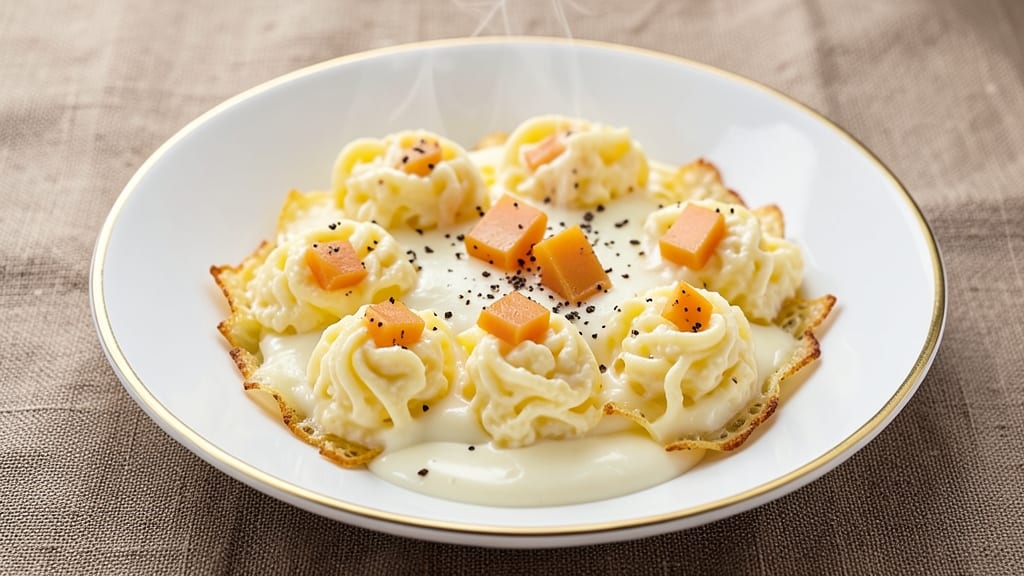
This special scrambled egg recipe transforms a simple breakfast into a restaurant-worthy dish with chef-inspired fluffy curls and velvety texture. The secret? Low-and-slow cooking with a splash of cream, which creates those signature soft peaks instead of dry, rubbery eggs. I developed this technique after years of testing—it’s the same method I use when cooking for guests, and it never fails to impress.
What sets these eggs apart is the attention to heat control and timing. You’ll work over medium-low heat, stirring gently to encourage those delicate curls while keeping the yolks rich and creamy.
The addition of butter and cream not only enhances flavor but also creates a silky, almost custard-like finish. It’s the kind of dish that makes breakfast feel like a special occasion.
Once you master this technique, you can customize the eggs with your favorite add-ins—think sharp cheddar, fresh chives, or crispy bacon. The result is a plate that’s as visually appealing as it is delicious, with golden curls that invite you to dig in.
Perfect for brunch, a lazy weekend morning, or when you want to elevate your everyday breakfast routine.
The best part? These eggs stay creamy even after reheating, making them ideal for meal prep or serving guests. The method is simple, but the results are anything but basic—this is scrambled eggs reimagined. Let’s get started on creating your perfect plate.
Ingredients for special scrambled egg
Eight simple ingredients transform basic eggs into a restaurant-worthy breakfast masterpiece.
| Ingredient | Amount | Notes |
|---|---|---|
| Large Eggs 🥚 | 8 whole | Freshly cracked for best texture |
| Unsalted Butter 🧈 | 4 tbsp | High-quality European preferred |
| Heavy Cream 🥛 | ¼ cup | Full-fat for velvety finish |
| Salt 🧂 | ½ tsp | Diamond Crystal kosher preferred |
| Freshly Ground Black Pepper 🌶️ | ¼ tsp | Freshly cracked peppercorns |
| Sharp White Cheddar Cheese 🧀 | ½ cup | Freshly grated for sharp flavor |
| Fresh Chives 🌿 | 2 tbsp | Finely chopped for garnish |
| Extra-Virgin Olive Oil 🫒 | 1 tbsp | For nonstick pan coating |
The butter and cream are non-negotiable here—European-style unsalted butter adds richness without overpowering, while full-fat cream creates that signature velvety texture. Whole Foods or specialty grocers carry the best brands, but any high-quality butter works. For the eggs, farm-fresh or organic makes a difference in flavor and texture—look for eggs with bright orange yolks. The cheddar should be sharp and aged; Cabot or Tillamook are my go-tos, but any good-quality sharp cheddar will work. Freshly cracked peppercorns give a better flavor than pre-ground, so invest in a small pepper mill if you don't have one.
No heavy cream? Whole milk works in a pinch, though the texture won't be quite as luxurious. Short on butter? Olive oil or ghee keeps things flavorful, but butter's richness is ideal. The chives can be swapped for green onions or scallions, but they add a bright, fresh finish that's worth having. For the cheese, Parmesan or Gruyère work beautifully too—just adjust the amount to taste. If you're making this ahead, add the cheese at the very end to prevent it from overcooking. The eggs themselves can be room temperature for even cooking, but cold eggs work fine if you're in a hurry.
These eggs reheat beautifully—just warm gently in a skillet with a splash of cream. Store leftovers in an airtight container for up to 3 days in the fridge. For meal prep, portion into small containers with the cheese on top—it keeps everything fresh and ready to reheat. The butter and cream can be pre-measured in a small jar for easy access while cooking. Freeze for up to 1 month if you want to make a big batch, but reheating may alter the texture slightly. The chives and cheese are best added fresh after reheating for maximum flavor.
Why You'll Love This Recipe
- Five-Ingredient Magic: The butter and cream turn ordinary eggs into something silky and rich—no fancy techniques, just a gentle fold and a whisper of pepper. Honestly, it’s the kind of dish where you’ll pause mid-bite just to appreciate how good it is.
- Weeknight Hero: I’ve made this for lazy mornings, last-minute breakfasts, and even as a quick dinner when I’m starving. The heavy cream keeps it creamy without drying out, and it’s ready before my coffee’s even done brewing.
- Leftovers That Shine: These eggs reheat like a dream—just a splash of cream and a few seconds in the pan, and they’re just as good the next day. Between us, I’ve had them cold in a sandwich, and no one batted an eye.
- Budget Breakfast Luxe: Fresh eggs and butter might sound fancy, but this recipe stretches ingredients further than my usual scrambled eggs. A little cream goes a long way, and the pepper adds depth without costing a thing. It’s the kind of meal that makes groceries feel like a splurge.
Step-by-step instructions for chef’s secret fluffy scrambled eggs
Here's how to transform ordinary eggs into restaurant-worthy, cloud-like curls every time.
Whisk Eggs and Cream for Perfect Texture
Crack all 8 whole large eggs into a large bowl and add the 0.25 cup heavy cream. Use a whisk to beat vigorously for 2-3 minutes until the mixture becomes noticeably lighter in color and nearly tripled in volume. This step incorporates air, which creates those signature fluffy curls.
Add the 0.5 teaspoon salt and 0.25 teaspoon freshly ground black pepper while continuing to whisk. The eggs should be completely smooth with no visible streaks of white. Here's the thing—if you see any lumps, keep whisking until they disappear. These lumps will turn rubbery in your final scrambled eggs.
Melt Butter Low and Slow
Heat an 8-inch nonstick skillet over low heat and add the 4 tablespoons unsalted butter. Let it melt completely, swirling occasionally, until it's fully liquid and the foam subsides. You're aiming for a gentle, steady melt—no browning or popping.
This low-and-slow approach is crucial. Butter burns easily, and burnt butter will make your eggs taste bitter. You'll know you're ready when the butter looks glossy and smells nutty, with just a hint of milkiness. Keep the heat at low—we're not searing anything here.
Cook Eggs on Low Heat for Silky Results
Pour the egg mixture into the skillet and let it sit undisturbed for 10-15 seconds until the edges begin to set. Here's where the magic happens: use a silicone spatula to gently push the eggs from one side of the pan to the other, letting the uncooked egg flow underneath.
Continue this gentle stirring motion for 3-4 minutes total, working quickly but carefully. You're looking for soft, custardy curds that form and then gently break apart. The eggs should still be slightly runny in the center when you're done—this ensures that final melt-in-your-mouth texture.
Add Cheese and Finish Cooking
Sprinkle the 0.5 cup freshly grated sharp white cheddar cheese evenly over the eggs. Let it sit for 30 seconds to begin melting, then gently fold it into the eggs using your spatula. The cheese should melt completely, creating a creamy, tangy base for every bite.
Continue cooking for another 30-60 seconds until the eggs reach your desired doneness. They should be just set in the center but still slightly moist. Remove from heat immediately—overcooking will turn your perfect curls into dry, rubbery eggs.
Garnish and Serve Immediately
Transfer the scrambled eggs to a serving platter and immediately sprinkle with the 2 tablespoons finely chopped fresh chives. The bright, oniony flavor cuts through the richness of the eggs and cheese, adding a fresh finish.
Serve while still warm—these eggs are at their peak texture right out of the pan. The secret to serving is speed: the moment you remove them from heat, they begin to firm up. Enjoy immediately with toasted sourdough or fresh crusty bread for the ultimate breakfast experience.
Pro Tips For Making Special Scrambled Egg
- STOP WHISKING TOO HARD: Whisk the eggs and heavy cream just until combined—no need for stiff peaks. Over-whisking adds too much air, which makes the eggs dry out faster when cooking. I learned this after making eggs that looked like fluffy clouds but tasted like sad, rubbery foam.
- USE COLD BUTTER: Take the unsalted butter straight from the fridge and melt it in the pan over medium-low heat. Cold butter creates a richer, more stable fat layer that won’t burn, and it adds a deeper flavor than butter that’s already softened. (Yes, even if you’re impatient like me.)
- SALT THE CREAM: Season the heavy cream before mixing it with the eggs—about ¼ teaspoon per ¼ cup. The salt dissolves fully, so every bite gets that balanced flavor instead of just the edges. I was skeptical until I tried it; now I can’t go back.
- REMOVE FROM HEAT SOON: Pull the pan off the heat the second the eggs look just set—about 30 seconds before they’re fully done. The residual heat will finish cooking them perfectly without turning them into a dry, overworked mess. (Your future self will thank you for not staring like a hawk.)
Dietary considerations for this special scrambled egg
Gluten-Free Adaptations
This recipe is naturally gluten-free, but the key is ensuring all your ingredients are certified gluten-free. Use gluten-free butter (like Miyoko's) and check that your heavy cream and cheese contain no hidden gluten.
I always double-check labels on cheese—some brands use gluten as a processing aid. For extra safety, cook in a dedicated gluten-free pan to avoid cross-contamination. 🌾
Dairy-Free Options
For dairy-free versions, swap the butter for olive oil or dairy-free margarine (I like Melt Organic), and use unsweetened coconut cream instead of heavy cream. The texture will be slightly different but still delicious.
For cheese, try nutritional yeast or dairy-free cheddar shreds—just add them at the very end to prevent overcooking. The flavor won't be identical, but it works in a pinch!
Lower-Carb/Keto
This recipe is already keto-friendly, but you can make it even lower-carb by skipping the chives (they're technically a vegetable) and using sugar-free cheese if needed. The heavy cream and butter are already keto-approved, and the eggs provide all the protein you need.
For extra flavor without carbs, try adding crispy bacon bits or avocado slices on top. Just watch your portion sizes—the cheese adds up quickly!
Vegetarian Protein Boost
Want to add more protein? Stir in ½ cup crumbled feta or ¼ cup nutritional yeast for a cheesy, umami kick. For a meaty texture, try crumbled tempeh or mushroom stems** (finely chopped) cooked separately and mixed in at the end.
These additions keep the dish vegetarian while adding hearty texture. Just add them after the eggs are mostly cooked to avoid drying them out.
Allergen-Friendly Swaps
For nut allergies, avoid any nut-based cheeses and stick to dairy or dairy-free alternatives. If you're sensitive to sulfites, use freshly cracked eggs (store-bought often contain sulfites) and check your butter and cream labels.
For egg allergies, this recipe won't work—but you could try a tofu scramble with similar techniques! Always read labels carefully, and when in doubt, reach out to the manufacturer.
Nutrition facts
Frequently asked questions
Why does this recipe use heavy cream instead of milk?
The heavy cream creates a velvety, almost custard-like texture that's impossible with milk. The fat content in cream prevents the eggs from becoming dry or rubbery, giving you those signature soft curls. Plus, it adds a luxurious richness that makes these eggs feel special.
Can I make these scrambled eggs ahead of time?
Yes, but with a few key adjustments. Cook the eggs as directed, then let them cool completely before storing in an airtight container for up to 3 days in the fridge. Reheat gently in a skillet with a splash of cream for 1-2 minutes until warm through. For best texture, add fresh cheese and chives right before serving.
What's the secret to getting those perfect fluffy curls?
Three things: low heat, gentle stirring, and whisking the eggs first. The whisking incorporates air, while low heat prevents the eggs from cooking too quickly. Stir just enough to create soft curds that break apart into curls. Over-stirring or high heat will make them dry and dense.
Can I use this technique with fewer eggs?
The ratio works perfectly for any quantity. For 2 eggs, use ½ tablespoon butter, 1 tablespoon cream, and ¼ teaspoon salt. Keep the same low-and-slow cooking method, and you'll get the same luxurious texture. Just reduce all ingredients proportionally.
What if my scrambled eggs turn out dry?
Dry eggs usually mean too much heat or over-stirring. For next time, reduce heat to lowest setting and stir only until soft curds form. If it happens, try adding a splash of warm cream or milk to revive them. The key is patience—let the eggs cook slowly in their own steam.