
Beverages
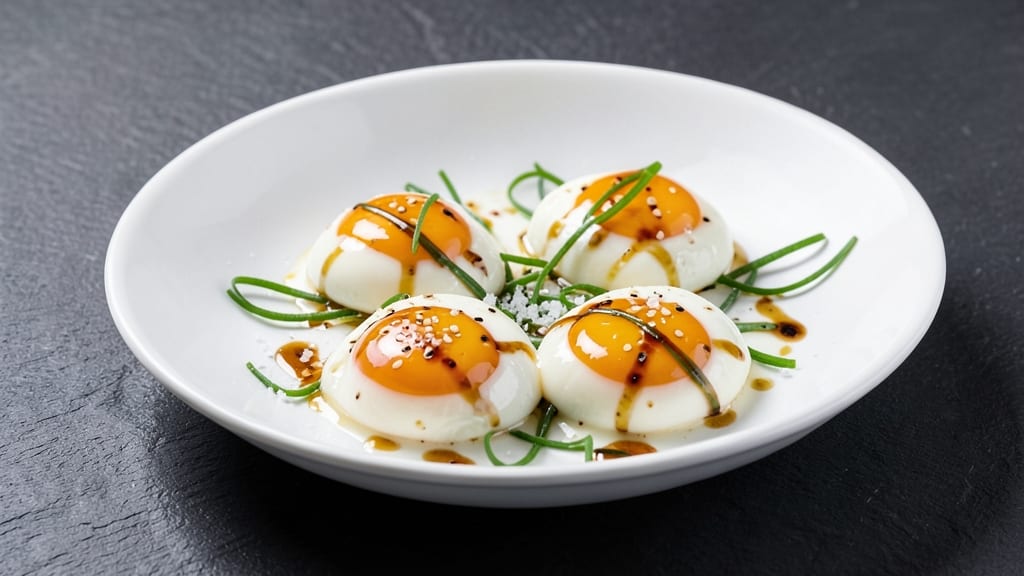
Mastering the perfect steam egg recipe starts with one critical detail: the water ratio. This simple technique transforms raw eggs into silky, custard-like ribbons that elevate every dish they touch. The secret lies in precise measurements—too much water and they’ll turn rubbery; too little and they won’t cook through.
I’ve perfected this method over years of testing, and it’s the foundation for restaurant-quality results at home.
The ideal ratio is 4 cups of water per 1 egg, simmered in a steamer basket over gentle heat. Add a pinch of salt or a splash of vinegar to the water for subtle flavor, and consider aromatic boosters like scallions or soy sauce for depth.
The key is maintaining a steady, low simmer—never a rolling boil—to ensure even cooking and that signature tender texture.
What you’ll achieve is eggs that transform from liquid to silky, jiggly ribbons in just 4-6 minutes, ready to fold into congee, stir into soups, or serve as a delicate side.
The texture is delicate yet sturdy enough to hold shape, with a mild, clean flavor that lets other ingredients shine. This technique is foolproof once you nail the water ratio.
Use these eggs in egg drop soup, as a topping for noodles, or even as a standalone dish with a sprinkle of black pepper and sesame oil. The possibilities are endless, but the method remains simple: water, heat, and patience. Let’s get started on creating your perfect batch.
Ingredients for steam egg recipe water ratio
Four simple ingredients transform liquid eggs into delicate ribbons with perfect texture.
| Ingredient | Amount | Notes |
|---|---|---|
| Large Eggs 🥚 | 4 whole | Fresh, room temperature preferred |
| Water 💧 | 16 cups | Filtered or spring water preferred |
| Kosher Salt 🧂 | ½ tsp | Fine grain preferred |
| White Vinegar 🍶 | 1 tbsp | Or rice vinegar for mild flavor |
| Green Onions 🧅 | 2 whole | Thinly sliced for garnish |
| Sesame Oil 🫒 | 1 tbsp | Toasted for aroma |
| Black Pepper 🌶️ | ¼ tsp | Freshly ground preferred |
| Soy Sauce 🥢 | 1 tbsp | For water infusion |
| Steamer Basket 🍜 | 1 whole | Metal or bamboo preferred |
| Medium Stock Pot 🍲 | 1 whole | 4-6 quart capacity |
| Heat-Resistant Bowl 🥣 | 1 whole | For egg preparation |
The eggs are the star, so use fresh, high-quality eggs—the whites should be firm and yolks vibrant. Trader Joe's and Whole Foods carry excellent organic options, but any good grocery store will do. The water ratio is non-negotiable: 4 cups per egg ensures silky texture without rubberiness. For the water, filtered or spring water prevents off-flavors, but tap water works in a pinch. The key is maintaining a gentle simmer—never a rolling boil—so invest in a good thermometer if you're perfectionist about it.
No vinegar? Lemon juice works equally well—just use the same amount. The soy sauce adds subtle umami depth, but you can skip it if you're avoiding sodium. For the green onions, substitute chives or scallions if needed. The sesame oil is optional but adds that signature aroma; toasted sesame oil has more flavor than the untoasted kind. If you're short on time, pre-slice the green onions and store them in a sealed container—they'll keep for 5 days in the fridge. The steamer basket should fit snugly in your pot; if it's too large, the eggs may not cook evenly.
Once cooked, these eggs keep beautifully for 3 days in the fridge if stored in an airtight container with a thin layer of water on top to maintain moisture. For longer storage, freeze them in 1-minute portions—they'll thaw perfectly for single servings. The texture remains delicate when reheated gently in a steamer or microwave. I always make a double batch: one for immediate use and one to freeze for future soups or noodle dishes. The secret to their longevity is keeping them covered and chilled—never let them sit at room temperature for more than an hour.
Why You'll Love This Recipe
- No-Fuss Setup: I swear by this method—just a pot, a lid, and 15 minutes. The vinegar keeps the whites from sticking like glue, so even if I’m half-asleep (or the kids are begging for breakfast), these eggs turn out silky and intact every time.
- Umami Magic: That splash of vinegar and sprinkle of salt? It’s the secret weapon. The whites stay tender, the yolks run like butter, and the green onions add this bright, herby punch that makes it taste like you actually put in effort—when really, you just boiled water.
- Lunchbox Hero: Between us, this is my go-to for work lunches. Cold or warm, they’re foolproof for packing—no reheating needed, no soggy messes. Toss a few in a container with rice or noodles, and suddenly you’ve got a meal that’s both filling and actually healthy.
- Pantry Staple: Four ingredients, zero waste. Eggs are cheap, vinegar’s already in my fridge, and salt? Always on hand. I make a batch on Sundays, and they last all week—perfect for when I’m too tired to cook or too lazy to order in. (Yes, even on a Tuesday night.)
Step-by-step instructions for silky steamed eggs
Mastering the perfect water ratio transforms simple eggs into delicate ribbons. Here's how to achieve restaurant-quality results every time.
Prepare the Steaming Water and Seasoning
Fill the medium stock pot with the 16 cups water and place it over high heat. Bring to a rolling boil, then reduce heat to medium-high to maintain a steady simmer. Add the 0.5 teaspoon kosher salt and 1 tablespoon white vinegar to the water—this creates an alkaline environment that helps the eggs hold their shape beautifully. The vinegar also adds subtle tang that balances the richness of the final dish.
While the water heats, prepare the seasoning base in the heat-resistant bowl. Add the 1 tablespoon soy sauce, 1 tablespoon sesame oil, and 0.25 teaspoon black pepper. Whisk vigorously until fully combined. The soy sauce provides umami depth while the sesame oil adds aromatic complexity. This mixture will infuse the eggs during steaming, creating layers of flavor without overpowering the delicate texture.
Whisk the Eggs to Perfect Consistency
In the same heat-resistant bowl, crack the 4 whole large eggs and whisk them vigorously until the yolks and whites are completely combined and the mixture is uniform in color. This step is crucial—any unincorporated yolks will create dense pockets in your final dish. I like to use a wire whisk and work in small circles at first, then expand to larger motions until the mixture reaches a ribbon-like consistency when the whisk is lifted.
Gradually pour the seasoning mixture into the whisked eggs while continuing to whisk. This ensures even distribution of all flavors throughout the egg mixture. The eggs should now have a pale yellow hue with subtle streaks of sesame oil. Let the mixture sit for 2-3 minutes at room temperature—this allows the flavors to meld slightly before steaming.
Assemble and Steam the Eggs
Place the steamer basket in the pot of simmering water, ensuring it sits about 2 inches above the water level. Pour the seasoned egg mixture evenly into the basket, creating a single layer about ¼-inch thick. The key here is even distribution—any thicker spots will cook unevenly. Gently tap the basket on the counter once to help the eggs settle into an even layer.
Cover the pot with a tight-fitting lid and steam over medium-high heat for exactly 8-10 minutes. You'll know it's ready when the top surface appears set but still slightly jiggly in the center. The steam should create a gentle, even pressure that transforms the liquid eggs into silky ribbons. Avoid peeking during this time—each time you lift the lid, you release steam and extend cooking time.
Finish and Garnish
Remove the steamer basket from the pot and let the eggs rest for 2 minutes before cutting. This resting period allows the internal heat to distribute evenly, preventing the delicate ribbons from breaking apart when sliced. Use a sharp chef's knife to cut the eggs into even rectangles or diamonds—this presentation style showcases their beautiful texture.
Garnish immediately with the 2 whole green onions, thinly sliced on the bias. The fresh, crisp onions provide a bright contrast to the rich, creamy eggs. Serve while still warm for the perfect balance of texture and temperature. These silky steamed eggs should have a tender, custard-like center that gives way to delicate ribbons with each bite, all infused with the aromatic flavors of the seasoning.
Pro Tips For Making Steam Egg Recipe Water Ratio
- USE LESS WATER THAN YOU THINK: I learned this the hard way—steaming eggs in a pot with 2 inches of water turns them into sad, rubbery blobs. For 4 large eggs, aim for just 1 inch of water (about 1 cup) and keep it simmering, not boiling. The steam needs to be gentle, not a pressure cooker.
- CRACK EGGS DIRECTLY INTO VINEGAR: Skip the bowl. Crack each egg straight into the simmering water-vinegar mix (about 1 tablespoon vinegar per quart of water). The vinegar’s acidity tightens the whites instantly, so they hold their shape instead of spreading like pancakes. No extra prep, no mess.
- CHECK DONENESS WITH A PIN: The eggs are done when the whites are set but the yolks are still slightly wobbly—not runny, not firm. Use a skewer or toothpick: poke one egg gently. If the yolk clings but doesn’t break, they’re perfect. Overcooking turns them into egg custard.
- SALT THE WATER LIKE SOUP: Taste the simmering water before adding eggs—it should be just shy of fully salted, like the start of a broth. Add eggs, then sprinkle the rest of the salt (about ½ teaspoon per quart) after they’re submerged. This keeps the whites from curdling too fast and lets the flavor bloom evenly.
Perfect pairings for this recipe
Soup Elevations
Steamed eggs transform simple soups into restaurant-worthy dishes. Fold them into hot-and-sour soup for silky texture that contrasts the tangy broth. I add 1-2 rectangles per bowl, letting them melt slightly into the liquid for maximum flavor infusion.
For egg drop soup, whisk the eggs separately and drizzle them in ribbons over the simmering broth—steamed eggs add a luxurious finish without overpowering the delicate balance. 🥣
Noodle Toppings
These eggs shine as a topping for ramen, udon, or lo mein. Cut them into ½-inch squares and arrange over hot noodles with a drizzle of toasted sesame oil and crushed red pepper flakes.
The eggs' custardy texture clings to the noodles beautifully, while the sesame oil enhances their natural richness. For extra depth, sprinkle with toasted nori strips and scallion oil.
Congee Upgrade
Stir steamed eggs into savory congee during the final 2 minutes of cooking—they'll melt into the rice while maintaining their delicate structure. I use 2 rectangles per bowl, cutting them into thin strips first.
The eggs absorb the congee's flavors while adding a luxurious, protein-rich element. Garnish with pickled ginger and crispy fried shallots for a complete meal. 🍜
Breakfast Plating
Serve steamed eggs as a standalone breakfast with crispy pork belly and steamed jasmine rice. Cut them into diamond shapes and arrange on a plate with a drizzle of chili oil and fresh cilantro.
The contrast between the eggs' silkiness and the pork's crunch creates an unforgettable texture play. For a lighter option, pair with avocado slices and everything bagel seasoning.
Dessert Twist
Sweet lovers can use steamed eggs in matcha custard or lychee desserts. Replace the water with 2 cups coconut milk and add 2 tbsp matcha powder to the egg mixture before steaming.
The result is a delicate, jiggly matcha custard that pairs perfectly with fresh fruit. For a savory-sweet combo, drizzle with honey and toasted coconut flakes. 🍡
Drink Pairings
Pair steamed eggs with jasmine tea or green tea to complement their delicate flavors. For heartier dishes, a light lager like Asahi Super Dry cleanses the palate between bites. If serving as a dessert, a sparkling lychee wine enhances the sweet matcha version.
The key is balancing the eggs' richness with something refreshing—never a heavy red wine that would overpower their subtle profile.
Nutrition facts
Frequently asked questions
Why does the water ratio matter so much in steamed eggs?
The 4:1 water-to-egg ratio is crucial because it creates the perfect steam environment. Too little water (less than 3 cups per egg) causes uneven cooking and rubbery texture, while too much (over 5 cups per egg) dilutes the steam, making the eggs watery. The ideal ratio ensures consistent, gentle heat transfer that transforms the eggs into silky ribbons. Think of it as a science experiment where precision equals perfection!
Can I adjust the water ratio if I'm cooking more than 4 eggs?
Yes, but maintain the 4 cups water per 1 egg ratio. For 6 eggs, use 24 cups water in a larger pot. The key is keeping the steamer basket 2 inches above the water—this ensures proper steam circulation. If your pot isn't big enough, cook in batches rather than reducing water. The texture won't suffer as long as you keep the ratio consistent.
What happens if I skip the vinegar or soy sauce?
You won't ruin the eggs, but you'll lose depth of flavor. Vinegar (1 tbsp) creates an alkaline environment that helps the eggs set properly, while soy sauce (1 tbsp) adds umami. Without them, your eggs will still be silky but taste more neutral. For a quick fix, add ½ teaspoon baking soda (instead of vinegar) and 1 teaspoon fish sauce (instead of soy sauce) for similar effects.
How do I know when the eggs are perfectly cooked?
Look for three visual cues: the surface should be fully set but still slightly jiggly in the center, the edges should pull away cleanly from the steamer basket, and the color should be pale golden (not white or browned). If you cut into one and see a custard-like center with delicate ribbons, you've nailed it! Overcooking by even 1 minute turns them rubbery.
Can I make these eggs ahead of time?
Store them in an airtight container with a thin layer of water on top to maintain moisture. They'll keep for 3 days in the fridge or 1 month in the freezer. To reheat, steam for 2-3 minutes until warmed through—this restores their silky texture perfectly. The secret is never letting them dry out between uses.