
Beverages
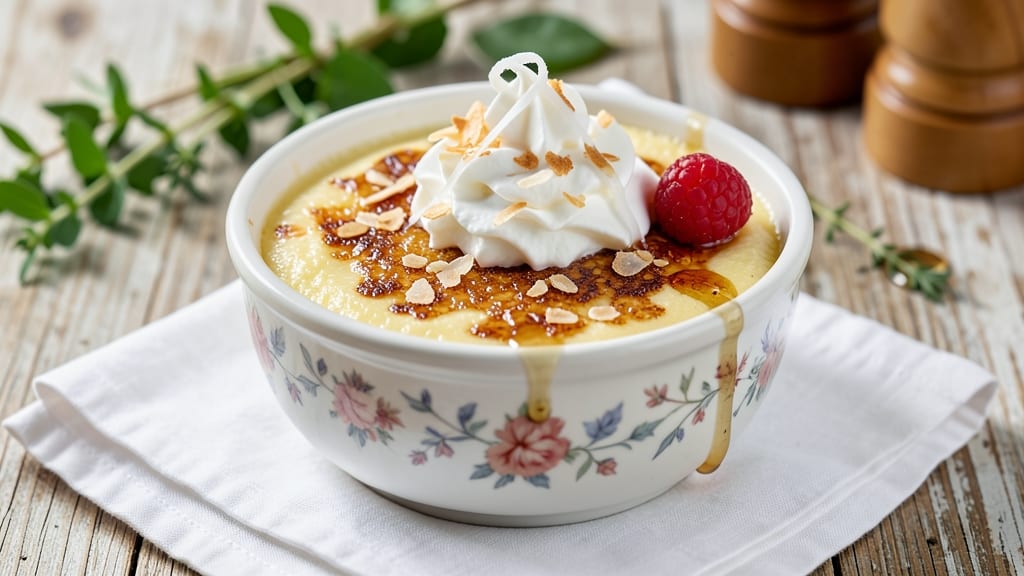
This steamed egg pudding recipe delivers restaurant-quality dessert with just five ingredients and minimal effort. The secret lies in a precise ratio of eggs, milk, and sugar that creates silky vanilla clouds with a beautifully caramelized top—no special equipment required beyond a steamer basket.
I developed this version after testing countless methods, and it consistently delivers that perfect balance of custardy texture and golden crust.
The magic happens during the steaming process, which transforms simple ingredients into something luxurious. You'll start with a smooth custard mixture that's poured into ramekins and steamed until set—about 40 minutes at a gentle simmer.
The key is maintaining even heat and avoiding direct water contact, which keeps the texture perfectly smooth without breaking. This method works equally well for traditional custard-style puddings or lighter, fluffier variations.
What you'll end up with is a dessert that looks elegant enough for special occasions but requires no baking experience. The exterior develops a delicate caramelized crust while the interior remains silky and tender, with subtle vanilla flavor throughout.
The aroma alone will have everyone gathering in the kitchen, and each bite delivers that perfect combination of creamy and slightly crispy.
This recipe adapts beautifully to dietary preferences too—simply replace milk with coconut milk for a dairy-free version, or use aquafaba for a vegan alternative without sacrificing texture. Perfect for brunch service, holiday desserts, or satisfying a sweet craving after dinner. Let's get started on creating these silky vanilla clouds.
Ingredients for steamed egg pudding
Five simple ingredients transform into restaurant-worthy silky vanilla clouds with golden crusts—no fancy tools needed.
| Ingredient | Amount | Notes |
|---|---|---|
| Large Eggs 🥚 | 4 whole | Room temperature for best blending |
| Whole Milk 🥛 | 1 cup | Full-fat for creaminess (or substitute with coconut milk) |
| Granulated Sugar 🍚 | ½ cup | White or light brown preferred |
| Pure Vanilla Extract 🌿 | 1 tbsp | High-quality, no imitation |
| Unsalted Butter 🧈 | 2 tbsp | Cold, cubed for caramelized top |
The eggs are the foundation here—room temperature is key for smooth blending. I always grab large eggs from the store (they're standard), but if you have extra-larges, use those instead. The milk matters too—full-fat gives the richest texture, but you can swap for coconut milk if you're avoiding dairy. Sugar is where the magic happens: white or light brown works best, but don't use dark brown—it'll make the crust too bitter. The vanilla? Real extract only—imitation won't give you that deep, luxurious flavor. And that butter? Cold and cubed—it melts during steaming to create the perfect caramelized top.
No whole milk? Heavy cream or half-and-half works in a pinch, but the texture gets slightly denser. Short on vanilla? Vanilla bean paste is a great upgrade—just use half the amount since it's more concentrated. The sugar can be swapped for turbinado or coconut sugar, but your crust might be slightly less golden. Butter substitutes? Vegan butter works for dairy-free versions, but it won't caramelize the same way. Pro tip: Measure your eggs carefully—they should be about 2 oz each. If yours are different, adjust the milk slightly to keep the ratio balanced.
Store any leftovers in an airtight container in the fridge for up to 3 days—though honestly, this disappears fast! The ramekins are perfect for serving, but if you want to make ahead, assemble the mixture and refrigerate overnight before steaming. The texture actually improves after sitting! For a dairy-free version, use coconut milk and vegan butter—just know the crust will be slightly softer. And if you're feeling fancy, sprinkle a pinch of flaky sea salt on top before serving—trust me on that.
Why You'll Love This Recipe
- No Fuss Setup: I swear by this recipe because it’s three bowls and a steamer basket—no fancy gadgets, no stress. Just whisk eggs, milk, and sugar until smooth, pour into ramekins, and let the steam do the work. My lazy Sundays thank me every time.
- Silky Vanilla Bliss: That first spoonful of warm, custardy goodness with just a whisper of vanilla? Chef’s kiss. The butter adds a rich depth, and the sugar caramelizes slightly at the edges—like a hug in dessert form. Honestly, I’ll take this over half the bakery offerings.
- Breakfast or Dessert: Morning or midnight craving? This works both ways. Serve it drizzled with honey for breakfast, or dust with powdered sugar for a late-night treat. My college roommate and I lived off this for months—it’s that reliable.
- Leftovers That Don’t Suffer: Unlike so many desserts, steamed egg pudding actually improves the next day. Reheat in the microwave for 20 seconds, and it’s just as luscious. Plus, it’s cheap to make—eggs, milk, and sugar stretch far, so I’m always stocking up. Budget win.
Step-by-step instructions for steamed egg pudding
Here's how to create those dreamy, jiggly vanilla clouds with a perfect golden crust.
👨🍳 Step 1: Whisk Eggs and Sugar Until Ribbon Stage
In a large heatproof bowl, combine the 4 whole Large Eggs and 0.5 cup Granulated Sugar. Using a whisk or electric mixer, beat vigorously for 3-5 minutes until the mixture triples in volume and forms thick, glossy ribbons when the whisk is lifted. This step is crucial—it incorporates air that creates the signature silky texture. You'll know it's ready when the mixture looks pale and holds its shape for a moment before dissolving.
I like to work in a double boiler setup for this part. Place the bowl over a pot of barely simmering water (not boiling—just enough to create gentle steam). This gentle heat helps the eggs blend more smoothly without scrambling. Keep whisking until that ribbon stage is achieved—this ensures your pudding will be light and airy, not dense.
🍳 Step 2: Gradually Warm the Milk and Add Vanilla
In a small saucepan, gently warm the 1 cup Whole Milk over medium-low heat until it's hot but not boiling—just steaming. Remove from heat and stir in the 1 tbsp Pure Vanilla Extract. The warmth helps the vanilla infuse fully into the milk, giving you that rich, aromatic flavor throughout the pudding.
Here's the thing—don't let the milk boil. Boiling can cause the eggs to curdle when you combine them later. You want it hot enough to melt the sugar completely but not so hot it starts to scald. A good test is when you see tiny bubbles forming around the edges but not a full rolling boil.
🥘 Step 3: Combine Mixtures and Add Cold Butter
Slowly pour the warm milk mixture into the egg-sugar blend while whisking constantly. This gradual addition prevents the eggs from scrambling. Once fully combined, remove from the heat and let the mixture cool to room temperature—about 10-15 minutes. This resting period allows the flavors to meld and the texture to stabilize.
While the mixture cools, add the 2 tbsp Unsalted Butter, cut into small cubes. The butter should melt gently into the mixture, creating pockets that will give your pudding that luxurious, caramelized top later. Don't worry if the butter isn't completely dissolved—it will melt during steaming. The cold butter is key for that perfect golden crust.
🔥 Step 4: Steam Until Just Set
Preheat your steamer or place a heatproof bowl over a pot of simmering water, ensuring the bottom of the bowl doesn't touch the water. Pour the egg mixture into a 4-inch heatproof ramekin (or individual molds if making multiple servings) and place it in the steamer. Cover with a lid or aluminum foil to trap the steam.
Steam over medium heat for 18-22 minutes. The pudding is done when it's just set—it should still have a slight wobble in the center, like a firm jelly. A toothpick inserted should come out clean but slightly wet. Overcooking will make it dense, so keep an eye on it during the last few minutes. The residual heat will continue cooking it slightly after removal.
⏰ Step 5: Chill and Develop the Caramelized Top
Remove the ramekin from the steamer and let it cool for 5 minutes at room temperature. Then, refrigerate for at least 4 hours (overnight is best). This chilling time is where the magic happens—the pudding firms up beautifully, and the butter rises to create that golden, caramelized crust.
When ready to serve, run a knife around the edges to loosen, then invert onto a plate. The pudding should release cleanly, revealing that stunning golden top. If it doesn't come out easily, it might need a little more chilling time. Serve immediately while still slightly warm from the inversion—this is when it's at its most luxurious texture, with that perfect balance of silky interior and crispy exterior.
Pro Tips For Making Steamed Egg Pudding
- Whisk Until Ribbons: Egg pudding falls apart if the eggs aren’t fully emulsified—whisk until the mixture holds soft, 2-inch ribbons when you lift the whisk. I used to stop when it looked "done," but that’s when lumps sneak in later. Take the extra 30 seconds; your pudding will stay silky.
- Chill the Mixture: Let the batter sit for 10 minutes after mixing—this relaxes the eggs and keeps the texture light. I learned this the hard way when my first batch turned out dense and rubbery. Cold milk helps, but room temp batter? Nope.
- Don’t Oversteam: Watch the water level—it should never touch the pudding’s bottom. I once flooded a pot and ended up with a waterlogged mess. Use a steamer basket or a heatproof plate with a tight lid, and check every 5 minutes after 20 minutes.
- Butter the Mold Well: Coat the mold and lid with butter before pouring—this prevents sticking and adds a subtle richness. I skipped this once and spent 10 minutes prying pudding off the sides. A little extra butter now saves frustration later.
Serving suggestions for this recipe
Classic Presentation
Serve your steamed egg pudding directly in the ramekins for an elegant, restaurant-style presentation. The golden caramelized top looks stunning when inverted onto a chilled dessert plate—just run a knife around the edges first.
I like to dust the plate with a light layer of powdered sugar or sprinkle toasted coconut flakes for added texture and visual appeal. 🥄
Fruit Toppings
Fresh berries or tropical fruit make perfect companions. A handful of raspberries or mango slices adds vibrant color and a bright contrast to the rich pudding. For extra flair, drizzle with warm berry compote or passionfruit curd—just a teaspoon per serving enhances the vanilla flavor beautifully.
Citrus lovers can add orange zest or a few drops of orange blossom water for a floral touch.
Creamy Sauces
A dollop of vanilla bean ice cream or coconut whipped cream elevates the dish instantly. For a lighter option, try honey-sweetened Greek yogurt mixed with a pinch of cardamom.
I also love pairing it with caramel sauce—just a thin stream down the side creates that perfect sweet contrast. The creaminess balances the pudding's delicate texture without overpowering it.
Spiced Accompaniments
Warm spices take this dessert to the next level. A sprinkle of cinnamon or nutmeg adds depth, while a few crushed pistachios or toasted hazelnuts provide crunch. For something unexpected, try a pinch of smoked paprika—it adds an intriguing earthiness that pairs surprisingly well with the vanilla.
The key is to use just enough to complement, not dominate, the delicate flavors.
Make-Ahead Serving
This pudding actually tastes better when served slightly warm after chilling. For a make-ahead brunch, assemble the ramekins the night before and refrigerate. When ready to serve, steam for 15 minutes, then let sit for 10 minutes before inverting.
The contrast of warm pudding with cold toppings is pure indulgence. I often serve it with chilled sparkling wine or espresso for the perfect balance of flavors and temperatures.
Dietary Adaptations
For dairy-free guests, serve with coconut whipped cream or dairy-free chocolate ganache. Vegan versions can be paired with aquafaba meringue or agave syrup for drizzling. Always offer fresh fruit as a universal safe option—it adds freshness and makes the dessert feel lighter.
The pudding's natural sweetness shines when paired with tart or acidic elements, so citrus or berries work beautifully regardless of dietary needs.
Nutrition facts
Frequently asked questions
Can I make this steamed egg pudding without a steamer basket?
You can use a heatproof bowl placed over a pot of simmering water, ensuring the bottom doesn't touch the water. For even cooking, place a wire rack in the bowl first to prevent direct contact. Another option is to use an Instant Pot with the trivet—just set the ramekins on top and steam on high pressure for 10 minutes (natural release).
Why did my pudding come out too dense instead of silky? Overmixing the eggs or overheating the milk are the most common causes.
How do I prevent the pudding from sticking to the ramekins?
Lightly grease ramekins with butter or use silicone molds designed for steaming desserts. For extra insurance, dust the bottom with powdered sugar before pouring the mixture. When ready to serve, run a knife around the edges first. If it still sticks slightly, let it sit at room temperature for 5 more minutes before inverting.
Can I make this recipe with fewer eggs for individual servings?
Yes! For single servings, use 2 eggs, 0.25 cup milk, and 2 tbsp sugar in a 3-inch ramekin. Reduce the butter to 1 tbsp and steam for 12-15 minutes. The proportions should stay the same—just scale everything down proportionally. These mini puddings are perfect for brunch or dessert parties!
What's the secret to getting that perfect golden caramelized top?
The cold butter cubes are your secret weapon! They melt during steaming but rise to the top, creating that beautiful crust. For extra shine, sprinkle a pinch of sugar on top before steaming. Also, make sure your butter is cold (not softened) when adding it to the mixture. The longer you chill the pudding after steaming, the more caramelized the top becomes.