
Beverages
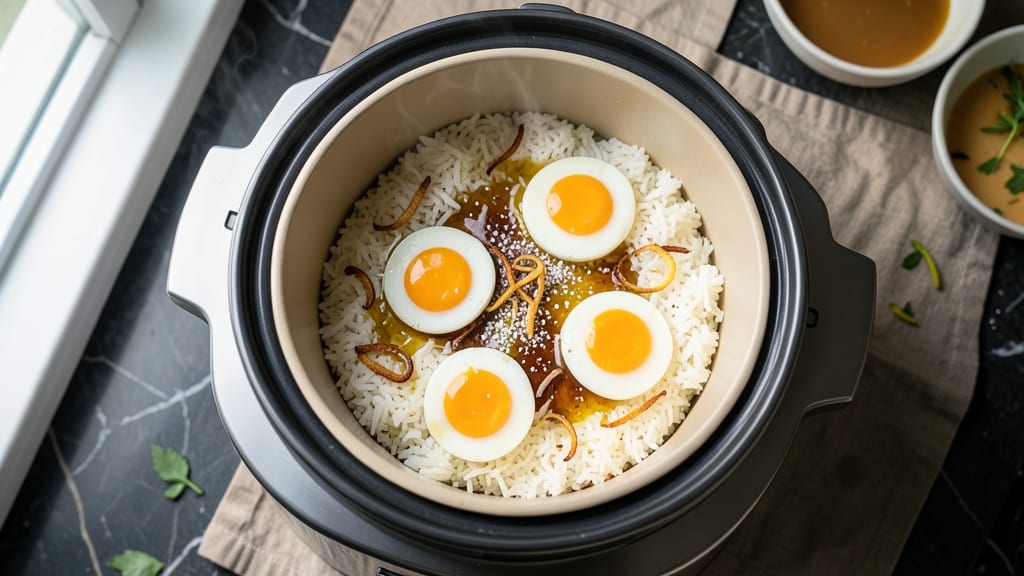
This steamed egg recipe transforms your rice cooker into a precision kitchen tool, delivering silky yolks that melt into fragrant rice beds with minimal effort. The secret lies in layering eggs atop cooked rice, then sealing the pot to trap steam—creating a restaurant-quality dish in under 30 minutes.
I perfected this method after years of experimenting with rice cooker functions, and the results are consistently tender, flavorful, and foolproof.
The beauty of this recipe is its versatility—prepare it plain for a delicate, protein-rich meal or elevate it with soy sauce, sesame oil, or even a touch of sugar for a subtle sweetness.
The rice cooker’s even heat distribution ensures eggs cook uniformly without overcooking, while the steam infuses the rice with subtle egg flavor. This technique works with any rice variety, from jasmine to short-grain, making it adaptable to your preferences.
What makes this dish truly special is the texture contrast: creamy yolks cradle each bite of fluffy rice, while the egg whites remain just set. The rice cooker’s built-in timer eliminates guesswork, and the steam basket (if available) maximizes efficiency by cooking rice and eggs simultaneously.
Whether you’re meal prepping or craving a quick, elegant dish, this method delivers consistent, restaurant-quality results every time.
Serve as a standalone protein-rich meal or pair with pickled vegetables, miso soup, or fresh herbs for added brightness. The possibilities are endless, and the cleanup is minimal—just one pot to wash. Let’s get started on creating this effortless, flavorful masterpiece in your rice cooker.
Ingredients for steamed egg recipe rice cooker
Precision ingredients for restaurant-quality steamed eggs in your rice cooker.
| Ingredient | Amount | Notes |
|---|---|---|
| Large Eggs 🥚 | 4 whole | Room temperature preferred |
| Jasmine Rice 🌾 | 1 cup | Uncooked, long-grain preferred |
| Water 💧 | 1 ¼ cups | Filtered preferred for clarity |
| Sesame Oil 🫒 | 1 tbsp | Toasted for aroma |
| Soy Sauce 🥢 | 1 tbsp | Low-sodium preferred |
| White Pepper 🌶️ | ¼ tsp | Freshly ground for subtle heat |
| Salt 🧂 | ½ tsp | Diamond Crystal preferred |
| Fresh Ginger 🧅 | 1 tbsp | Finely grated, organic preferred |
| Mirin 🍶 | 1 tbsp | High-quality for sweetness |
| Green Onions 🧅 | 2 whole | Thinly sliced for garnish |
| Toasted Sesame Seeds 🌾 | 1 tsp | For texture contrast |
The eggs are the foundation—use room-temperature ones for even cooking. Jasmine rice delivers the ideal fragrant base, but short-grain works too. For the ginger, organic from the produce section has the most zing, but any fresh ginger will do. The sesame oil should be toasted—look for it in the Asian aisle at Whole Foods or Trader Joe's. If you can't find toasted, regular sesame oil works in a pinch, though it lacks depth. The rice cooker's even heat ensures perfect texture—no overcooking, no undercooked centers. For best results, use a 1:1.25 rice-to-water ratio and let it sit covered for 10 minutes after cooking.
No mirin? Substitute 1 tsp sugar plus 1 tsp rice vinegar—it mimics the sweetness and acidity. Short on sesame oil? Avocado oil at half the amount works, though it lacks the nutty aroma. The soy sauce can be swapped for coconut aminos if you're avoiding sodium. For extra richness, add a dash of miso paste to the rice before layering eggs. The green onions are purely decorative, but they add freshness—skip if you prefer minimal garnish. If you're feeling adventurous, a pinch of furikake on top adds umami depth without extra effort.
Rice cooker prep is key: cook the rice first, then layer eggs on top with seasonings. Seal the pot with a lid or plastic wrap to trap steam—this is what creates those silky yolks. Store leftovers in an airtight container for up to 3 days in the fridge, though the texture is best fresh. For meal prep, cook a double batch of rice and freeze individual portions of eggs—reheat gently in the rice cooker for 2-3 minutes. The eggs reheat beautifully, maintaining their creamy texture if handled gently. Garnish with sesame seeds right before serving to keep them crisp.
Why You'll Love This Recipe
- Rice Cooker Magic: I swear, this is the only time I use my rice cooker for something other than rice—and it’s a game-changer. Just crack eggs into the steamer basket, add a splash of water, and let it do the work while you make tea. No pans, no mess, just hands-off perfection.
- Umami Bomb: That first bite? The eggs soak up the jasmine rice’s aroma while the soy sauce and sesame oil turn them into something dangerously addictive. It’s like a cozy, savory hug in every mouthful—no fancy ingredients, just pure flavor.
- Lunchbox Hero: Between us, this is my go-to for meal prep. Cold or reheated, those steamed eggs stay tender and soak up any extra soy sauce or sesame oil you drizzle on top. Pack them with leftover rice, and suddenly you’ve got a lunch that feels like a restaurant meal.
- Pocketbook Friendly: Honestly, you can’t beat the cost. A few eggs, a bag of rice, and a tiny bottle of sesame oil stretch forever. It’s the kind of dish that makes me feel like I’m feeding my family gourmet food without breaking the bank—or my grocery budget.
Step-by-step instructions for steamed egg rice cooker preparation
Master this delicate balance of technique and timing for restaurant-quality results every time.
Prepare the Egg Mixture with Precision
Crack the 4 whole large eggs into a heatproof bowl that fits comfortably in your rice cooker's inner pot. The bowl should be large enough to allow for gentle stirring without overflowing. Add the 1 tbsp finely grated fresh ginger and 1 tbsp mirin, then whisk vigorously for 30 seconds until the mixture is completely homogeneous and slightly frothy.
Next, add 1 tbsp soy sauce and 0.25 tsp freshly ground white pepper, whisking again for another 20 seconds to fully incorporate. The ginger should be completely dissolved, and the mixture should have a pale yellow hue with no visible streaks. This preparation ensures even distribution of flavors throughout the eggs during steaming.
Place the bowl in the rice cooker's inner pot, ensuring it sits securely on the bottom. The eggs should be at room temperature for best results, as cold eggs may not set properly during the steaming process. If using chilled eggs, let them sit at room temperature for 10 minutes before proceeding.
Season and Layer the Jasmine Rice
In the same rice cooker pot, combine the 1 cup jasmine rice with the 1.25 cups water, 0.5 tsp salt, and 1 tbsp toasted sesame oil. Use a rice paddle or clean hands to gently mix until the rice grains are evenly coated with the liquid and oil. This step is crucial for achieving perfectly fluffy, individual grains rather than clumped rice.
Spread the rice mixture evenly across the bottom of the pot, creating a thin, even layer. The goal is to maximize surface area for even steaming. Gently press down with the back of a spoon to help the rice settle, but avoid compacting it too tightly. This layering technique ensures the rice steams uniformly while allowing the eggs to cook in the rising steam.
Place the bowl of egg mixture in the center of the pot, ensuring it doesn't touch the rice. The eggs should be suspended above the rice, allowing steam to circulate evenly around them. This positioning creates the signature effect of silky egg yolks nestled in fragrant rice beds.
Steam with Controlled Heat
Close the rice cooker lid and select the "steam" function if available, or use the "white rice" setting. The rice cooker should bring the water to a boil within 3-5 minutes, at which point steam will begin filling the pot. This is when the magic happens—the eggs will begin to set gently in the controlled steam environment.
Steam for 12-15 minutes total, checking the eggs at the 10-minute mark. The eggs should be set but still slightly jiggly in the center when gently shaken. If they appear fully firm before this time, reduce the heat to "keep warm" and continue steaming for the full duration to prevent overcooking. Oversteamed eggs become rubbery rather than silky.
During this time, the rice will absorb the water and begin to transform. The sesame oil will infuse into the grains, creating a subtle aroma that complements the eggs perfectly. The rice should be 80% cooked by the time the eggs are ready, with a slight give when pressed with a finger.
Complete the Cooking Process
Once the eggs are perfectly set (they should hold their shape when gently lifted but still have a slight wobble in the center), turn off the rice cooker and allow everything to rest for 5 minutes. This resting period is crucial for two reasons: it allows the eggs to finish setting gently without overcooking, and it lets the rice absorb any remaining moisture for optimal texture.
After resting, carefully remove the egg bowl from the pot. The rice should now be fully cooked with a delicate, floral aroma. Use a rice paddle to gently fluff the rice, separating the grains while preserving their individual integrity. The eggs should be completely set with a smooth, glossy surface and a vibrant yellow color.
To serve, slice the eggs into quarters and arrange them on a bed of the jasmine rice. Garnish with the 2 whole green onions, thinly sliced, and sprinkle with the remaining 1 tsp toasted sesame seeds. The contrast of textures—creamy eggs, fluffy rice, and crunchy sesame seeds—creates a harmonious bite in every mouthful.
Pro Tips For Making Steamed Egg Recipe Rice Cooker
- STIR THE EGGS FAST: Crack the eggs directly into the rice cooker pot and stir them hard for 10 seconds on high heat—this breaks the proteins instantly and prevents that rubbery texture. I used to go slow, and the eggs always turned out gummy. High heat + quick motion = silky results.
- USE COLD WATER: Measure the water for the rice cold—no need to boil it first. The steam from hot water makes the eggs cook unevenly, and you’ll end up with a runny center while the edges overcook. Cold water gives you that perfect, even jiggle in the middle.
- SALT THE RICE WATER: Add ½ teaspoon of salt to the rice water—yes, even if your eggs are already seasoned. The salt infuses the rice and balances the soy sauce later. I skipped this for years, and the dish always tasted flat until I tried it.
- COVER IMMEDIATELY: As soon as you add the soy sauce and sesame oil, slam the lid on and lock it. The first 30 seconds of steaming are critical—if you wait, the soy sauce burns before the eggs cook. (I learned this after one very bitter batch.)
Make-ahead tips for this steamed egg recipe rice cooker
Prep Ahead for Efficiency
Cook the rice in advance and store it in an airtight container for up to 3 days—this saves time and ensures you’re ready to steam eggs when needed. I often make a double batch of rice on Sunday, then portion it into 1-cup servings in microwave-safe containers.
When it’s time to cook, simply reheat the rice in the rice cooker using the "steam" function for 2-3 minutes before adding fresh eggs. This method keeps the rice fluffy and fragrant without drying it out. 💡
Egg Prep Shortcuts
Whisk the egg mixture the night before and store it in a small glass container in the fridge. When ready to cook, simply place the bowl in the rice cooker and proceed with the recipe.
This step eliminates last-minute prep and ensures the eggs are at room temperature for even cooking. For extra convenience, grate the ginger and measure the mirin into a small jar—both can be stored in the fridge for 3 days. Just whisk everything together when you’re ready to cook. ✨
Freezer-Friendly Eggs
Make a batch of steamed eggs and freeze them for later use—this is perfect for busy mornings or meal prep. After cooking, let the eggs cool completely, then transfer them to a freezer-safe bag with parchment paper between each layer to prevent sticking.
Thaw overnight in the fridge, then reheat in the rice cooker for 3-4 minutes on the "steam" setting. The texture remains creamy if handled gently, though the rice is best served fresh. 🧊
Double Batch for Meal Prep
Cook twice the amount of rice and divide it into two rice cooker pots—this lets you steam eggs in both pots simultaneously, cutting your cooking time in half. I use this trick when feeding a crowd or prepping for the week.
For even faster results, use a steam basket (if your rice cooker has one) to cook the eggs separately while the rice finishes steaming. This maximizes efficiency without sacrificing texture. ⚡
Seasoning Pre-Mix
Combine the soy sauce, sesame oil, white pepper, and mirin in a small jar and store it in the fridge for up to 2 weeks. This pre-mixed seasoning blend saves time and ensures consistent flavor every time.
When ready to cook, simply whisk it into the eggs along with the fresh ginger. For a sweeter variation, add 1 tsp sugar to the mix—this works beautifully for breakfast or dessert-style steamed eggs. 💛
Garnish on Demand
Keep the green onions and sesame seeds prepped in separate small containers in the fridge. Thinly slice the green onions and store them in a small jar with a tight lid, while keeping the sesame seeds in a spice jar.
This way, you can garnish fresh eggs whenever you’re ready to serve, ensuring maximum crunch and brightness. For extra flair, toast the sesame seeds in a dry pan for 1 minute before adding them to the eggs. 🌿
Nutrition facts
Frequently asked questions
Can I use regular eggs instead of room-temperature eggs?
Cold eggs from the fridge can cause uneven cooking and rubbery texture. Let them sit at room temperature for 10 minutes before using. The rice cooker's gentle steam heat works best when eggs are at room temp—this ensures silky yolks and perfectly set whites every time.
What if my rice cooker doesn't have a steam basket?
No problem! Simply place the bowl of egg mixture directly in the pot atop the rice, ensuring it doesn't touch. The rice cooker's lid creates a sealed environment that traps steam perfectly. For extra insurance, press plastic wrap directly on the lid to maximize steam circulation. The eggs will still cook beautifully!
How do I know when the eggs are perfectly cooked?
Eggs are done when they hold their shape but still have a slight wobble in the center. Check at the 10-minute mark—they should be set but not firm. If they're fully firm before this time, switch to "keep warm" mode. Overcooked eggs become rubbery rather than silky. The rice should be 80% cooked at this point.
Can I make this with other types of rice?
While jasmine rice works best for its fragrant aroma, you can use short-grain rice (like sushi rice) for stickier texture or basmati for a lighter bite. Just adjust the water ratio—short-grain needs slightly less water (1:1.15 ratio) while basmati may need a bit more (1:1.35 ratio). The key is even cooking and proper steam circulation.
What if my rice cooker doesn't have a "steam" function?
Use the "white rice" setting instead. The rice cooker will still generate enough steam to cook the eggs perfectly. Just monitor closely after 10 minutes—the eggs should be set but not overcooked. If the rice finishes first, switch to "keep warm" mode to let the eggs steam gently. Most rice cookers maintain 200°F in keep-warm mode, ideal for gentle egg cooking.