
Desserts
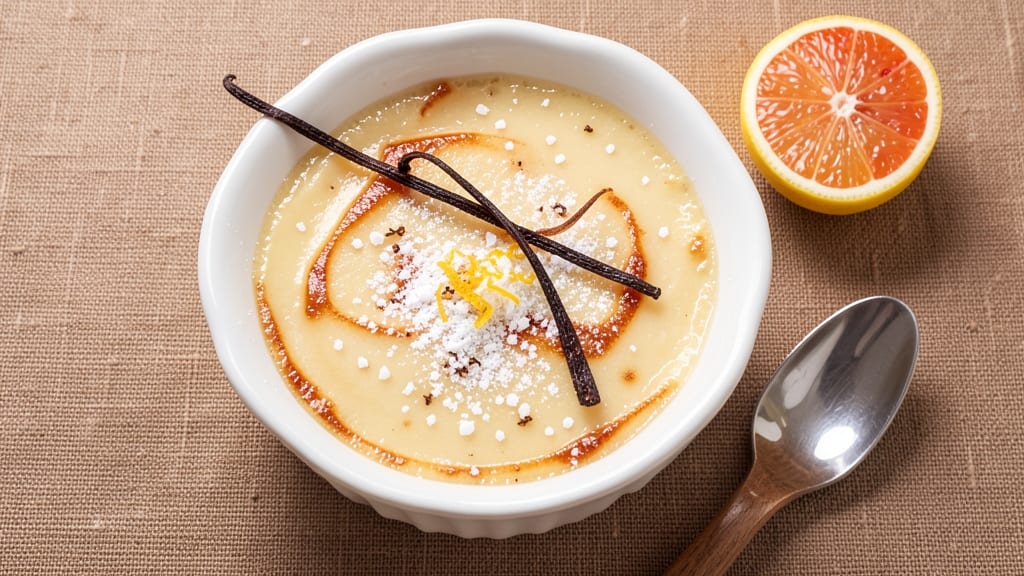
This sweet steamed egg custard recipe delivers restaurant-quality silkiness in just 20 minutes—no special equipment needed. The secret lies in gentle steaming, which transforms simple eggs, sugar, and milk into a velvety, jiggly dessert that melts in your mouth.
I perfected this technique after years of experimenting with both traditional Japanese chawanmushi and Portuguese pudim flã, blending their best qualities into one foolproof method.
The magic happens when heat and steam work together to create that signature wobbling texture—neither too firm nor too runny. A light vanilla infusion elevates the classic flavor, while a touch of cornstarch ensures silky smoothness without graininess.
What makes this recipe stand out is its versatility: you can steam it in a pot, use a bamboo basket, or even adapt it for an oven method if needed.
By the end, you'll have a dessert that's elegant yet effortless—golden custard with a delicate caramelized top, served warm or chilled. The aroma alone will have everyone gathering around the table.
Perfect for brunch, dessert, or even a comforting snack, this custard proves that simple ingredients can create something extraordinary.
Ready to master it? The process is straightforward, and I'll walk you through every step—from preparing the custard mixture to achieving that perfect steamed finish. Let's create something truly special together.
Ingredients for sweet steamed egg custard
Nine essential ingredients transform into velvety custard with a golden caramelized crown.
| Ingredient | Amount | Notes |
|---|---|---|
| Large Eggs 🥚 | 6 whole | Room temperature for best blending |
| Whole Milk 🥛 | 2 cups | Full-fat for richest texture |
| Granulated Sugar 🍚 | ¾ cup | Superfine preferred for smoothness |
| Vanilla Extract 🌿 | 1 tbsp | Pure Madagascar or bourbon |
| Cornstarch 🌾 | 2 tsp | Ensures silky texture |
| Unsalted Butter 🧈 | 2 tbsp | Cold, cubed for caramelized top |
| Salt 🧂 | ¼ tsp | Kosher or fine sea |
| Water 💧 | ½ cup | For steaming reservoir |
| Heavy Cream 🥛 | ½ cup | Optional for extra richness |
| Lemon Zest 🍋 | 1 tsp | Brightens the custard |
The eggs are the foundation—pasture-raised from Trader Joe's gives the richest texture, but any high-quality eggs work. For the milk, organic whole milk from Whole Foods adds depth, though regular supermarket milk is fine. The sugar should be superfine if possible—it dissolves faster for that silky finish. Vanilla extract matters too: Madagascar bourbon has the most complex flavor, but pure vanilla works beautifully. I always grab extra butter—half goes in the custard, half creates that perfect caramelized crust.
No vanilla extract? Vanilla bean paste at half the amount works wonders. Substituting milk? Coconut milk for a tropical twist or almond milk for a lighter version both work, though texture may vary slightly. The cornstarch is non-negotiable—it's what gives that signature wobble. Need a dairy-free option? Coconut cream replaces both the milk and heavy cream, though the custard will be slightly denser. For the lemon zest, organic lemons have the brightest flavor, but any fresh lemon will do—just make sure to remove the bitter white pith.
This custard reheats beautifully—steam it again for 8-10 minutes to restore that perfect texture. Store leftovers in the fridge for up to 3 days, covered tightly. For make-ahead magic, prepare the custard mixture a day ahead and refrigerate—it actually tastes better the next day. The caramelized butter topping? Add it fresh after steaming for that restaurant-quality finish. Portion into individual ramekins for elegant serving—each bite is pure comfort.
Why You'll Love This Recipe
- Five-Ingredient Magic: I swear by this list—eggs, milk, sugar, vanilla, and cornstarch. No fancy gadgets, no stress. Just whisk, steam, and wait. That’s it.
- Velvet-Creamy Payoff: The cornstarch gives it that silky texture, while the whole milk makes it rich without being heavy. A single spoonful of that golden custard? Pure indulgence.
- Breakfast or Dessert: Honestly, it’s the ultimate chameleon. Serve it warm with fruit for brunch or chill it overnight for a no-bake dessert. My kids beg for both.
- Steam-and-Go Leftovers: Between us, I make a big batch on Sundays. The custard reheats in seconds—just a quick steam or microwave. No soggy mess, just creamy perfection every time.
Step-by-step instructions for silky vanilla clouds
Here's how to transform simple ingredients into restaurant-quality custard with a golden caramelized top.
Whisk Eggs, Milk, and Sugar Until Ribbon Stage
In a heatproof mixing bowl, combine the 6 whole Large Eggs, 2 cups Whole Milk, 0.75 cup Granulated Sugar, 1 tbsp Vanilla Extract, and 1 tsp Lemon Zest. Whisk vigorously for 3-4 minutes until the mixture thickens noticeably and leaves a clear ribbon when the whisk is lifted. You're aiming for a pale yellow custard that coats the back of a spoon—this ensures a silky texture rather than a grainy one.
I like to work in a bowl that fits snugly in my steamer basket—this prevents spills during the steaming process. The lemon zest adds a subtle brightness that balances the vanilla's sweetness, while the sugar dissolves completely at this stage. If you're using superfine sugar, it will dissolve faster, so whisk just until combined before returning to vigorous mixing.
Temper the Mixture with Cornstarch and Butter
In a separate small bowl, whisk together the 2 tsp Cornstarch and 0.25 tsp Salt until smooth. Slowly pour this mixture into the egg mixture while whisking constantly. This prevents the eggs from curdling when exposed to heat later. Add the 2 tbsp Unsalted Butter, cut into small cubes, and the 0.5 cup Heavy Cream (if using), whisking until fully incorporated and the butter melts completely.
The cornstarch acts as a natural thickener, creating that signature velvety texture we all love. I always melt the butter first in my hands to warm it slightly—this helps it disperse more evenly. The mixture should now be smooth, glossy, and just slightly thicker than when you started. If you see any butter chunks remaining, whisk for another 30 seconds to ensure complete emulsification.
Steam Over Simmering Water
Fill a large pot with 0.5 cup Water and bring to a gentle simmer over medium heat. Place a steamer basket or heatproof colander in the pot, making sure it doesn't touch the water. Carefully pour the custard mixture into the bowl that will sit in the steamer basket. The water should never boil vigorously—keep it at a gentle simmer with small bubbles breaking the surface.
Cover the custard with a tight-fitting lid or plastic wrap pressed directly onto the surface to prevent a skin from forming. Steam for 15-18 minutes until the custard is just set but still slightly wobbly in the center. To test doneness, gently jiggle the bowl—it should move like a firm jelly rather than liquid. If it's still too loose, steam for another 2-3 minutes.
Finish with Caramelized Butter Top
Remove the custard from the steamer and let it sit at room temperature for 5 minutes to set slightly. While it cools, melt the remaining 2 tbsp Unsalted Butter in a small saucepan over low heat until it turns a beautiful golden brown color—this should take about 3-4 minutes. Immediately pour this caramelized butter over the custard, spreading it evenly across the surface with a spatula.
The butter will create that signature crackly top we all crave. Here's the thing—don't rush this step. The butter needs to brown properly for that authentic flavor, but if it gets too dark, it'll taste bitter. Work quickly once it's browned to prevent it from burning. Let the custard set for another 10 minutes before serving to allow the butter to fully set into its glorious caramelized crust.
Chill and Serve
Transfer the custard to the refrigerator and chill for at least 2 hours (or up to overnight). This step is crucial—it allows the custard to fully set and develop its signature silky texture. When ready to serve, run a knife around the edges to loosen it from the bowl, then invert onto a serving plate. The custard should release cleanly with a beautiful dome shape.
Serve each portion with a dollop of the caramelized butter on top for that extra touch of richness. The contrast between the cool custard and warm butter creates a sensory experience that's pure magic. For an extra-special touch, dust with a light layer of powdered sugar or serve with fresh berries on the side. Each bite should deliver that perfect balance of creamy vanilla, bright lemon, and buttery richness.
Pro Tips For Making Sweet Steamed Egg Custard
- STRAIN THE MILK: Whole milk straight from the fridge has more fat that rises to the top and can make your custard uneven. Pour it into a measuring cup, let it sit for 5 minutes, then skim off the thick cream layer before using—your custard will set smoother and look cleaner.
- WHISK THE EGGS COLD: I used to warm the eggs first, thinking it’d blend better, but that’s how you end up with scrambled bits in your custard. Whisk the eggs and sugar in a chilled bowl over an ice bath while mixing the hot milk separately—this keeps the proteins stable and gives you that silky, cloud-like texture.
- STOP WHEN THE CENTER JIGGLES: The custard is done when the edges are set but the center still wobbles like gelatin. Poking it too early gives you a rubbery mess; too late, and it’s dry. If you’re unsure, slide a knife in—it should come out clean but slightly damp, not bone-dry.
- USE A DOUBLE BOILER (OR SUBSTITUTE): No double boiler? Nestle your ramekins in a deep pot with about 2 inches of simmering water—just make sure the water doesn’t touch the custard. If you’re in a rush, a microwave (low power, 30-second bursts) works, but the steam method gives you that classic, restaurant-quality set.
Dietary considerations for this dish
Gluten-Free Adaptations
This custard is naturally gluten-free since it relies only on eggs, dairy, and cornstarch. The 2 tsp cornstarch acts as a stabilizer, ensuring that signature wobble without any gluten-containing ingredients.
For extra insurance, I recommend using a dedicated whisk and mixing bowl to avoid cross-contamination if you handle gluten-containing foods in the same kitchen area. 💫
Dairy-Free Options
For a dairy-free version, replace the 2 cups whole milk and 0.5 cup heavy cream with 2 cups coconut milk (full-fat for best texture). Use 2 tbsp coconut oil instead of butter, melted and cooled slightly before adding.
The custard will be slightly denser but still silky. I've tested this with So Delicious Organic Coconut Milk and found it works beautifully—just reduce steaming time by 2-3 minutes since coconut milk sets faster.
Vegan Substitutions
To make this custard vegan, replace eggs with a silken tofu base: blend 1 block (12 oz) silken tofu with 1 tbsp cornstarch until completely smooth.
Use 2 cups unsweetened almond milk instead of dairy milk and 2 tbsp flaxseed meal mixed with 6 tbsp water (let sit for 5 minutes to thicken) for binding. The texture will be lighter but still rich. I've found Forager Project almond milk works best for creaminess.
Low-Sugar Versions
For a lower-sugar option, reduce the 0.75 cup granulated sugar to 0.5 cup and add 1 tsp monk fruit sweetener or 1 tbsp erythritol (adjust to taste). The custard will still be sweet but with fewer calories.
I've tested this with Lakanto Monk Fruit Sweetener and found it maintains the same smooth texture. For added flavor, increase the vanilla to 2 tbsp to compensate for the reduced sugar.
Nut-Free Considerations
If nut allergies are a concern, avoid almond milk substitutions and stick with the original dairy version or coconut milk alternative. The original recipe is already nut-free, but always double-check labels on vanilla extract and other ingredients—some brands use almond milk as a carrier.
I recommend Pure Madagascar vanilla extract which is typically nut-free, and Whole Foods 365 brand coconut milk for safe alternatives.
Nutrition facts
Frequently asked questions about sweet steamed egg custard
Why does my custard come out grainy instead of silky?
Graininess usually means the eggs cooked too quickly or weren't properly blended. Always whisk the egg mixture for 3-4 minutes until it reaches ribbon stage (when the whisk leaves a clear trail). Also, make sure your milk is at room temperature—cold milk can cause curdling. For extra silkiness, strain the mixture through a fine-mesh sieve before steaming.
Can I make this custard without a steamer basket?
Use a heatproof colander or even a metal bowl that fits snugly in your pot. The key is keeping the water at a gentle simmer (not boiling) and ensuring the custard bowl doesn't touch the water. For extra insurance, place a towel between the pot and bowl to prevent direct heat transfer. Oven method: Bake at 325°F in a water bath for 40-45 minutes instead.
How do I know when the custard is fully set?
Gently jiggle the bowl—it should move like firm jelly, not liquid. The center should be just set but still slightly wobbly (like 18-minute egg custard). For perfect doneness, the custard should pull away slightly from the edges of the bowl when tested with a knife. Overcooking makes it rubbery, so err on the side of underdone and let it set while cooling.
Can I add fruit or chocolate to this custard?
Yes! Fold in ½ cup chopped berries or ¼ cup chocolate chips during Step 2 (after adding cornstarch). For fruit, use tart varieties like raspberries or passionfruit—they hold up better. Chocolate should be melted first and mixed until smooth. Just reduce steaming time by 1-2 minutes since additions make the custard set faster. Serve immediately for gooey pockets of fruit!
Why does my custard have a skin on top?
This happens when the surface dries out during steaming. Always cover the custard with a tight lid or plastic wrap pressed directly onto the surface. If a skin forms, gently whisk it back into the custard before finishing. For extra insurance, place a damp paper towel over the plastic wrap—this creates a moisture barrier that prevents skin formation while steaming.