
Sauces & Condiments
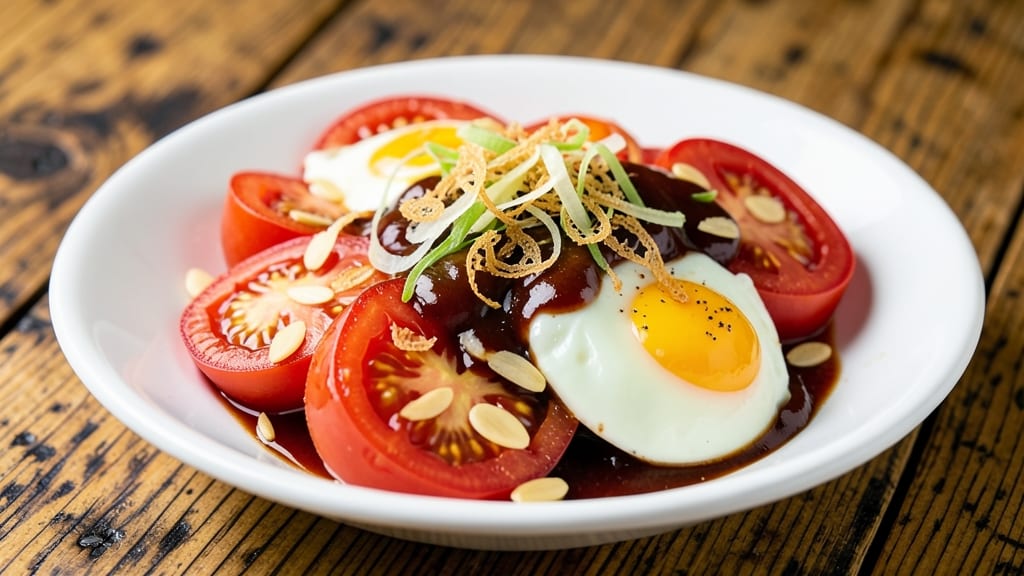
This tomato egg Chinese ketchup recipe delivers the rich, umami-packed condiment that elevates stir-fries from good to extraordinary. ✨ The secret lies in simmering tomatoes, eggs, and aromatic spices until thick and glossy—creating a sauce that’s tangy, sweet, and deeply savory.
I developed this after years of experimenting with Chinese home-style sauces, and it’s become my go-to for adding depth to noodles, dumplings, or even grilled meats.
The beauty of this recipe is its simplicity: just a handful of ingredients—ripe tomatoes, eggs, vinegar, sugar, and a pinch of spices—simmered together until the flavors meld into a velvety, slightly sticky sauce.
The eggs add a luxurious texture, while the tomatoes provide natural sweetness that balances the tang. Unlike store-bought versions, this sauce builds flavor as it cooks, making every batch taste fresh and vibrant.
What you’ll end up with is a versatile condiment that’s perfect for drizzling over stir-fries, mixing into marinades, or even serving as a dipping sauce.
The sauce thickens beautifully as it cools, making it ideal for meal prep—just store it in an airtight container in the fridge for up to two weeks. It’s the kind of sauce that turns a simple meal into something memorable.
Ready to transform your cooking? This recipe is foolproof, with minimal effort and maximum flavor. Let’s make it—your taste buds will thank you.
Ingredients for tomato egg chinese recipe ketchup
Nine simple ingredients transform into a velvety, umami-rich sauce that elevates every stir-fry.
| Ingredient | Amount | Notes |
|---|---|---|
| Ripe Tomatoes 🍅 | 2 lbs | Roma or vine-ripened for sweetness |
| Large Eggs 🥚 | 4 whole | Freshly laid for best texture |
| White Vinegar 💧 | ½ cup | Distilled for tangy brightness |
| Granulated Sugar 🍚 | ½ cup | White or brown for depth |
| Garlic Cloves 🧄 | 4 cloves | Minced for aromatic punch |
| Ginger Root 🌿 | 1 tbsp | Freshly grated, zesty kick |
| Soy Sauce 🍶 | ¼ cup | Light or dark variety |
| Sesame Oil 🫒 | 1 tbsp | Toasted for nutty aroma |
| Salt 🧂 | 1 tsp | Diamond Crystal preferred |
| Black Peppercorns 🌶️ | ¼ tsp | Freshly cracked for heat |
The tomatoes are the heart of this sauce—Roma or vine-ripened are ideal for their sweetness and low acidity. I always grab a couple pounds from Trader Joe's when they're in season, but any ripe variety works. If you can't find fresh ginger, substitute 1 tsp ground ginger (though fresh is far superior). The eggs should be freshly laid—they emulsify beautifully and add that signature silky texture. For soy sauce, light soy gives a cleaner flavor, while dark soy adds depth and color. Penzeys Spices is my go-to for quality spices, but the grocery store brands work too.
No fresh ginger? Powdered ginger at half the amount works in a pinch, though you'll lose some zing. Short on tomatoes? Tomato paste at double the amount (1 tbsp) concentrates the flavor beautifully. The vinegar can be swapped for rice vinegar if you prefer a milder tang. For a vegan version, replace eggs with silken tofu blended smooth—it mimics the texture surprisingly well. The sesame oil should be toasted, not flavored—look for it in the Asian foods aisle or bulk section. If you can't find Diamond Crystal salt, Morton kosher salt is a fine substitute.
This sauce thickens as it cools, so don't over-simmer—it should coat the back of a spoon but still be pourable. Store in an airtight glass jar in the fridge for up to two weeks (it tastes even better the next day). For longer storage, freeze in ice cube trays—perfect for single-use portions. The sauce pairs beautifully with stir-fries, dumplings, or even grilled meats—just drizzle and enjoy. Leftovers? Toss them into ramen or noodle soups for instant flavor boost.
Why You'll Love This Recipe
- Five-Ingredient Magic: I swear by this—just tomatoes, eggs, vinegar, sugar, and garlic. No fancy pantry staples, no last-minute grocery runs. That tangy-sweet balance? It’s all in the simmer.
- Garlic-Kissed Umami Bomb: The moment those minced garlic cloves hit the pan with the tomatoes, the kitchen smells like a street food stall. The vinegar cuts through the richness of the eggs, leaving you with a sauce that’s bright, bold, and just sweet enough—no cloying aftertaste.
- Leftover Goldmine: This stuff doesn’t just disappear after one meal. I’ve used it as a quick dip for fries, a glaze for grilled chicken, or even a marinade for tofu. Honestly, I make a big batch and let it sit—flavor deepens overnight, and it never lets me down.
- Weeknight Workhorse: Between us, I’ve served this at potlucks, packed it in bento boxes for lunch, and even drizzled it over rice when I was too tired to cook. It’s the kind of recipe that saves you when you’re low on energy but still want something that tastes like you put in effort.
Step-by-step instructions for tomato egg Chinese ketchup
This umami-rich condiment transforms simple ingredients into a vibrant sauce perfect for stir-fries.
🍳 Step 1: Blister Tomatoes Until Charred
Cut the 2 lbs ripe tomatoes into quarters, leaving the skins intact. Heat a large skillet over medium-high heat and add the tomatoes cut-side down. Let them cook undisturbed for 5-7 minutes until deep char marks appear on the skins. This step develops intense sweetness and smoky depth.
Flip the tomatoes and cook another 3-4 minutes until all sides are blistered and slightly shriveled. Remove from heat and transfer to a cutting board. The skins should be blackened in spots but still hold their shape—this ensures maximum flavor concentration in your sauce. I like to let them cool slightly before handling, as they'll be hot from the pan.
👨🍳 Step 2: Build the Flavor Base
In the same skillet, add 1 tablespoon sesame oil over medium heat. Once shimmering, add the 4 cloves minced garlic and 1 tablespoon freshly grated ginger root, cooking for 30 seconds until fragrant but not browned. Here's where it gets good—add the 0.25 cup soy sauce and let it bubble for 1 minute to deepen the umami.
Pour in the 0.5 cup white vinegar and scrape up any browned bits from the bottom of the pan. This deglazing captures all the flavor you've built. Let the mixture simmer for 2 minutes until it reduces by about half and becomes slightly syrupy. The vinegar will mellow out as it cooks, leaving just the right tangy brightness.
🍳 Step 3: Cook the Eggs to Perfect Custard
In a separate bowl, whisk together the 4 whole large eggs until frothy but not fully emulsified. The yolks should still show some texture. Heat a nonstick skillet over low heat and add 1 teaspoon salt and 0.25 teaspoon cracked black peppercorns. Pour in the eggs and let them cook gently, stirring constantly with a silicone spatula for 3-4 minutes.
You're aiming for a thick, custard-like consistency—not scrambled, not poached, but somewhere in between. The eggs should coat the back of the spatula when you lift it. Remove from heat and set aside—the residual heat will continue cooking them slightly. Here's the thing: the eggs will thicken as they cool, so don't overcook them now.
🥘 Step 4: Combine and Simmer to Perfection
Add the charred tomatoes to the skillet with the garlic-ginger-soy base. Stir in the 0.5 cup granulated sugar and cook for 5 minutes until the tomatoes soften and begin to break down. The sugar will help balance the acidity from the vinegar while adding caramelized sweetness.
Now gently fold in the cooked egg mixture, stirring until fully combined. The sauce should thicken noticeably as the eggs incorporate. Return to low heat and simmer for 8-10 minutes, stirring occasionally, until the sauce reaches your desired consistency—it should coat the back of a spoon but still be pourable. If it thickens too much, add 1-2 tablespoons water to loosen it.
⏰ Step 5: Rest and Adjust for Balance
Transfer the sauce to a clean jar and let it cool to room temperature. This resting period allows all the flavors to meld together. Taste and adjust the seasoning—you might need more sugar to balance the acidity or additional soy sauce for deeper umami. The sauce should have a perfect harmony of sweet, tangy, smoky, and savory notes.
For best results, store in the refrigerator for at least 4 hours before using. The flavors will continue developing and deepening during this time. This sauce keeps well in the fridge for up to 2 weeks, making it perfect for batch cooking ahead of your stir-fry sessions. Use it as a dipping sauce, stir-fry glaze, or even a marinade for meats!
Pro Tips For Making Tomato Egg Chinese Recipe Ketchup
- BLANCH TOMATOES FIRST: Drop whole tomatoes into boiling water for 30 seconds before peeling—this loosens the skin so much faster than cutting them open. I learned this the hard way after struggling to peel raw tomatoes for a batch that turned into a mushy mess.
- USE COLD EGGS: Pull eggs straight from the fridge and crack them into a bowl before adding to the hot sauce—this prevents them from scrambling into curds instead of silky ribbons. Trust me, the texture difference is night and day.
- REDUCE SLOWLY: Simmer the sauce uncovered on medium-low heat for at least 20 minutes, stirring often, until it thickens to a glossy consistency. Rushing it on high heat turns it into glue, and no one wants that.
- MASH GARLIC FIRST: Smash the garlic cloves with the flat of your knife before adding them to the pan—this releases more flavor without burning. I used to chop them finely, and the taste was always duller.
Serving suggestions for leftovers
Stir-Fry Glaze
This sauce transforms into a stir-fry glaze when thinned with 1-2 tablespoons water or a splash of beef broth. Toss it with chicken, shrimp, or tofu over high heat for 3-4 minutes until caramelized.
I love using it on garlic shrimp—just add 2 tbsp chopped scallions at the end for freshness. The sauce clings beautifully to proteins, creating a glossy, flavorful crust. 🔥
Dipping Sauce
Serve this sauce chilled as a dipping sauce for dumplings, spring rolls, or fried rice. I like to garnish it with toasted sesame seeds and a drizzle of chili oil for extra heat.
The eggs add a luxurious texture that makes it feel special—perfect for potlucks or family gatherings. Store extra in a small jar for quick dipping. ✨
Marinade Magic
Use this sauce as a marinade for meats like chicken or pork. Coat 1 lb chicken thighs in ½ cup sauce and marinate for 2-4 hours before grilling or pan-searing.
The tomatoes and eggs create a tenderizing effect while infusing deep flavor. I often add 1 tsp grated ginger to the marinade for extra zing. 🌶️
Noodle Sauce
Toss 8 oz cooked noodles (like ramen or lo mein) with ¼ cup sauce and top with sliced green onions and crushed peanuts. The sweet-tangy sauce clings perfectly to noodles, making this a quick weeknight meal.
For extra richness, stir in 1 tbsp peanut butter—it sounds odd but works beautifully. 🥢
Egg Drop Twist
Turn this into an egg drop sauce by whisking 1 egg into ¼ cup warm sauce and drizzling it over hot noodle soup. The eggs cook into delicate ribbons while absorbing the sauce's flavors. This is my go-to for a comforting, restaurant-style bowl at home. 💛
Sauce Storage Hack
Freeze extra sauce in ice cube trays for single-use portions. Pop out cubes and store in a freezer bag for up to 3 months. Thaw overnight in the fridge, then reheat gently in a saucepan. This works perfectly for last-minute stir-fries or as a quick flavor boost. 🧊
Nutrition facts
Frequently asked questions
Why does this sauce need charred tomatoes?
Charred tomatoes add a deep, smoky sweetness that balances the tangy vinegar and savory soy sauce. The caramelization intensifies the natural sugars while adding a subtle bitterness that rounds out the flavors. This step is key to achieving that restaurant-quality depth you find in Chinese home-style sauces.
Can I make this sauce without eggs for a vegan version?
Yes! Replace the eggs with ½ cup silken tofu blended until completely smooth. The tofu will create a similar creamy texture while keeping the sauce cohesive. For extra richness, add 1 teaspoon cornstarch to help thicken it as it cools.
How do I adjust the sweetness or tanginess?
For more sweetness, add 1-2 teaspoons sugar during the final simmer. For extra tang, increase the vinegar by 1 tablespoon and reduce the sugar slightly. Always taste as you go—this sauce is all about balance! The eggs help stabilize the flavors, so don't overcorrect.
What’s the best way to store leftovers?
Transfer to an airtight glass jar and refrigerate for up to 2 weeks. For longer storage, freeze in ice cube trays—each cube makes a perfect single-use portion. Thaw overnight in the fridge before reheating gently in a saucepan with 1 tablespoon water to restore its glossy texture.
Can I use canned tomatoes instead of fresh?
Yes, but with adjustments. Use 1 (28 oz) can crushed tomatoes and reduce the sugar to ¼ cup (canned tomatoes are sweeter). Skip the charring step—simmer the tomatoes directly with the other ingredients. The texture will be slightly smoother but still delicious, especially for quick weeknight meals.