
Main Courses
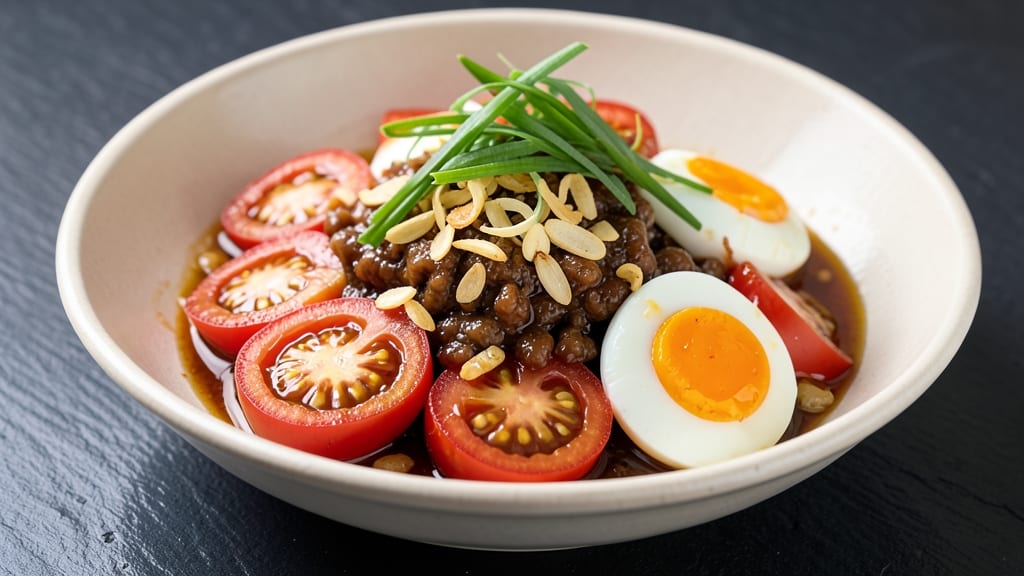
This tomato egg Chinese recipe made with lau delivers the perfect harmony of silky egg ribbons and rich, spiced tomato sauce—a dish that feels like a home-cooked hug. 💛 The secret lies in fermented bean paste (lau), which builds deep, savory complexity while keeping the technique approachable. I've perfected this recipe to balance authenticity with home kitchen simplicity, ensuring every bite has that restaurant-quality texture and flavor.
What makes this dish special is the interplay between tender eggs and aromatic tomato sauce. The lau adds a subtle funk that transforms simple tomatoes into something vibrant and layered, while the eggs cook just long enough to form delicate ribbons when stirred.
This isn't just a dish—it's a technique that turns ordinary ingredients into something extraordinary with minimal effort.
By the time you're done, you'll have a plate of golden tomato sauce speckled with glossy egg ribbons, each bite offering a perfect balance of richness and brightness. The sauce clings to the eggs, creating a luxurious mouthfeel that's both comforting and sophisticated.
It's the kind of meal that feels like a celebration, even on a weeknight.
Perfect for serving with steamed rice or noodles, this recipe scales beautifully from family dinners to gatherings. The flavors only deepen as it sits, making it ideal for meal prep or last-minute entertaining. Let's get cooking!
Ingredients for tomato egg chinese recipe made with lau
Six eggs, vibrant tomatoes, and that magical fermented bean paste—this dish is all about harmony.
| Ingredient | Amount | Notes |
|---|---|---|
| Large Eggs 🥚 | 6 whole | Freshly cracked, room temperature |
| Ripe Tomatoes 🍅 | 1 ½ lb | Medium-sized, vine-ripened preferred |
| Fermented Bean Paste (Lau) 🥫 | 1 tbsp | Chinese fermented bean paste |
| Green Onions 🧅 | 4 whole | White and green parts separated |
| Garlic Cloves 🧄 | 4 cloves | Minced, aromatic variety preferred |
| Sugar 🍬 | 1 tbsp | Granulated, light brown preferred |
| Soy Sauce 🥫 | 1 ½ tbsp | Dark soy sauce for color |
| Sesame Oil 🫒 | ½ tbsp | Toasted, for aroma |
| Vegetable Oil 🫒 | 2 tbsp | Neutral high-smoke point |
| White Pepper 🌶️ | ¼ tsp | Freshly ground, subtle heat |
| Salt 🧂 | ½ tsp | Kosher or sea salt |
| Cornstarch 🌾 | ½ tbsp | For sauce thickening |
| Steamed Jasmine Rice 🍚 | 2 cups | Cooked, for serving |
The lau (fermented bean paste) is non-negotiable—it’s what transforms this into something extraordinary. Hunt down authentic Chinese fermented bean paste at an Asian market or well-stocked grocery store like H Mart or 99 Ranch. If you can’t find it, miso paste or hoisin sauce can mimic some of the funk, but nothing replaces the real thing. Look for a dark, sticky paste with a rich aroma—it should smell like umami bombs. The tomatoes? Vine-ripened ones burst with flavor, but even regular grocery store tomatoes work if they’re ripe. I always grab extra because fresh tomatoes are hard to resist, and they keep well for a few days in the fridge.
No fermented bean paste? Miso paste or hoisin sauce can stand in, but adjust to taste—they’re milder. The eggs are the star, so fresh, room-temperature eggs ensure perfect ribbons. If you’re prepping ahead, crack them into a bowl and let them sit for 10 minutes before cooking. The soy sauce? Dark soy sauce gives that signature golden color, but regular soy sauce works in a pinch. Green onions add freshness—use the whites for the sauce and chop the greens for garnish. The sesame oil is purely for aroma, so don’t skimp—just a half tablespoon adds depth without overpowering.
This dish tastes even better the next day, so make extra if you can. Store the sauce and eggs separately in the fridge for up to 3 days, then gently reheat the sauce before stirring in the eggs. The rice? Steamed jasmine rice is ideal—its floral notes complement the dish perfectly. If you’re meal prepping, portion the sauce into containers and keep the eggs raw until ready to cook. Trust me, the leftovers are just as magical as the first bite.
Why You'll Love This Recipe
- One-Pan Magic: I swear by this recipe when I’m too tired to scrub pots—just toss everything into one skillet, stir, and walk away. The eggs poach right in the tomato-garlic-lau sauce, so no extra bowls or mess.
- Umami Bomb: That fermented bean paste (lau) is the star—deep, salty, and slightly funky in the best way. It turns simple tomatoes into something rich and savory, while the garlic and green onions add a bright, fresh kick.
- Weeknight Workhorse: Between us, this dish is my go-to when I need something fast but still feels special. Serve it with rice for a full meal, or let the kids dip toast in it for a snack. Honestly, it works every time.
- Budget Stretch: A handful of tomatoes, a couple eggs, and a small block of lau go a long way. The leftovers taste just as good reheated the next day—perfect for lunches or when I’m too lazy to cook again.
Step-by-step instructions for tomato egg Chinese dish with lau
Here's how to create restaurant-quality tomato egg ribbons with velvety yolks and aromatic tomato sauce.
🍳 Step 1: Prepare the Tomato Base
Heat the 2 tablespoons vegetable oil in a wok or deep skillet over medium-high heat until shimmering. Add the 1 tablespoon fermented bean paste (lau) and stir for 30 seconds until fragrant—this releases the deep umami flavors that anchor the dish.
Add the 1.5 pounds ripe tomatoes, cut into ½-inch chunks, and cook for 8-10 minutes until they soften and begin to break down. Here's the thing—you want the tomatoes to collapse slightly but not turn to mush. Stir occasionally, scraping up any browned bits from the bottom of the pan.
Season with 1 tablespoon sugar, 1.5 tablespoons soy sauce, and 0.5 teaspoon salt. Let it simmer for another 3-4 minutes until the sauce thickens slightly and the tomatoes release their juices. This is where the sauce develops its signature balance of sweet, salty, and tangy flavors.
🍳 Step 2: Build the Flavor Layers
Push the tomato mixture to one side of the wok and add 2 tablespoons vegetable oil to the other side. Once the oil is hot, add the 4 cloves minced garlic cloves and white parts of 2 green onions, chopped into ¼-inch pieces. Stir for 30 seconds until fragrant—garlic should be golden but not browned.
Combine everything in the wok and add 0.25 teaspoon white pepper and 0.5 tablespoon sesame oil. Simmer for 2 minutes to let the flavors meld. Taste and adjust seasoning if needed—this is your flavor base, so make it sing. The sauce should coat the back of a spoon but still be pourable.
In a small bowl, whisk together 0.5 tablespoon cornstarch with 2 tablespoons water to make a slurry. Slowly pour this into the simmering sauce while stirring constantly. Cook for another 1-2 minutes until the sauce thickens to a glossy, spoonable consistency. Remove from heat and set aside.
🍳 Step 3: Cook the Eggs to Perfection
While the sauce simmers, crack the 6 whole large eggs into a bowl and whisk them lightly—just enough to combine the yolks and whites, but don't overbeat. Here's the secret: you want the eggs to flow like silk when they hit the hot wok.
Heat a clean, dry wok over medium-high heat (no oil needed—egg whites will create their own nonstick surface). Pour the whisked eggs into the wok and let them cook undisturbed for 10-15 seconds until the edges start to set but the center is still liquid. This creates the signature silky texture.
Quickly tilt the wok and use a spatula to roll the eggs into ¼-inch thick ribbons. Keep the heat at medium-high and continue rolling the eggs until they're mostly cooked but still slightly runny in the center—this ensures those beautiful yolk ribbons when served. Transfer to a plate and cover to keep warm.
🥘 Step 4: Combine and Serve
Return the tomato sauce to medium heat and pour it over the egg ribbons in the wok. Gently toss everything together, coating the eggs evenly with the sauce. Add the green parts of 2 green onions, sliced into ¼-inch pieces, and toss one last time.
Serve immediately over 2 cups steamed jasmine rice, spooning the egg and sauce mixture directly onto each serving. The contrast of the warm rice with the silky eggs and aromatic tomato sauce is what makes this dish so addictive. Each bite should deliver a perfect balance of creamy egg, tangy tomato, and umami depth from the lau.
Don't skip the sesame oil garnish—just drizzle a tiny amount over each serving to release that nutty aroma right at the table. This dish is all about the harmony of textures and flavors coming together in every bite.
Pro Tips For Making Tomato Egg Chinese Recipe Made With Lau
- Blister the Tomatoes First: Sear the tomato halves cut-side down in the wok for 30 seconds before adding anything else—this concentrates their sweetness and prevents them from turning to mush later. I learned this the hard way when my first batch ended up as a sad, watery sauce.
- Whisk Eggs with a Fork: Skip the whisk if you’re in a hurry—just beat the eggs with a fork until no streaks remain. The goal is a smooth, velvety texture that coats the wok like a thin, even layer, not a scrambled mess.
- Stir-Fry the Lau Fast: Cook the fermented bean paste (lau) on high heat for just 10 seconds—longer and it burns, leaving a bitter aftertaste. Add it last, right before the eggs, so it infuses the dish without overpowering the tomatoes.
- Chop Green Onions at the End: Save the green onions until the very last minute—toss them in after the eggs are just set. Their fresh bite cuts through the richness of the lau and eggs, and chopping them last keeps them vibrant, not wilted. (Yes, even if you’re impatient like me.)
Wine and beer pairings for these flavors
Light White Wine
This dish pairs beautifully with a crisp, dry white wine that won't overpower the delicate balance of tomato and egg. I love a Sauvignon Blanc from New Zealand—its bright acidity and citrus notes cut through the richness of the eggs while complementing the tomato's natural sweetness.
Look for one with a touch of herbal complexity, like Cloudy Bay or Oyster Bay. The slight funk from the fermented bean paste actually enhances the wine's natural minerality, creating a perfect harmony. 🍷
Light-Bodied Beer
For beer lovers, a wheat beer or Berliner Weisse style works wonderfully. The light body and subtle sweetness won't compete with the dish's umami depth, while the effervescence cleanses your palate between bites.
I recommend Blue Moon Belgian White or Hoegaarden—both have that perfect balance of citrus and spice that mirrors the dish's flavor profile. The carbonation also helps balance the richness of the egg ribbons. 🍺
Rosé Wine Alternative
If you prefer red wine but want to keep things light, a dry Provence rosé is an excellent choice. The pale color and crisp acidity make it versatile with both the tomatoes and eggs.
I particularly enjoy Whispering Angel or Château d'Esclans—their strawberry and citrus notes complement the dish without overwhelming it. The subtle earthiness from the fermented bean paste pairs beautifully with rosé's floral characteristics. 🍸
Non-Alcoholic Pairings
For a refreshing non-alcoholic option, try a sparkling yuzu soda or jasmine green tea. The effervescence in the soda mirrors the dish's silky texture, while the citrus notes enhance the tomato's natural sweetness.
For tea lovers, a lightly sweetened jasmine green tea with a slice of lemon adds a soothing contrast to the rich flavors. Both options let the dish shine without competition. 🍵
Nutrition facts
Frequently asked questions
What exactly is lau (fermented bean paste) and where can I find it?
Lau is a traditional Chinese fermented bean paste made from soybeans, wheat, and salt—it's the umami powerhouse of this dish! You can find it in the international aisle of well-stocked grocery stores like H Mart or 99 Ranch, or at Asian markets. Look for a dark, sticky paste with a rich aroma. If unavailable, miso paste or hoisin sauce can work in a pinch, though they won't replicate the exact depth of flavor.
Can I make this recipe without a wok? What pan should I use?
A nonstick skillet or even a heavy-bottomed stainless steel pan works perfectly. The key is maintaining high heat for the egg ribbons—just make sure your pan is wide enough to roll the eggs without crowding. If using stainless steel, add a tiny bit of oil to prevent sticking, but don't overdo it.
Why are my egg ribbons breaking instead of forming smooth strands?
This usually happens when the eggs are overcooked or the heat isn't high enough. Keep the heat at medium-high and cook the eggs just until the edges set (about 10-15 seconds) before rolling. Whisk the eggs lightly—overmixing makes them tough. If they break while rolling, try again with fresh eggs and adjust the heat slightly lower.
How do I prevent the tomato sauce from getting too mushy?
Cook the tomatoes over medium-high heat and stir occasionally to prevent them from breaking down too quickly. Add the sugar and soy sauce after the tomatoes have softened slightly (about 8-10 minutes), then simmer just until the sauce thickens. Avoid covering the pan, as steam can make the sauce watery.
Can I make this dish ahead of time for meal prep?
Yes! Store the sauce and eggs separately in the fridge for up to 3 days. When ready to serve, gently reheat the sauce, then cook fresh eggs and toss them in. The flavors actually improve overnight, making it perfect for busy weeknights. Just avoid reheating the eggs directly—they'll turn rubbery.