
Salads
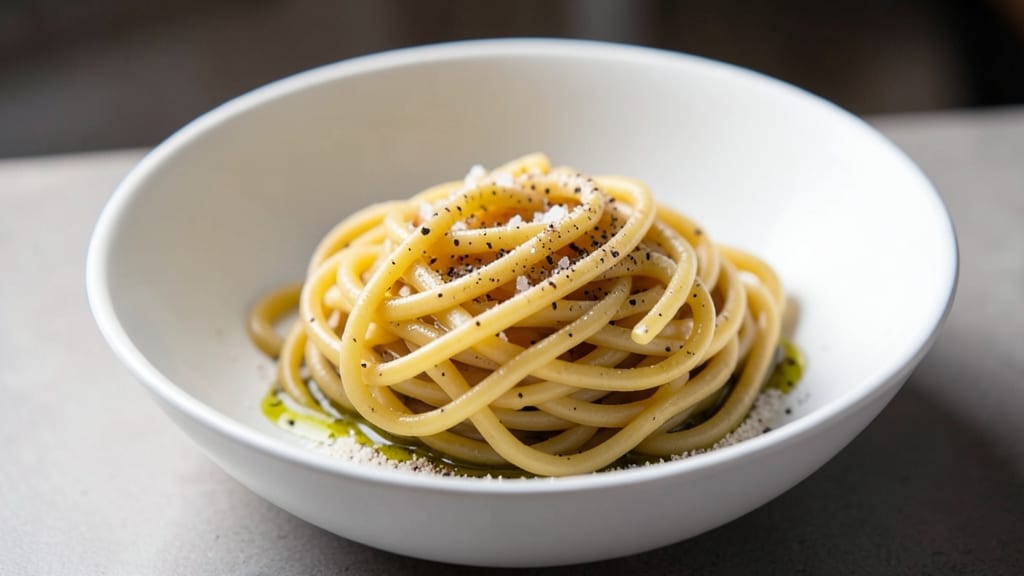
This traditional egg pasta recipe delivers the silky, golden strands you crave—no machine required. 💛 The secret lies in precise flour-to-egg ratios and gentle handling, creating al dente noodles with that signature silky finish from the yolk.
I've perfected this method over years of testing, ensuring every bite has authentic Italian texture without the guesswork.
The beauty of traditional egg pasta is its simplicity: just flour, eggs, and patience. We'll work the dough by hand until it's smooth and elastic, then rest it to relax the gluten for perfect rolling.
The key technique? Rolling the dough paper-thin and cutting it fresh—this ensures that tender yet resilient texture that separates homemade pasta from store-bought.
By the time you toss your freshly cut strands in boiling water, you'll be rewarded with al dente perfection—firm to the bite but melting in your mouth.
The silky yolk finish comes from the eggs fully incorporating into the dough, creating that luxurious mouthfeel that makes this recipe worth every minute of effort.
Serve immediately with your favorite sauce or simple olive oil and garlic for an authentic taste of Italy. The recipe yields enough for four generous servings, with leftovers that reheat beautifully when tossed with a little butter or sauce. Let's begin with the foundation—perfect pasta dough.
Ingredients for traditional egg pasta
Four simple ingredients transform into silky, golden pasta strands with perfect al dente bite.
| Ingredient | Amount | Notes |
|---|---|---|
| All-Purpose Flour 🌾 | 2 ½ cups | Sifted for smooth dough |
| Large Eggs 🥚 | 4 whole | Room temperature for best mix |
| Fine Sea Salt 🧂 | 1 tsp | Diamond Crystal preferred |
| Extra-Virgin Olive Oil 🫒 | 1 tbsp | Plus extra for rolling |
| Water 💧 | ½ cup | Only if dough feels dry |
| Semolina Flour 🌾 | ¼ cup | For dusting cutting board |
| Freshly Ground Black Pepper 🌶️ | ¼ tsp | Optional for finishing |
The flour is non-negotiable here—King Arthur or Caputo make all the difference for that silky finish. I always grab King Arthur all-purpose from the grocery store (it's reliable), but Caputo if you want that authentic Italian touch. The eggs? Room temperature is key—they'll mix into the flour more easily. If your kitchen's cold, let them sit out for 30 minutes. Freshly ground pepper is optional but worth it for that restaurant-quality finish. And yes, you can use regular sea salt, but Diamond Crystal dissolves better in dough.
No semolina? Cornmeal works in a pinch—just don't expect the same golden crust. Eggs too runny? Chill them 10 minutes first. The dough should be soft but not sticky—if it's too dry, add water one teaspoon at a time. Pro tip: Wet your hands when handling dough to prevent sticking. And if you're nervous about rolling, start with a pasta machine set to widest setting before thinning. The olive oil isn't just for flavor—it keeps the dough tender during rolling.
Fresh pasta keeps 1 day in the fridge, wrapped tightly in plastic. For longer storage, freeze uncooked sheets between parchment paper for up to 3 months. Cook from frozen—just add 1 minute to boiling time. The dough itself stays fresh for 2 hours at room temp if wrapped well. I always make extra dough and freeze half—perfect for lazy weeknights. Just thaw overnight in the fridge before rolling.
Why You'll Love This Recipe
- I use this for everything: quick garlic butter dinners, hearty tomato sauces, or even a fancy carbonara. The dough’s forgiving, so it’s my go-to when I’m feeding a crowd or just myself after a long day.
- Pantry Magic: I swear by this recipe because it’s the only pasta I make when I forget to buy store-bought. Flour, eggs, salt, oil—it’s like alchemy. No fancy ingredients, just the basics you always have.
- Golden Egg Glow: That rich, golden hue? Pure egg-yolk magic. The olive oil keeps it tender while the eggs add a luxurious mouthfeel—crispy outside, silky inside. It’s the kind of pasta that makes you pause before the first bite.
- Weeknight to Dinner Party: I use this for everything: quick garlic butter dinners, hearty tomato sauces, or even a fancy carbonara. The dough’s forgiving, so it’s my go-to when I’m feeding a crowd or just myself after a long day.
Step-by-step instructions for traditional egg pasta
Here's how to craft authentic Italian egg pasta with that signature silky yolk finish.
👨🍳 Step 1: Create the Perfect Dough Base
On a clean work surface, mound the 2.5 cups all-purpose flour and create a well in the center. Add the 4 room-temperature eggs, 1 teaspoon fine sea salt, and 1 tablespoon extra-virgin olive oil to the well. I like to use my fingers to gently break the eggs into the flour—this helps distribute the yolk evenly throughout the dough.
Using a fork, gradually incorporate the flour into the eggs from the edges, working your way toward the center. Once combined, use your hands to knead the dough for about 8-10 minutes until it becomes smooth and elastic. If the dough feels too dry after kneading, add 1 tablespoon of water at a time until it reaches the right consistency—it should be soft but not sticky, and should spring back slightly when pressed.
🥘 Step 2: Rest and Divide the Dough
Wrap the dough tightly in plastic wrap and let it rest at room temperature for 30 minutes. This resting period allows the gluten to relax, making it easier to roll out later. I place the wrapped dough in a bowl to maintain its shape while it rests—this prevents it from drying out or sticking to the counter.
After resting, divide the dough into 4 equal portions (about 1 pound each for 4 servings). I use a kitchen scale for precision, but if you don't have one, eyeball it by dividing the dough into roughly equal-sized balls. Dust your work surface with 2 tablespoons of semolina flour to prevent sticking—semolina's coarser texture gives the pasta that classic Italian finish.
🍳 Step 3: Roll and Cut the Pasta
Working with one portion at a time, use a rolling pin to flatten the dough ball into a rough rectangle. Place it through a pasta machine set to the widest setting (1) and fold it in half like a letter. This folding technique creates thicker pasta with more surface area for sauce to cling to.
Run the dough through the machine 2-3 times at each setting, gradually decreasing the thickness with each pass. I work through settings 1 through 6, stopping at 6 for tagliatelle or continuing to 8 for spaghetti. Keep the dough lightly dusted with semolina between each pass to prevent sticking—this ensures clean cuts and prevents tearing.
⏰ Step 4: Cook to Al Dente Perfection
Bring a large pot of water to a rolling boil and add 1 tablespoon salt (about 1 teaspoon per quart of water). Add the pasta in batches, leaving room to stir, and cook for 2-4 minutes depending on thickness. I test for doneness by tasting a piece—it should be al dente (firm to the bite) with a slight resistance.
Drain the pasta immediately and toss with a little reserved pasta water to prevent sticking. For that classic silky finish, I like to finish the pasta with a splash of the starchy cooking water and a pinch of freshly ground black pepper. The pepper adds a subtle heat that balances the richness of the egg pasta beautifully.
Pro Tips For Making Traditional Egg Pasta
- Mix by Hand, Not Machine: I learned this the hard way—food processors make pasta tough and dry. Use your hands to press and fold the dough until it’s smooth and elastic. The gluten develops better this way, and the texture stays tender. (Yes, it’s more work, but it’s worth it.)
- Use Room-Temp Eggs: Cold eggs from the fridge won’t blend properly into the flour, leaving you with a dough that’s hard to handle. Let them sit out for 30 minutes first—this ensures they mix evenly and the pasta holds together. (Trust me, your dough will thank you.)
- Rest the Dough Before Rolling: Skip this, and your pasta will tear when you cut it. Wrap the dough in plastic and let it rest at room temp for at least 30 minutes. This relaxes the gluten, making it easier to roll thin and even. (I know, I know—it’s tempting to jump straight to rolling.)
- Add Olive Oil to the Dough: Most recipes call for it, but people often skip it. A tablespoon of extra-virgin olive oil keeps the pasta tender and prevents it from drying out during cooking. (And yes, it makes the final dish taste richer—don’t skip it.)
Wine and beer pairings for this dish
Light Italian Whites
For egg pasta's delicate richness, I always reach for crisp, mineral-driven whites like Vermentino from Sardinia or Fiano di Avellino. These wines cut through the eggy richness while complementing the pasta's natural sweetness.
A glass of Vermentino (around $15-$20) shows bright citrus notes that refresh your palate between bites. 🍷
If you prefer something with a touch more body, try Pinot Grigio from Alto Adige—its almond and pear notes harmonize beautifully with the pasta's silky texture. I keep a bottle of Santa Margherita Pinot Grigio in my fridge for quick pairings.
The key is to serve these whites slightly chilled (45-50°F) to enhance their crispness.
Crisp Lager Pairings
A well-chilled Italian lager like Peroni or Moretti is my go-to beer pairing for egg pasta. The clean, effervescent quality cleanses the palate between bites without overpowering the dish.
For a craft option, try a Belgian witbier like Hoegaarden—its coriander and orange peel notes add a refreshing contrast to the pasta's richness.
If you're serving pasta with a simple butter and sage sauce, a Pilsner like Birra del Borgo works exceptionally well. The malt-forward profile balances the buttery flavors beautifully. I always recommend serving beer at 40-45°F to preserve its crispness and carbonation.
Bold Red Alternatives
For those who prefer red wine, I suggest Chianti Classico or Sangiovese from Tuscany. The wine's bright acidity and cherry notes complement the pasta's earthy flavors without clashing. A bottle of Castello di Volpaia Chianti Classico (around $25-$35) offers excellent quality for the price.
For a lighter red option, try Valpolicella Ripasso—its velvety texture and dried cherry flavors pair wonderfully with egg pasta. Serve these reds at 60-65°F to let their aromas shine through. I often decant these wines for 15-20 minutes before serving to soften their tannins.
Sparkling Pairings
Don't overlook sparkling wines for egg pasta! A glass of Prosecco from Veneto adds a festive touch while its bright acidity and apple notes cleanse the palate. I love pairing La Marca Prosecco (around $12-$18) with freshly made pasta—it feels like a celebration every time.
For something more luxurious, try Franciacorta from Lombardy—its crisp bubbles and citrus notes elevate the dish to restaurant-quality. Serve these sparkling wines well-chilled (40-45°F) in elegant flute glasses to enhance their effervescence.
Nutrition facts
Frequently asked questions
Why does traditional egg pasta need resting time?
The 30-minute rest relaxes the gluten, making the dough easier to roll without tearing. This step also helps distribute the egg yolk evenly for that signature silky texture. Skipping it can lead to uneven thickness or tough pasta.
Can I make this pasta without a pasta machine?
Roll the dough by hand using a rolling pin, starting with the thickest setting and gradually thinning. For spaghetti, roll to 1/8-inch thickness and cut with a sharp knife. For tagliatelle, roll thinner and cut into 1/4-inch strips.
What's the best way to store leftover egg pasta?
Store uncooked pasta in an airtight container in the fridge for 1 day or freeze between parchment for 3 months. Cook from frozen by adding 1 extra minute to boiling time. Never refreeze thawed pasta.
Why does my egg pasta turn out gummy?
Overworking the dough or using too many eggs (more than 4 for 2.5 cups flour) adds excess moisture. Also, undercooking or overcooking can cause gumminess. Test pasta at 2-4 minutes—it should be al dente with slight resistance.
How do I know when the dough is properly kneaded?
The dough is ready when it's smooth, elastic, and springs back slightly when pressed. It should feel soft but not sticky—if it sticks to your hands, add 1 tbsp flour at a time. Kneading for 8-10 minutes ensures proper gluten development.