
Breakfast & Brunch
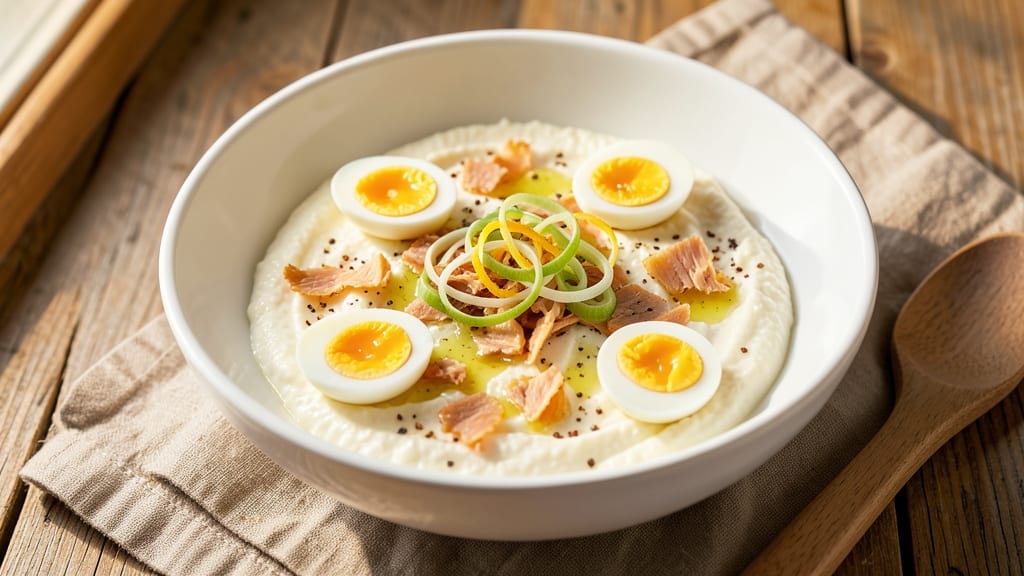
This tuna egg cottage cheese recipe transforms simple pantry staples into a high-protein breakfast that’s ready in under 20 minutes. The combination of creamy cottage cheese, flaky tuna, and rich eggs creates a savory bite that’s both satisfying and packed with nutrients—perfect for meal prep or a quick weekday breakfast.
What makes this dish stand out is how effortlessly it balances textures: tender scrambled eggs, chunky tuna, and the slight tang of cottage cheese come together in every bite.
The beauty of this recipe lies in its versatility—you can serve it as warm breakfast bites, a chilled salad, or even stuffed into lettuce wraps for a low-carb option. The key to success is using fresh ingredients and cooking the eggs just until set to maintain their creaminess.
I’ve tested this recipe countless times, and it never fails to deliver that restaurant-quality protein boost without the fuss. Whether you’re prepping for the week or craving a savory morning meal, this dish delivers big on flavor and nutrition.
What you’ll love most about this recipe is how fast it comes together—no complicated techniques required. The tuna adds a briny depth, the eggs provide richness, and the cottage cheese ties everything together with its mild tang.
The result? A dish that’s equally at home on a breakfast plate or as a light lunch. Plus, it’s naturally pescatarian-friendly and packed with lean protein to keep you full for hours.
For extra flavor, consider adding a dash of lemon zest or fresh herbs like dill or parsley. If you prefer a baked version, simply transfer the mixture to a skillet and cook until golden.
This recipe is your go-to for a protein-rich, no-nonsense breakfast that won’t leave you reaching for coffee to get through the morning.
Ingredients for tuna egg cottage cheese
Pantry staples meet protein powerhouse—just 11 ingredients for a breakfast that’s ready faster than you can say 'meal prep'.
| Ingredient | Amount | Notes |
|---|---|---|
| Cottage Cheese 🧀 | 1 cup | Full-fat for creaminess, drained if too wet |
| Large Eggs 🥚 | 4 whole | Room temperature for even cooking |
| Canned Tuna 🐟 | 1 can | Drained, in water (not oil) |
| Green Onions 🧅 | 3 whole | Chopped, white and green parts |
| Lemon Juice 🍋 | 1 tbsp | Freshly squeezed, brightens flavor |
| Salt 🧂 | ½ tsp | Kosher or sea salt |
| Black Pepper 🌶️ | ¼ tsp | Freshly ground for best flavor |
| Dried Dill 🌿 | ½ tsp | Or 1 tbsp fresh dill if available |
| Extra-Virgin Olive Oil 🫒 | 1 tbsp | For cooking eggs, fruity variety |
| Butter 🧈 | 1 tbsp | Unsalted, for extra richness |
| Lemon Zest 🍋 | ½ tsp | Optional, for extra brightness |
The cottage cheese is the star here—full-fat gives the best creaminess, but low-fat works if that's what you've got. Trader Joe's has the best-priced tubs, but any brand in the dairy aisle will do. For the tuna, stick with water-packed—oil-packed adds unwanted richness. I always grab the Wild Planet brand when I can, but any canned tuna in water works. The eggs? Room temperature scrambles more evenly, but if they're straight from the fridge, just let them sit out for 10 minutes before cooking. Green onions add freshness, but if they're not in season, frozen chopped onions thawed and drained work perfectly fine.
No lemon juice? Lime juice works in a pinch, though it's a little more tart. Fresh dill is ideal, but if you've only got dried, use one-third the amount—it's more concentrated. Want extra flavor? Add a dash of hot sauce or smoked paprika for depth. For the eggs, I like mine soft but set—about 2 minutes in the pan gives that perfect texture. If you're making this ahead, undercook slightly and finish in the oven at 350°F for 5 minutes to warm through. The butter adds richness, but if you're watching fat, olive oil works just as well—just use the same amount.
These keep beautifully in the fridge for 3 days if stored in an airtight container. Freeze for up to 1 month by portioning into single servings first—thaw overnight in the fridge. I like to prep a big batch on Sunday and grab them for breakfast all week. For a baked version, transfer to a skillet and cook at 375°F for 10-12 minutes until golden. Leftovers reheat perfectly in the microwave for 30 seconds, or warm in a dry pan over medium heat until everything is just heated through—no soggy textures here.
Why You'll Love This Recipe
- No-Fuss Assembly: I swear, this comes together in 15 minutes—just mix the cottage cheese with drained tuna, crack eggs right into the bowl, and fold in those bright green onions. No measuring cups, no fancy techniques, just stir and bake. Honestly, it’s the kind of recipe that makes me feel like I’ve earned my dinner.
- Bright & Tangy Magic: The lemon juice cuts through the richness of the cottage cheese like a breath of fresh air, while the tuna adds that salty depth. That first bite? Creamy, zesty, and just salty enough to make you reach for another piece—no heavy sauces or complicated seasoning needed.
- Lunchbox Legend: Between us, this is my go-to for packed lunches—it holds up for days without getting soggy. The eggs add protein, the cottage cheese keeps it satisfying, and the green onions add a pop of color. My kids actually eat it (yes, even on a Tuesday night), and it’s still my secret weapon for quick meals.
- Pantry Staple Power: You’re looking at a recipe that costs next to nothing but delivers big. Canned tuna, eggs, and cottage cheese? All shelf-stable or long-lasting. I’ve made this with whatever I had on hand—sometimes with a pinch of black pepper, other times with a squeeze of extra lemon—and it’s always spot-on. Budget-friendly doesn’t mean boring.
Step-by-step instructions for tuna egg cottage cheese bites
Here's how to make these protein-packed bites in under 20 minutes—perfect for busy mornings.
Prepare the Cottage Cheese Base
In a medium bowl, combine the 1 cup cottage cheese with the 1 tbsp lemon juice and 0.5 tsp salt. Use a fork to mash the cottage cheese slightly until it reaches a smooth, spreadable consistency. This step ensures even distribution of flavor and prevents lumps in your final bites.
Add the 0.25 tsp black pepper and 0.5 tsp dried dill to the bowl and mix well. The lemon juice brightens the cottage cheese while the dill adds a fresh, herby note. If you have lemon zest, sprinkle in the 0.5 tsp now and stir to incorporate. Set this mixture aside while you prepare the tuna filling.
Cook the Tuna and Green Onions
Heat the 1 tbsp extra-virgin olive oil and 1 tbsp butter in a non-stick skillet over medium heat. Once the butter has melted and is foaming gently, add the 3 whole green onions, chopped into small pieces. Sauté for 2-3 minutes until the onions soften and become fragrant.
Drain the 1 can tuna thoroughly and add it to the skillet, breaking it up with a spatula. Cook for an additional 2 minutes, just until the tuna is warmed through. The green onions will release their natural sweetness, complementing the tuna's savory flavor. Remove the skillet from heat and let the mixture cool slightly for 1 minute before mixing.
Combine Ingredients for the Bites
In a separate bowl, crack the 4 whole large eggs and whisk them lightly with a fork until just combined. This gentle mixing prevents over-aeration, which could make your bites too light. Add the tuna-green onion mixture to the eggs and stir well to distribute everything evenly.
Now, gently fold in the cottage cheese mixture using a silicone spatula. Be careful not to overmix—just combine until all the ingredients are evenly distributed. The batter should be thick but pourable. If it feels too thick, add 1-2 tablespoons of water to loosen it slightly. This step ensures each bite has that perfect balance of creamy cottage cheese, flaky tuna, and fresh herbs.
Cook the Bites to Golden Perfection
Heat a lightly oiled non-stick skillet or griddle over medium-low heat. Using a spoon or small ice cream scoop, drop 1-tablespoon portions of the mixture into the skillet, spacing them about 1 inch apart. Cook for 3-4 minutes per side, until the bottoms are golden brown and the tops are set.
You'll know they're ready when the edges look slightly crisp and the centers hold their shape when gently pressed with a spatula. Avoid pressing down too hard—this could cause the bites to break apart. Transfer the cooked bites to a plate and keep them warm in a 200°F oven while you finish the batch.
Serve Warm and Enjoy
Once all the bites are cooked, serve them immediately while still warm. These bites are perfect for breakfast, a light lunch, or even a protein-packed snack. The combination of creamy cottage cheese, flaky tuna, and fresh herbs creates a satisfying texture and flavor profile that's both comforting and nutritious.
For extra freshness, garnish with additional chopped green onions or a sprinkle of lemon zest. Pair with a side of whole-grain toast or a simple green salad for a complete meal. The best part? These bites keep well in the refrigerator for up to 3 days, making them an excellent meal prep option for busy weeks.
Pro Tips For Making Tuna Egg Cottage Cheese
- Drain & Fluff Tuna First: Skip the watery mess—open the tuna can, drain it thoroughly, then break it apart with a fork until it’s chunky, not mushy. I learned this the hard way when my first batch turned into a sad, soupy pile. Also, pat it dry with a paper towel if it’s extra wet; your eggs won’t scramble properly otherwise.
- Salt Cottage Cheese Early: Mix the salt into the cottage cheese before adding eggs—this way, it dissolves evenly and doesn’t clump. I used to add it at the end, and half the time, I’d get little salty pockets. A pinch of black pepper here too, if you’re using it, so it blends in smoothly.
- Scramble Eggs Low and Slow: Heat your pan on medium-low and let the eggs cook undisturbed for 20 seconds before stirring gently. High heat makes them rubbery, and stirring too soon turns them into glue. If you’re impatient (like me), just lower the heat and give them time—they’ll come together better.
- Squeeze Lemon Last: Add the lemon juice after removing the pan from heat—this keeps the eggs from overcooking while the acid brightens everything. I was skeptical until I tried it; now, my dish tastes fresh, not cooked-out. Also, zest the lemon if you’ve got it—it adds a pop without extra moisture.
Wine and beer pairings for this recipe
Crisp White Wine
Start with a dry Riesling from Germany or Austria—its bright acidity and subtle citrus notes cut through the richness of the cottage cheese while complementing the tuna’s brininess. I love a 2022 Dr. Loosen Blue Slate Riesling for its crisp finish and mineral undertones that refresh the palate.
Serve slightly chilled to enhance its refreshing qualities. 🍷
Light Beer Pairings
A crisp lager like Peroni or Heineken works beautifully, balancing the dish’s savory elements without overpowering them. For a local craft option, try a Belgian witbier such as Hoegaarden—its coriander and citrus notes add a fun contrast to the herby dill and lemon. Keep it cold to maintain crispness.
Sparkling Wine
For a celebratory touch, a dry sparkling wine like LaCroix Brut or Freixenet Cordon Negro Cava elevates the dish with its effervescence and acidity. The bubbles cleanse the palate between bites, making each flavor pop. Serve at 45-50°F to preserve its liveliness.
Red Wine Caution
Avoid bold reds like Cabernet Sauvignon—their tannins clash with the dish’s delicate textures. Instead, opt for a light Pinot Noir from Oregon or New Zealand if you prefer red. Look for one with low tannins and bright acidity, like Meiomi Pinot Noir, to avoid overpowering the meal. 🍇
Non-Alcoholic Options
For a refreshing non-alcoholic match, try sparkling water with lemon or a ginger beer like Feani. The ginger’s zesty kick mirrors the dish’s lemon and dill flavors, while the bubbles keep the experience lively. Serve over ice for a crisp finish.
Nutrition facts
Frequently asked questions
Can I make this recipe without eggs?
The eggs provide structure and richness, but you can substitute with ¼ cup aquafaba (chickpea brine) or ½ cup unsweetened applesauce for a vegan version. The texture will be softer, so add 1 extra tablespoon of flour if needed to help hold the shape. For best results, bake at 350°F for 12-15 minutes instead of pan-frying.
How do I store leftovers to keep them fresh?
Transfer cooked bites to an airtight container and refrigerate for up to 3 days. For longer storage, freeze portions in single layers on a tray before transferring to a bag—this prevents sticking. Thaw overnight in the fridge, then reheat in a dry pan over medium heat for 1-2 minutes per side to restore crispiness. Microwaving can make them soggy!
What’s the secret to getting these bites crispy?
Use a non-stick skillet and keep the heat at medium-low—too high will cook the outside too fast before the inside sets. Lightly oil the pan and avoid overcrowding the bites. For extra crunch, press a second spoonful of mixture on top of each bite after 2 minutes of cooking.
Can I add other seafood to this recipe?
Swap tuna for shredded cooked shrimp or crab meat (about ½ cup drained). For a Mediterranean twist, add ¼ cup chopped kalamata olives or 1 tablespoon capers. Just reduce the lemon juice to ½ tablespoon if using stronger flavors like olives to balance the tang.
Why did my mixture turn out too wet?
This usually happens if the cottage cheese wasn’t drained or if you added too much water when combining. Next time, press the cottage cheese through a fine-mesh strainer to remove excess liquid, or let it sit in a colander for 10 minutes before using. If the batter is still too runny, cook the bites in a hotter skillet for 1-2 minutes less per side.