
Breakfast & Brunch
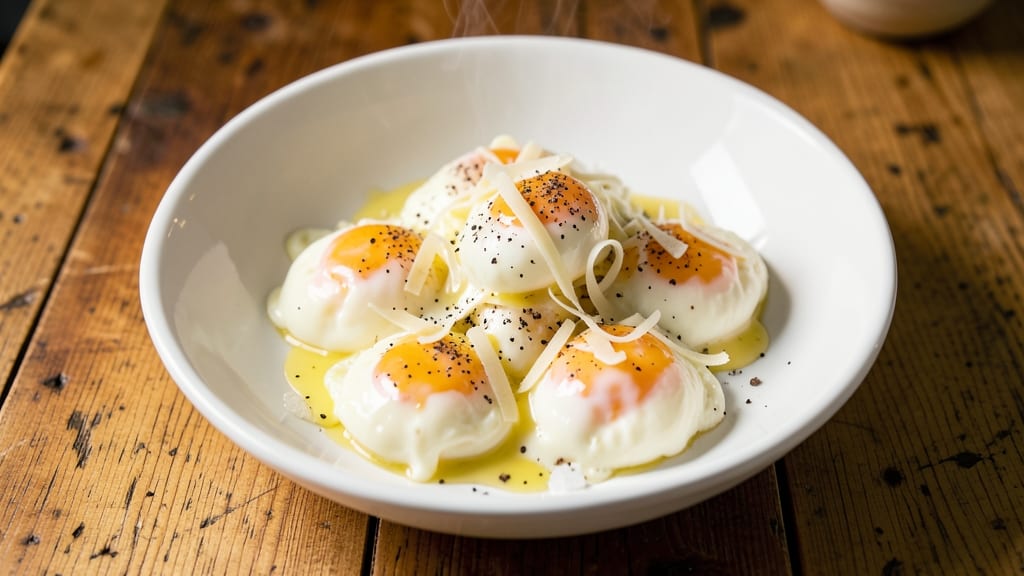
This ultimate scrambled egg recipe transforms breakfast from ordinary to extraordinary with velvety ribbons and a golden crust that's impossible to resist. The secret lies in precise heat control and gentle folding—no rubbery eggs here.
I've refined this technique over years of experimentation, and it consistently delivers restaurant-quality results at home.
What sets this method apart is the balance between creamy texture and subtle crispness along the edges. We'll use medium-low heat to prevent overcooking while continuously stirring to create those signature silky strands.
The key ingredients—high-quality eggs, butter, and a touch of cream—work together to create eggs that are tender yet rich, with a delicate custard-like finish.
By the time you're done, you'll have perfectly scrambled eggs with a velvety interior and a lightly crisp crust that adds just the right contrast. The technique is simple but demands attention to detail—no flipping or aggressive stirring that turns eggs into scrambled messes.
This is the kind of breakfast that elevates your morning routine.
Serve these eggs with toasted sourdough, fresh herbs, or a sprinkle of flaky sea salt for an elevated presentation. The possibilities for customization are endless—add cheese, chives, or a dash of hot sauce to suit your taste. Let's get started on mastering this timeless classic.
Ingredients for ultimate scrambled egg
Six eggs, four tablespoons butter, and a secret touch of cream—this is all you need for eggs that taste like a five-star breakfast.
| Ingredient | Amount | Notes |
|---|---|---|
| Large Eggs 🥚 | 6 whole | Fresh, room temperature preferred |
| Unsalted Butter 🧈 | 4 tbsp | European-style for higher fat content |
| Heavy Cream 🥛 | ¼ cup | Full-fat for ultimate creaminess |
| Diamond Crystal Kosher Salt 🧂 | ¼ tsp | Fine grain for even distribution |
| Freshly Ground Black Pepper 🌶️ | ¼ tsp | Cracked peppercorns preferred |
| Shredded Sharp White Cheddar Cheese 🧀 | ½ cup | Aged 12+ months for best flavor |
| Fresh Chives 🌿 | 2 tbsp | Finely chopped for garnish |
| Extra-Virgin Olive Oil 🫒 | 1 tbsp | For finishing, fruity variety |
| Flaky Sea Salt 🧂 | 1 tsp | Maldon or Jacobsen for presentation |
| Sourdough Bread 🍞 | 4 slices | Thick-cut, toasted to perfection |
| Hot Sauce 🌶️ | 1 tsp | Optional, for serving |
The eggs make all the difference here—farm-fresh from the grocery store's refrigerated section or a local farm stand. Trader Joe's carries great organic eggs, but honestly, any eggs that aren't ancient will work. Room temperature eggs scramble more evenly, so take them out 15 minutes before cooking. The butter? European-style like Plugrá has more fat, which gives those gorgeous ribbons. If you only have regular butter, don't stress—just use a little extra. The heavy cream is non-negotiable for that luxurious finish, but if you're watching calories, sub with a splash of whole milk (though you'll lose some silkiness).
No heavy cream? Half-and-half works in a pinch, though it won't be quite as rich. Cheese hater? Skip it—these eggs are still amazing. The chives can be swapped for fresh dill or parsley if that's what you've got, but chives have that perfect oniony bite. Want extra flavor? Add a pinch of smoked paprika or nutritional yeast to the eggs before cooking. And if you're feeling fancy, a drizzle of truffle oil at the end takes this to restaurant level. The hot sauce is totally optional, but trust me, it's worth having on hand for that final kick.
Butter goes straight into the pan—no melting first. Medium-low heat is critical; if you see the butter browning too fast, you're too hot. Once the eggs are done, they'll keep perfectly in the fridge for 3 days if you cover them with plastic wrap pressed right onto the surface. For reheating, microwave in 15-second bursts with a splash of water to restore that creamy texture. I always make a double batch on Sundays because these eggs reheat beautifully for quick breakfasts all week—just add a fresh sprinkle of flaky salt and a pat of butter to revive them.
Why You'll Love This Recipe
- Five-Ingredient Magic: I swear by this list—eggs, butter, cream, salt, pepper. That’s it. No overcomplicating, no hunting for obscure spices. Honestly, if you can crack an egg and melt butter, you’ve got this.
- Creamy Luxury: The heavy cream transforms everything. No dry, rubbery eggs here—just tender, velvety curds with that buttery richness. It’s the kind of breakfast that makes you pause mid-bite.
- Breakfast or Dinner: Serve it with toast for a lazy morning or pile it high on a bagel for a late-night snack. I’ve even used it as a fancy topping for brunch tacos. Versatile enough for any meal.
- Leftovers That Don’t Suck: Most scrambled eggs turn into sad, dry lumps overnight. Not these. The cream keeps them moist, so I reheat them in minutes—perfect for a quick lunch or feeding a crowd.
Step-by-step instructions for velvety scrambled eggs
Here's the foolproof method for restaurant-quality scrambled eggs at home.
Whisk Eggs and Cream Until Silky
Crack the 6 whole Large Eggs into a large bowl and add the 0.25 cup Heavy Cream. Using a whisk, beat vigorously for 30 seconds until the yolks and whites are fully combined. The mixture should look uniform and slightly thickened—this ensures tender, creamy eggs rather than rubbery ones.
Add the 0.25 tsp Diamond Crystal Kosher Salt and 0.25 tsp Freshly Ground Black Pepper, whisking until evenly distributed. I like to press the salt between my fingers first to break up any clumps—this prevents grainy texture in the final dish. Let the mixture sit at room temperature for 5 minutes while you prepare the pan. Room-temperature eggs scramble faster and more evenly.
Create the Perfect Fat Base
Heat a 10-inch nonstick skillet over medium-low heat. Add 2 tbsp Unsalted Butter and let it melt completely, swirling to coat the bottom evenly. The butter should foam gently but not brown—if it browns too quickly, reduce the heat slightly. This butter base is what creates that luxurious, velvety texture we're after.
Once the butter has melted and stopped foaming, add the remaining 2 tbsp Unsalted Butter. Tilt the pan slightly and use a silicone spatula to spread the butter evenly across the bottom, creating a thin, even layer. This ensures every bite gets that rich, buttery flavor. Let the butter melt completely before adding the eggs.
Scramble Low and Slow for Ribbons
Pour the egg mixture into the skillet and let it sit undisturbed for 10 seconds—this allows the eggs to begin setting at the edges. Then, using a silicone spatula, gently push the eggs from one side of the pan to the other, creating soft, delicate ribbons. Work quickly but deliberately, folding the eggs over themselves as they set.
Keep the heat at medium-low throughout this process. You're aiming for eggs that are just set at the edges but still slightly runny in the center—this creates that perfect creamy texture. If the eggs start to brown too quickly, reduce the heat slightly. It should take about 3-4 minutes total for the eggs to reach your desired consistency. The key is patience—rushing leads to dry, overcooked eggs.
Finish with Cheese and Garnish
When the eggs are about 80% set (still slightly soft in the center), remove the pan from heat. Sprinkle the 0.5 cup Shredded Sharp White Cheddar Cheese evenly over the eggs. Let it melt for 30 seconds, then gently fold the eggs one final time with the spatula to incorporate the cheese completely. The residual heat will finish cooking the eggs to perfection.
Drizzle with 1 tbsp Extra-Virgin Olive Oil and sprinkle with 1 tsp Flaky Sea Salt. Garnish with 2 tbsp Fresh Chives, chopped finely. The flaky salt adds a beautiful presentation and a burst of flavor, while the chives bring a fresh, bright note that cuts through the richness. Serve immediately with the 4 slices Sourdough Bread, lightly toasted and ready to soak up every last bit of that velvety goodness.
Optional Step: Add a Kick with Hot Sauce
For serving, offer the 1 tsp Hot Sauce on the side. A few drops can transform these already decadent eggs into something with a little heat to wake up your palate. I like to let everyone customize their own level of spice—this way, you can cater to different preferences without compromising the perfect base you've just created.
Pro Tips For Making Ultimate Scrambled Egg
- STOP STIRRING SOON: The moment the eggs start to set—when the edges look dry and the centers still jiggle—pull the pan off heat. I learned this the hard way by overworking the eggs into rubbery globs. Let residual heat finish the job while you scrape the butter off the bottom.
- WHISK THE CREAM FIRST: Mix the heavy cream into the eggs before hitting the pan—this distributes it evenly and prevents clumpy pockets. I used to add it later, and the eggs would turn out uneven, with some spots too rich and others dry.
- SALT THE BUTTER HARD: Toss in at least ½ teaspoon of kosher salt with the butter while it melts—it dissolves better than sprinkling later. After burning two batches where the salt sat as gritty grains, I realized this is the thing that matters most for even flavor.
- USE COLD EGGS: Grab the eggs straight from the fridge and crack them into a cold bowl—room-temperature eggs cook faster and turn out gummy. I was skeptical until I tried it; the texture stays creamy and the edges stay tender.
Dietary considerations for this recipe
Gluten-Free Adaptations
This recipe is naturally gluten-free since it only requires eggs, butter, cream, and basic seasonings. The key is using a nonstick skillet that doesn’t contain hidden gluten—brands like GreenPan or Calphalon are safe choices. Always check your butter and cheese labels too, as some brands process them in gluten-containing facilities.
For extra insurance, I like to use certified gluten-free butter like Miyoko's. The sourdough bread can be swapped for gluten-free baguettes or corn tortillas—just toast them well to prevent sogginess. 🥚
Dairy-Free Options
For dairy-free scrambled eggs, replace the butter with olive oil or avocado oil (use 2 tbsp total) and swap the heavy cream for unsweetened almond milk or coconut cream. I’ve had great results using Earth Balance dairy-free butter for the rich, buttery flavor.
The cheese can be omitted or replaced with nutritional yeast (about 2 tbsp) for a cheesy flavor without dairy. The texture will be slightly lighter, but still creamy and delicious. 🌱
Egg Allergy Alternatives
If you need egg-free scrambled "eggs," try tofu scramble—use 1 block firm tofu, crumbled, with 1 tbsp turmeric for color, 1 tsp garlic powder, and 1 tbsp nutritional yeast. Cook in 1 tbsp olive oil over medium heat for 5-7 minutes, stirring constantly.
For a more egg-like texture, blend ½ cup silken tofu with 1 tbsp cornstarch and 1 tbsp water, then cook like eggs. These won’t have the same ribbons, but they’re a great protein-packed alternative. 💪
Low-Carb Modifications
To make this keto-friendly, skip the heavy cream and use whipped cream cheese (about ¼ cup) mixed with the eggs for richness. Replace the sourdough with cheese crisps or avocado slices for serving.
The sharp white cheddar is already low-carb, but if you want extra flavor, try Parmesan cheese (about ¼ cup) instead. This keeps the dish under 5g net carbs per serving while maintaining that luxurious texture. 🥑
Vegan Protein Boost
For a vegan version, combine ½ cup chickpea flour with ½ cup water, 1 tbsp olive oil, and 1 tsp turmeric for a fluffy scramble. Cook in a nonstick pan over medium heat for 5-7 minutes, stirring occasionally.
Add vegan cheese shreds (like Miyoko’s) and nutritional yeast for a cheesy flavor. This version is hearty and packed with plant-based protein—just expect a slightly denser texture than traditional eggs. 🌿
Nutrition facts
Frequently asked questions
Why do my scrambled eggs always turn out rubbery?
Overcooking is the #1 cause! Use medium-low heat and remove eggs when they're just 80% set—they'll finish cooking from residual heat. Also, avoid high heat that causes the proteins to tighten. The key is constant gentle stirring to create those silky ribbons, not aggressive flipping.
Can I make scrambled eggs ahead of time?
Yes, but with a trick! Let the eggs cool completely, then store in an airtight container for up to 3 days. Reheat in 15-second bursts with a splash of water to restore creaminess. For best texture, serve fresh—but this method works for leftovers or meal prep.
What's the difference between creamy and fluffy scrambled eggs?
Creamy eggs use heavy cream and low heat for tender, custard-like texture. Fluffy eggs incorporate whipped egg whites or folding technique at high heat for air pockets. This recipe delivers creamy results—add whipped whites if you prefer fluffier eggs.
How do I prevent scrambled eggs from sticking?
Use a nonstick skillet and ensure it's properly heated before adding butter. Tilt the pan to coat edges with melted butter first. Also, avoid overcrowding—cook in batches if needed. A 10-inch pan is ideal for 6 eggs to prevent sticking and ensure even cooking.
Can I use milk instead of cream?
Milk works but sacrifices creaminess. For best results, use whole milk (not skim) and add 1 tbsp melted butter per ½ cup milk to compensate. The texture will be lighter—more like classic diner-style eggs than our velvety version.