
Breakfast & Brunch
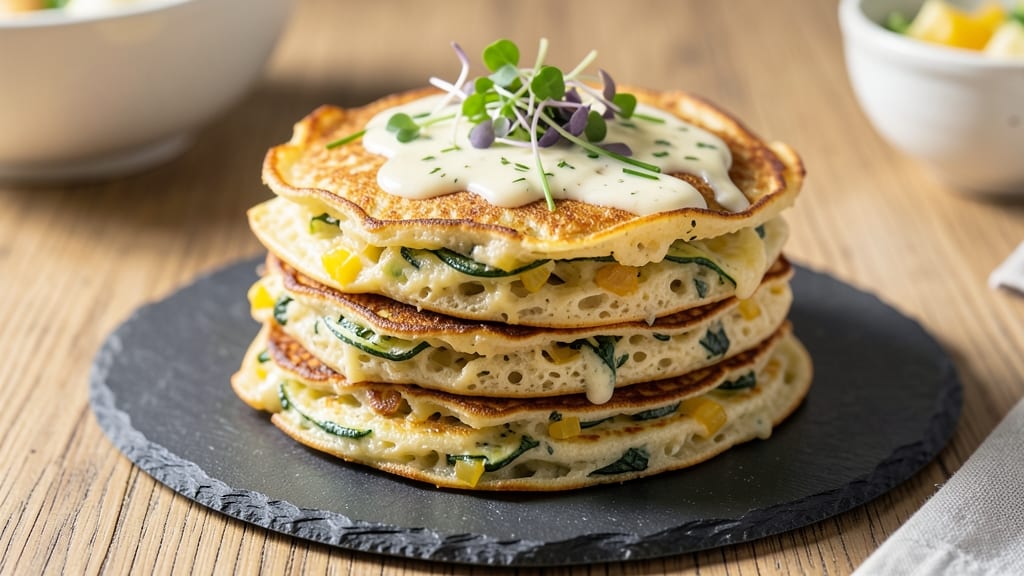
This vegetable egg pancake recipe transforms simple ingredients into savory stacks that hide nutritious greens while delivering restaurant-quality texture. The secret lies in blending finely chopped vegetables into a fluffy egg batter, creating golden, crispy pancakes with tender centers—no one will guess they're packed with veggies.
I developed this recipe after struggling to get my kids to eat vegetables, and it became our go-to breakfast solution.
The beauty of these pancakes is their versatility—use spinach, zucchini, bell peppers, or a mix of your favorite vegetables. The batter comes together in minutes with just eggs, flour, milk, and your chosen veggies, then cooks up in a hot pan for perfectly golden results.
They're crispy on the outside and soft inside, with a subtle savory flavor that makes them perfect for breakfast or brunch.
What makes these pancakes special is how they elevate everyday meals. Serve them with a dollop of sour cream, a drizzle of hot sauce, or a side of avocado for a satisfying meal that's both healthy and delicious.
The recipe is foolproof, and the pancakes freeze beautifully for quick breakfasts all week. Whether you're feeding a family or treating yourself to a special meal, these savory stacks deliver.
One of the best things about this recipe is its adaptability. Swap out vegetables for fruits like grated apples or zucchini for a sweet variation, or keep it strictly savory with mushrooms and onions.
The possibilities are endless, and the technique remains the same—simple, effective, and always impressive. Let's get started!
Ingredients for vegetable egg pancake
Simple staples plus a handful of veggies—this is your new go-to breakfast game-changer.
| Ingredient | Amount | Notes |
|---|---|---|
| Large Eggs 🥚 | 4 whole | Room temperature for best results |
| All-Purpose Flour 🌾 | 1 cup | White or whole wheat blend |
| Milk 🥛 | ¾ cup | Whole milk for richness |
| Fresh Spinach 🌿 | 2 cups | Chopped finely, stems removed |
| Zucchini 🥒 | 1 medium | Grated finely, excess liquid squeezed out |
| Yellow Onion 🧅 | ¼ cup | Finely diced, about 1 small onion |
| Salt 🧂 | ½ tsp | Kosher or sea salt |
| Black Pepper 🌶️ | ¼ tsp | Freshly ground preferred |
| Vegetable Oil 🫒 | 1 tbsp | For cooking, or use butter |
| Garlic Powder 🧄 | ¼ tsp | For extra savory flavor |
| Dried Parsley 🌿 | ¼ tsp | Optional, for garnish |
| Sour Cream 🥛 | ¼ cup | For serving, optional |
Spinach is the star here—baby spinach works best since it's tender and packs more flavor. Trader Joe's has the freshest bags, but any bright green leaves will do. Zucchini needs squeezing to remove water (wrap in a towel, press hard), or your pancakes will be soggy. The onion? Yellow or white both work—just dice it small so it blends right in. I always use whole milk for that extra richness, but any milk will work if that's what you've got. The eggs should be at room temperature for fluffier pancakes—just take them out 20 minutes before mixing.
No spinach? Kale or Swiss chard works in a pinch—just chop it extra fine. Zucchini too watery? Grate it, squeeze, repeat until it's dry. Want more flavor? Add a pinch of smoked paprika or fresh dill if you've got it. The pancakes are naturally savory, but a squeeze of lemon juice brightens them up. For serving, sour cream adds creaminess, but Greek yogurt or hot sauce works too. The batter's thick—if it feels too runny, add a splash more flour.
Make the batter ahead and refrigerate for up to 24 hours—it actually tastes better the next day. Cooking? Use medium heat and don't overcrowd the pan. They keep warm for 15 minutes on a wire rack. Freeze extras between parchment paper for up to 3 months. Reheat in a toaster or oven until crispy again. Pro tip: Stack them high—they're built to impress!
Why You'll Love This Recipe
- No-Waste Vegetable Use: I swear by this trick—grate that zucchini, squeeze out the excess water, and toss it right in. No peeling, no fancy prep, just raw veggie flavor folded into the batter. The spinach? Just wilt it in the pan for 30 seconds before mixing—no chopping, no fuss.
- Crispy-Creamy Magic: That first golden-brown edge on the pancake? Chef’s kiss. The eggs and milk create a tender center while the flour gives it just enough structure to hold up to dipping—think hot sauce, sriracha mayo, or even a sprinkle of feta. It’s the kind of texture that makes you go back for seconds without thinking.
- Breakfast or Dinner: Honestly, I make these for brunch, lunch, or even a quick dinner when I’m starving. Serve them with a fried egg on top for a hearty meal, or keep them simple with a side of avocado toast. They reheat beautifully too—just pop them in the toaster or air fryer for a crispy pick-me-up.
- Budget Meal Stretch: Between us, this recipe is my go-to for stretching groceries. Eggs, flour, and milk are pantry staples, and seasonal veggies (like zucchini or spinach) stretch the budget further. A dozen pancakes feed four people easily, and leftovers? They last in the fridge for days—just reheat and enjoy. No food waste, no guilt.
Step-by-step instructions for savory vegetable egg pancakes
Here's how to make fluffy, golden pancakes packed with veggies you won't even notice.
Prep All Vegetables Thoroughly
Start by washing and drying the 2 cups fresh spinach, then chop it finely and remove any tough stems. I like to use a sharp chef's knife and cut the leaves into small pieces—about the size of a dime. Next, grate the 1 medium zucchini using a box grater or food processor, then squeeze out all the excess liquid with a clean kitchen towel or cheesecloth. This step is crucial because too much moisture makes the pancakes gummy.
Finely dice the ¼ cup yellow onion into tiny pieces—you want them almost invisible in the final pancakes. The smaller the pieces, the more evenly they'll cook and the less texture contrast you'll notice. I find that dicing over a bowl helps keep everything contained. Set all prepped vegetables aside for now.
Whisk Wet Ingredients to a Smooth Batter
In a large mixing bowl, crack the 4 whole large eggs and add them along with the ¾ cup milk, ½ teaspoon salt, and ¼ teaspoon black pepper. Using a whisk or fork, beat these ingredients together until fully combined and slightly frothy. I like to let the eggs sit at room temperature for 10 minutes before mixing—they blend more smoothly when not straight from the fridge.
Add the 1 cup all-purpose flour, ¼ teaspoon garlic powder, and the prepped vegetables to the wet mixture. Stir gently with a spatula just until everything is incorporated—you should still see some flour streaks. Overmixing develops gluten and makes the pancakes tough. The batter should be thick but pourable, like heavy pancake batter. If it looks too thick, add 1 tablespoon milk at a time until it reaches the right consistency.
Heat the Pan and Cook Golden Pancakes
Heat a non-stick skillet over medium heat and add 1 tablespoon vegetable oil, swirling to coat the entire surface. The oil should shimmer but not smoke—if it smokes, let the pan cool slightly. Pour about ¼ cup batter into the center of the pan, then immediately sprinkle with ¼ teaspoon dried parsley for garnish. Let the pancake cook undisturbed for 2-3 minutes until the edges look set and bubbles form on the surface.
Here's the thing—don't press down on the pancake with your spatula. I know it's tempting, but this prevents proper browning. Instead, gently tilt the pan to let any excess oil pool toward the edges. When the bottom is golden brown and the top looks mostly set, carefully flip the pancake and cook for another 1-2 minutes until lightly browned on the second side. Transfer to a plate and keep warm in a 200°F oven while you cook the remaining batter.
Stack and Serve Warm
Once all pancakes are cooked, stack them neatly on a serving plate. The secret to perfect stacking is to place each pancake slightly off-center so they overlap nicely—this creates a beautiful presentation. Serve immediately with ¼ cup sour cream on the side for dipping. The pancakes should be golden brown on the outside with a soft, fluffy interior that's packed with hidden vegetables.
For extra flavor, I like to sprinkle additional dried parsley on top before serving. These pancakes are best enjoyed warm when they're at their most tender. If you have leftovers, store them in an airtight container in the refrigerator for up to 2 days, then reheat in a skillet over medium-low heat until warmed through.
Pro Tips For Making Vegetable Egg Pancake
- Squeeze Spinach Dry: I learned this the hard way—wet spinach makes your pancakes soggy and greasy. After chopping, wrap the leaves in a clean kitchen towel, squeeze hard, and wring out excess water like you’re wringing out a sponge. (Yes, even if you’re impatient like me.)
- Use Cold Milk: This isn’t the prettiest method, but it’s the tastiest. Cold milk blends smoother and keeps the batter from cooking too fast in the pan. Grab it straight from the fridge—no need to thaw or warm it.
- Medium Heat Only: High heat burns the outside before the inside cooks, leaving you with a crispy shell and a raw center. Medium heat lets the pancakes set evenly without sticking or flipping into a greasy mess.
- Grated Zucchini, Not Chopped: I was skeptical until I tried it—grating zucchini (no need to squeeze) blends it into the batter perfectly, so you don’t end up with chewy chunks. A box grater does this in seconds, and the texture is way smoother.
Troubleshooting this dish
Batter Too Thin?
If your batter feels runny, it’s likely because the zucchini released too much water or you added extra milk. The fix is simple: add 1 tablespoon all-purpose flour at a time, mixing gently until the batter thickens to a pourable consistency.
For extra insurance, squeeze any remaining moisture from the zucchini with a clean towel before mixing. I’ve found that whole wheat flour absorbs moisture better than white flour, so it’s a great swap if you’re struggling. 🥄
Pancakes Not Cooking Evenly
Uneven cooking usually happens when the pan isn’t hot enough or the batter isn’t distributed evenly. First, ensure your skillet is over medium heat—test it by flicking a drop of water, which should sizzle and evaporate quickly.
Pour the batter in small circles to create an even layer, and resist the urge to flip too soon. The pancakes are ready when the edges turn golden and bubbles form on top—this usually takes 2-3 minutes per side.
A non-stick skillet helps prevent sticking, but if you’re using cast iron, use a little more oil. 🔥
Vegetables Visible or Mushy
If your veggies are still noticeable or the pancakes turn out mushy, the chopping wasn’t fine enough. For next time, pulse your spinach and onions in a food processor for 3-4 seconds to break them down further.
Zucchini needs extra squeezing—wrap it in a clean kitchen towel, press firmly, and let it sit for 5 minutes to release moisture. If the pancakes are still too wet, spread them slightly thinner in the pan to help them crisp up. 🥒
Batter Separating
If your batter separates into a watery layer and thick clumps, it’s likely because the eggs and milk weren’t mixed thoroughly enough or the veggies were added too quickly.
Whisk the wet ingredients vigorously for 1-2 minutes before adding the flour and veggies, and mix just until combined—no need to overdo it. If separation happens mid-cook, stir the batter gently with a spatula to reintegrate any separated ingredients.
A splash of cold milk can also help bind things back together. 🥚
Pancakes Breaking When Flipping
Flipping failures usually mean the pancakes aren’t cooked enough on the bottom. Let them cook undisturbed for 3-4 minutes before attempting to flip—look for golden edges and bubbles on the surface. If they still break, your pan might not be hot enough.
Another trick is to loosen the edges with a spatula before flipping, then slide it underneath to lift gently. A well-seasoned cast iron skillet makes flipping much easier, but even non-stick pans work if you’re patient. 🍳
Storage Issues
If your pancakes turn soggy when reheating, they likely didn’t cool completely before storing. Let them sit at room temperature for 10-15 minutes after cooking to firm up. For reheating, use a skillet over medium-low heat for 1-2 minutes per side—this restores crispiness without drying them out.
If storing in the fridge, place parchment paper between layers to prevent sticking. For freezing, stack pancakes with parchment between each and freeze for up to 3 months. Reheat directly from frozen in a skillet for best results. ❄️
Nutrition facts
Frequently asked questions
Can I make these pancakes without eggs?
This recipe is designed with eggs as the base for fluffiness and binding, but you can substitute with ¼ cup ground flaxseed mixed with ¾ cup water (let sit for 5 minutes) for a vegan version. The texture will be denser, though. For a simpler swap, try 4 tablespoons cornstarch plus ½ cup water—whisk vigorously into the batter. Just be prepared for slightly firmer pancakes.
What vegetables work best in these pancakes?
Spinach and zucchini are the stars, but you can swap in grated carrots, finely diced bell peppers, or even mushrooms for extra umami. For a sweeter twist, try grated apple or pear—just reduce milk by 2 tablespoons to balance moisture. The key is chopping everything very finely so the veggies blend seamlessly.
How do I keep these pancakes from sticking to the pan?
Use a non-stick skillet and heat it over medium heat until a drop of water sizzles instantly. Add 1 tablespoon oil or butter and swirl to coat the pan completely. If your pan isn’t non-stick, use ½ tablespoon more oil and avoid moving the pancakes until the edges are set. A well-seasoned cast iron pan works too—just let it get hotter first.
Can I make these pancakes ahead of time?
Yes! Cook the pancakes and let them cool completely, then stack with parchment paper between each layer. Store in an airtight container in the fridge for 2 days or freeze for up to 3 months. To reheat, warm in a skillet over medium-low heat for 1-2 minutes per side until crispy again. For best texture, reheat from frozen without thawing.
Why are my pancakes dense instead of fluffy?
Overmixing the batter develops gluten, making pancakes tough. Whisk the wet ingredients just until combined, then fold in dry ingredients and veggies with a spatula—20 strokes max. Also, ensure your eggs are at room temperature (not cold) and use whole milk for richness. If the batter feels too thick, add 1 tablespoon milk at a time. Fluffiness comes from gentle mixing!