
Desserts
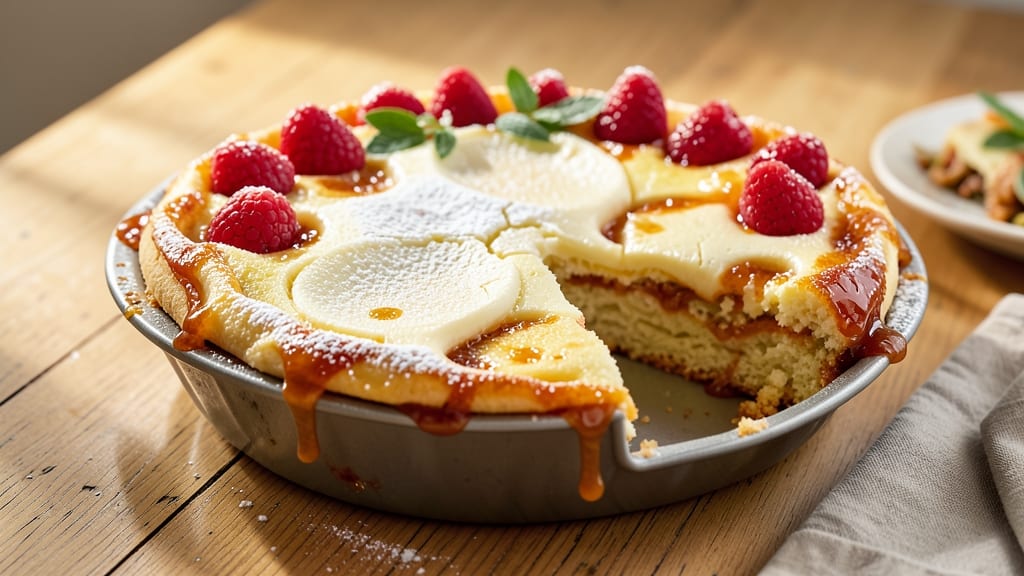
The Wilton Easter egg cake pan transforms a simple vanilla cake into a showstopping centerpiece with its signature sandpaper crunch and elegant swirls. This recipe delivers a crispy, golden shell that encases tender vanilla bean layers, creating texture and flavor that will impress even the most seasoned dessert lovers.
The pan’s unique design ensures even baking and that signature crunch, making every slice a celebration of Easter tradition.
What sets this recipe apart is the combination of a buttery, crispy exterior with a soft, vanilla-infused interior—achieved through precise layering and baking techniques. The Wilton pan’s ridges create those iconic egg-shaped patterns while ensuring the cake bakes evenly, eliminating the guesswork of traditional cake pans.
This dessert is perfect for Easter brunch, family gatherings, or any occasion where you want to serve something truly special.
Once baked, the cake’s crispy exterior gives way to tender layers of vanilla swirls, creating a delightful contrast in every bite. The sandpaper texture adds an unexpected crunch that pairs beautifully with the cake’s softness.
Decorate with buttercream swirls, fondant eggs, or fresh berries to enhance the festive look, and you’ll have a dessert that’s as delicious as it is visually stunning.
Whether you're a seasoned baker or trying this for the first time, this recipe delivers foolproof results with the Wilton pan’s help. The key is patience—allowing the cake to cool completely before removing it from the pan ensures clean slices and that perfect crunch.
Serve with a dollop of whipped cream or a dusting of powdered sugar for the ultimate Easter treat.
Ingredients for wilton easter egg cake pan
Twelve simple ingredients transform into a showstopping Easter centerpiece with crispy crunch and velvety swirls.
| Ingredient | Amount | Notes |
|---|---|---|
| All-Purpose Flour 🌾 | 3 cups | Sifted for light texture |
| Granulated Sugar 🍚 | 2 cups | Superfine preferred for smoothness |
| Vanilla Bean Paste 🌿 | 2 tbsp | High-quality for rich flavor |
| Unsalted Butter 🧈 | 1 ½ cups | Cold, cubed for crispy shell |
| Large Eggs 🥚 | 6 whole | Room temperature for even mixing |
| Milk 🥛 | 1 cup | Whole milk for richness |
| Baking Powder 🍞 | 2 tsp | Freshly opened for lift |
| Salt 🧂 | ½ tsp | Fine sea salt preferred |
| Powdered Sugar 🍚 | 2 cups | For buttercream filling |
| Vanilla Extract 🌿 | 1 tbsp | Pure vanilla for aroma |
| Heavy Whipping Cream 🥛 | 1 ½ cups | Cold for stable buttercream |
| Vanilla Bean Seeds 🌿 | 1 whole | Scraped from 1 vanilla bean |
The Wilton pan’s magic starts with cold butter—cut it into cubes and keep it chilled until mixing to guarantee that signature crispy shell. King Arthur or Gold Medal flour are my go-tos for this recipe (they’re sifted and consistent), but any all-purpose works. For the vanilla, Madagascar bourbon vanilla bean paste takes this to next-level flavor—split the bean, scrape the seeds, and save the rest for another recipe. The Wilton pan itself? Check local kitchen supply stores or online retailers like Williams Sonoma—they often have seasonal Easter bundles with decorating tips too.
No vanilla bean paste? Pure vanilla extract plus a pinch of sugar mimics the depth (use 1 tbsp extract + 1 tsp sugar). Out of heavy cream? Cool whipping cream works—just chill it longer before whipping. For the buttercream, powdered sugar should be sifted to avoid lumps, and room-temperature eggs blend smoother. Pro tip: If your buttercream curdles, just whisk in a splash of milk to rescue it. The baking powder is non-negotiable—Diamond Crystal brand is my favorite for consistent lift, but Bob’s Red Mill works too.
This cake tastes even better the next day as the flavors meld. Store covered at room temperature for 2 days, or refrigerate for up to 5 days (bring to room temp before serving). For longer storage, freeze slices wrapped tightly for 2 months—thaw overnight in the fridge. The Wilton pan’s ridges make unmolding easier, but tap gently to release clean slices. Decorate with fondant eggs or berries right before serving—this cake’s star is its texture contrast, not the frosting.
Why You'll Love This Recipe
- One-Bowl Wonder: I swear, this recipe is the kind of magic where you mix everything in one bowl—no fancy equipment, no stress. The Wilton pan does all the heavy lifting while you cream butter and sugar with vanilla paste, and suddenly you’ve got a showstopper with zero extra dishes.
- Vanilla Butter Bliss: That split vanilla bean paste? It’s the secret weapon—rich, aromatic, and just sweet enough to make the cake layers melt in your mouth. Honestly, I’ve tried imitation vanilla before, and this is night-and-day different. The butter keeps it tender without being heavy, and the eggs bind it all together like a dream.
- Showstopper Any Day: Between us, this cake looks fancy with zero effort. Whether it’s Easter brunch or a random Tuesday, the Wilton pan gives you those perfect egg shapes with minimal fuss. Frost it with cream cheese or dust with powdered sugar—either way, it’s the kind of dessert that makes people pause and say, “Wait, you made this?”
- Leftovers? More Like Leftovers Loved: The best part? This recipe actually makes more than you’ll eat in one sitting. I’ve sent slices to work with me, packed them for picnics, and even frozen half for lazy weekends. The texture stays moist, and the flavor only gets better the next day—no sad, dry cake here.
Step-by-step instructions for Wilton Easter egg cake pan recipe
This Wilton pan creates the perfect swirl cake with a crispy shell and tender interior—here's how to nail it every time.
Prepare the Wilton Pan and Preheat the Oven
Generously butter the Wilton Easter Egg Cake Pan with the 1.5 cups unsalted butter, making sure to coat every crevice and the removable bottom piece. This ensures easy release later. Place the pan in a 350°F oven for 10 minutes to preheat—this helps the batter climb the sides beautifully. While it heats, sift together the 3 cups all-purpose flour, 2 tsp baking powder, and 0.5 tsp salt into a medium bowl. Set aside.
Preheating the pan creates the ideal environment for the batter to rise evenly and develop that signature crispy shell. The butter coating also prevents sticking, which is especially important for the intricate egg shapes. I like to use a pastry brush to spread the melted butter evenly after the pan comes out of the oven—this gives an extra layer of protection.
Mix the Batter and Create the Signature Swirls
In a large mixing bowl, beat the 6 whole large eggs and 2 cups granulated sugar on medium speed until the mixture is pale and thick, about 5 minutes. Add the 2 tbsp vanilla bean paste and scrape the seeds from the 1 whole vanilla bean into the bowl, mixing until fully combined. This step is crucial for developing the cake's signature vanilla flavor and airy texture.
In a separate bowl, whisk together the 1 cup milk and melted 1.5 cups unsalted butter (melted and slightly cooled). Gradually add the dry ingredients to the egg mixture, alternating with the milk-butter mixture. Mix on low speed just until combined—overmixing develops gluten and makes the cake dense. Here's the fun part: divide the batter evenly between two separate bowls. One bowl gets the vanilla bean seeds scraped from the pod, creating the signature swirl pattern.
Bake the Cake to Golden Perfection
Carefully pour half of the vanilla-flavored batter into the preheated Wilton pan, then add a spoonful of the vanilla bean seed batter. Pour the remaining vanilla batter over it, then swirl gently with a knife to create marbled patterns. Tap the pan lightly on the counter to release any air bubbles. Bake in the 350°F oven for 50-55 minutes, or until a toothpick inserted in the center comes out clean and the top springs back when touched.
Real talk: don't open the oven before the 40-minute mark—the sudden temperature drop can cause the cake to sink. The cake is done when the edges pull away from the pan slightly and the top has a golden, slightly crackled appearance. If the top browns too quickly, tent the pan with foil after 30 minutes to prevent over-browning while still allowing the center to cook through.
Cool and Prepare the Buttercream Filling
Remove the cake from the oven and let it cool in the pan for 15 minutes, then invert it onto a wire rack to cool completely. While it cools, prepare the buttercream by beating the 1.5 cups heavy whipping cream and 2 cups powdered sugar with the 1 tbsp vanilla extract until smooth and fluffy. This filling should be light enough to pipe but thick enough to hold its shape—about 3-4 minutes of beating on medium speed should do it.
Here's where the magic happens: once the cake is completely cool, use a serrated knife to carefully slice it horizontally into two equal layers. Spread the buttercream evenly between the layers, then pipe additional buttercream onto the top layer for decoration. The contrast between the crispy exterior and tender, moist interior makes this cake truly special. Chill the assembled cake in the refrigerator for 1 hour before serving to let the flavors meld.
Pro Tips For Making Wilton Easter Egg Cake Pan
- Butter at Room Temp: I learned this the hard way—cold butter creates pockets of air in the batter, leading to uneven baking and a cake that collapses in the middle. Take the butter out of the fridge at least 2 hours before mixing, or pop it in a microwave for 10-second bursts until it’s soft but not melted. That Wilton pan has tight corners; you want the butter to blend smoothly.
- Sift the Flour Twice: The Wilton Easter egg pan’s intricate design means flour clumps can clog the fine details, ruining the texture. Sift the flour directly into the bowl before measuring, then sift it again after adding the dry ingredients. This keeps the batter light and ensures those delicate ridges and patterns stay crisp.
- Don’t Overmix the Batter: I used to beat the eggs and butter like I was trying to win a mixing contest—big mistake. Overworking the batter introduces too much air, causing the cake to sink or crack as it bakes. Mix just until the flour is barely incorporated, then stop. The Wilton pan’s tight spaces need a smooth, not overworked, batter to hold its shape.
- Bake with a Water Bath: This isn’t a fancy bundt cake, but the Wilton pan’s thick walls and intricate design still benefit from a moisture boost. Place the pan in a larger roasting dish, add 1 inch of hot water, and cover the pan loosely with foil. The steam keeps the exterior from drying out too fast, giving you a uniformly moist cake—especially crucial for those hard-to-reach egg shapes.
Perfect pairings for these flavors
Springtime Side Dishes
Brighten your Easter table with strawberry shortcake—whip up a batch of light vanilla sponge cake, layer with fresh strawberries macerated in 2 tbsp honey and 1 tsp lemon zest, and top with whipped cream.
The acidity of the berries cuts through the cake’s richness, while the honey adds a subtle sweetness that complements the vanilla. 🌸
Wine Pairings
For a sophisticated touch, serve sparkling wine like Prosecco or Champagne—its effervescence cleanses the palate between bites of the cake’s buttery crunch and creamy filling. If you prefer red, a light Pinot Noir from Oregon balances the cake’s sweetness with its earthy notes.
Avoid heavy, tannic wines that could overpower the delicate flavors.
Coffee and Tea
Pair your cake with Earl Grey tea—the bergamot’s citrusy aroma enhances the vanilla’s warmth, while the tea’s bitterness provides a refreshing contrast. For coffee lovers, a light roast like Colombian keeps the focus on the cake’s flavors without adding competing bitterness.
Serve with whipped cream for dipping to add another layer of indulgence.
Festive Garnishes
Elevate your cake’s presentation with edible gold leaf or crushed pistachios for a luxurious touch. A sprinkle of freeze-dried raspberries adds a tart crunch, while fresh mint leaves bring a pop of color and a refreshing aroma.
For a playful Easter twist, use pastel-colored sprinkles or mini chocolate eggs as decorative accents.
Make-Ahead Tips
Assemble the cake 1 day ahead and store it in an airtight container at room temperature—this allows the flavors to meld beautifully. If serving at a brunch, prepare the buttercream filling the night before and refrigerate it to make piping easier.
Reheat the cake slightly before serving if it’s been chilled for more than 4 hours to restore its crispy texture.
Nutrition facts
Frequently asked questions
Can I use a regular cake pan instead of the Wilton Easter egg pan?
The Wilton pan creates the signature sandpaper crunch and egg-shaped ridges that make this cake special. A regular round pan won't give you the same texture or shape, but you could try a springform pan for a similar effect—just bake at 325°F for 45-50 minutes and add a crumbly topping (like crushed graham crackers) to mimic the texture. The Wilton pan's ridges are what make this cake instantly recognizable!
Why does my cake come out dense instead of crispy?
Cold butter is key for that crispy shell! Make sure your 1.5 cups unsalted butter is cut into cubes and kept chilled until mixing. Also, don't overmix the batter—just combine until smooth. If your oven runs hot, reduce the temperature to 325°F and tent with foil after 30 minutes to prevent over-browning while allowing the center to cook through. Patience is crucial here!
How do I get the cake to release cleanly from the Wilton pan?
Generously butter the pan (including the removable bottom) and preheat it in the oven for 10 minutes before adding batter. After baking, let the cake cool in the pan for 15 minutes before inverting onto a wire rack. If it sticks, run a thin knife around the edges and gently tap the pan to loosen it. The Wilton pan's nonstick coating helps, but proper buttering is your best friend!
Can I make this cake without vanilla bean paste?
Replace the 2 tbsp vanilla bean paste with 1 tbsp pure vanilla extract plus 1 tsp sugar to mimic the depth of flavor. For the swirl effect, add a few drops of blue food coloring to one batch of batter (use a natural blue like spirulina powder for a healthier option). The contrast will still look beautiful!
How should I store leftovers?
Keep the cake in an airtight container at room temperature for up to 2 days—it actually tastes better as the flavors meld! For longer storage, refrigerate for up to 5 days or freeze slices wrapped tightly for 2 months. Let it sit at room temperature for 30 minutes before serving to restore that perfect crunch.