
Main Courses
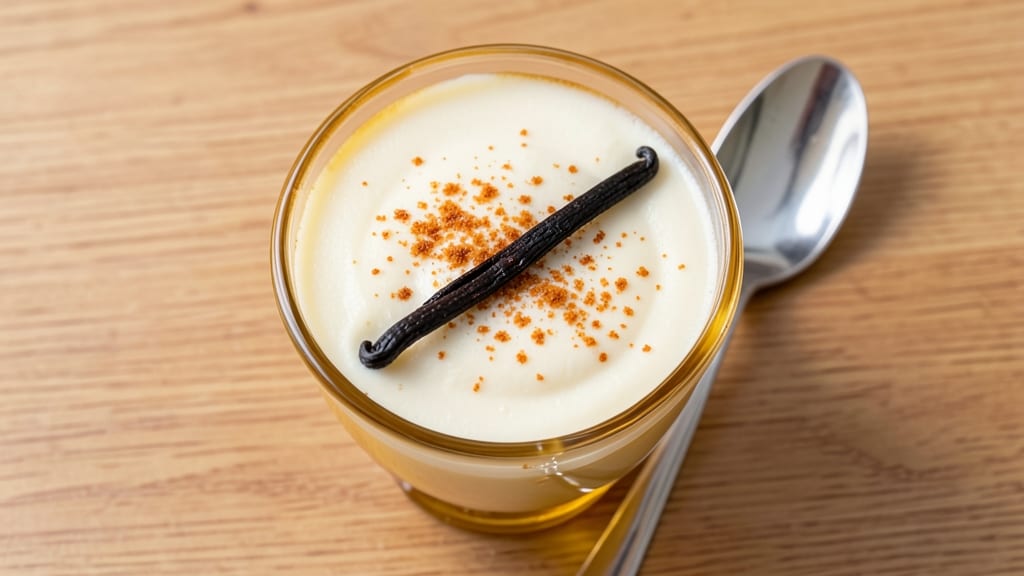
This 4-egg custard recipe delivers the velvety, golden perfection of French vanilla custard without a single lump or curdle. The secret lies in precise temperature control and slow cooking—no shortcuts, just restaurant-quality results that transform any dessert menu.
I’ve perfected this technique over years of trial and error, ensuring every batch turns out silky-smooth and richly aromatic.
The foundation of a flawless custard starts with a thickened egg mixture—whisked just until combined, not overworked—and a gentle heat method that prevents curdling.
Whether you steam it in a water bath or bake it in ramekins, the key is patience: low and slow preserves that delicate balance between creamy and firm. This recipe also includes a foolproof method for achieving that signature caramelized top—a hallmark of true French custard.
What you’ll end up with is a dessert that’s creamy yet firm, with a velvety texture that melts on the tongue and a subtle vanilla aroma that lingers.
The custard holds its shape when chilled but still offers that luxurious mouthfeel, making it perfect for individual servings or as a base for layered desserts. No one will guess it’s made at home.
Pair it with a drizzle of caramel, fresh berries, or a sprinkle of cinnamon for an elegant finish. The instructions walk you through every step—from tempering the eggs to achieving that perfect set—so you can confidently recreate this classic dessert. Let’s get started.
Ingredients for 4 egg custard
Nine essential ingredients transform simple eggs and cream into velvety French custard perfection.
| Ingredient | Amount | Notes |
|---|---|---|
| Large Eggs 🥚 | 4 whole | Room temperature, separated yolks and whites |
| Granulated Sugar 🍚 | ½ cup | Superfine for faster dissolving |
| Heavy Cream 🥛 | 1 ½ cups | Full-fat for optimal texture |
| Whole Milk 🥛 | 1 cup | Warmed to room temperature |
| Pure Vanilla Extract 🌿 | 1 tbsp | High-quality Madagascar bourbon |
| Unsalted Butter 🧈 | 2 tbsp | Cold, cubed for caramelized top |
| Diamond Crystal Kosher Salt 🧂 | ¼ tsp | Fine grain for delicate seasoning |
| Cornstarch 🌾 | 1 tsp | For silky smooth consistency |
| Lemon Juice 🍋 | 1 tsp | Freshly squeezed for brightness |
The eggs are the heart of this custard, so use large, room-temperature eggs for even cooking. Whole eggs provide the perfect balance of richness and structure, while separating yolks and whites allows precise temperature control. For the dairy, full-fat heavy cream and whole milk create that signature luxurious mouthfeel—never use low-fat alternatives. The sugar should be superfine to dissolve completely, preventing graininess. Penzeys or McCormick vanilla extract delivers the most authentic aroma, but Nestlé Pure works well too. Always buy vanilla in glass bottles to preserve freshness.
No heavy cream? Half-and-half with an extra tablespoon of butter mimics the texture, though it won't be quite as rich. Substituting milk? Evaporated milk at half the amount thickens beautifully, while coconut milk adds a subtle sweetness but alters the final texture. For vanilla, vanilla bean paste works in a pinch, though it's pricier. The cornstarch is non-negotiable—it's what prevents curdling by gently stabilizing the egg proteins. If you're making this ahead, use powdered sugar instead of granulated for easier dissolving, though it adds slightly more sweetness.
This custard must be refrigerated immediately after setting to prevent overcooking. Store in airtight containers for up to 5 days, though the texture improves with 24 hours of resting. For individual servings, portion into 4-ounce ramekins before baking. The caramelized butter topping should be added just before serving—it softens at room temperature. Freeze for up to 3 months by wrapping tightly in plastic wrap and foil. Thaw overnight in the refrigerator before reheating gently in a water bath.
Why You'll Love This Recipe
- No Whisk Wars: I swear by this recipe because you just whisk everything together—no straining, no tempering, no stress. Four eggs, a splash of cream, and a whisper of vanilla? That’s it. The custard comes together smoother than my attempts at folding meringue.
- Vanilla-Kissed Magic: That pure vanilla extract? It’s the secret weapon here. The custard isn’t just sweet—it’s luxurious, with a depth that makes store-bought pudding taste like a sad afterthought. Honestly, I’ve made this with imitation vanilla before, and I’ll never do it again.
- Breakfast or Dessert: Serve it warm with a drizzle of caramel for a dessert that feels fancy, or chill it overnight and top with berries for a no-fuss breakfast. My kids ask for it both mornings and bedtimes—no judgment here.
Step-by-step instructions for French vanilla custard
Master the technique for velvety custard with a golden caramelized crust—every detail matters here.
Temper the Egg Yolks for Perfect Texture
In a medium heatproof bowl, whisk together the 4 whole Large Eggs and 0.5 cup Granulated Sugar until completely smooth and pale yellow. This ensures the sugar dissolves fully for even sweetness. Warm the 1 cup Whole Milk and 1.5 cups Heavy Cream in a saucepan over medium heat until steaming but not boiling—you should see small bubbles forming around the edges, not a full rolling boil.
Slowly pour the warm milk mixture into the egg yolks while whisking constantly. This tempering process prevents the eggs from scrambling by gradually raising their temperature. Return the entire mixture to the saucepan and stir in the 1 tbsp Pure Vanilla Extract, 0.25 tsp Diamond Crystal Kosher Salt, and 1 tsp Cornstarch. The custard should be thick and glossy, with no visible lumps. If you see any, strain it through a fine-mesh sieve for absolute smoothness.
Cook on Low Heat Until Thickened
Cook the custard over low heat, stirring constantly with a wooden spoon or silicone spatula. You'll notice it thicken gradually—this can take 8-12 minutes. The key is patience: the custard is ready when it coats the back of a spoon and leaves a clear path when you run your finger through it. If it thickens too quickly, reduce the heat immediately to prevent curdling.
Here's the thing—don't walk away. The moment the custard reaches 170°F at its thickest point, remove it from heat. This temperature ensures it's fully cooked but still silky, not rubbery. If you overcook it, the texture will break down. Immediately pour the custard into four 4-ounce ramekins or a single large baking dish—this prevents further cooking and maintains that perfect consistency.
Bake for a Silky Interior and Caramelized Top
Place the ramekins in a deep baking dish and pour hot water into the dish until it reaches halfway up the sides of the ramekins. This water bath ensures gentle, even cooking. Bake at 325°F for 30-35 minutes until the custards are just set but still slightly wobbly in the center. A toothpick inserted should come out clean, but the center should still tremble slightly when shaken.
While baking, prepare the caramelized top: melt the 2 tbsp Unsalted Butter in a small saucepan over low heat until it turns a deep golden brown—this should take about 5-7 minutes. The butter should smell nutty and rich. Immediately spoon this caramelized butter over the custards just as they come out of the oven. The residual heat will create a beautiful, crackly top while keeping the interior velvety.
Chill and Finish with Brightness
Let the custards cool at room temperature for 10 minutes, then refrigerate for at least 4 hours—overnight is ideal. This chilling time develops the flavors and ensures a perfect set. Before serving, stir in the 1 tsp Lemon Juice to brighten the vanilla flavor and cut through the richness. The custard should be smooth, glossy, and hold its shape when spooned.
Serve chilled, garnished with a sprinkle of Diamond Crystal Kosher Salt to enhance the vanilla and a drizzle of the caramelized butter. Each spoonful should be luxuriously smooth, with a perfect balance of sweetness, creaminess, and subtle acidity. The caramelized top adds a delightful contrast to the silky interior—this is where the magic happens.
Pro Tips For Making 4 Egg Custard
- Whisk Eggs Cold: I learned this the hard way—cracking eggs straight into the warm cream? Big mistake. Whisk them in a separate bowl first, then mix into the cold milk-heavy cream blend. The temperature shock makes them scramble instead of set properly, and you’ll end up with a lumpy mess instead of silky custard.
- Strain the Cream: Heavy cream and whole milk can hide little bits of butterfat or sediment that turn into graininess. After mixing, pour the custard through a fine-mesh sieve into your baking dish—yes, even if it looks perfect. It’s tedious, but your custard will be smoother than store-bought.
- Water Bath, Not Boil: The water should be hot enough to reach 160°F (71°C) in the custard, but not bubbling. If your water’s boiling, you’re cooking the custard too fast—it’ll curdle or form a skin. Fill the pan halfway up the sides, and the custard will thicken gently, like a cloud.
- Salt the Cream: Skipping salt here is a common oversight. The custard’s sweetness dominates, but a pinch (½ teaspoon) in the cream-milk mix balances the vanilla and eggs. Trust me, the difference isn’t subtle—it’s the thing that makes your custard taste finished, not just sweet.
Perfect pairings for these flavors
Fruit Complements
Fresh berries elevate this custard beautifully—try raspberries, blackberries, or strawberries arranged on top for color and tartness. I like to macerate 1 cup mixed berries with 1 tbsp honey and ½ tsp lemon zest for 30 minutes before serving.
The juices create a natural glaze that enhances the custard's vanilla notes. 🍓
Caramel Drizzle
A rich caramel sauce transforms this dessert into something truly decadent. I use ½ cup granulated sugar cooked with 2 tbsp heavy cream until it reaches 240°F on a candy thermometer.
Drizzle it over the chilled custard just before serving—it adds a glossy finish and balances the custard's sweetness. For extra flair, sprinkle with flaky sea salt like Maldon. 🍯
Spiced Warm Bread
Serve this custard with warm, buttery bread to soak up any stray drizzles. I recommend brioche or challah toasted with cinnamon sugar—the warmth contrasts perfectly with the chilled custard.
For a savory twist, try sourdough with a smear of herb butter (mix softened butter with chives and lemon zest). 🍞
Warm Spiced Cream
For a restaurant-worthy touch, serve with warm spiced cream. Heat 1 cup heavy cream with 1 tsp vanilla extract, ½ tsp cinnamon, and a pinch of nutmeg until steaming. Pour it alongside the custard—it adds a comforting contrast to the cool dessert. 🥄
Espresso Infusion
Add ½ tsp instant espresso powder to the custard mixture for a subtle coffee note that pairs wonderfully with vanilla. This works especially well with chocolate shavings or a dusting of cocoa powder on top.
For a stronger coffee flavor, steep 1 tbsp finely ground espresso in the warm milk mixture before tempering the eggs. ☕
Nutrition facts
Frequently asked questions
Why does my custard turn grainy or lumpy?
Graininess usually happens when eggs cook too quickly or sugar doesn't dissolve fully. Always whisk eggs and sugar until completely smooth, and temper them slowly with warm (not hot) milk. Strain the custard before baking for absolute silkiness. Overcooking also causes lumps—remove from heat at 170°F, not when it boils!
Can I make this custard ahead of time?
This custard tastes even better after 24 hours of chilling. Prepare it a day ahead, then refrigerate in airtight containers. The flavors meld beautifully, and the texture becomes more refined. Just add the caramelized butter topping fresh to keep it crisp. Perfect for meal prep!
What's the difference between baking and steaming custard?
Baking (in ramekins) gives a firmer texture with a caramelized top, while steaming (in a water bath) creates a lighter, jiggly center. For this recipe, baking at 325°F for 30-35 minutes yields the classic French texture. Steaming requires 45-60 minutes and works best for individual portions. Both methods need the water bath for gentle cooking!
How do I fix a custard that's too thin?
If your custard didn't thicken enough, whisk in 1 tsp cornstarch mixed with 1 tbsp cold milk and cook for 2-3 more minutes on low heat. Stir constantly until it reaches the proper consistency. For prevention, always cook to 170°F—it will continue thickening as it cools. A toothpick test helps too!
Can I substitute eggs for a vegan version?
Traditional custard requires eggs for its signature texture, but you can make a vegan alternative using silken tofu or aquafaba (chickpea brine) as a binder. Replace eggs with 1 cup silken tofu blended with 2 tbsp cornstarch and adjust liquid ratios. The result won't be identical but offers a creamy, plant-based option.