
Beverages
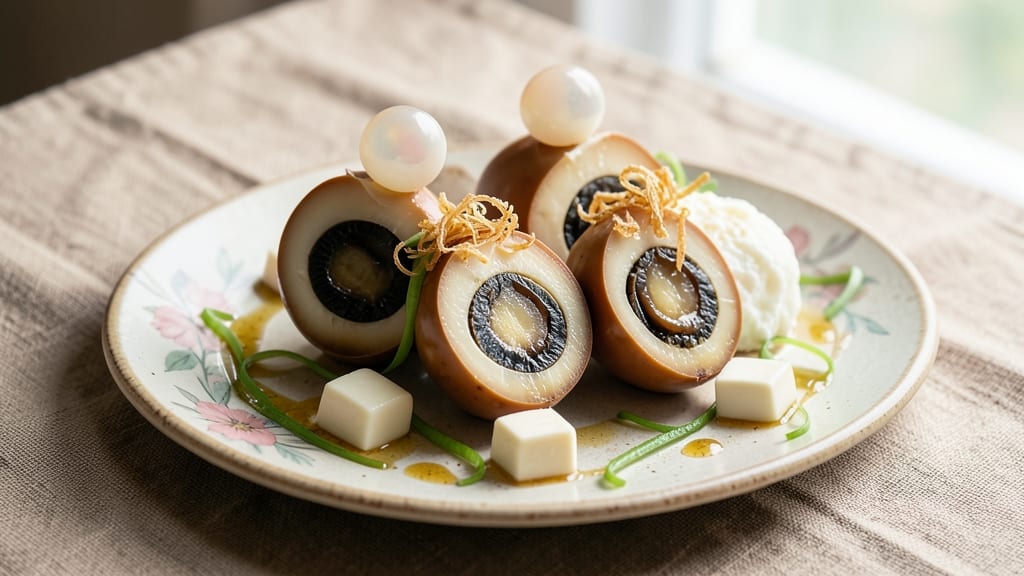
This steam egg with century egg recipe transforms humble ingredients into a luxurious dish that balances delicate textures and bold umami flavors.
The marriage of silky steamed eggs and rich, preserved century eggs creates a harmony that's both traditional and deeply satisfying—every bite delivers a perfect contrast of smooth and creamy with intense, savory depth.
I've refined this recipe to achieve that signature restaurant-quality result at home, where the secret lies in precise steaming techniques and careful flavor balancing.
The foundation of this dish begins with properly steamed eggs—whether you use quail eggs for delicate bites or silken tofu for a vegetarian twist—which develop their signature custard-like texture when cooked just right.
Meanwhile, century eggs, with their distinctive dark shells and complex flavor profile, bring an unmistakable depth that anchors the dish. The key is in the sauce: a delicate balance of vinegar, sugar, and ginger that enhances rather than overpowers the natural flavors of both components.
What you'll end up with is a dish that's equally impressive as a main course or elegant appetizer—each spoonful offering a perfect harmony of textures and flavors. The steamed eggs maintain their silky smoothness while the century eggs add a rich, almost meaty umami that lingers on the palate.
This recipe preserves the authenticity of traditional Chinese cuisine while offering modern flexibility in presentation, making it perfect for both special occasions and everyday indulgence.
Whether you're serving this as part of a multi-course meal or enjoying it as a comforting solo dish, the careful balance of ingredients and techniques ensures consistent results every time.
The beauty of this recipe lies in its simplicity—just a few key components coming together to create something truly extraordinary. Let's bring this luxurious dish to your table.
Ingredients for steam egg with century egg
Just twelve ingredients transform into a luxurious dish where umami and silkiness collide.
| Ingredient | Amount | Notes |
|---|---|---|
| Century Eggs 🥚 | 4 whole | Preserved, dark-shelled eggs |
| Quail Eggs 🥚 | 8 whole | Fresh, for delicate texture |
| Silken Tofu 🍲 | 1 block | Firm, for vegetarian option |
| Rice Vinegar 🍶 | ¼ cup | Seasoned, for balance |
| Granulated Sugar 🍚 | 2 tbsp | Fine, for sweet-savory |
| Fresh Ginger 🧄 | 1 tbsp | Grated, for aromatic depth |
| Sesame Oil 🫒 | 1 tbsp | Toasted, for nutty aroma |
| Light Soy Sauce 🥢 | 1 tbsp | For umami richness |
| Green Onions 🧅 | 3 whole | Thinly sliced, for garnish |
| Vegetable Oil 🫒 | 2 tbsp | For steaming setup |
| Salt 🧂 | ½ tsp | Fine sea salt |
| White Pepper 🌶️ | ¼ tsp | Freshly ground |
| Cornstarch 🌾 | 1 tsp | For tofu coating |
Century eggs are the star—look for that signature dark shell at Asian markets or specialty grocers. They should feel firm but yield slightly when pressed. Trader Joe's often carries them, but if you can't find them, substitute preserved duck eggs for a similar depth. Quail eggs are delicate, so handle them gently. For the silken tofu, Kite Hill or Nasoya brands work best—they're firm enough to hold shape when steamed. Fresh ginger is non-negotiable here; jarred loses its punch. Toast your sesame oil in a dry pan for 30 seconds before using—this releases the nutty aroma that makes this dish sing.
No century eggs? Preserved duck eggs or even high-quality black garlic can add depth, though the texture won't be identical. Swap quail eggs for chicken eggs if needed, but increase the steaming time by 2 minutes. For a vegan version, the silken tofu is your best bet—press it for 15 minutes first to remove excess water. The sauce can be prepped ahead; store it in the fridge for up to 5 days. If you're short on rice vinegar, apple cider vinegar plus 1 tsp sugar works in a pinch. The green onions should be washed and dried thoroughly to prevent sogginess when garnishing.
Century eggs keep for months in their brine—just rinse before using. Quail eggs last 1 week in the fridge, while silken tofu stays fresh for 5 days in water. The sauce components (vinegar, sugar, ginger) can be mixed 3 days ahead; add the sesame oil and soy sauce just before serving to preserve freshness. For a restaurant-worthy presentation, serve the steamed eggs in small ceramic bowls with century egg halves arranged on top. Leftovers? The steamed eggs reheat beautifully in a steamer basket over boiling water—just 2 minutes to restore that silky texture.
Why You'll Love This Recipe
- Five-Minute Steam: I swear, this dish is that quick—just slice century eggs, nestle quail eggs in tofu, and steam. No chopping, no fuss, just hands-off magic while you stir-fry something else or even watch a show.
- Umami Bomb: That first bite? The century egg’s jelly-like yolk meets the quail egg’s tender center, all balanced by the silken tofu’s silkiness and a drizzle of rice vinegar. It’s like a flavor explosion in your mouth—savory, tangy, and just sweet enough.
- Lunchbox Hero: Between us, this is my go-to for packed lunches or last-minute dinner guests. The tofu holds up perfectly, the eggs stay intact, and the vinegar-sugar dressing keeps it fresh for hours. (Yes, even on a Tuesday night.)
- Budget Luxury: Century eggs are pricey, but a few go a long way here. One batch feeds four, and leftovers reheat beautifully—just a quick steam to revive the tofu’s texture. It feels fancy without breaking the bank.
Step-by-step instructions for steam egg with century egg
Transform simple ingredients into a luxurious, umami-rich dish with this precise technique.
Prepare the Century Eggs for Maximum Flavor
Begin by rinsing the 4 whole Century Eggs under cool running water to remove any surface residue. Using a small knife or egg slicer, carefully cut each egg in half lengthwise—this preserves their distinctive marbled yolk and jelly center. Place the halves in a shallow dish and set aside. The dark, gelatinous yolk and jelly will release their signature umami depth when steamed.
Real talk: Century Eggs have a strong, funky aroma. Don't let that intimidate you—it's the key to their complex flavor profile. If you're sensitive to smells, work near an open window or wear gloves while handling them. The aroma dissipates completely during cooking, leaving only the rich, savory essence.
Create the Silken Tofu and Sauce Base
In a small bowl, combine the 1 block Silken Tofu, 1 tbsp Light Soy Sauce, 1 tbsp Sesame Oil, 1 tbsp Fresh Ginger, and 0.5 tsp Salt. Using a fork, gently mash the tofu until it reaches a smooth, spreadable consistency—you want it creamy but still slightly textured. Set this mixture aside while you prepare the remaining components.
In a separate small bowl, whisk together the 0.25 cup Rice Vinegar, 2 tbsp Granulated Sugar, and 0.25 tsp White Pepper until the sugar dissolves completely. This tangy-sweet marinade will balance the deep umami of the Century Eggs. Taste the mixture—it should be bright and slightly sweet with a hint of peppery warmth. Adjust the sugar if needed, but don't overdo it; the Century Eggs will contribute enough richness.
Steam the Quail Eggs to Perfect Doneness
Fill a large pot with 2 inches of water and bring to a gentle simmer over medium heat. Place a steamer basket inside and add the 8 whole Quail Eggs, spacing them evenly. Cover and steam for exactly 6 minutes—this ensures the yolks remain runny while the whites set completely. Overcooking will turn the yolks rubbery, which defeats the purpose of this delicate dish.
While the eggs steam, prepare your serving bowls. Arrange the Century Egg halves in each bowl, jelly-side up. The dark yolk and jelly should be visible and intact. The visual contrast between the Century Egg's deep marbling and the pristine Quail Eggs creates an impressive presentation that's almost as good as the flavor.
Assemble the Layered Steam Eggs
Using a slotted spoon, carefully transfer the steamed Quail Eggs to the bowls containing the Century Egg halves. Gently crack each egg open directly into the bowl—this preserves the runny yolk and keeps everything contained. The contrast between the delicate Quail Eggs and the bold Century Eggs is what makes this dish so special.
Spoon the silken tofu mixture over the eggs, spreading it evenly to coat both the Century and Quail Eggs. Drizzle the rice vinegar mixture generously over the tofu layer. The acidity will cut through the richness and brighten the entire dish. Sprinkle with thinly sliced Green Onions for a final touch of freshness and color.
Finish with Toasted Sesame Oil and Serve Immediately
Heat 1 tbsp Sesame Oil in a small pan over low heat until it just begins to shimmer—this enhances its nutty aroma without burning. Immediately drizzle this toasted oil over each bowl. The aroma will fill your kitchen, signaling that the dish is ready to be enjoyed.
Serve immediately while the Quail Egg yolks are still runny and the tofu mixture is warm. Each bite should deliver a perfect balance of textures—creamy tofu, delicate Quail Egg, and the intense umami of Century Egg—all harmonized by the bright, tangy sauce. This dish is best enjoyed fresh, so don't let it sit for more than 5 minutes before serving.
Pro Tips For Making Steam Egg With Century Egg
- Prep Century Eggs First: Slice the century eggs before starting the steam—this lets their briny flavor infuse the dish faster. I used to add them whole, and the center stayed too dense; pre-slicing guarantees even distribution of that signature black jelly.
- Steam at Medium-High: Don’t go full blast—medium-high heat keeps the quail eggs tender without turning them rubbery. I learned this after overcooking a batch and ending up with sad, gray yolks instead of silky custards.
- Drain Silken Tofu Well: Press it between paper towels for 10 minutes to remove excess moisture, or your steam egg will turn into a watery puddle. Sounds tedious, but trust me—this is the thing that matters most for texture.
- Balance Vinegar and Sugar: Taste the dressing before adding it to the eggs—too much vinegar makes the quail eggs curdle, while too little sugar flattens the flavor. Start with a 3:1 sugar-to-vinegar ratio, then adjust. (Yes, even if you’re impatient like me.)
Serving suggestions for this dish
Classic Chinese Presentation
Serve this dish in traditional small ceramic bowls with century egg halves arranged jelly-side up at the center. Place the steamed quail eggs atop the century eggs, then spoon the silken tofu mixture around them.
The contrast of dark century egg against the pristine quail eggs creates stunning visual appeal. Garnish with thin green onion slices fanned around the edges for a pop of color and freshness. 🥚
Modern Fusion Plating
For a contemporary twist, serve the layered eggs in miniature cast-iron skillets or clear glass bowls to showcase the vibrant colors. Drizzle the toasted sesame oil in artistic swirls and add crispy fried shallots for texture.
This presentation works beautifully for brunch or as a showstopping appetizer at dinner parties. The key is keeping the components distinct while creating visual harmony.
Beverage Pairings
Pair this umami-rich dish with a lightly sparkling jasmine tea to cleanse the palate between bites. For a boozy option, serve with dry Riesling or sake—both complement the dish's balance of sweet, sour, and savory flavors.
Avoid heavy wines that would overpower the delicate textures. A cold green tea latte also works wonderfully for a caffeine-friendly option. 🍶
Side Dish Harmony
Serve with steamed jasmine rice or warm mantou buns to soak up any remaining sauce. For extra texture, add quick-pickled cucumbers or blistered shishito peppers on the side.
These sides provide contrast without competing with the dish's star ingredients. The rice acts as a neutral base that lets the eggs shine.
Family-Style Sharing
Prepare this dish in a large communal bowl for sharing—it's perfect for gatherings. Let everyone assemble their own portions with the quail eggs, century egg halves, and tofu mixture. Provide small bowls of the vinegar sauce and toasted sesame oil on the table for customization.
This interactive approach makes it ideal for potlucks or holiday feasts. The communal aspect enhances the experience while keeping prep simple. 💫
Leftovers Reinvented
Use leftover components to create steamed egg rolls or century egg fried rice the next day. Simply pan-fry the quail eggs with century egg pieces, tofu, and rice for a quick meal.
Store components separately in the fridge for up to 3 days—the century eggs keep well in their brine, while quail eggs should be used within 2 days. Reheat the tofu mixture gently in a steamer to maintain its silky texture. 🔥
Nutrition facts
Frequently asked questions
What makes century eggs so special in this recipe?
Century eggs bring an intense, savory umami depth that perfectly balances the delicate steamed eggs. Their dark yolk and jelly create a striking visual contrast while adding a funky, briny flavor that elevates the dish. The preservation process gives them their signature texture and complex taste—something you can't replicate with regular eggs!
Can I substitute quail eggs with chicken eggs?
Yes, but you'll need to adjust the cooking time. Chicken eggs should steam for 9-10 minutes instead of 6 minutes to achieve a similar custard-like texture. The yolks will be slightly firmer, but the dish will still be delicious. For best results, use extra-large eggs and reduce the quantity to 4-5 instead of 8 quail eggs to maintain proper portion sizes.
How do I know when the quail eggs are perfectly steamed?
The eggs are done when the whites are fully set but the yolks remain runny and slightly wobbly. Gently shake the steamer basket—if the yolks jiggle slightly but don't move freely, they're perfect. Overcooking by even 1 minute will turn the yolks rubbery, which ruins the dish's delicate texture. A small knife inserted into the center should meet slight resistance but not feel firm.
What if I can't find century eggs?
Try preserved duck eggs as your next best option—they offer similar umami depth. In a pinch, you can use high-quality black garlic (minced) or even fermented black beans for a subtle funky flavor, though the texture won't be identical. The dish will still work, but the century egg's signature jelly center will be missing. For a vegetarian option, preserved mushrooms can add depth, though they lack the same complexity.
Can I make this recipe ahead of time?
You can prepare all components except the quail eggs up to 3 days ahead. Store century egg halves in their brine, the tofu mixture in an airtight container, and the vinegar sauce separately. Steam the quail eggs fresh before serving—they're best enjoyed immediately after cooking when the yolks are perfectly runny. Reheat the tofu mixture gently in a steamer for 2 minutes to restore its silky texture if needed.