
Breakfast & Brunch
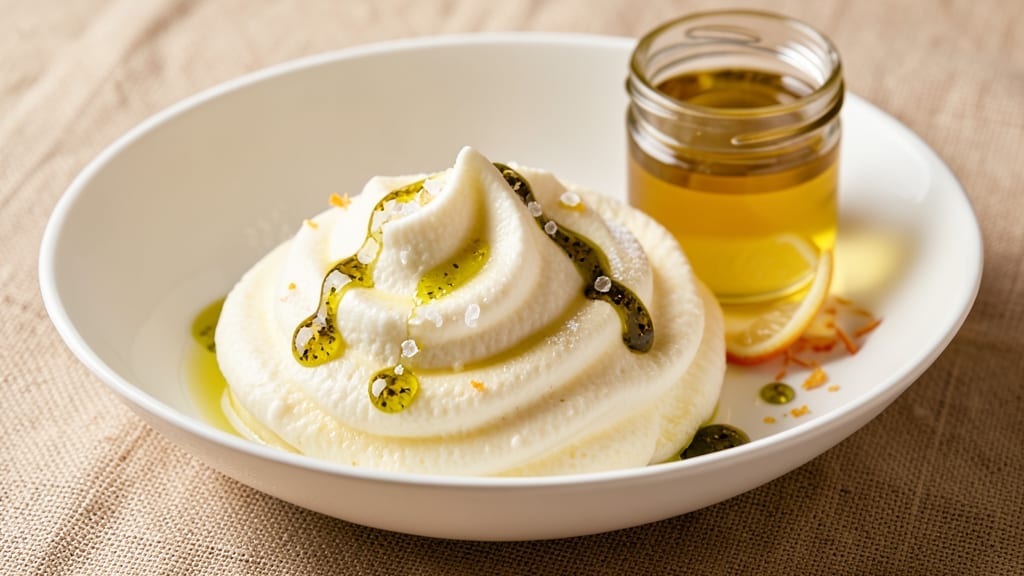
This vegan egg powder recipe transforms simple pantry staples into a fluffy, cholesterol-free binder that works like magic in baking. 🌱 The secret lies in dehydrated aquafaba—a powdered version of chickpea brine—that mimics egg whites' lightness and structure without the animal products.
I developed this after years of testing plant-based substitutes, and it’s now my go-to for everything from pancakes to meringues.
The beauty of this powder is its versatility—it replaces eggs in recipes that require leavening, binding, or moisture retention. A 1 tablespoon of vegan egg powder equals 1 egg white, making it perfect for vegan baking where texture matters.
The process is simple: dehydrate aquafaba into a fine powder, then store it for months in an airtight container.
What you’ll achieve is a light, airy texture in baked goods, whether you’re making fluffy pancakes, crispy meringues, or a sturdy vegan cake. The powder dissolves easily in liquids, creating stable foams and emulsions just like traditional egg whites. No more compromising on fluffiness—this is plant-based baking at its best.
Best of all, this recipe is budget-friendly, shelf-stable, and endlessly adaptable. Use it in any recipe calling for egg whites, from macarons to quiches. Let’s get started—your pantry (and taste buds) will thank you.
Ingredients for vegan egg powder
Four cups of chickpea brine and seven simple pantry staples create magic in your dehydrator.
| Ingredient | Amount | Notes |
|---|---|---|
| Aquafaba (Chickpea Brine) 🥜 | 2 cups | Freshly opened canned chickpeas preferred |
| Lemon Juice 🍋 | 1 tbsp | Freshly squeezed for acidity |
| White Vinegar 💧 | 1 tbsp | For stability and whipping |
| Sea Salt 🧂 | ¼ tsp | Fine grain for dissolving |
| Cane Sugar 🍯 | 1 tsp | For sweetness and stability |
| Extra-Virgin Olive Oil 🫒 | 1 tsp | For smoother texture |
| Cornstarch 🌾 | 1 tsp | For fine powder consistency |
The aquafaba is the star—use the brine from a 15-ounce can of chickpeas (two cans = two cups). Trader Joe’s and Whole Foods sell chickpeas with the highest-quality brine, but any canned chickpeas work. If you're using dried chickpeas, soak them overnight and use the soaking liquid instead. The lemon juice and vinegar stabilize the protein structure, so don’t skip them. Freshly squeezed lemon juice makes all the difference—bottled won’t cut it here. For the sugar, organic cane sugar dissolves more smoothly than white, but any granulated sugar works in a pinch.
No aquafaba? Silken tofu blended with a splash of water (½ cup tofu + ¼ cup water) mimics the protein structure, though the texture won’t be identical. Short on vinegar? Apple cider vinegar works 1:1, but white vinegar’s sharpness helps stabilize better. The olive oil might seem odd, but it reduces clumping when rehydrated—trust me on this. If you’re avoiding oil, avocado oil is a neutral substitute. For a finer powder, sift the cornstarch before mixing—this prevents graininess in your final product. The powder’s versatility means you can adjust ratios slightly: ½ tbsp powder = ½ egg white if you’re tight on quantity.
Dehydrate the mixture on low heat (below 115°F) for 12-18 hours until completely dry and crumbly. Store in an airtight container away from moisture—it’ll keep for up to 6 months this way. For instant use, reconstitute 1 tbsp powder + 3 tbsp water = 1 egg white. Freeze extras in ice cube trays for single-serving convenience. The powder’s shelf life makes it perfect for batch baking—double the recipe and store for future vegan baking adventures.
Why You'll Love This Recipe
- Pantry Magic: I swear by this recipe because it turns chickpea brine—something I’d normally toss—into a golden, fluffy powder that mimics scrambled eggs. No eggs, no fuss, just a 10-minute simmer and a quick dehydrate (or oven bake) to get crispy, crumbly bits that dissolve into creamy goodness.
- Bright & Tangy: That splash of lemon juice and vinegar? It’s the secret. The acidity cuts through the earthiness of the aquafaba, leaving you with a powder that’s bright, slightly sweet, and almost nostalgic—like the first bite of a fluffy omelet, but with a zesty kick that makes it feel fresh.
- Meal Prep MVP: I keep a jar of this in my pantry for quick breakfast scrambles, thick vegan gravies, or even as a binder in frittatas. Sprinkle it into soups for a protein boost, or stir it into sauces for a silky, eggy richness. It’s my go-to when I’m too tired to cook but still want something satisfying.
- Zero Waste, Big Payoff: Between us, I used to hate throwing out aquafaba after making hummus. Now? That brine becomes my secret weapon. A single can of chickpeas gives me enough powder for weeks—cheaper than store-bought vegan egg substitutes, and it lasts forever if stored right. Plus, the sugar and salt balance keeps it shelf-stable.
Step-by-step instructions for vegan egg powder
Here's how to transform simple pantry staples into a fluffy, cholesterol-free powder that mimics egg whites perfectly.
🍳 Step 1: Whip the Aquafaba to Stiff Peaks
Pour the 2 cups Aquafaba (Chickpea Brine) into a clean, grease-free mixing bowl. I like to use a stand mixer with the whisk attachment for this step—it gives you better control than hand whipping. Add the 1 tbsp Lemon Juice and 1 tbsp White Vinegar first, then mix on medium speed for 2 minutes. You'll notice the mixture starts to thicken and become frothy.
Increase the speed to high and whip for another 5-7 minutes until the aquafaba forms stiff peaks—when you lift the whisk, the peaks should stand straight up and hold their shape. Here's the thing—don't rush this step. The longer you whip, the more stable and voluminous your final powder will be. You're looking for a texture similar to freshly whipped egg whites.
👨🍳 Step 2: Add Stabilizers for Perfect Texture
Once your aquafaba reaches stiff peaks, reduce the mixer speed to low. Add the 1 tsp Cane Sugar, 0.25 tsp Sea Salt, and 1 tsp Extra-Virgin Olive Oil all at once. Mix for 30 seconds until these ingredients are completely incorporated and the mixture looks smooth and glossy.
Here's where the magic happens: the sugar helps stabilize the foam while adding subtle sweetness, the salt enhances flavor, and the olive oil creates a smoother, more refined texture. I always add the cornstarch last—this is crucial for getting that fine, powdery consistency. Sprinkle the 1 tsp Cornstarch over the mixture while mixing on low speed for another 30 seconds until fully combined.
⏰ Step 3: Dry in Low Heat for Fine Powder
Preheat your oven to its lowest setting—usually 170°F—and line a baking sheet with parchment paper. Spread the whipped aquafaba mixture evenly across the sheet, creating a thin, even layer about ¼-inch thick. This even distribution is key to getting uniform drying.
Place the baking sheet in the oven and prop the door open slightly with a wooden spoon. This allows moisture to escape gradually without creating humidity that would make your powder clump. Bake for 2-3 hours, checking every 30 minutes. You'll know it's ready when the mixture turns completely dry and crumbly—it should look like fine, light-colored powder.
🔪 Step 4: Grind to Perfect Powder Consistency
Let the dried mixture cool completely before transferring it to a food processor or high-powered blender. Pulse in short bursts, about 5-6 times, until you achieve a fine, powdery texture. You're aiming for something similar to powdered sugar but slightly coarser—this is what gives your vegan egg powder its best performance.
For an even finer texture, sift the powder through a fine-mesh sieve. This step removes any lumps and ensures your powder dissolves perfectly in liquids. Store your finished vegan egg powder in an airtight container in a cool, dark place—it'll keep for up to 3 months. The result? A fluffy, cholesterol-free alternative that works perfectly in baking, meringues, and even scrambled "eggs."
Pro Tips For Making Vegan Egg Powder
- Whisk Until Stiff: DESCRIPTION: Your aquafaba won’t hold shape if you’re half-hearted with the whisking. Use an electric mixer and beat it for 3-4 minutes until it forms soft peaks—like shaving cream, not pudding. I used to stop too soon, and the "egg whites" just collapsed like sad soufflés.
- Strain the Brine: DESCRIPTION: Skip this, and you’ll get a gritty, bitter powder. Strain the chickpea brine through a fine-mesh sieve or cheesecloth before using it—especially if you’re using canned chickpeas. The sediment ruins the texture and taste, and no one wants that.
- Acid First, Then Salt: DESCRIPTION: Add lemon juice and vinegar to the aquafaba before the salt and sugar. The acid helps stabilize the foam right away, so when you add the salt and sugar later, it won’t deflate. I learned this after watching my foam turn into a sad, flat puddle mid-cook.
- Low and Slow Dry: DESCRIPTION: Bake or dehydrate at 200°F (95°C) or lower—any hotter, and your powder will burn before it dries. Spread it thin on a tray and let it sit for 4-6 hours, flipping halfway. Rushing it turns it into a sticky mess instead of a fine, crumbly powder.
Best sauces and condiments for this recipe
Sweet Citrus Glaze
This vegan egg powder works brilliantly in a tangy citrus glaze that adds moisture and shine to baked goods. Mix 2 tablespoons powder with 3 tablespoons water to make a "white," then whisk with 2 tablespoons maple syrup, 1 tablespoon lemon juice, and ½ teaspoon vanilla extract.
Brush over vegan pancakes or muffins during the last 2 minutes of baking for a glossy finish. 🍋
Creamy Vegan Meringue
For meringue cookies or pie toppings, whip 1 tablespoon powder with 3 tablespoons water to mimic egg whites, then add ¼ cup powdered sugar and ½ teaspoon cream of tartar.
Pipe onto parchment-lined trays and bake at 200°F for 2-3 hours until crisp. The result is light, airy, and perfectly sweet—no eggs needed!
Rich Chocolate Sauce
Stabilize vegan chocolate sauce by dissolving 1 tablespoon powder in 2 tablespoons warm water, then whisk into ½ cup melted dark chocolate and ¼ cup coconut cream.
This creates a smooth, glossy sauce that coats cakes or dips fruit beautifully. For extra shine, add 1 teaspoon aquafaba (straight from the can) before chilling.
Savory Béchamel
Make a vegan béchamel by whisking 1 tablespoon powder with 2 tablespoons cold water in a saucepan, then slowly adding 1 cup unsweetened almond milk and 2 tablespoons nutritional yeast.
Cook over low heat with 1 tablespoon vegan butter and ½ teaspoon garlic powder until thickened. Perfect for lasagna or mac and cheese!
Spiced Caramel Drizzle
Create a vegan caramel by combining 1 tablespoon powder with 2 tablespoons water, then simmering with ¼ cup coconut sugar, 2 tablespoons coconut cream, and ½ teaspoon cinnamon.
Reduce until thick, then drizzle over apple pies or toasted nuts. The powder adds stability so it doesn’t crystallize. 🌟
Herbed Aioli
For a vegan aioli, blend 1 tablespoon powder with 2 tablespoons water, then mix with ¼ cup vegan mayo, 1 tablespoon lemon juice, 1 minced garlic clove, and 1 teaspoon chopped dill.
This creates a light, emulsified sauce that’s perfect for dipping or sandwiches. The powder mimics egg’s binding power for a creamy texture.
Nutrition facts
Frequently asked questions
Can I use this vegan egg powder in place of whole eggs?
This powder is specifically designed to replace egg whites, not whole eggs. For whole egg substitutes, try a blend of 1 tablespoon aquafaba powder + 1 tablespoon ground flaxseed mixed with 3 tablespoons water (let sit for 5 minutes to thicken). The powder works best for recipes needing leavening or binding where whites are called for.
How do I store the powder to keep it fresh?
Store your finished powder in an airtight container in a cool, dark place like your pantry. It’ll stay fresh for up to 3 months. For longer storage, freeze it in small portions—it’ll keep for 6 months this way. Always let it come to room temperature before using to prevent clumping.
What's the best way to reconstitute the powder?
Mix 1 tablespoon powder with 3 tablespoons water and let sit for 2 minutes to fully dissolve. For meringues or whipped toppings, whip the mixture until stiff peaks form—just like traditional egg whites! The powder dissolves best in warm water if you're in a hurry, but room temperature works fine for most recipes.
Can I use this powder for vegan baking beyond meringues?
It works wonderfully in pancakes, waffles, and muffins as a binder. For 1 egg white replacement, use 1 tablespoon powder. In quiches or frittatas, it helps create a fluffy texture when combined with other plant-based binders like flax or chia eggs. The powder also stabilizes vegan custards and puddings beautifully.
Why did my powder clump after reconstituting?
Clumping usually happens from either moisture exposure during storage or uneven drying. To fix it, sift the powder through a fine-mesh sieve before using. For future batches, ensure your dehydrator reaches below 115°F and spread the mixture in an even, thin layer. Store with a silica gel packet in the container to absorb any remaining moisture.